Can Chemotherapy Cause a Fever: How It Works, Results and What to Expect
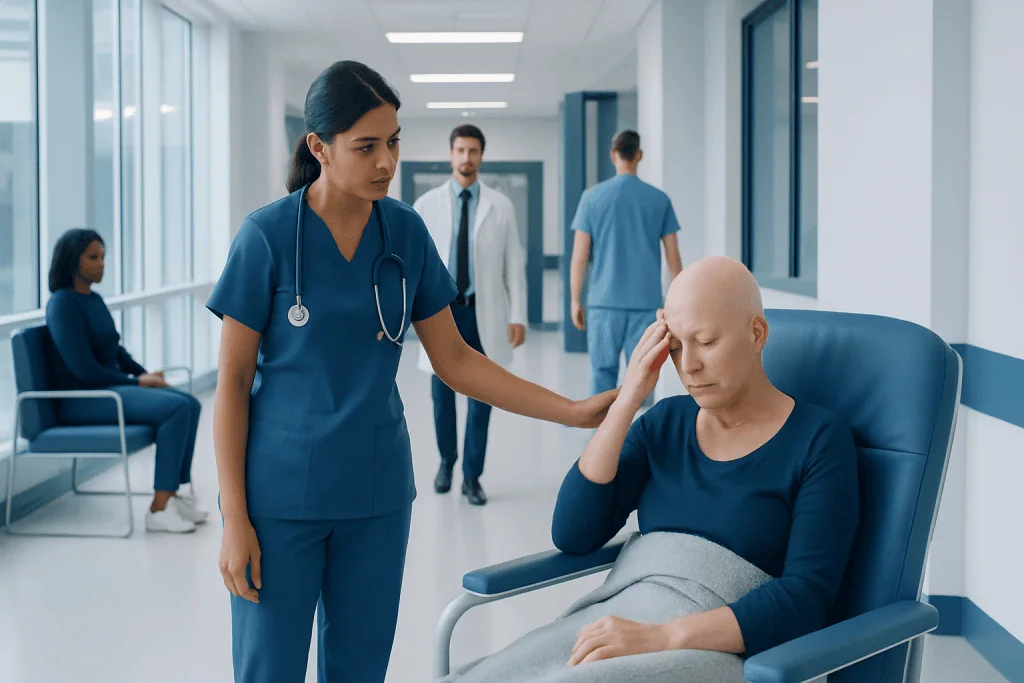
A temperature of 38°C (100.4°F) or higher during chemotherapy requires prompt contact with the oncology team. Chemotherapy-related low neutrophil levels can make infections develop quickly with few obvious symptoms.
Key Takeaways
- A temperature of 38°C (100.4°F) or higher during chemotherapy requires prompt contact with the oncology team.
- Chemotherapy-related low neutrophil levels can make infections develop quickly with few obvious symptoms.
- Some medicines, blood products, or the cancer itself can cause fever, but infection must be ruled out first.
- Do not take fever-reducing medicine before speaking with the oncology team unless a clinician has already given specific instructions.
- Blood tests, cultures, imaging, and prompt antibiotics may be needed when neutropenic fever is suspected.
Yes, chemotherapy can be associated with fever, but it should never be assumed to be a harmless treatment effect. Because chemotherapy may lower infection-fighting white blood cells, a fever can be an early or only sign of a serious infection and should be reported promptly to the cancer care team.
Can chemotherapy cause a fever?
Yes. Chemotherapy can be associated with fever, either directly through a medication reaction or indirectly because treatment lowers the body’s ability to fight infection. In a person receiving chemotherapy, fever is treated as an important warning sign until a clinician determines its cause.
White blood cells called neutrophils are especially important for fighting bacteria and fungi. Many chemotherapy medicines temporarily reduce neutrophil levels, a condition called neutropenia. When this happens, an infection may become serious quickly, even when there is no cough, pain, redness, or other clear symptom.
A fever may also occur after certain chemotherapy drugs, immunotherapy, targeted therapy, blood transfusions, or medicines used alongside cancer treatment. However, it is not safe to decide at home that a fever is simply a treatment side effect. The oncology team should provide an individualized fever plan before treatment begins.
How chemotherapy can lead to fever
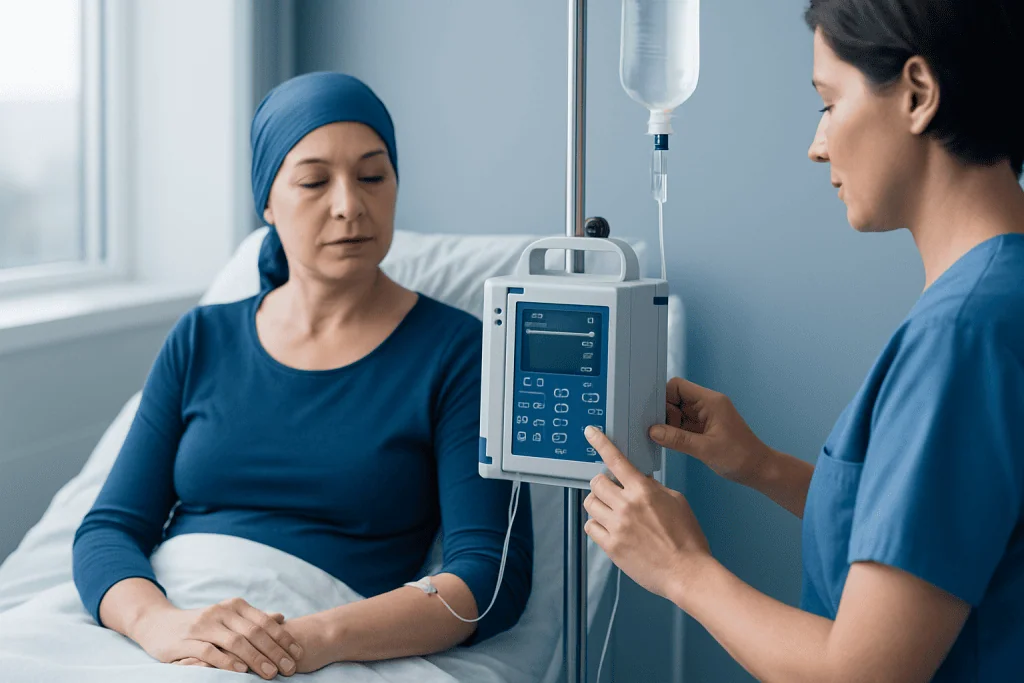
Chemotherapy works by damaging or stopping rapidly dividing cells. Cancer cells often divide quickly, but some healthy cells do as well, including cells in the bone marrow that make blood cells. This is why chemotherapy can lower white blood cell counts for a period after each treatment cycle.
The lowest white blood cell count often occurs days after chemotherapy rather than immediately after an infusion. The exact timing depends on the medicine, dose, treatment schedule, and the person’s overall health. A complete blood count helps the care team monitor neutrophils and identify periods when infection risk may be higher.
Fever can result from infections involving the lungs, urinary tract, skin, mouth, digestive tract, or bloodstream. Devices such as central venous catheters can also occasionally become infected. Less commonly, fever is due to inflammation from treatment, a drug reaction, tumor-related inflammation, or another medical condition.
The main benefit of chemotherapy is its ability to help control or eliminate cancer cells, often as part of a broader plan that may include surgery, radiation therapy, immunotherapy, or targeted medicines. The possible risks, including low blood counts and infection, are considered carefully when clinicians decide whether chemotherapy is suitable.
Who is more likely to develop a fever during chemotherapy?
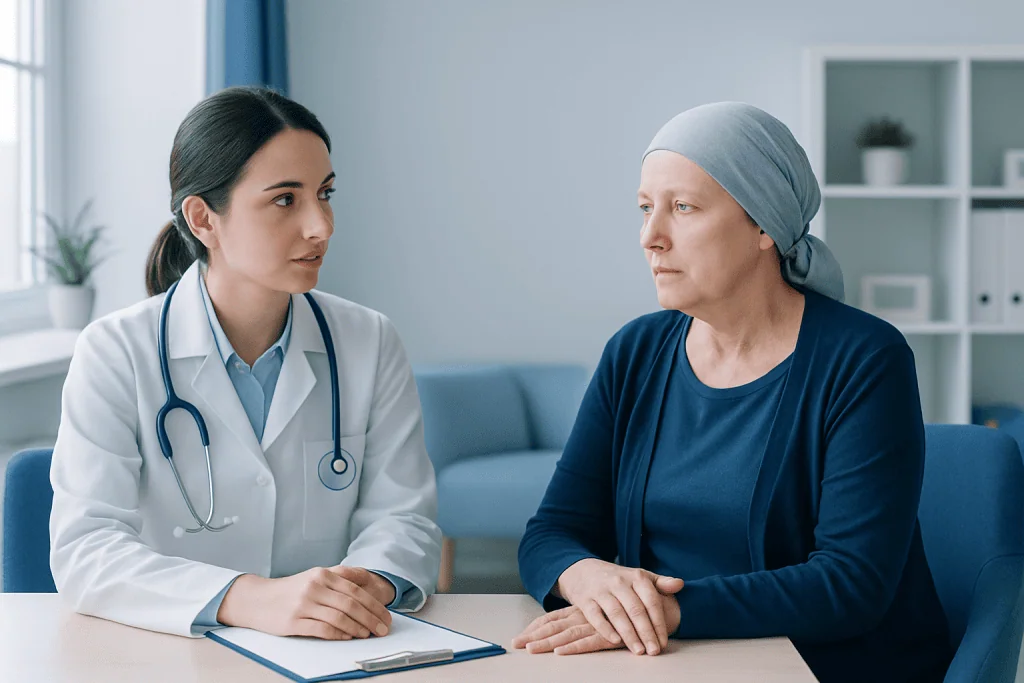
Anyone receiving chemotherapy can develop a fever, but the likelihood varies. It depends on the chemotherapy regimen, the cancer being treated, the intensity and number of prior treatment cycles, and whether other treatments are being used at the same time. The care team uses these factors to plan blood monitoring and supportive care.
Older adults, people with poor nutritional intake, and people with diabetes, kidney disease, lung disease, or other long-term health conditions may need closer assessment. A history of previous neutropenia or infection during treatment can also affect future treatment planning.
People with a central line, open wound, mouth sores, bowel symptoms, or recent surgery may have additional routes through which infection can develop. This does not mean an infection will occur, but it makes early reporting of symptoms particularly important.
Before chemotherapy starts, the oncology team reviews the expected benefits and side effects, checks baseline blood counts, and explains when to call. In selected situations, medicines that stimulate white blood cell production may be used to lower the chance of severe neutropenia.
What happens when a chemo patient develops a fever?
If a patient reports a fever, the care team will usually ask about the temperature, when it began, recent chemotherapy, medications, and any symptoms such as chills, shortness of breath, cough, sore throat, burning during urination, diarrhea, abdominal pain, or changes around a catheter. They will advise whether the patient should go directly to an emergency department or a dedicated oncology assessment service.
Assessment commonly includes vital signs, a physical examination, and blood tests including a complete blood count. Blood cultures may be taken from a vein and, when present, from a central line. Urine testing, chest imaging, stool testing, or other tests may be used based on symptoms and examination findings.
If neutropenic fever is suspected, clinicians generally begin antibiotics quickly after cultures are collected; treatment should not be delayed while waiting for test results. Some people require hospital monitoring and intravenous medicines, while carefully selected low-risk patients may be managed with close outpatient follow-up. The approach is individualized.
Depending on the findings, the oncology team may adjust the timing or dose of a future chemotherapy cycle, add supportive medicines, or investigate another cause of fever. These decisions balance treatment effectiveness with safety and are made with the patient’s cancer plan in mind.
How long does a chemo fever last?
The duration of a fever during chemotherapy depends on its cause. A mild medication-related fever may settle within hours to a day or two, while a fever caused by an infection can continue until the infection is treated and the immune system recovers. There is no reliable “normal” duration that makes it safe to wait at home.
When fever occurs with low neutrophils, it may persist despite the absence of a clear infection source. Clinicians follow temperature trends, blood counts, cultures, symptoms, and response to treatment to decide how long observation or antibiotics are needed.
A fever that returns after improving, lasts longer than expected, or appears with worsening symptoms needs reassessment. Patients should follow the instructions provided by their own oncology service, as thresholds and next steps can differ according to treatment regimen and personal risk.
How to get rid of chemo fever?
The safe way to address a chemo fever is to contact the oncology team immediately and follow its instructions. Treating the temperature alone does not address the possible underlying infection, especially during neutropenia. The team may direct the patient to urgent assessment, testing, antibiotics, fluids, or other treatment.
Patients should not self-treat with acetaminophen (paracetamol), ibuprofen, aspirin, or other fever medicines before speaking with their cancer team unless they have been given specific prior instructions. These medicines can lower the temperature temporarily and may mask an important change in condition. Some are also unsuitable for people with low platelets, kidney problems, stomach ulcers, or particular medication interactions.
While arranging care, patients can rest, drink small amounts of fluid if they are able, and avoid close contact with people who are unwell. They should not use leftover antibiotics or assume that a home remedy can treat a possible infection. Prompt medical evaluation is the most important step.
What are good signs that chemo is working?
A fever is not a reliable sign that chemotherapy is working. Side effects such as fatigue, nausea, hair loss, low blood counts, or fever do not measure how well cancer cells are responding, and having few side effects does not mean treatment is ineffective.
Clinicians assess response using the type and stage of cancer, symptoms, physical examinations, blood tests, tumor markers when appropriate, and imaging studies such as CT, MRI, PET, or ultrasound. For some cancers, the most meaningful assessment happens after several treatment cycles or after surgery.
Possible encouraging changes may include improvement in cancer-related symptoms, shrinking or stable tumors on imaging, or favorable laboratory trends. Results should be interpreted by the oncology team, since scans and tests can be affected by inflammation, timing, and the specific treatment goal.
Patients can discuss their treatment goals and response-monitoring plan at each visit. A clear understanding of when scans or blood tests are planned can reduce uncertainty during chemotherapy.
What temperature is too high for a chemo patient?
For many chemotherapy patients, a single oral temperature of 38°C (100.4°F) or higher is enough to call the oncology team urgently. Some centers also advise immediate contact for a temperature of 38.3°C (101°F) once, or a lower fever that persists. The patient’s own written oncology instructions take priority.
Temperature should be checked with a reliable thermometer, ideally by mouth unless the care team recommends another method. Rectal temperatures and suppositories are generally avoided in people with low white blood cells or low platelets because they can injure delicate tissue and introduce bacteria.
Urgent assessment is needed even at a lower temperature if the person feels severely unwell or has shaking chills, confusion, breathing difficulty, chest pain, severe weakness, repeated vomiting, new rash, severe diarrhea, or signs of infection around a catheter. It is safer to call early rather than wait for symptoms to become more obvious.
When to seek medical care
A person receiving chemotherapy should contact their oncology team immediately for a temperature meeting the threshold in their treatment plan, commonly 38°C (100.4°F) or above. They should also seek urgent help if they develop chills, sudden weakness, dizziness, confusion, shortness of breath, chest pain, severe abdominal pain, or inability to keep fluids down.
Other reasons to call include new cough, sore throat, painful urination, mouth sores that limit drinking, persistent diarrhea, redness or drainage from a wound or central line, and any rapidly worsening symptom. Do not wait until the next routine appointment or attempt to manage suspected infection without clinical guidance.
Preventive habits can lower, but not eliminate, infection risk. These include regular handwashing, careful food safety, avoiding close exposure to people with contagious illnesses, maintaining oral care as advised, and protecting the skin from cuts. The care team can give more specific recommendations during periods of low blood counts.
At Acibadem International, multidisciplinary cancer specialists and JCI-accredited hospitals support international patients who need evaluation and treatment during chemotherapy, including assessment of fever and possible infection. Patients should still contact their treating oncology team promptly whenever fever develops.
Frequently asked questions
Can chemotherapy cause a fever without an infection?
Yes, some chemotherapy medicines and related treatments can cause a drug-related fever without infection. However, infection must be considered first because chemotherapy can reduce infection-fighting white blood cells. A patient should report fever promptly to their oncology team.
Is a low-grade fever dangerous during chemotherapy?
Even a low-grade temperature can matter during chemotherapy, particularly if it rises, persists, or is accompanied by chills or feeling unwell. The patient should follow the temperature threshold given by their oncology team. If in doubt, calling the team is the safest approach.
Can I take acetaminophen for a fever during chemotherapy?
Patients should ask their oncology team before taking acetaminophen or any fever-reducing medicine. It can temporarily hide a fever that clinicians need to evaluate, and some medicines may not be suitable with low blood counts or other health conditions. The care team can provide individualized guidance.
When is the risk of fever highest after chemotherapy?
For many regimens, infection risk is highest when white blood cell counts reach their lowest level, often several days to about two weeks after treatment. The timing varies substantially among chemotherapy medicines and individuals. The oncology team can explain the expected low-count period for a specific regimen.
Can chemotherapy be delayed because of fever?
It may be delayed if a fever is caused by infection, if blood counts are too low, or if additional recovery time is needed. The decision depends on the cancer type, treatment aim, test results, and overall condition. The oncology team weighs safety against the importance of maintaining the planned treatment schedule.
Does a fever mean chemotherapy is working?
No. Fever and other side effects do not show whether chemotherapy is working. Treatment response is assessed through examinations, blood tests when relevant, and planned imaging or other cancer-specific tests. A fever should be evaluated as a possible medical problem rather than viewed as evidence of response.
References
- American Cancer Society
- National Cancer Institute
- Centers for Disease Control and Prevention
- Infectious Diseases Society of America
- European Society for Medical Oncology
This article is for general information only and is not a substitute for professional medical advice. Please consult a qualified doctor about your individual situation.
Chemotherapy in Turkey — costs, top hospitals & a free quote
JCI-accredited · board-certified surgeons · reply within 24h
Add us as a Preferred Source to see more of our trusted health content across Google Search, AI Overviews and Discover.

Medical Oncology Department
Medical treatment of cancer with chemotherapy, immunotherapy and targeted therapies under a multidisciplinary tumor board.
60 specialists in this unit