Physical Signs Chemo Is Not Working: How It Works, Results and What to Expect

Worsening symptoms can be important, but they do not prove that chemotherapy has stopped working. Chemotherapy response is usually assessed with planned scans, blood tests, physical examinations and symptom review.
Key Takeaways
- Worsening symptoms can be important, but they do not prove that chemotherapy has stopped working.
- Chemotherapy response is usually assessed with planned scans, blood tests, physical examinations and symptom review.
- Some treatment side effects can feel severe even when chemotherapy is effective, while some cancers can progress with few noticeable symptoms.
- If chemotherapy is not controlling the cancer, the oncology team may discuss another drug regimen, targeted treatment, immunotherapy, radiation, surgery, clinical trials or symptom-focused care.
- New severe symptoms, fever during chemotherapy, sudden breathlessness, confusion or uncontrolled pain require prompt medical advice.
Physical signs chemo is not working may include new or worsening cancer-related symptoms, but side effects and day-to-day feelings cannot reliably measure treatment response. Oncologists use examinations, imaging, blood tests and the overall clinical picture to determine whether chemotherapy is controlling cancer.
Overview: physical signs chemo is not working
Physical signs chemo is not working can include cancer-related symptoms that are new, returning or getting worse, such as increasing pain, unexplained weight loss, a growing lump, worsening cough, breathlessness, jaundice or changes in bowel or bladder function. However, symptoms alone cannot confirm whether chemotherapy is failing; treatment response is determined mainly through scans, laboratory tests, examinations and the oncology team’s assessment over time.
Chemotherapy affects rapidly dividing cells. Its purpose may be to cure cancer, reduce the risk of recurrence after surgery, shrink a tumor before another treatment, slow advanced cancer or relieve symptoms. Because treatment goals differ, the meaning of “working” also differs. A cancer does not always need to disappear completely for chemotherapy to provide benefit; it may be considered effective if it shrinks, remains stable or causes symptoms to improve.
It is understandable to look for daily clues during treatment. Yet fatigue, nausea, hair loss, appetite changes and low blood counts are usually effects of treatment rather than reliable signs of whether cancer is responding. Conversely, feeling relatively well does not always mean that cancer has stopped growing. Regular communication with the oncology team and planned response assessments provide the clearest answers.
How chemotherapy works and how response is measured
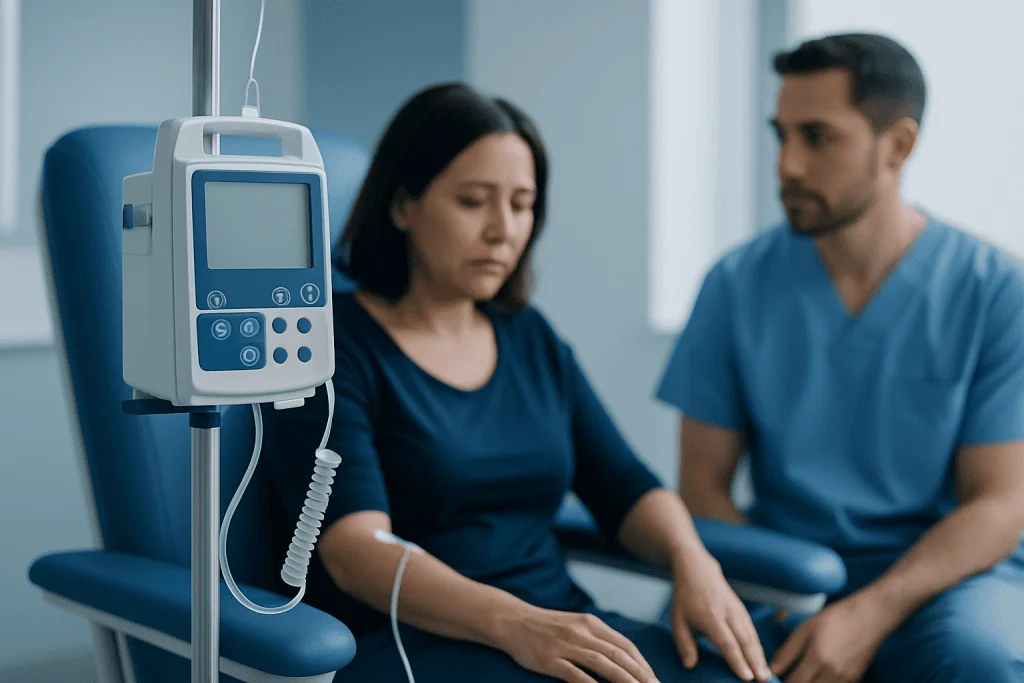
Chemotherapy uses medicines that circulate through the bloodstream to damage or stop the division of cancer cells. Different medicines work in different ways, and they may be used alone or in combination. Chemotherapy can also be combined with surgery, radiation therapy, immunotherapy, targeted therapy or hormone therapy, depending on the cancer type, stage, molecular features and a person’s general health.
Response is commonly assessed after a planned number of treatment cycles rather than after every infusion. The team may compare CT, MRI, PET or ultrasound scans with earlier images. They may also track tumor markers in selected cancers, blood counts, organ function, physical findings and changes in symptoms. Tumor markers can be helpful in context, but they are not suitable for monitoring every cancer and should not be interpreted on their own.
Results may be described as a complete response, partial response, stable disease or progressive disease. Stable disease can be a meaningful outcome, particularly in advanced cancer, if treatment is keeping the cancer from growing and the side effects remain manageable. The best interpretation comes from discussing the findings with an oncologist who knows the individual diagnosis and treatment goal.
How do you know when chemo is no longer working?
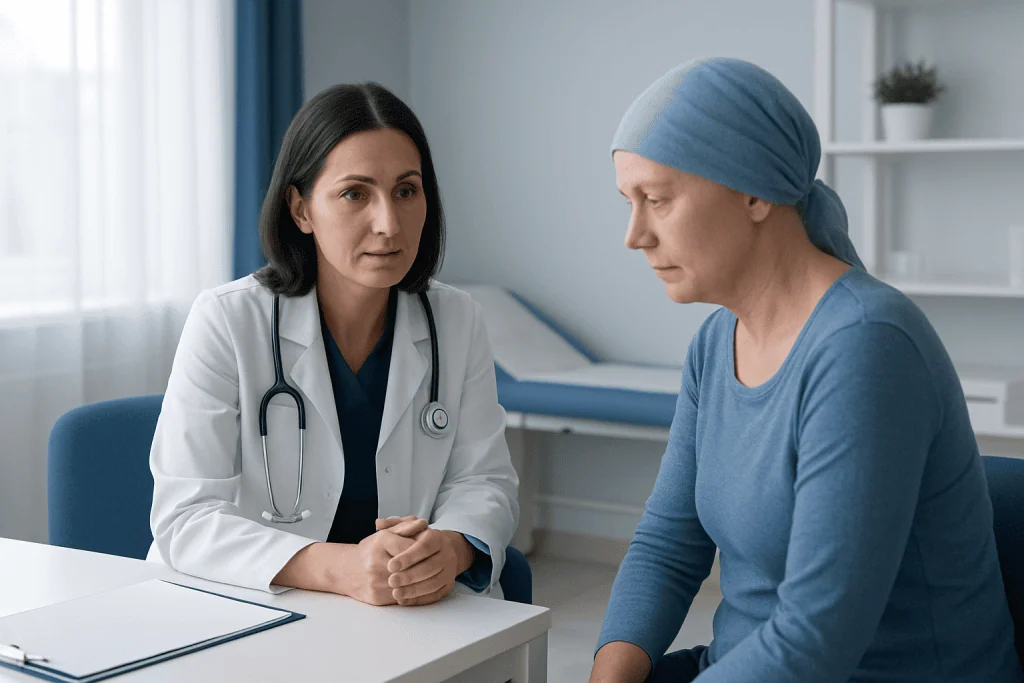
Chemotherapy may no longer be controlling cancer when follow-up imaging shows that tumors have grown, new tumors have appeared, cancer-related fluid has increased, or disease has spread to another area. In some situations, a consistent rise in a relevant tumor marker or worsening examination findings may add evidence. Oncologists typically look for a pattern across several sources of information before changing a treatment plan.
Possible physical changes include a persistent increase in pain, new neurological symptoms, a worsening cough, increasing shortness of breath, abdominal swelling, worsening fatigue unrelated to blood counts or sleep, loss of appetite, weight loss, jaundice, a changing skin lesion or a palpable mass that is enlarging. The symptoms depend greatly on the type and location of the cancer. Many of these symptoms can also arise from infection, anemia, a blood clot, medication effects or another treatable condition.
A patient should report new or worsening symptoms promptly rather than waiting for the next scan. The team may arrange an examination, blood work or earlier imaging when appropriate. It is important not to stop chemotherapy or assume it has failed based only on how difficult a cycle feels.
There are several reasons a regimen may be changed. Cancer cells can become resistant to a medicine, treatment may not reach every cancer site equally, or side effects may outweigh expected benefit. A change in treatment is not a lack of options; it is often a planned, evidence-based adjustment based on the latest results.
What are good signs that chemo is working?
Good signs that chemotherapy may be helping can include improvement in symptoms caused by cancer, such as less pain, easier breathing, improved appetite, reduced abdominal pressure, better energy or a smaller lump on examination. When a tumor was causing an organ blockage or bleeding, improvement in those problems may also suggest benefit. These changes should be shared with the oncology team, even when they seem positive.
The most dependable evidence is objective: a scan showing tumors have shrunk or have not grown, an examination showing improvement, or a tumor marker decreasing when that marker is known to reflect the individual cancer. Some people feel better before imaging confirms a response, while others may continue to have side effects despite a favorable scan result.
Side effects are not a measure of chemotherapy strength or success. More nausea, hair loss, fatigue or low blood counts do not mean a treatment is working better, and having fewer side effects does not mean it is ineffective. The oncology team can often help reduce side effects while preserving the intended cancer treatment.
Candidacy, treatment steps and the recovery timeline
Whether chemotherapy is appropriate depends on the exact cancer diagnosis, stage, tumor biology, prior treatments, treatment goal, organ function, other health conditions and personal preferences. Before treatment, the team usually reviews pathology results and imaging, performs blood tests, discusses possible benefits and risks, and plans supportive care. Some cancers are better treated first with surgery, radiation, targeted therapy, immunotherapy or another approach.
A chemotherapy cycle commonly involves an appointment for blood tests and symptom review, followed by treatment given intravenously, by injection or as tablets. The schedule varies widely: some medicines are given weekly, while others are given every few weeks. Before each cycle, clinicians may adjust timing or doses when blood counts are low, side effects are significant or health circumstances have changed.
There is no single recovery timeline. Some effects, such as nausea or tiredness, may occur in the days after treatment and improve before the next cycle. Low blood counts often develop later in a cycle and may raise infection risk for a limited period. Other effects, including numbness or tingling in the hands and feet, can persist longer. The cancer team provides individualized guidance on activity, nutrition, infection precautions and symptom management.
Regular review is part of treatment rather than a final test of success. If assessments show progression, the team may recommend a different systemic treatment, local treatment for a specific area, supportive measures or referral for a clinical trial when suitable. Decisions should reflect both likely benefit and the person’s priorities and quality of life.
What do oncologists not tell you?
Most oncology teams aim to explain treatment options clearly, but appointments can involve a great deal of information and it is normal for patients and families to have unanswered questions. A useful point that may not always be emphasized is that response is rarely judged by one symptom, one blood result or one difficult treatment day. Cancer care involves uncertainty, and plans may change as new scan results or side effects emerge.
Another important discussion is the goal of treatment. Chemotherapy may be intended to cure, reduce recurrence risk, control cancer for as long as possible or ease symptoms. Knowing the goal helps a person understand what scan results mean and weigh possible benefits against treatment burdens. It is appropriate to ask directly: “What is the goal of this treatment?”, “How will we know whether it is helping?” and “What are the next options if it does not help?”
People can also ask about expected side effects, urgent symptoms, practical support, fertility concerns where relevant, nutrition advice, emotional support and palliative care. Palliative care can be provided alongside active cancer treatment and focuses on symptom relief, communication and quality of life; it is not limited to end-of-life care.
At what stage does chemo not work?
Chemotherapy can be effective at different cancer stages, including early-stage cancer, locally advanced cancer and metastatic cancer. It does not stop working at one universal stage. Instead, effectiveness depends on the cancer type and subtype, its genetic or molecular characteristics, how sensitive it is to the specific medicines used, the sites of disease and whether resistance develops.
In early-stage cancer, chemotherapy may be given after surgery to treat microscopic cells that cannot be seen on scans, so there may be no measurable tumor to watch shrink. In locally advanced or metastatic cancer, scans are often used to monitor visible disease. Even when cancer is not curable, chemotherapy may still slow growth, reduce symptoms or prolong disease control for a meaningful period.
If one chemotherapy regimen stops helping, another regimen may still work. Depending on the diagnosis, chemotherapy treatment may be followed or combined with targeted medicines, immunotherapy, hormone therapy, radiation therapy, surgery or supportive care. The oncology team may recommend biomarker testing to identify treatments that are more likely to match the tumor’s biology.
When to seek medical care
Anyone receiving chemotherapy should contact their oncology team promptly for symptoms that are new, worsening or difficult to manage. This includes increasing pain, repeated vomiting, inability to drink fluids, persistent diarrhea, new swelling, worsening cough, unexpected bleeding, marked weakness, yellowing of the skin or eyes, or symptoms that could suggest cancer progression. Early assessment can identify causes that may be treatable, even if they are not related to cancer growth.
Urgent medical attention is needed for fever during chemotherapy, chills or signs of infection, sudden shortness of breath, chest pain, coughing blood, severe headache, new confusion, fainting, seizures, sudden weakness or numbness, uncontrolled bleeding, or severe abdominal pain. Chemotherapy can lower infection-fighting white blood cells, so a fever may require urgent evaluation even when other symptoms are mild. Patients should follow the emergency contact instructions provided by their own cancer team.
Preparing questions before each visit can make discussions easier. Patients may ask what the latest results show, whether symptoms could be due to treatment or cancer, when the next scan is planned, what the alternatives are and what support is available. Acibadem International’s multidisciplinary specialists at JCI-accredited hospitals assess cancer treatment response and care options for international patients.
Frequently asked questions
Can chemotherapy make someone feel worse even when it is working?
Yes. Chemotherapy can cause fatigue, nausea, appetite changes, low blood counts, hair loss and other side effects even when scans show that cancer is responding. Side effects should be reported, because the oncology team may be able to treat them or adjust supportive care.
Can a blood test show whether chemotherapy is working?
Blood tests can provide useful information about blood counts, organ function and, for some cancers, tumor markers. They usually cannot confirm treatment response by themselves. Oncologists interpret blood results together with imaging, examinations and symptoms.
How soon do doctors know whether chemotherapy is working?
The timing varies with the cancer type, medicines used and treatment goal. Many treatment plans include a response assessment after several cycles, often using imaging. The oncology team can explain the planned timing and what results they will be monitoring.
Should chemotherapy be stopped if symptoms worsen?
Chemotherapy should not be stopped without speaking with the oncology team, except in an emergency when urgent medical care is needed. Worsening symptoms may be caused by treatment side effects, infection, anemia, a clot or cancer progression, and each requires a different response.
Does stable disease mean chemotherapy is working?
Often, yes. In many advanced cancers, preventing further growth can be a valuable treatment result, especially if symptoms are controlled and side effects are acceptable. The meaning of stable disease depends on the treatment goal and the individual situation.
What happens if chemotherapy stops working?
The oncology team reviews the scan findings, symptoms, prior treatments and tumor characteristics before discussing next steps. Options may include another chemotherapy regimen, targeted treatment, immunotherapy, hormone treatment, radiation, surgery, a clinical trial or care focused on symptom relief and quality of life.
References
- National Cancer Institute
- American Cancer Society
- American Society of Clinical Oncology
- European Society for Medical Oncology
- World Health Organization
This article is for general information only and is not a substitute for professional medical advice. Please consult a qualified doctor about your individual situation.
Medical weight-loss options in Turkey — costs & eligibility
JCI-accredited · board-certified surgeons · reply within 24h
Add us as a Preferred Source to see more of our trusted health content across Google Search, AI Overviews and Discover.