Cpm Therapy: How It Works, Results and What to Expect
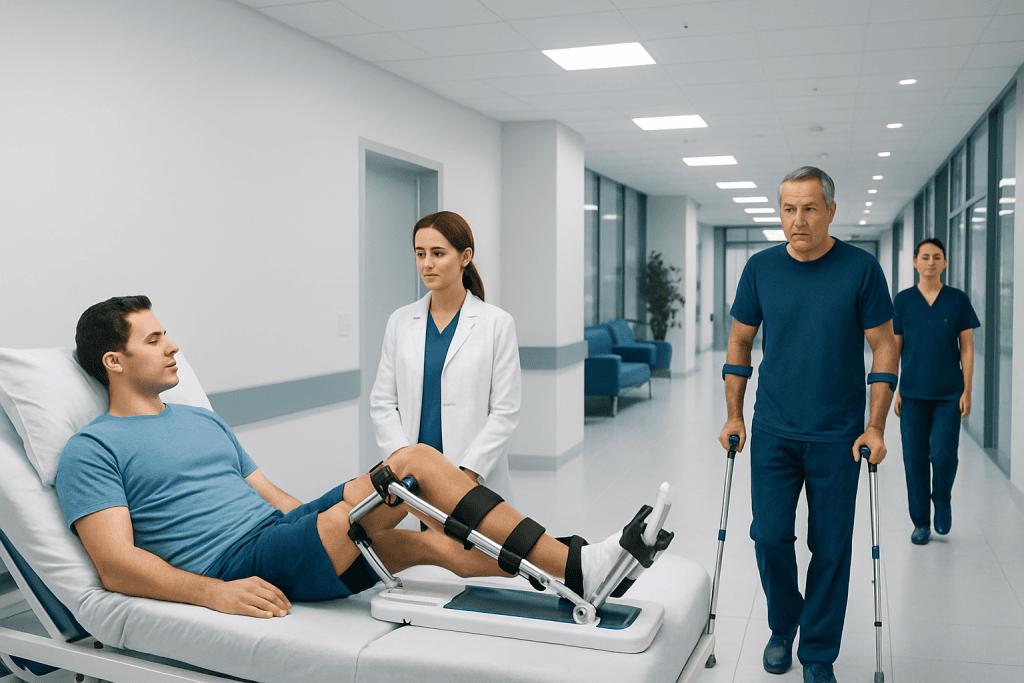
CPM therapy moves a joint passively, meaning the machine provides the movement rather than the patient’s muscles. It is most commonly considered after selected knee procedures, depending on the surgeon’s protocol and the patient’s recovery needs.
Key Takeaways
- CPM therapy moves a joint passively, meaning the machine provides the movement rather than the patient’s muscles.
- It is most commonly considered after selected knee procedures, depending on the surgeon’s protocol and the patient’s recovery needs.
- The machine’s range of motion, speed and daily use schedule should be individually prescribed and adjusted by the care team.
- CPM can support comfort and early joint movement for some patients, but active exercises and physical therapy remain central to recovery.
- Pain that is worsening, major swelling, fever, wound drainage or calf symptoms should be assessed promptly by a medical professional.
CPM therapy, meaning continuous passive motion therapy, uses a motorized machine to move a recovering joint through a controlled range of motion while the person relaxes. It may be used for selected patients after knee surgery or certain injuries, but it is usually an addition to—not a replacement for—active rehabilitation and physical therapy.
CPM Therapy Overview: What Does It Mean?
CPM therapy stands for continuous passive motion therapy. It involves a motorized device, commonly called a CPM machine, that slowly bends and straightens a joint while the person remains relaxed. In most cases, it is used for the knee after surgery, although similar devices may occasionally be used for other joints under specialist guidance.
The purpose of CPM in therapy is to provide gentle, repeated movement during an early recovery period when a joint may be painful, stiff or difficult to move actively. The leg is supported in the machine, and settings such as the degree of bend, extension and speed are selected by the surgical or rehabilitation team. The device should not cause sharp pain.
CPM therapy is not routinely needed after every orthopedic operation. Research has found that its benefits can vary by procedure and by individual patient, so clinicians generally use it selectively. A personalized rehabilitation plan may include pain management, walking or weight-bearing instructions, exercises, wound care and supervised physical therapy in addition to any CPM use.
How CPM Therapy Works
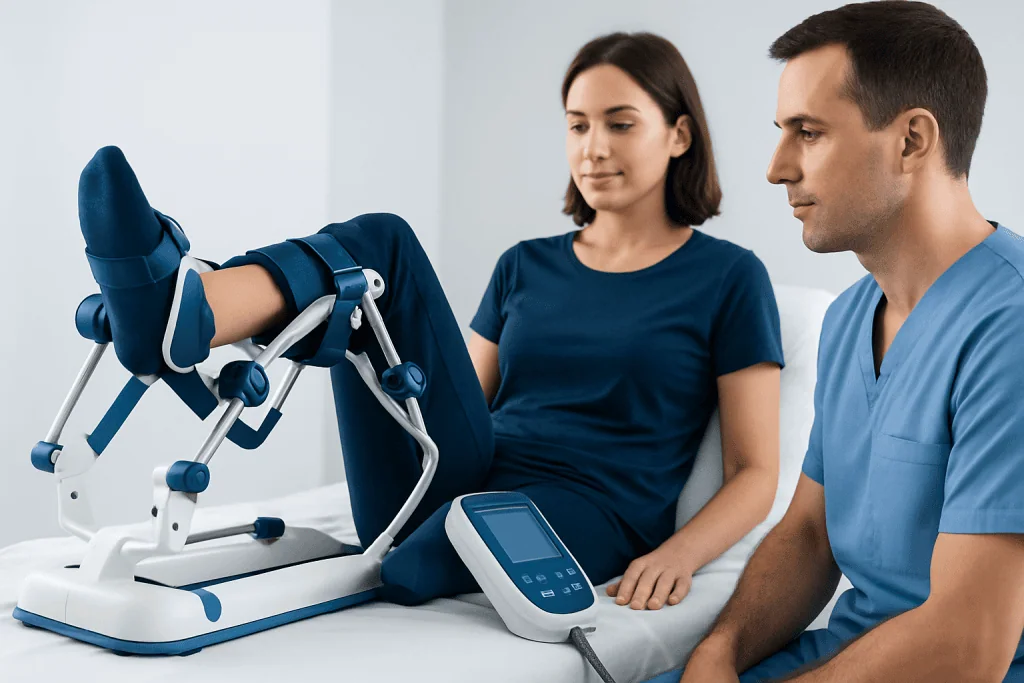
A knee CPM machine is usually used while a person is lying down or reclining. The leg rests in padded supports, with the knee aligned near the device’s hinge. Once switched on, the machine moves the knee through a pre-set arc, repeatedly and gradually, without requiring the person to contract the thigh muscles to create the movement.
CPM how does it work in practical terms? Early sessions commonly begin with a comfortable, limited range of motion. As swelling, pain and healing allow, the clinician may increase the amount of knee bending or adjust the schedule. The goal is controlled movement that respects the surgical repair and does not force the joint beyond the instructed limits.
Passive movement may help some people tolerate early motion and may reduce the sense of stiffness after an operation. However, it does not build muscle strength, improve balance or restore normal walking on its own. Those recovery goals require active exercises and functional rehabilitation directed by a qualified physiotherapist or orthopedic team.
Who May Be a Candidate for CPM Therapy?
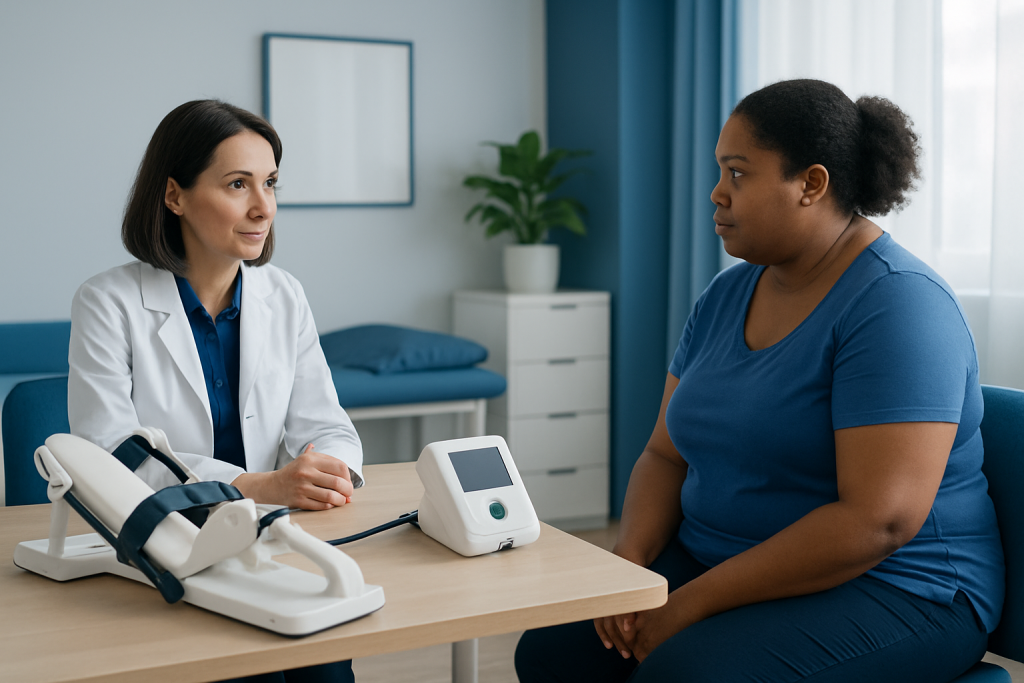
A surgeon may recommend CPM therapy after selected knee operations, particularly when maintaining early movement is considered helpful or when a person is having difficulty beginning gentle active motion. It may also be considered after procedures to address knee stiffness, cartilage injuries or certain traumatic injuries. The exact role of CPM depends on the surgery performed, the tissues that need protection and the rehabilitation protocol.
Not everyone benefits from a CPM machine. Some operations require restricted motion for a period of healing, while other patients can safely focus on active range-of-motion exercises, walking progression and physiotherapy without a machine. Decisions should be based on the operating surgeon’s instructions rather than on a general recommendation.
People with significant pain, unstable fractures, poorly fitting braces or casts, untreated skin problems near the device contact points, or circulation concerns may need additional assessment before use. Individuals recovering from knee arthritis surgery or injury should also discuss whether their underlying joint condition and overall mobility affect the plan.
What Happens During CPM Therapy?
Before the first session, a nurse, physiotherapist or equipment provider checks that the machine is correctly sized and positioned. The recovering leg is placed in the supports and straps are secured comfortably. Correct alignment is important because a poorly positioned machine can cause discomfort, pressure on the skin or movement that does not match the knee’s natural hinge.
The clinician programs the starting range of motion and speed. The first sessions are generally gentle. The person should be able to relax and should report pinching, sharp pain, numbness, excessive pressure or a sensation that the joint is being forced. Mild tightness while the knee bends may occur, but severe pain is not an expected goal of therapy.
At home, patients and caregivers should follow the written instructions for setup, cleaning and safe use. They should not independently increase the bend angle, speed or total use time unless the treating team has advised this. The device is commonly combined with scheduled exercises, walking aids when needed and appointments for physical therapy to support a complete recovery plan.
How Long Should You Stay on a CPM Machine?
The answer to how long someone should stay on a CPM machine is individualized. Some patients use it in shorter sessions several times a day, while others may have a different schedule based on the procedure, comfort, swelling and surgeon’s protocol. The prescribed schedule, rather than a fixed number of hours, is the safest guide.
Questions such as “CPM how often?” should be directed to the orthopedic surgeon or physiotherapist because rehabilitation restrictions differ considerably. A person should take breaks as instructed, change position safely and avoid using the machine in a way that interferes with sleep, circulation, skin comfort or other rehabilitation activities.
Using the machine longer than prescribed does not necessarily improve results. Quality of use matters: the device should be properly aligned, the movement should remain comfortable, and the wider plan should include active rehabilitation when permitted. If pain or swelling noticeably increases after sessions, the care team should be contacted for advice.
How Long Does CPM Last?
CPM treatment is usually temporary. When it is prescribed after surgery, it is often used during the early phase of recovery, but the overall duration can range from a short postoperative period to longer in selected circumstances. The decision to stop is based on progress, knee movement, healing status, symptoms and the ability to continue with active exercises.
There is no single answer to “CPM how long” because surgical techniques and recovery plans differ. A person may no longer need the machine once they can achieve appropriate motion through therapist-guided exercises and everyday activity, or when the clinician believes it is no longer contributing meaningfully to the recovery goals.
Follow-up appointments are important because they allow the team to measure range of motion, assess swelling and wound healing, and update the plan. If recovery is slower than expected, a clinician may recommend changes to therapy rather than simply extending CPM use.
Benefits, Limitations and Possible Risks
Potential benefits of CPM therapy include gentle early joint movement, reduced feelings of stiffness and support for patients who find it difficult to begin moving the knee after surgery. For some people, this can make the early rehabilitation period feel more manageable. The benefit is most likely when the machine is used appropriately within a clearly defined care plan.
Its limitations are equally important. CPM does not replace the strength training, mobility work, balance training and functional practice provided through rehabilitation. Evidence does not support routine CPM use for all knee procedures, and some patients recover equally well or better with a focused active therapy program alone.
Possible concerns include discomfort, increased swelling, skin pressure or irritation, and pain if the range of motion is advanced too quickly. Rarely, prolonged immobility outside planned exercises can contribute to complications after surgery. Following instructions about walking, ankle movements, medicines and knee replacement rehabilitation is therefore essential when relevant.
People should never use CPM to push through severe pain. Any new numbness, color change in the foot, marked swelling, mechanical problems with the machine or uncertainty about settings should be discussed with the treating team.
Is a CPM Machine Better Than Physical Therapy?
No. A CPM machine is not better than physical therapy, and it should not be viewed as a substitute for it. CPM provides passive movement, whereas physical therapy helps restore active motion, muscle control, strength, gait, confidence and the ability to return to daily activities.
For selected patients, the two approaches can work together. CPM may be used for a limited period as one part of a broader rehabilitation program, while the physiotherapist teaches safe exercises and progresses activity according to healing. The relative value of each approach depends on the procedure and the patient’s individual needs.
People who cannot attend therapy sessions should ask their care team about safe home exercise options, remote follow-up or community rehabilitation resources rather than relying on a CPM device alone. Consistent participation in the agreed rehabilitation plan is generally more important than any single piece of equipment.
Will Insurance Pay for a CPM Machine?
Insurance coverage for a CPM machine varies widely by country, insurer, policy, diagnosis, procedure and whether the equipment is rented or purchased. Some plans may cover it only for specific postoperative indications and with documentation from the surgeon. Others may consider it non-routine or require prior authorization.
Before arranging a machine, patients can contact their insurer and ask whether CPM equipment is covered, whether a prescription or authorization is needed, which suppliers are approved and whether there are limits on rental duration. The surgeon’s office or hospital discharge team may be able to provide supporting clinical documentation when appropriate.
Coverage should not determine clinical care in isolation. If a CPM machine is not covered or is not advised, a clinician can explain alternative evidence-based ways to protect motion and progress rehabilitation safely, including home exercises and supervised therapy.
When to Seek Medical Care
Patients should contact their surgeon, physiotherapist or healthcare team if CPM sessions cause worsening pain, substantial new swelling, persistent numbness, tingling, skin blisters or pressure sores. They should also ask for help if the machine does not fit correctly, appears to malfunction or the prescribed settings are unclear.
Urgent medical assessment is important for symptoms that may signal a postoperative complication, such as chest pain, shortness of breath, fainting, a painful or swollen calf, fever, spreading redness around the incision, pus-like drainage or rapidly worsening wound pain. These symptoms may have causes unrelated to the machine but should not be managed by adjusting CPM settings at home.
Acibadem International’s multidisciplinary orthopedic and rehabilitation specialists in JCI-accredited hospitals can assess recovery needs and coordinate individualized postoperative care for international patients. Ongoing communication with the surgical and rehabilitation team helps ensure that CPM, if used, remains appropriate throughout healing.
Frequently asked questions
What is CPM therapy used for?
CPM therapy is used to provide gentle, machine-assisted passive motion to a recovering joint, most often the knee. It may be recommended after selected operations or injuries when the treating team believes early controlled motion may be helpful. It is usually one component of a broader rehabilitation plan.
Does CPM therapy hurt?
A CPM machine may create a feeling of stretching or tightness, especially early in recovery, but it should not cause sharp or severe pain. The range of motion should be set according to the clinician’s instructions. Worsening pain, significant swelling, numbness or pressure should be reported to the care team.
Can CPM therapy replace knee exercises?
No. CPM provides passive movement and does not strengthen muscles or train walking, balance and everyday function. Active exercises and physical therapy are important for most people recovering from knee surgery. The care team can explain when and how to begin each part of rehabilitation.
Should the CPM machine be used overnight?
Patients should use a CPM machine only according to their surgeon’s or physiotherapist’s specific directions. Overnight use is not appropriate for everyone and may affect comfort, sleep, positioning or safety. A patient should not add nighttime use without discussing it with the care team.
Can I increase the CPM machine bend angle myself?
The bend angle and other settings should only be changed according to instructions from the treating team. Increasing the range too quickly can cause unnecessary pain, swelling or stress on healing tissues. If the current setting feels too difficult or too easy, the patient should ask the clinician for guidance.
What should I do if my knee becomes more swollen after CPM?
The patient should pause use and follow any postoperative instructions for rest, elevation, cooling or medication, if these have been provided. The surgeon or physiotherapist should be contacted if swelling is substantial, persistent or accompanied by worsening pain, redness, fever, calf symptoms or wound concerns. New chest pain or shortness of breath requires urgent medical attention.
References
- American Academy of Orthopaedic Surgeons
- American Physical Therapy Association
- National Institute for Health and Care Excellence
- Cochrane
- MedlinePlus
This article is for general information only and is not a substitute for professional medical advice. Please consult a qualified doctor about your individual situation.
Joint and spine care in Turkey — expert assessment & treatment
JCI-accredited · board-certified surgeons · reply within 24h
Add us as a Preferred Source to see more of our trusted health content across Google Search, AI Overviews and Discover.

More from the Health Library


Related Specialists
Fzt. Nergis Demiröz
Physical Medicine & Rehabilitation
Prof. Dr. K. Fehmi Narter
Urology
Assoc. Prof. Dr. Seden Erten Çelik
Cardiology
Assoc. Prof. Dr. F. Arda Atar
Urology