Stroke Recovery Care Nicholasville: An Evidence-Based Patient Guide
Stroke rehabilitation begins as soon as a person is medically stable and should be individualized. Physical, occupational, speech and cognitive therapies address different effects of stroke.
Key Takeaways
- Stroke rehabilitation begins as soon as a person is medically stable and should be individualized.
- Physical, occupational, speech and cognitive therapies address different effects of stroke.
- Recovery varies greatly; improvement may continue well beyond the first few months.
- Managing blood pressure, diabetes, cholesterol and heart conditions helps prevent another stroke.
- New stroke symptoms require emergency assessment immediately, even during recovery.
Stroke recovery care Nicholasville involves coordinated medical follow-up, rehabilitation and prevention planning tailored to a person’s stroke type, symptoms and goals. Recovery can continue for months or years, and early, consistent support can help people regain function, independence and confidence.
Stroke Recovery Care Nicholasville: What It Involves
Stroke recovery care Nicholasville refers to the ongoing medical and rehabilitation support a person may need after a stroke. It aims to help restore abilities affected by brain injury, reduce the risk of complications and lower the chance of another stroke. The right plan depends on whether the stroke was caused by a blocked blood vessel or bleeding, the area of the brain involved, the person’s health and their daily priorities.
Recovery is not a single procedure or a fixed timetable. It is a coordinated process that may involve a stroke physician, neurologist, rehabilitation specialist, nurses, physiotherapists, occupational therapists, speech-language therapists, dietitians, psychologists and social workers. Family members and caregivers often play an important role in supporting safe practice and independence at home.
Some improvements happen quickly as swelling settles and the brain adapts. Others develop gradually through repeated practice, treatment of medical conditions and learning new ways to complete everyday tasks. A follow-up plan should be reviewed regularly because a person’s needs may change over time.
How Stroke Rehabilitation Works
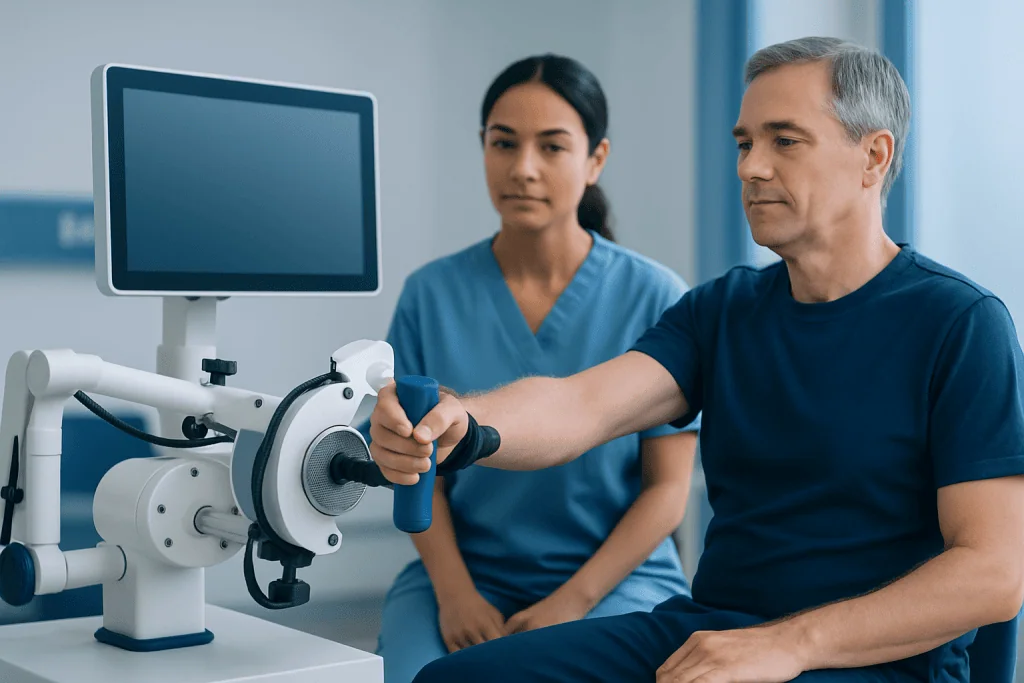
A stroke can affect movement, balance, sensation, communication, swallowing, memory, thinking, mood and vision. Rehabilitation uses assessment and targeted practice to help the person improve these skills or compensate safely when an ability does not fully return. The brain can reorganize some functions after injury, especially when meaningful activities are practised repeatedly.
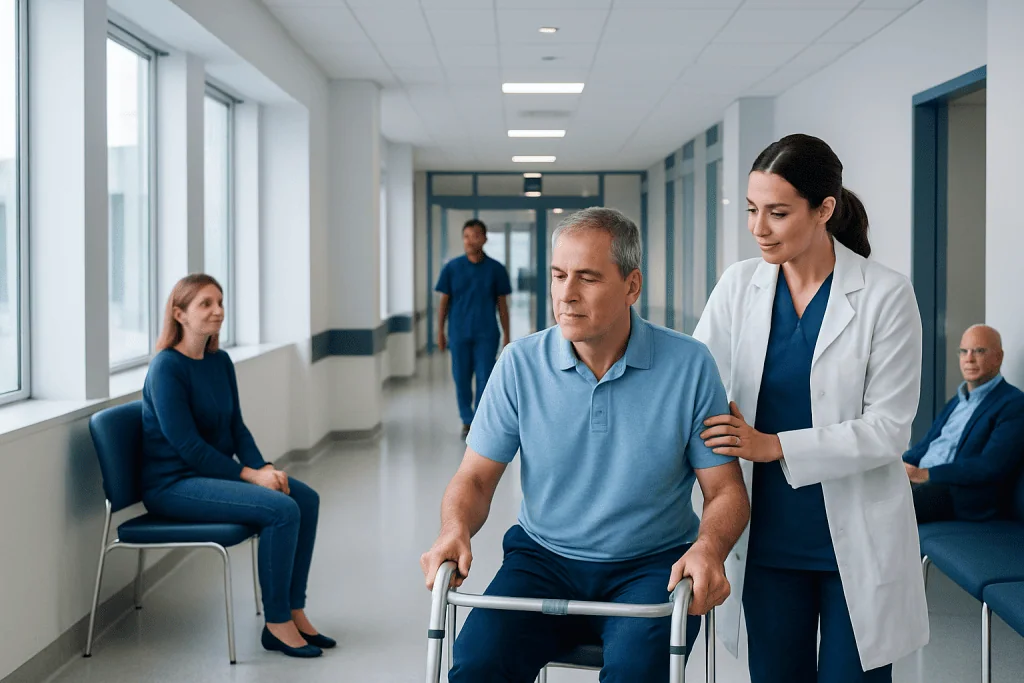
Physiotherapy may focus on walking, strength, balance, transfers and safe use of an affected arm or leg. Occupational therapy addresses personal care, cooking, dressing, hand function, fatigue management and home or workplace adaptations. Speech-language therapy can support speech, language, cognition and swallowing, while psychological care can help with depression, anxiety, adjustment and motivation.
Rehabilitation may be delivered in hospital, an inpatient rehabilitation setting, an outpatient clinic, at home or through a combination of services. The setting matters less than receiving appropriate assessment, regular therapy and a realistic plan that is reviewed with the care team.
Who May Benefit and What Assessment Includes
Most people who have had a stroke can benefit from some form of follow-up or rehabilitation, including those with mild symptoms. A person may need intensive therapy after significant weakness, swallowing difficulty or communication changes, while another may primarily need support for fatigue, concentration, driving, work or prevention of recurrent stroke.
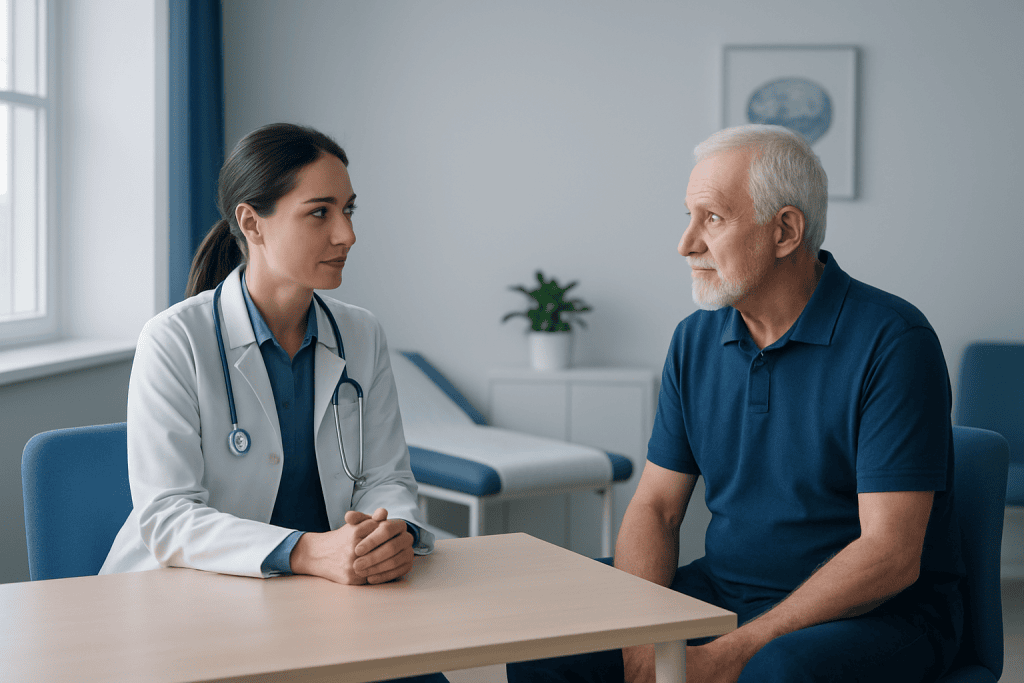
Assessment commonly includes mobility, muscle tone, strength, sensation, pain, balance, vision, speech, swallowing, mood, memory and ability to manage daily activities. Clinicians also review medicines, blood pressure, heart rhythm, cholesterol, diabetes, sleep, nutrition and other factors that can influence recovery or future stroke risk.
Care planning should account for individual circumstances, including age, previous level of independence, other medical conditions, social support and personal goals. Age alone does not determine rehabilitation potential. A qualified clinician can help identify safe goals and the most suitable level of care.
A Step-by-Step Stroke Recovery Plan
Early after a stroke, the clinical team confirms the stroke type, monitors for complications and begins measures to prevent a further event. When the person is medically stable, rehabilitation assessment identifies urgent needs such as safe swallowing, mobility, communication and self-care. A personalized plan is then agreed with the patient and, when appropriate, their family.
The next stage involves regular therapy and practice of specific activities. Goals may include sitting independently, transferring safely, walking with or without an aid, using the affected hand, eating safely, communicating needs or returning to selected household and community activities. Therapists adjust exercises and techniques as progress, fatigue and safety needs change.
Before discharge or a transition in care, the team should discuss medications, follow-up appointments, warning signs, equipment, home safety and support for caregivers. Long-term review is important because spasticity, shoulder pain, falls, depression, cognitive concerns or new vascular risk factors may emerge after the initial recovery period.
For people seeking coordinated neurological assessment and rehabilitation planning, stroke rehabilitation may include multidisciplinary evaluation, therapy and secondary-prevention support tailored to the individual.
Recovery Timeline, Benefits and Possible Challenges
Recovery is highly individual. The first days and weeks often focus on medical stabilization and basic functions, while the first several months are commonly a period of active gains in mobility, communication and daily living. However, progress is possible later as well, particularly when therapy addresses a specific goal and the person continues to practise safely.
Potential benefits of rehabilitation include greater independence, improved confidence, safer mobility, better communication, reduced caregiver burden and improved quality of life. It can also identify swallowing problems, pain, mood symptoms and cardiovascular risks that need treatment. Success should not be measured only by complete recovery; meaningful gains may include safer transfers, clearer communication or greater participation in valued activities.
Challenges can include fatigue, falls, shoulder pain, muscle stiffness, depression, anxiety, sleep problems, urinary difficulties, cognitive changes and social isolation. These concerns are common and should be discussed rather than accepted as unavoidable. Early recognition allows the team to consider therapy adjustments, supportive equipment, medication review or referral to an appropriate specialist.
What Are the Best Things to Do to Recover From a Stroke?
The best approach combines consistent rehabilitation, active management of medical risks and support for emotional wellbeing. Attending recommended therapy, practising prescribed exercises safely and building activity into daily routines can help reinforce skills. Rest is also important, as post-stroke fatigue can limit progress when activity is increased too quickly.
People should take prescribed medicines as directed and attend follow-up visits to manage blood pressure, diabetes, cholesterol, atrial fibrillation and other conditions linked with stroke. A balanced eating pattern, not smoking, limiting alcohol where appropriate, maintaining a healthy activity level and addressing sleep problems can support vascular health. Any changes should be discussed with the treating clinician, particularly after a recent stroke.
Practical support matters. Family members can encourage independence without taking over tasks that the person can safely practise. Keeping a record of symptoms, goals and questions for appointments may make follow-up more productive. Support groups, counselling and caregiver education can also help individuals and families adapt to life after stroke.
- Follow the rehabilitation plan and ask when it should be adjusted.
- Use mobility aids and swallowing recommendations exactly as advised.
- Set small, meaningful goals and track gradual progress.
- Seek help for low mood, anxiety, sleep difficulty or caregiver strain.
What Is the Life Expectancy After a Stroke for Someone Aged 50?
There is no single life-expectancy figure for a 50-year-old after stroke. Outlook depends on the type and severity of stroke, the cause, the amount of disability, treatment received, and health factors such as high blood pressure, diabetes, smoking, heart disease and kidney disease. Many people who have a stroke at this age live for many years, particularly when risk factors are identified and treated.
Follow-up care focuses on preventing another stroke and managing any lasting effects. A clinician can provide a more individualized discussion after reviewing the person’s medical history, scan results, functional recovery and cardiovascular risks. It is reasonable to ask about secondary prevention, return to work, exercise and long-term monitoring at follow-up appointments.
Can an 80 Year Old Recover From a Mild Stroke?
Yes. An 80-year-old can recover from a mild stroke, and many older adults make meaningful improvements with timely care and rehabilitation. Recovery may be influenced by pre-stroke independence, frailty, other health conditions, cognitive function, social support and the specific brain functions affected, rather than age alone.
A mild stroke can still affect balance, attention, speech, mood or hand use in ways that matter in daily life. Assessment and therapy can help identify these less obvious concerns, reduce falls and support safe independence. Older adults should also receive careful review of medicines, vision, hearing, nutrition and home safety as part of recovery planning.
What Happens 2 Years After a Stroke?
Two years after a stroke, some people have returned to many usual activities, while others continue to live with physical, communication, cognitive or emotional changes. Improvement can still occur at this stage, especially when a new therapy goal is identified or a treatable barrier such as pain, spasticity, depression or poor sleep is addressed.
Long-term stroke care remains important because recurrent stroke risk does not disappear after the initial event. Ongoing management of blood pressure, cholesterol, diabetes and heart rhythm, together with healthy lifestyle habits and medication adherence, remains central. Regular medical review can also identify late complications, including falls, bone health concerns, social isolation and caregiver stress.
At Acibadem International, multidisciplinary specialists and JCI-accredited hospitals support international patients with stroke assessment, rehabilitation and long-term care planning. People may also benefit from evaluation of related neurological concerns such as transient ischemic attack when symptoms or history suggest a possible warning event.
When to Seek Medical Care
Call emergency services immediately if a person develops sudden facial drooping, arm or leg weakness, numbness on one side, trouble speaking or understanding, sudden loss of vision, severe dizziness, loss of balance or a sudden severe headache. These may be signs of a new stroke. Symptoms that improve quickly can still be serious and need urgent assessment.
During recovery, contact a healthcare professional promptly for new or worsening weakness, repeated falls, choking or coughing during meals, fever with breathing symptoms, severe headache, chest pain, fainting, new confusion or major changes in mood or behavior. Do not wait for a routine appointment if symptoms are sudden or severe.
Routine follow-up is also appropriate when recovery has plateaued, equipment no longer fits current needs, pain or stiffness interferes with function, or the family needs more support. A clinician can reassess goals and recommend rehabilitation, community resources or specialist care when needed.
Frequently asked questions
How soon should stroke rehabilitation begin?
Rehabilitation often begins in the hospital once the person is medically stable. Early assessment of mobility, swallowing, communication and daily living needs helps the team plan safe care. The exact timing and intensity depend on the stroke and the person’s overall condition.
Can stroke recovery continue years after the event?
Yes, some improvement can occur years after stroke. Progress may be slower than in the first months, but targeted therapy, regular practice and treatment of barriers such as pain or depression can still improve function and participation. Long-term goals should be realistic and reviewed with a clinician.
What therapies may be needed after a stroke?
Common therapies include physiotherapy, occupational therapy and speech-language therapy. Some people also benefit from cognitive rehabilitation, psychological support, swallowing therapy, dietetic advice or specialist assessment for vision and spasticity. The combination depends on the person’s symptoms and goals.
How can a second stroke be prevented?
Prevention usually includes controlling blood pressure and other vascular risks, taking prescribed medicines and attending follow-up visits. Not smoking, following a heart-healthy eating pattern, being physically active within clinical advice and treating conditions such as atrial fibrillation can also reduce risk. The right plan should be individualized by the treating team.
Is fatigue normal after a stroke?
Post-stroke fatigue is common and can affect people even after a mild stroke. It may be worsened by sleep problems, depression, medication effects, pain or the extra mental effort required for daily tasks. A healthcare professional can assess possible causes and suggest pacing, rehabilitation or treatment strategies.
Can a person drive after a stroke?
Some people may be able to drive again, but this depends on local rules and on vision, movement, reaction time, attention and judgment. A person should not resume driving until their clinician has assessed safety and any required reporting or testing has been completed. Occupational therapy may help evaluate driving-related abilities.
References
- American Stroke Association
- Centers for Disease Control and Prevention
- National Institute of Neurological Disorders and Stroke
- World Stroke Organization
- National Institute on Aging
This article is for general information only and is not a substitute for professional medical advice. Please consult a qualified doctor about your individual situation.
Explore treatments in Turkey — costs, top hospitals & a free quote
JCI-accredited · board-certified surgeons · reply within 24h
Add us as a Preferred Source to see more of our trusted health content across Google Search, AI Overviews and Discover.
Check your numbers in seconds
BMI, calories, due date, blood pressure and 30+ more clinical calculators — free, instant, doctor-reviewed ranges.

More from the Health Library
Related Specialists

Dr. Seçil Demir
Internal Medicine
Assoc. Prof. Dr. Işil Yıldız
Gastrointestinal Oncology Unit Clinical Service
Dr. Süha Alzafer
Pulmonology
Prof. Dr. Mert Erkan
General Surgery