Endoscopy Ai News October 2025: Preparation, Procedure and Results
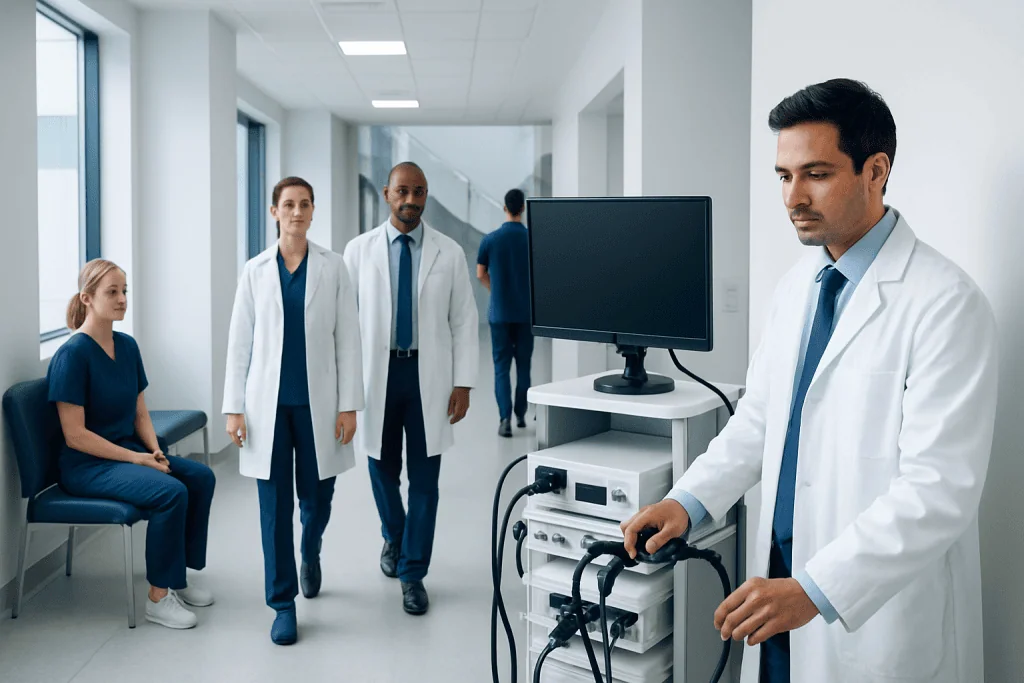
AI-assisted endoscopy may highlight areas that deserve closer inspection, but it does not replace the endoscopist’s clinical judgment. Preparation instructions depend on whether a person is having an upper endoscopy, colonoscopy or another procedure.
Key Takeaways
- AI-assisted endoscopy may highlight areas that deserve closer inspection, but it does not replace the endoscopist’s clinical judgment.
- Preparation instructions depend on whether a person is having an upper endoscopy, colonoscopy or another procedure.
- Initial visual findings are often discussed on the same day, while biopsy and laboratory results usually take longer.
- Most people go home the day of the procedure and need a responsible adult if sedation was used.
- Urgent symptoms after endoscopy, such as severe worsening pain, fever, vomiting blood or black stools, require prompt medical advice.
Endoscopy AI news in October 2025 reflects a growing role for artificial intelligence as a support tool during selected digestive endoscopy procedures. AI can help clinicians review visual information, but a trained gastroenterologist remains responsible for preparation, diagnosis, biopsy decisions and treatment planning.
Overview: Endoscopy AI News October 2025
Endoscopy AI news October 2025 centers on the expanding use of artificial intelligence to assist—not replace—clinicians during digestive endoscopy. In some settings, AI-enabled software can analyze the live video feed and flag patterns or areas that may need closer examination, particularly during colonoscopy. The clinician still performs the procedure, interprets the findings and decides whether tissue samples, treatment or follow-up are needed.
Endoscopy is a procedure that uses a flexible tube with a light and camera to examine the digestive tract. Upper endoscopy, also called gastroscopy or esophagogastroduodenoscopy, examines the esophagus, stomach and first part of the small intestine. It can help investigate symptoms such as swallowing difficulty, persistent upper abdominal discomfort, nausea, bleeding or unexplained anemia.
AI tools are being evaluated and adopted at different rates across health systems. Their purpose is generally to improve consistency in visual review and support documentation or quality processes. Results should always be understood in the context of a person’s symptoms, medical history, examination and any pathology testing.
How AI-Assisted Endoscopy Works
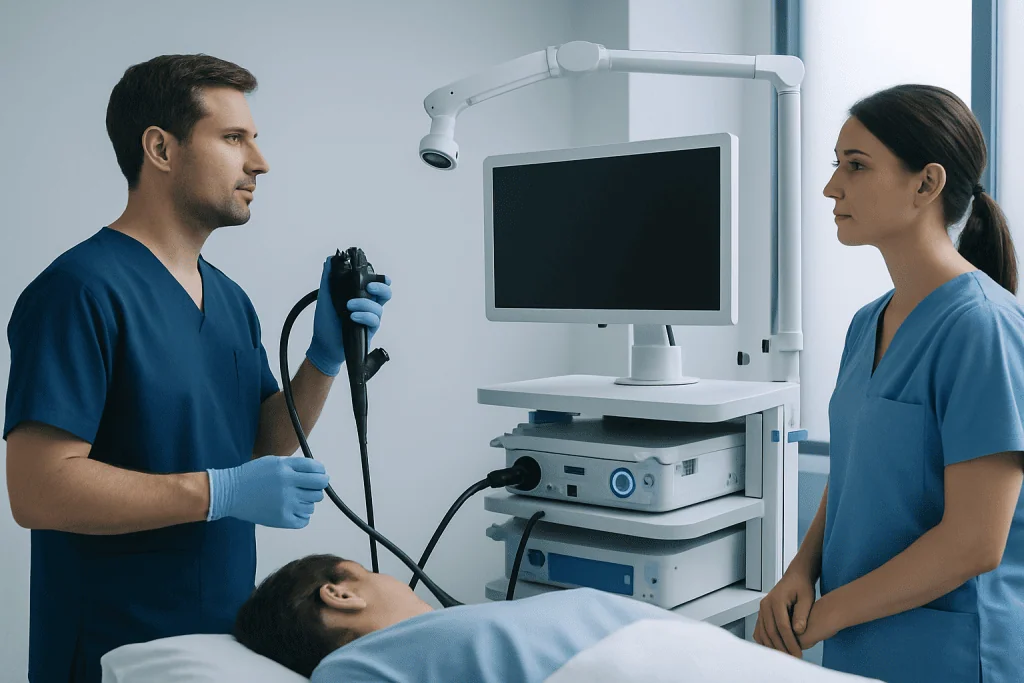
During a conventional endoscopy, the endoscopist advances the camera carefully through the relevant part of the digestive tract and reviews the lining on a monitor. If AI software is being used, it may process images from that same video stream in real time. The system may draw attention to a possible abnormality or help classify visual features, depending on the approved software and the procedure.
AI may be particularly useful for supporting lesion detection during colonoscopy, where small polyps can be subtle. In upper endoscopy, technology may also assist image assessment or reporting in selected clinical settings. However, inflammation, ulcers, infection, bleeding and cancer cannot be diagnosed by an algorithm alone; clinical interpretation and, when appropriate, biopsy remain essential.
Patients may ask before their procedure whether AI is available or appropriate for their case. Availability varies, and the absence of AI does not mean that an endoscopy is less safe or less clinically valuable. Care quality depends on appropriate preparation, experienced clinicians, careful inspection and follow-up of findings.
Who May Need Endoscopy and How to Prepare
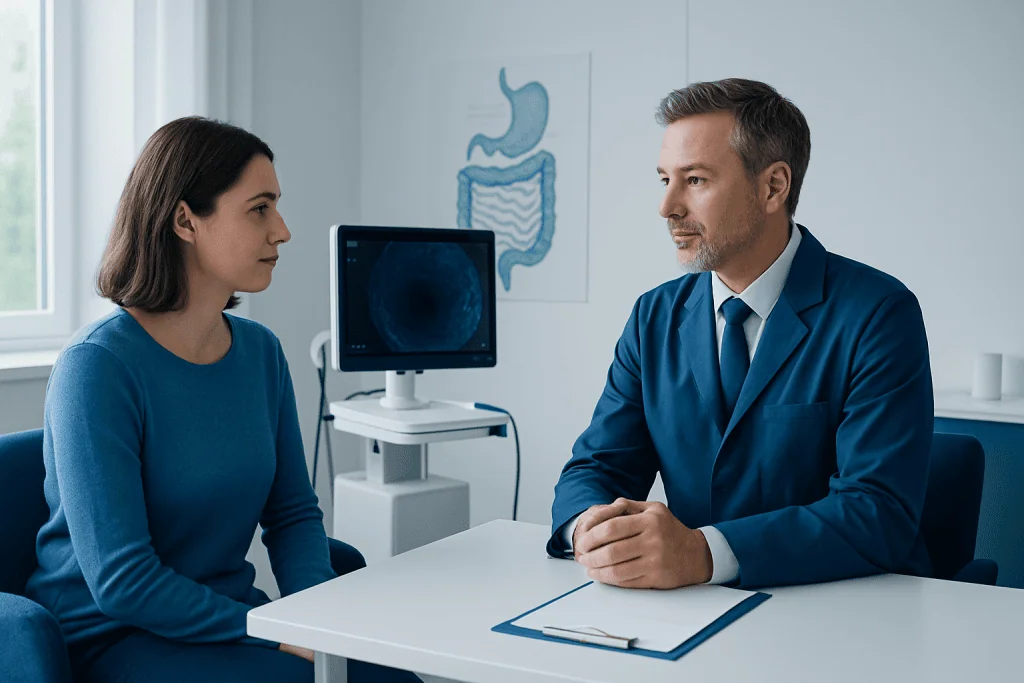
A doctor may recommend upper endoscopy for persistent reflux symptoms, difficulty or pain with swallowing, unexplained vomiting, upper gastrointestinal bleeding, iron-deficiency anemia, unexplained weight loss or suspected ulcers. It may also be used to monitor certain known conditions or obtain biopsies. The decision is individualized, especially for people with heart, lung, bleeding or anesthesia-related health concerns.
Preparation usually includes fasting for a specified period before an upper endoscopy so the stomach is empty and the view is clear. People should tell the care team about all medicines, allergies, pregnancy, diabetes, sleep apnea, implanted devices and use of blood thinners. A clinician may provide individualized instructions about medicines; patients should not stop prescribed treatment on their own.
For colonoscopy, bowel cleansing instructions are more extensive because the colon must be clear. Poor preparation can reduce visibility and may mean part or all of the examination needs to be repeated. A person scheduled for either procedure should arrange transport home if sedation or anesthesia is planned.
- Follow the fasting or bowel-preparation instructions exactly.
- Bring an up-to-date list of medicines and health conditions.
- Ask in advance about diabetes medicines, anticoagulants and anti-platelet medicines.
- Arrange for a responsible adult to accompany the patient after sedation.
Step by Step: What Happens During an Endoscopy
Before the procedure, the team reviews consent, medical history and preparation. Vital signs are checked, and an intravenous line may be placed if sedation is planned. For upper endoscopy, a local throat spray may be used in addition to sedation. Patients are usually positioned on their left side and wear a mouth guard to protect the teeth and scope.
The endoscopist gently passes the flexible scope through the mouth and into the upper digestive tract. Air or carbon dioxide may be introduced to open the area for clearer viewing. This can cause temporary pressure or bloating, but the procedure should not be painful. The scope does not interfere with breathing.
If an unusual area is seen, the clinician may take a biopsy with small instruments passed through the scope. This is usually painless. Some findings can be managed during the same procedure, such as treating certain bleeding areas or removing suitable polyps during colonoscopy. The exact approach depends on the finding, location and the person’s overall health.
For people seeking assessment or management of digestive symptoms, upper endoscopy can provide direct visualization and allow tissue sampling when clinically indicated. The care team explains what will happen before the procedure and gives post-procedure instructions tailored to the type of sedation and any treatment performed.
Do They Fully Put You to Sleep for an Endoscopy?
Not always. Sedation approaches vary according to the procedure, local practice, a person’s health and their preferences. Many upper endoscopies are performed with moderate or deep sedation, meaning the patient is very relaxed or asleep-like and may remember little or nothing afterward, but may continue breathing independently.
Some procedures use general anesthesia, where the person is fully unconscious and airway support is managed by an anesthesia team. Others can be performed with throat numbing spray alone or with minimal sedation. The most appropriate option is decided after reviewing medical history, including sleep apnea, lung disease, medication use and previous responses to anesthesia.
Even when a patient feels fully asleep, sedative medicines can affect coordination, memory and judgment for the rest of the day. Driving, operating machinery, drinking alcohol and making important legal or financial decisions should be avoided until the clinician says it is safe, often until the following day.
Do You Get Upper Endoscopy Results Immediately?
Many visual results from an upper endoscopy are available immediately after the procedure. Once the patient is awake enough, the endoscopist or another member of the team commonly explains whether the examination looked normal and whether they saw findings such as irritation, an ulcer, narrowing, varices or a growth.
Biopsy results are not immediate. Tissue samples are examined in a laboratory by a pathologist, and the timing can vary depending on the tests needed. The treating team will explain how and when results will be communicated, as well as whether further tests, medicine changes or follow-up are needed.
A normal-looking examination does not always exclude every cause of symptoms. Some conditions require microscopic testing, functional testing, blood tests or imaging for clarification. Patients should keep follow-up appointments and discuss ongoing symptoms, even if the first visual results are reassuring.
What Happens If They Find Something During an Endoscopy?
What happens next depends on the finding. The endoscopist may photograph the area, collect a biopsy, remove a suitable polyp, treat bleeding or recommend further investigation. These steps are intended to clarify the diagnosis and, where possible, address a problem safely during the same examination.
Finding inflammation may lead to testing for causes such as infection or medication-related irritation. A narrowing may require further assessment or treatment planning. If a suspicious lesion is found, biopsy results and additional imaging or specialist review may be needed before a diagnosis is confirmed. It is important not to assume the meaning of a finding before pathology and clinical evaluation are complete.
Some digestive conditions may require ongoing specialist care, including gastritis or other causes of upper gastrointestinal symptoms. The clinician should explain the finding in plain language, describe the next steps and provide written aftercare instructions when needed.
How Many Days Rest Are Required After an Endoscopy?
Most people recover from a straightforward upper endoscopy on the same day. Mild throat soreness, bloating, burping or sleepiness can occur for several hours. If sedation was used, the person should rest at home for the remainder of the day and follow the discharge instructions about eating, medicines and activities.
Many people can return to usual work and daily routines the next day after a diagnostic procedure. More time may be needed if a significant treatment was performed, such as removal of a large lesion, treatment of bleeding, dilation of a narrowing or a procedure performed under general anesthesia. The endoscopy team will give individualized guidance.
Patients should contact the care team promptly if they develop severe or increasing abdominal or chest pain, persistent vomiting, fever, trouble swallowing, shortness of breath, vomiting blood, black stools or significant rectal bleeding. These complications are uncommon, but timely assessment is important.
Benefits, Risks and When to Seek Medical Care
Endoscopy can provide direct views of the digestive tract, enable biopsies and sometimes offer treatment in the same session. It may help identify the cause of symptoms and guide appropriate care without the need for surgery. AI-assisted systems may offer an additional layer of visual support in selected procedures, but they do not remove the need for expert clinical judgment.
Endoscopy is generally safe, although no procedure is risk-free. Possible complications include reactions to sedatives, bleeding after biopsy or treatment, aspiration, infection and rarely a tear or perforation in the digestive tract. The individual level of risk depends on the procedure, any intervention performed and underlying health conditions.
Medical care should be sought urgently for vomiting blood, black tar-like stools, fainting, severe chest or abdominal pain, breathing difficulty, high fever or persistent heavy bleeding. Before an elective procedure, a person should also contact a clinician if they develop a significant new illness, fever or respiratory infection, as the appointment may need reassessment.
Acibadem International’s multidisciplinary specialists and JCI-accredited hospitals diagnose and treat digestive conditions for international patients, with care plans based on individual clinical needs. Patients should discuss the potential benefits, limitations and alternatives of endoscopy with a qualified gastroenterology team.
Frequently asked questions
Can AI diagnose cancer during an endoscopy?
AI may highlight image patterns that deserve closer inspection, but it does not independently diagnose cancer. Diagnosis usually requires assessment by an experienced clinician and often a biopsy examined by a pathologist.
Is an upper endoscopy painful?
Most people do not report pain during an upper endoscopy, particularly when sedation is used. They may notice brief throat discomfort, pressure or bloating, and a mild sore throat can continue for a short time afterward.
Can I eat after an upper endoscopy?
The care team will advise when eating and drinking can restart. After throat numbing spray or sedation, patients may need to wait until swallowing is fully safe, then begin with fluids or light foods if instructed.
Why are biopsies taken if the endoscopy looks normal?
Some digestive conditions cause microscopic changes that cannot be seen clearly during the procedure. A biopsy can help test for inflammation, infection, celiac disease, tissue changes or other causes of symptoms.
How long does an upper endoscopy take?
The examination itself often takes a relatively short time, but the full visit is longer because it includes registration, preparation, sedation recovery and discussion of initial findings. Additional treatment or biopsies can extend the procedure time.
Can I go home alone after endoscopy sedation?
No, patients who receive sedation generally need a responsible adult to take them home and stay available as advised by the care team. Sedation can impair alertness and judgment even if the patient feels well.
References
- American Society for Gastrointestinal Endoscopy
- American Gastroenterological Association
- National Institute of Diabetes and Digestive and Kidney Diseases
- World Gastroenterology Organisation
- U.S. Food and Drug Administration
This article is for general information only and is not a substitute for professional medical advice. Please consult a qualified doctor about your individual situation.
Persistent digestive symptoms? Get evaluated in Turkey
JCI-accredited · board-certified surgeons · reply within 24h
Add us as a Preferred Source to see more of our trusted health content across Google Search, AI Overviews and Discover.