Breast Cancer Surgery Vail: Procedure, Recovery and Results

Breast-conserving surgery and mastectomy are both established surgical options for breast cancer. The choice of surgery depends on tumor features, breast size, genetic risk, previous treatment and personal preferences.
Key Takeaways
- Breast-conserving surgery and mastectomy are both established surgical options for breast cancer.
- The choice of surgery depends on tumor features, breast size, genetic risk, previous treatment and personal preferences.
- Recovery varies with the operation, lymph node procedure and whether reconstruction is performed.
- Pain is usually manageable with a tailored recovery plan, movement guidance and prescribed medicines.
- New swelling, fever, wound drainage, breathing difficulty or severe pain should be assessed promptly.
Breast cancer surgery may remove a tumor while preserving the breast or remove most or all breast tissue, depending on the cancer and personal treatment goals. For people researching breast cancer surgery in Vail, the most appropriate plan is developed by a breast surgeon together with oncology, imaging, pathology and reconstruction specialists.
Breast Cancer Surgery Vail: An Overview
Breast cancer surgery Vail searches commonly reflect a need for clear information about surgical choices, recovery and care coordination. Surgery is often a central part of treatment for breast cancer, but the exact approach differs from person to person. The aim may be to remove the cancer, assess nearby lymph nodes, lower the risk of recurrence, relieve symptoms, or combine surgery with other treatments such as radiation therapy, chemotherapy, hormone therapy or targeted therapy.
The two main breast operations are breast-conserving surgery, also called lumpectomy, and mastectomy. A lumpectomy removes the tumor and a rim of normal tissue while retaining most of the breast; it is commonly followed by radiation therapy. A mastectomy removes most or all breast tissue and may be performed on one or both sides when medically appropriate. For many early breast cancers, breast-conserving surgery followed by radiation can offer survival outcomes comparable to mastectomy.
People may use terms such as a Vail breast cancer center, Vail breast center, surgery Vail hospital or Vail surgery center Vail when looking for local services. Regardless of location, it is helpful to ask whether care is coordinated through a multidisciplinary breast team, including breast surgery, medical oncology, radiation oncology, radiology, pathology, plastic and reconstructive surgery, nursing and rehabilitation support. Breast cancer information can help patients understand how pathology and cancer stage shape treatment planning.
How Surgery Is Selected and Who May Be a Candidate
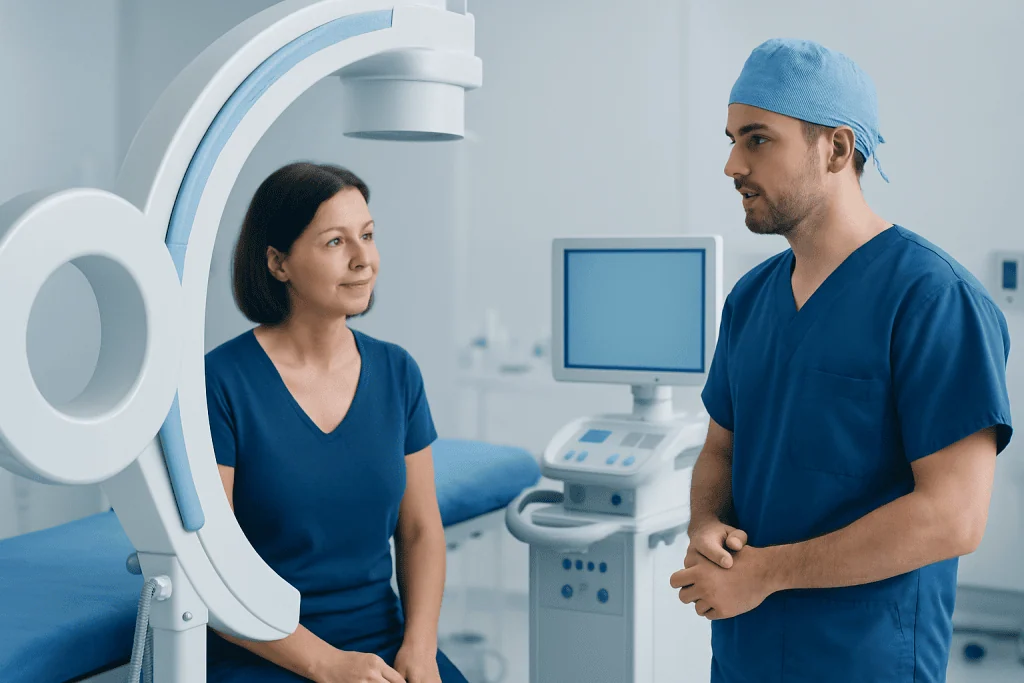
A surgical plan starts with the diagnosis. The team reviews imaging, biopsy findings and the cancer’s size, location, type, grade and receptor status. They also consider whether there is more than one area of cancer, whether lymph nodes appear involved, prior chest radiation, previous breast surgery, inherited cancer-risk gene changes, overall health and the person’s values about breast preservation and reconstruction.
Breast-conserving surgery may be suitable when the surgeon can remove the cancer with a clear margin of normal tissue and preserve a breast shape that is acceptable to the patient. Mastectomy may be advised when cancer is extensive or present in several areas, when radiation is not appropriate, when margins remain positive after attempts at breast conservation, or when a person prefers this option. A preventive mastectomy may also be discussed for some people at very high inherited risk, although it is not required for everyone with a family history.
Some people receive systemic treatment before surgery, called neoadjuvant therapy. This can shrink a tumor and may make breast-conserving surgery possible or reduce the amount of lymph node surgery needed. A plastic surgeon can discuss immediate reconstruction, delayed reconstruction or choosing no reconstruction, sometimes called aesthetic flat closure. These are personal decisions, and there is usually time to ask questions and consider options unless urgent surgery is needed.
How Breast Cancer Surgery Works: Step by Step

Before surgery, the patient has a preoperative assessment that reviews medical conditions, medicines, allergies and anesthesia needs. Blood tests or other assessments may be arranged when appropriate. If a tumor cannot be felt, imaging guidance may be used before surgery to place a marker or localization device so the surgeon can accurately identify the area.
On the day of surgery, anesthesia is given so the patient does not feel the operation. During lumpectomy, the surgeon removes the tumor and a margin of surrounding tissue through an incision planned to support healing and appearance where possible. The tissue is sent to pathology, which confirms the diagnosis and examines the margins. If cancer cells are found at an edge of the removed tissue, another operation may sometimes be recommended.
During mastectomy, the surgeon removes breast tissue, and in selected cases may preserve skin or the nipple for reconstruction. Sentinel lymph node biopsy is often performed to check the first lymph nodes that drain the breast. A small amount of tracer, dye or both helps identify these nodes. If cancer is found in lymph nodes, the team considers whether further surgery, radiation or systemic therapy is most appropriate. Breast cancer surgery may therefore involve breast surgery alone or a combination of breast, lymph node and reconstructive procedures.
When reconstruction is chosen, it may use an implant, tissue taken from another part of the body, or staged techniques with tissue expanders. Reconstruction can take place during the mastectomy or later, especially if further cancer treatment could influence healing or the reconstruction choice. The final pathology report helps the team recommend the next steps.
Benefits, Limitations and Possible Risks
The major benefit of surgery is removal of known cancer from the breast and, when indicated, assessment or treatment of nearby lymph nodes. Surgery also provides detailed pathology information that can clarify stage and guide additional treatment. Breast-conserving surgery can retain much of the natural breast, while mastectomy may be preferred by some people because of the extent of disease, risk factors or personal comfort with the approach.
No procedure is free of risk. Possible early complications include bleeding, infection, fluid collection called a seroma, bruising, delayed wound healing, numbness, scarring and changes in breast shape or sensation. After lymph node surgery, there can be shoulder stiffness, numbness in the underarm or arm, and lymphedema, which is swelling caused by impaired lymph drainage. The risk and severity depend on the type and extent of surgery and whether radiation is also used.
Reconstruction has its own potential complications, including infection, wound problems, loss of an implant or flap, firmness around an implant, changes in symmetry and need for later revision procedures. The surgeon explains individual risks in the context of the planned operation. Early, gentle shoulder exercises and referral to physiotherapy or lymphedema services can support mobility and function after surgery.
Recovery Timeline and What to Do After Breast Cancer Surgery
Recovery after a lumpectomy is often shorter than recovery after mastectomy, but individual timelines vary. Many people go home the same day after lumpectomy and may resume light daily activities within days, while avoiding strenuous exercise and heavy lifting until cleared. Mastectomy may require an overnight stay or more, particularly when reconstruction is performed. Drains may be used to remove fluid and are usually removed after output has decreased.
What to do after breast cancer surgery includes following wound and drain instructions, taking medicines exactly as directed, attending follow-up appointments, and gradually increasing activity. Short walks can help circulation and energy, while regular gentle arm and shoulder movement may reduce stiffness. Patients should avoid driving while taking sedating pain medicine or until they can safely perform an emergency stop and are comfortable with the seatbelt.
Return to work depends on the procedure, the physical demands of the job, fatigue, emotional recovery and additional treatments. Some people return after a shorter recovery following lumpectomy, whereas mastectomy commonly needs several weeks away from work. Mastectomy with reconstruction may require more time, particularly for physically demanding work. The surgical team can provide individualized guidance and work documentation.
After surgery, pathology results are reviewed at follow-up. The care team may recommend radiation, systemic treatment, further surgery or surveillance, depending on the results. If medical records are needed for a second opinion or continuity of care, patients can request operative notes, pathology reports, imaging reports and discharge instructions through the relevant hospital or surgery center medical records department.
What Is the Best Way to Sleep After Mastectomy Surgery?
After mastectomy surgery, many people are most comfortable sleeping on their back with the upper body slightly elevated. A recliner or a wedge pillow can reduce pulling at the incision and make it easier to get in and out of bed. Pillows beside the body or beneath the arms may provide support, especially after reconstruction or lymph node surgery.
Sleeping on the operated side is usually uncomfortable early in recovery and should be avoided until the surgical team says it is safe. Stomach sleeping is generally not comfortable after breast surgery, particularly after reconstruction. The safest position varies according to the procedure, drains and healing progress, so the patient should follow the specific instructions given by the surgeon.
Good sleep may also be supported by taking prescribed pain relief as advised, limiting caffeine late in the day and asking for help with repositioning if needed. Persistent insomnia, severe anxiety or pain that prevents rest should be discussed with the care team, as these concerns can often be addressed.
How Long Do You Have to Take Off Work for a Mastectomy and Reconstruction?
There is no single return-to-work date after mastectomy and reconstruction. Many patients need several weeks away from work, and recovery may be longer when reconstruction uses tissue from another area of the body, when complications occur, or when work involves lifting, repetitive arm movements or physical labor. A desk-based role may sometimes allow an earlier, gradual return if pain and fatigue are controlled.
Follow-up treatment can also affect planning. Radiation therapy, chemotherapy or other treatments may add appointments, fatigue or side effects that influence work capacity. Patients can ask their surgeon, reconstruction team and oncology nurse about reasonable activity limits, timing for driving, and whether a phased return is possible.
It is reasonable to plan for flexibility rather than relying on a fixed date. Employers may require a medical certificate or restrictions related to lifting and arm use. The clinical team can provide individualized advice based on healing, drain removal, job demands and the treatment plan.
How Painful Is a Mastectomy and When to Seek Medical Care
Mastectomy causes soreness, tightness and tenderness, particularly during the first days after surgery, but pain is usually managed with a planned combination of approaches. These may include anesthesia techniques used during surgery, prescribed medicines, non-drug comfort measures and gradual movement. Numbness or altered sensation across the chest or underarm is also common because small nerves are affected during the operation.
Most postoperative discomfort improves over time, although some people develop longer-lasting nerve-related pain or sensitivity. Early reporting of uncontrolled pain, burning sensations, shooting pain or discomfort that interferes with sleep and movement allows the team to adjust care. Pain should not be dismissed as something a person simply has to tolerate.
Patients should contact their surgical team promptly for fever, increasing redness or warmth around the wound, pus-like drainage, sudden swelling, wound opening, rapidly worsening pain, a drain problem, or swelling of the arm or hand. Urgent medical assessment is needed for chest pain, shortness of breath, fainting or symptoms of a severe allergic reaction. Acibadem International’s multidisciplinary specialists and JCI-accredited hospitals diagnose and treat breast cancer for international patients, with care plans coordinated across surgery, oncology and reconstruction when needed.
Frequently asked questions
Is lumpectomy as effective as mastectomy?
For many people with early-stage breast cancer, lumpectomy followed by radiation therapy offers survival outcomes comparable to mastectomy. The best option depends on the cancer's features, ability to obtain clear margins, suitability for radiation and personal preferences. A breast surgeon can explain which approach is appropriate in an individual case.
Will I need lymph node surgery with breast cancer surgery?
Many patients have a sentinel lymph node biopsy, which checks the first lymph nodes likely to receive drainage from the breast. More extensive node surgery is not always necessary, even when a sentinel node contains cancer. The decision is based on the cancer stage, imaging, surgery type and planned treatments.
Can breast reconstruction be done at the same time as mastectomy?
Yes, reconstruction can often be performed immediately during mastectomy, but delayed reconstruction is also a valid option. The timing depends on health, cancer treatment needs, expected radiation therapy and personal preference. Some patients choose not to have reconstruction.
How long does it take for mastectomy incisions to heal?
Initial skin healing often occurs over the first few weeks, but internal healing, swelling reduction and scar maturation take longer. Reconstruction, drains, smoking, diabetes, infection and additional treatments can affect the timeline. The surgical team should assess healing at scheduled follow-up visits.
What should I bring to my breast surgery consultation?
Bringing biopsy and pathology reports, imaging reports and image discs, a medicine list, family cancer history and a list of questions can be helpful. A support person may also help with note-taking and decision-making. Patients can ask about surgical options, reconstruction, lymph node procedures, recovery and expected follow-up treatment.
Will I need radiation after mastectomy?
Not everyone needs radiation after mastectomy. It may be recommended based on factors such as tumor size, lymph node involvement, surgical margins and other pathology findings. Radiation oncologists review these details with the wider breast cancer team.
References
- National Cancer Institute
- American Cancer Society
- American Society of Breast Surgeons
- Centers for Disease Control and Prevention
- National Comprehensive Cancer Network
This article is for general information only and is not a substitute for professional medical advice. Please consult a qualified doctor about your individual situation.
Breast Cancer in Turkey — costs, top hospitals & a free quote
JCI-accredited · board-certified surgeons · reply within 24h
Add us as a Preferred Source to see more of our trusted health content across Google Search, AI Overviews and Discover.

Medical Oncology Department
Medical treatment of cancer with chemotherapy, immunotherapy and targeted therapies under a multidisciplinary tumor board.
60 specialists in this unit