Radioiodine Therapy Cost: What Patients Really Pay

Radioiodine treatment uses iodine-131 to target thyroid tissue and is used for selected thyroid cancers and hyperthyroidism. Total costs may include consultations, preparation, laboratory testing, scans, the treatment dose, isolation arrangements and follow-up.
Key Takeaways
- Radioiodine treatment uses iodine-131 to target thyroid tissue and is used for selected thyroid cancers and hyperthyroidism.
- Total costs may include consultations, preparation, laboratory testing, scans, the treatment dose, isolation arrangements and follow-up.
- Eligibility, dose and whether treatment is outpatient or requires a monitored stay affect the care plan and expected charges.
- Most people resume usual activities gradually, but temporary radiation-safety measures and follow-up blood tests are important.
- Radioiodine commonly leads to an underactive thyroid, which is treatable with long-term thyroid hormone replacement.
Radioiodine therapy cost is not a single fixed amount because the final bill can include specialist evaluation, laboratory tests, imaging, the radioactive iodine dose, radiation-safety arrangements and follow-up care. A written, itemized estimate from the treating center is the most reliable way to understand expected costs and insurance coverage before treatment.
Radioiodine Therapy Cost: What Is Included?
Radioiodine therapy cost varies according to the condition being treated, the amount of radioactive iodine needed, local regulations and the services included in the treatment plan. There is no clinically meaningful single price for all patients. A person receiving treatment for an overactive thyroid may need a different preparation and dose from someone receiving radioiodine after thyroid cancer surgery.
When asking about radioactive iodine therapy cost for humans, it is helpful to request an itemized estimate rather than focusing only on the medicine itself. The estimate may include endocrine or oncology consultations, blood tests, pregnancy testing when appropriate, imaging or uptake studies, medication planning, the iodine-131 dose, radiation-safety counseling, facility use and scheduled follow-up visits.
For people researching radioactive iodine treatment cost in USA or in another country, insurance rules, hospital billing practices, professional fees and whether an overnight monitored stay is required can all differ. Those considering radioactive iodine therapy cost without insurance should ask the center about self-pay estimates, what is excluded, payment timing and the likely costs of follow-up care. Coverage decisions should be confirmed directly with the insurer and treatment provider.
- Ask whether diagnostic scans and laboratory work are included.
- Clarify whether outpatient treatment is suitable or a hospital stay may be needed.
- Request information about follow-up visits, thyroid hormone monitoring and any additional scans.
- Ask for separate estimates if surgery, imaging or specialist review is also being considered.
How Radioiodine Therapy Works
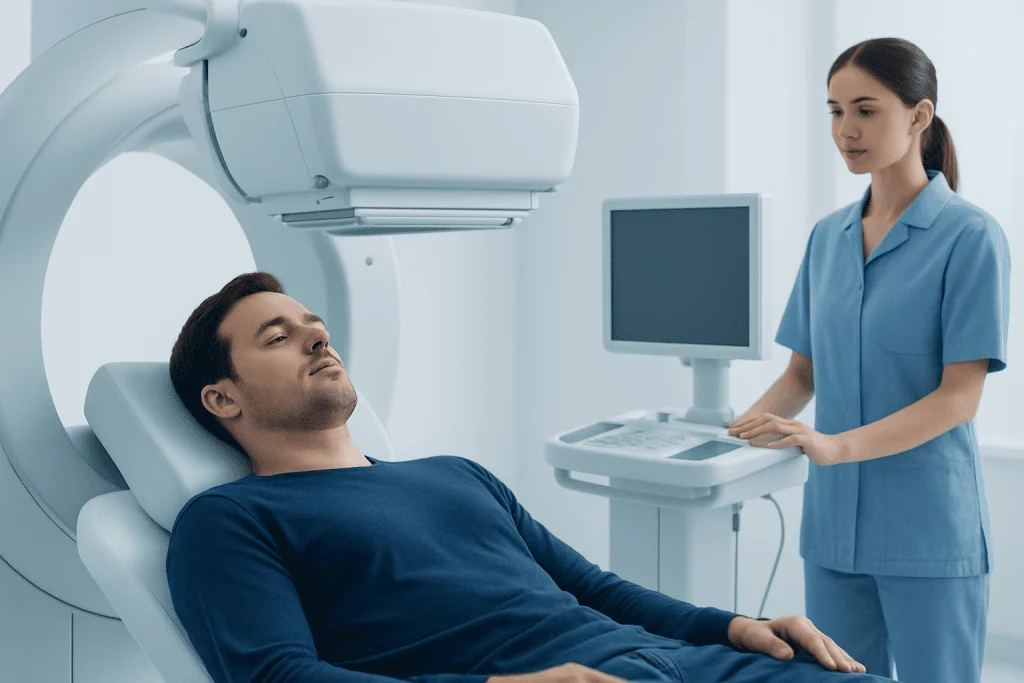
Radioiodine therapy uses iodine-131, a radioactive form of iodine that is taken by mouth, usually as a capsule or liquid. Thyroid cells naturally absorb iodine to make thyroid hormones. Once absorbed, iodine-131 delivers focused radiation that damages or destroys targeted thyroid cells while limiting exposure to most other tissues.
In hyperthyroidism, radioiodine is used to reduce overactive thyroid tissue and lower excessive hormone production. It may be an option for some people with Graves' disease or toxic thyroid nodules. In differentiated thyroid cancer, it may be used after surgery to treat remaining thyroid tissue or microscopic cancer cells when the clinical team believes the likely benefit outweighs the risks.
The treatment effect is gradual rather than immediate. In an overactive thyroid, hormone levels may take weeks to months to settle. After thyroid cancer treatment, clinicians use blood tests and sometimes imaging over time to assess response. The decision to use radioiodine is individualized and is not necessary for every thyroid condition or every thyroid cancer.
Who May Be a Candidate for Treatment?

Candidacy depends on the diagnosis, thyroid function, imaging findings, prior treatments, age, general health and personal circumstances. Endocrinologists and nuclear medicine specialists commonly assess people with persistent or recurrent hyperthyroidism, those who cannot use antithyroid medicines safely, or those for whom surgery is not preferred or suitable. For thyroid cancer, the pathology report, cancer stage, recurrence risk and surgical results guide the decision.
Radioiodine is not given during pregnancy or breastfeeding because iodine-131 can affect fetal or infant thyroid tissue. Pregnancy testing is generally required before treatment for people who could become pregnant, and clinicians provide individualized guidance on postponing pregnancy or fathering a child after therapy. Breastfeeding must be stopped before treatment; the care team can explain whether and when future breastfeeding may be possible.
Some patients need additional preparation before treatment. This can include adjusting thyroid medicines, following a short-term low-iodine diet, or receiving thyroid-stimulating hormone stimulation in certain thyroid cancer pathways. People with active or moderate-to-severe thyroid eye disease need careful assessment because radioiodine can worsen eye symptoms in some circumstances. Alternative management, preventive medicines or referral to an eye specialist may be appropriate.
What Happens During Radioiodine Treatment?
Before treatment, the clinical team reviews the diagnosis, medicines, allergies, recent iodine exposure and relevant test results. Iodine-containing supplements, some heart medicines, contrast dye from certain scans and foods high in iodine can affect thyroid iodine uptake, so patients should only make medication or diet changes under medical guidance. The team also explains radiation precautions and provides written instructions suited to the planned dose and local regulations.
On the day of treatment, the patient swallows the prescribed iodine-131 capsule or liquid. The procedure itself is usually painless and does not require anesthesia. Depending on the dose, diagnosis and national radiation-safety rules, treatment may take place as an outpatient visit or involve temporary isolation in a designated hospital room.
After leaving the treatment area, the body gradually clears unused radioiodine through urine, saliva, sweat and stool. For a limited period, patients may be asked to keep distance from others, sleep separately, avoid prolonged close contact with children or pregnant people, use careful hand hygiene, drink fluids if medically appropriate and follow toilet and laundry instructions. The precise duration and details vary, so the center’s instructions should take priority.
For thyroid cancer care, radioiodine may be part of a broader plan that includes surgery, pathology review and long-term hormone management. Patients can learn more about thyroid cancer treatment options when discussing whether radioiodine is appropriate in their individual case.
Recovery Timeline, Benefits and Possible Risks
Most people feel well enough to return home after outpatient treatment, although fatigue or mild nausea can occur. Temporary changes in taste, dry mouth, neck tenderness or salivary gland discomfort are possible. Sucking sugar-free sour candies may be recommended at a particular time after treatment for some patients, but this should only be done if the clinical team advises it.
For hyperthyroidism, thyroid hormone levels are monitored over the following weeks and months. Symptoms may improve gradually, but some people need temporary medication while hormone levels stabilize. A common intended long-term outcome is hypothyroidism, or an underactive thyroid. This is managed with daily thyroid hormone replacement and periodic blood tests.
After treatment for thyroid cancer, monitoring may include thyroglobulin blood tests, thyroid-stimulating hormone measurements, neck ultrasound and, in selected cases, whole-body scanning. The benefits and risks are weighed carefully because treatment may reduce the amount of remaining thyroid tissue or help manage disease that takes up iodine, while also causing short- or long-term side effects.
Patients should tell the team promptly about persistent vomiting, inability to drink fluids, marked neck swelling, significant eye pain or vision changes, or symptoms that are severe or concerning. Longer-term concerns, including effects on salivary glands and fertility planning, should be discussed before treatment so that the person can make an informed decision.
What Is Life Like After Radioactive Iodine Treatment for Thyroid Cancer?
Life after radioactive iodine treatment for thyroid cancer is often defined by a short period of radiation-safety precautions followed by regular follow-up rather than ongoing day-to-day restriction. For several days, or sometimes longer depending on the dose and local guidance, patients limit close contact with others and follow hygiene instructions. Once those precautions end, many people return to work, family life and normal routines as they feel able.
Long-term care usually includes levothyroxine, a thyroid hormone replacement medicine, because the thyroid has been removed or its function has been intentionally reduced. The dose is adjusted using blood tests and may be managed differently depending on a person’s cancer risk and treatment response. Follow-up appointments are important even when a person feels well, as they allow the team to monitor hormone levels and signs of recurrence.
Emotional adjustment can also take time. Some people feel reassured after completing treatment, while others find follow-up testing stressful. Questions about fatigue, weight changes, fertility, work, travel or family contact are appropriate to bring to the endocrinology and oncology team. Clear individualized advice can make the recovery period more manageable.
Do You Still Have Graves' Disease After Radioactive Iodine Treatment?
Radioiodine treatment can treat the overactive thyroid caused by Graves’ disease, but it does not always remove the underlying autoimmune tendency. Graves’ disease occurs when antibodies stimulate the thyroid gland. Radioiodine reduces or destroys thyroid tissue, so it can stop the gland from producing too much hormone, but the antibodies may remain detectable for some time.
Many people develop hypothyroidism after radioiodine and then take lifelong thyroid hormone replacement. This is an expected treatment outcome rather than a sign that treatment has failed. Regular blood tests are needed because hormone levels can change as the thyroid response develops.
Graves’ eye disease requires separate attention. Radioiodine may worsen eye symptoms for some people, especially those who smoke or have active eye disease. An endocrinologist may recommend other treatment approaches, protective medication or specialist eye care depending on the person’s situation.
When to Seek Medical Care
Medical review is important for symptoms that may suggest an overactive or underactive thyroid, such as a persistent fast heartbeat, tremor, unexplained weight change, heat or cold intolerance, significant tiredness, bowel changes, neck swelling or new eye irritation. These symptoms have many possible causes, but a clinician can arrange appropriate thyroid testing and explain the results.
Urgent medical assessment is appropriate for severe chest pain, trouble breathing, fainting, severe confusion, rapidly worsening neck swelling, severe eye pain or sudden changes in vision. Anyone who may be pregnant, is breastfeeding or is planning pregnancy should speak with their healthcare professional before radioiodine is scheduled.
A multidisciplinary team can help patients weigh radioiodine against medicine, surgery and surveillance when relevant. Acibadem International’s multidisciplinary specialists and JCI-accredited hospitals diagnose and treat thyroid conditions for international patients, including through radioactive iodine treatment when clinically indicated.
Frequently asked questions
What affects radioiodine therapy cost?
The expected cost depends on the diagnosis, planned iodine-131 dose, required tests, specialist consultations, facility arrangements and follow-up monitoring. Local regulations may also determine whether treatment can be provided as an outpatient service or needs a temporary monitored stay. An itemized estimate from the treating center is the clearest way to compare plans.
Does health insurance cover radioactive iodine therapy?
Coverage varies by insurance policy, diagnosis, prior authorization requirements and where treatment is delivered. Patients should ask both their insurer and treatment center whether consultations, nuclear medicine services, laboratory tests, scans and follow-up are covered. Written confirmation can help clarify expected out-of-pocket responsibility.
How long does radioactive iodine stay in the body?
Most unused radioiodine leaves the body during the first several days, mainly through urine. Small amounts may remain longer, and the thyroid continues to receive the intended treatment effect over time. The treatment team provides individualized instructions for contact with others, hygiene and travel.
Is radioiodine therapy painful?
Swallowing the capsule or liquid is usually painless and does not require surgery or anesthesia. Some people have temporary nausea, taste changes, dry mouth or tenderness around the salivary glands. The care team can explain ways to manage side effects and when to report symptoms.
Can radioactive iodine cure hyperthyroidism?
Radioiodine can provide definitive treatment for many causes of hyperthyroidism by reducing the amount of hormone-producing thyroid tissue. However, it commonly results in hypothyroidism, which requires long-term thyroid hormone replacement. Some people need additional treatment if thyroid overactivity persists.
Can a person be around family after radioactive iodine treatment?
Yes, but temporary precautions are usually needed to reduce radiation exposure to other people. Instructions often include limiting close, prolonged contact, particularly with children and pregnant people, for a period determined by the dose and local guidance. Patients should follow their own center's written instructions because recommendations differ.
References
- American Thyroid Association
- International Atomic Energy Agency
- National Cancer Institute
- Society of Nuclear Medicine and Molecular Imaging
- National Institute of Diabetes and Digestive and Kidney Diseases
This article is for general information only and is not a substitute for professional medical advice. Please consult a qualified doctor about your individual situation.
Explore treatments in Turkey — costs, top hospitals & a free quote
JCI-accredited · board-certified surgeons · reply within 24h
Add us as a Preferred Source to see more of our trusted health content across Google Search, AI Overviews and Discover.