Encephalitis Specialist: An Evidence-Based Patient Guide

Encephalitis is inflammation of the brain, most often related to an infection or an immune-system reaction. A neurologist commonly leads care, but treatment usually requires a multidisciplinary hospital team.
Key Takeaways
- Encephalitis is inflammation of the brain, most often related to an infection or an immune-system reaction.
- A neurologist commonly leads care, but treatment usually requires a multidisciplinary hospital team.
- Tests may include brain imaging, blood tests, electroencephalography and analysis of cerebrospinal fluid.
- Treatment begins urgently when encephalitis is suspected and is tailored as test results clarify the cause.
- Recovery varies widely; rehabilitation and follow-up can help address ongoing physical, cognitive or emotional effects.
An encephalitis specialist is typically a neurologist with experience in inflammatory and infectious brain conditions, supported by infectious disease, critical care, radiology and rehabilitation professionals. Because encephalitis can worsen quickly, prompt assessment in a hospital is important when symptoms suggest brain inflammation.
What Does an Encephalitis Specialist Do?
An encephalitis specialist is usually a neurologist who evaluates and manages inflammation of the brain. Encephalitis may result from a viral infection, another infection, or an autoimmune reaction in which the immune system mistakenly attacks healthy brain tissue. It is an uncommon but potentially serious condition, so care is generally provided in a hospital rather than managed at home.
The neurologist coordinates assessment of the nervous system and interprets findings from brain imaging, spinal fluid tests and electroencephalography (EEG). Depending on the suspected cause and a person’s condition, the team may also include infectious disease physicians, intensive care specialists, neuroradiologists, immunologists, psychiatrists, rehabilitation clinicians and speech or occupational therapists.
Specialist care is valuable because early symptoms can resemble influenza, migraine, confusion caused by other illnesses, or mental health changes. The goal is to identify encephalitis promptly, start appropriate treatment without unnecessary delay and provide close monitoring for seizures, breathing problems, changes in consciousness or other complications.
Encephalitis: Symptoms and Why Urgent Assessment Matters
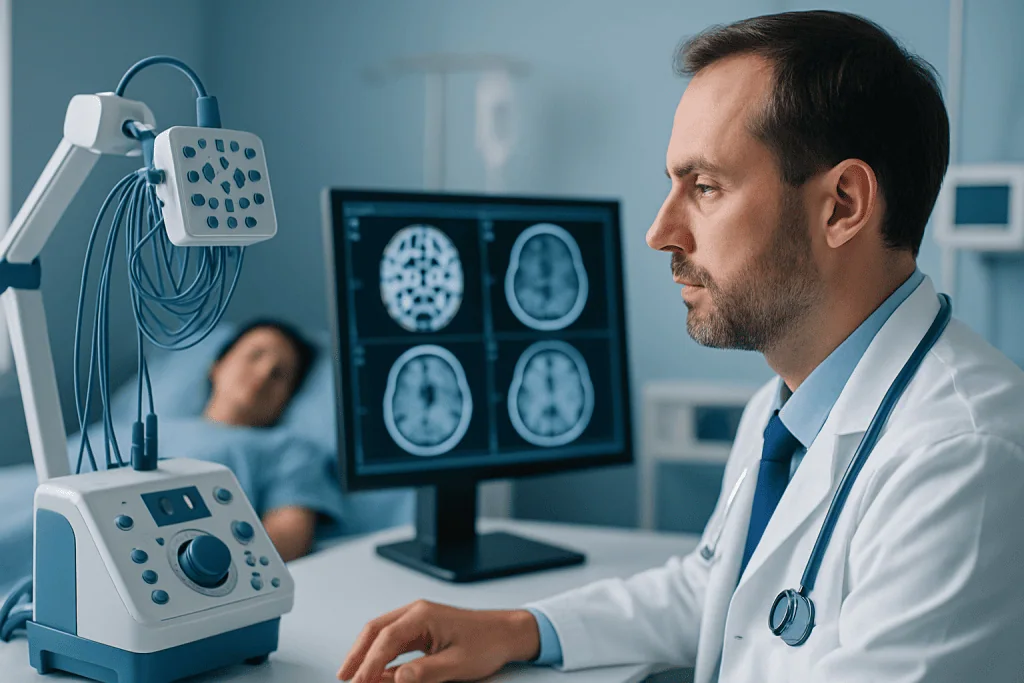
Symptoms may develop over hours, days or occasionally longer. Early features can include fever, headache, nausea, vomiting, tiredness, muscle aches or a general sense of being unwell. As inflammation affects the brain, symptoms may progress to confusion, altered behavior, problems with memory or speech, drowsiness, weakness, unsteadiness, sensitivity to light or seizures.
In infants and young children, signs may be less specific. They can include poor feeding, unusual irritability, persistent sleepiness, vomiting, a bulging soft spot on the head in infants, or seizures. Older adults and people with weakened immune systems may also have less typical presentations, including subtle confusion or reduced alertness without a marked fever.
Not every headache, fever or episode of confusion is encephalitis. However, new confusion, a seizure, marked drowsiness, new personality or behavior change, difficulty speaking, weakness, or loss of consciousness requires urgent medical assessment. These symptoms can also occur with other time-sensitive neurological conditions, including stroke, and should not be watched at home.
Causes and Risk Factors
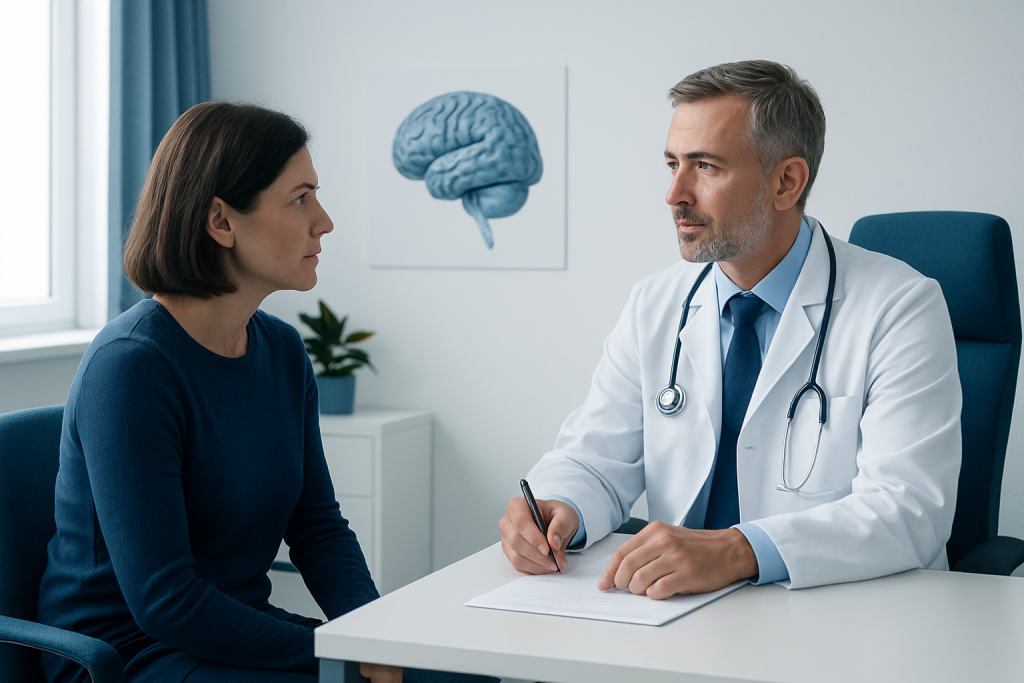
Infectious encephalitis is most often caused by viruses. Herpes simplex virus is an important cause because effective antiviral treatment is available and should be started promptly when it is suspected. Other viruses may be transmitted through respiratory droplets, mosquitoes or ticks, or may occur as part of a wider infection. Less commonly, bacteria, fungi or parasites can cause inflammation involving the brain.
Autoimmune encephalitis occurs when antibodies or immune cells target structures in the brain. It may cause memory problems, confusion, seizures, movement changes, sleep disturbance or psychiatric symptoms. In some cases, it is associated with an underlying tumor, although many people with autoimmune encephalitis do not have cancer. Careful testing helps clinicians distinguish autoimmune disease from infection and other conditions.
Anyone can develop encephalitis, but risk can be higher in very young children, older adults and people with reduced immune function. Travel history, insect or tick exposure, recent illness, vaccination history, medicines and immune-system conditions may help the specialist identify possible causes. A risk factor does not mean that a person will develop encephalitis.
How an Encephalitis Specialist Reaches a Diagnosis
Diagnosis begins with a detailed history and neurological examination. The specialist considers the timing of symptoms, recent infections, travel, exposure to insects or animals, immune status, medicines and changes in behavior or memory reported by family members. Because altered awareness can make it difficult for a patient to give a full history, information from relatives or caregivers is often helpful.
Testing commonly includes blood tests and brain imaging, usually magnetic resonance imaging (MRI) when appropriate. A lumbar puncture, also called a spinal tap, may be used to collect cerebrospinal fluid. This fluid can be tested for signs of inflammation, viruses, bacteria and autoimmune antibodies. The procedure is performed with sterile technique and local anesthetic; a clinician first reviews whether imaging or other safety checks are needed.
An EEG records the brain’s electrical activity and can identify seizures that may not cause visible shaking. Additional tests may include cultures, antibody studies, chest or body imaging, or cancer screening when autoimmune encephalitis is suspected. Results may arrive at different times, so treatment is often started based on the clinical picture while testing continues.
- Brain imaging helps identify inflammation and rule out some alternative causes of symptoms.
- Cerebrospinal fluid testing can provide important evidence of infection or autoimmunity.
- EEG helps assess seizures and altered consciousness.
- Repeat examinations and tests may be needed as the illness evolves.
Treatment: How Specialist-Led Care Works
There is no single procedure that treats every type of encephalitis. Instead, treatment is a coordinated process that begins with stabilizing the patient and addressing likely causes. People with significant confusion, seizures, breathing difficulty or reduced consciousness may need close observation in a high-dependency or intensive care setting.
When herpes simplex encephalitis is possible, clinicians generally begin intravenous antiviral medicine urgently while laboratory results are pending. If bacterial infection is considered, antibiotics may also be started. For confirmed or strongly suspected autoimmune encephalitis, treatment may involve medicines that reduce harmful immune activity, such as corticosteroids, intravenous immunoglobulin, plasma exchange or other immune therapies. The exact approach depends on the cause, test results, age, medical history and severity of illness.
Supportive care is equally important. It may include antiseizure medicines, fluids and nutritional support, fever management, prevention of complications from limited mobility and help with breathing if needed. If investigations identify a contributing tumor or another underlying condition, specialists discuss treatment options tailored to that finding.
For international patients, Acibadem International’s multidisciplinary specialists and JCI-accredited hospitals can assess and treat encephalitis with coordinated neurological, infectious disease, critical care and rehabilitation support. Decisions about testing and treatment should always be made with a qualified medical team, particularly because symptoms and causes can differ substantially between individuals.
Candidacy, Hospital Steps and Recovery Timeline
There is no elective “candidacy” process for encephalitis treatment: anyone with symptoms and test findings that raise concern for brain inflammation needs timely medical evaluation. Admission is more likely when a person has altered consciousness, seizures, significant neurological symptoms, an abnormal spinal fluid result, or needs intravenous treatment and observation. Some people require intensive care, while others can be cared for on a neurology ward.
The usual hospital pathway involves immediate assessment, blood tests and imaging, followed by lumbar puncture when safe and clinically appropriate. Initial medicines may begin before every result is available. The specialist then reviews evolving laboratory, imaging and EEG findings, adjusts treatment to the likely cause, monitors for complications and coordinates consultations with other relevant teams.
Recovery is highly individual. Some people improve over days to weeks once the cause is treated, while others need months of rehabilitation. Tiredness, slowed thinking, memory difficulties, mood changes, headaches, balance problems and seizures can persist after discharge. Follow-up may include neurology visits, repeat imaging or EEG, medication review and cognitive, physical, occupational or speech therapy.
The potential benefit of early specialist care is timely treatment of reversible causes and careful management of complications. Possible treatment-related risks depend on the therapy used and may include medication reactions, infection risk with immune-suppressing treatment, bleeding or low blood pressure during some procedures, or side effects from antiseizure medicines. The treating team explains expected benefits, alternatives and monitoring in the individual situation.
When to Seek Medical Care
Emergency medical care is needed for a seizure, fainting or loss of consciousness, severe confusion, rapidly worsening drowsiness, new weakness, difficulty speaking, severe headache with fever, or unusual behavior accompanied by illness. Emergency services should be contacted rather than driving a person who is confused, very drowsy or having a seizure to hospital.
Prompt same-day medical advice is also appropriate for a new severe headache with fever, persistent vomiting, a stiff neck, marked changes in memory or behavior, or new neurological symptoms after a recent infection, travel or insect bite. These symptoms do not always indicate encephalitis, but a clinician can determine whether urgent testing is necessary.
After hospital discharge, families should seek medical advice if seizures recur, alertness worsens, confusion returns, fever develops, medication side effects are concerning, or rehabilitation needs increase. Keeping follow-up appointments is important, as some effects of encephalitis become clearer during recovery.
Frequently asked questions
Which doctor should a person see for encephalitis?
A neurologist usually leads the assessment and treatment of encephalitis because the condition affects the brain. Infectious disease specialists are commonly involved when infection is suspected, while intensive care, immunology and rehabilitation professionals may also contribute to care.
Can encephalitis be treated?
Many causes of encephalitis can be treated or supported, and the most suitable treatment depends on the underlying cause. Antiviral medicines, antibiotics, immune therapies, seizure treatment and supportive hospital care may all be used in different situations.
How quickly should encephalitis treatment begin?
Treatment should begin urgently when encephalitis is suspected, especially if herpes simplex virus or another treatable infection is possible. Doctors may start treatment before all test results return because waiting can increase the risk of complications.
What tests does an encephalitis specialist use?
Common tests include a neurological examination, blood tests, MRI or CT imaging, a lumbar puncture and an EEG. The exact combination depends on the symptoms, clinical stability and possible causes.
Can a person recover fully from encephalitis?
Some people make a full recovery, particularly with early diagnosis and appropriate treatment, but recovery differs greatly between individuals. Others have ongoing issues such as fatigue, memory changes, seizures, emotional changes or difficulty with movement, and may benefit from rehabilitation.
Is encephalitis contagious?
Encephalitis itself is not generally spread from person to person. However, some infections that can lead to encephalitis may be contagious, so clinicians may recommend precautions depending on the suspected cause.
References
- World Health Organization
- Centers for Disease Control and Prevention
- National Institute of Neurological Disorders and Stroke
- Infectious Diseases Society of America
- Encephalitis International
This article is for general information only and is not a substitute for professional medical advice. Please consult a qualified doctor about your individual situation.
Explore treatments in Turkey — costs, top hospitals & a free quote
JCI-accredited · board-certified surgeons · reply within 24h
Add us as a Preferred Source to see more of our trusted health content across Google Search, AI Overviews and Discover.