Chemo for Sarcoma Cancer: How It Works, Results and What to Expect
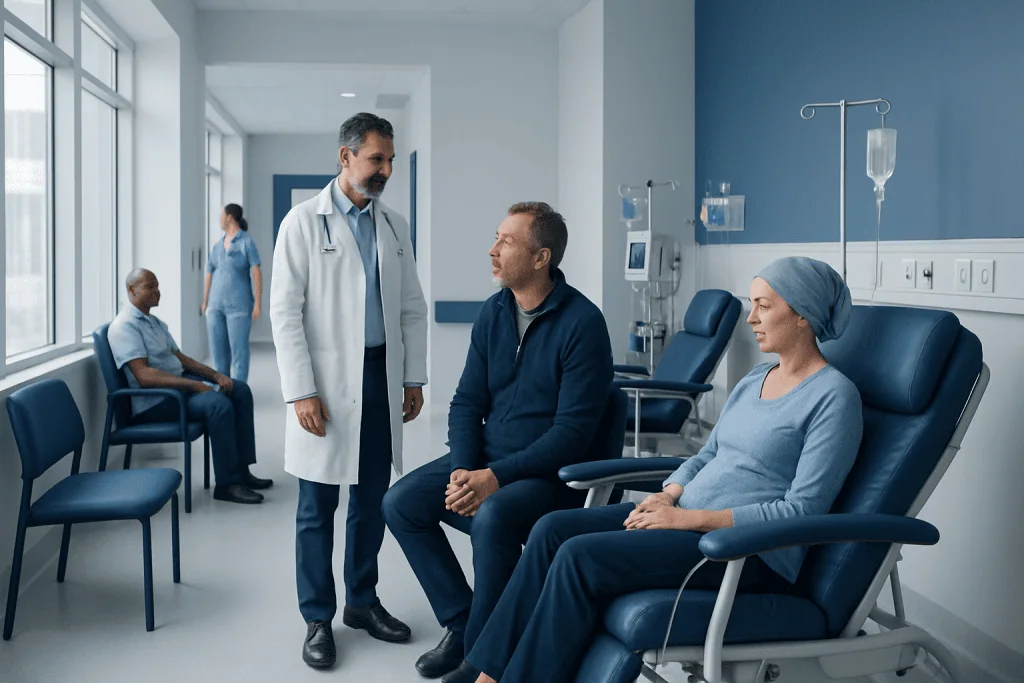
Chemotherapy is useful for some, but not all, sarcoma types; the treatment plan depends strongly on the exact diagnosis and stage. It may be given before surgery to shrink a tumor, after surgery to lower recurrence risk, or for advanced disease to control growth and symptoms.
Key Takeaways
- Chemotherapy is useful for some, but not all, sarcoma types; the treatment plan depends strongly on the exact diagnosis and stage.
- It may be given before surgery to shrink a tumor, after surgery to lower recurrence risk, or for advanced disease to control growth and symptoms.
- Treatment is delivered in cycles, with rest periods that allow healthy cells and blood counts to recover.
- Side effects vary by medicine and are actively monitored; early reporting helps the care team treat symptoms safely.
- Sarcoma care is best planned by a multidisciplinary team with experience in pathology, surgery, medical oncology and radiotherapy.
Chemo for sarcoma cancer uses medicines that circulate through the bloodstream to destroy or slow the growth of cancer cells. It may be used before or after surgery, with radiotherapy in selected cases, or to control sarcoma that has spread or cannot be removed safely.
Chemo for Sarcoma Cancer: An Overview
Chemo for sarcoma cancer is systemic treatment: medicines travel through the bloodstream to reach cancer cells throughout the body. It can help shrink certain sarcomas, reduce the chance of cancer returning in selected situations, or slow cancer that cannot be removed with surgery or has spread to other organs. Its role differs widely because sarcoma is not one disease but a large group of tumors arising in bone, muscle, fat, nerves, blood vessels and other connective tissues.
Some sarcomas are particularly sensitive to chemotherapy, while others respond less often. For this reason, a pathologist’s precise diagnosis, including the tumor subtype and molecular features when relevant, is central to planning care. Chemotherapy is commonly combined with surgery, radiotherapy, or both, but it is not automatically needed for every person with sarcoma.
The aims of treatment should be discussed clearly before it begins. In localized disease, the aim may be cure or reducing the risk of recurrence. In metastatic or unresectable disease, chemotherapy may control tumor growth, ease symptoms, and help preserve quality of life. The care plan is reviewed over time and can change according to scan results, side effects and the person’s goals.
How Chemotherapy Works in Sarcoma
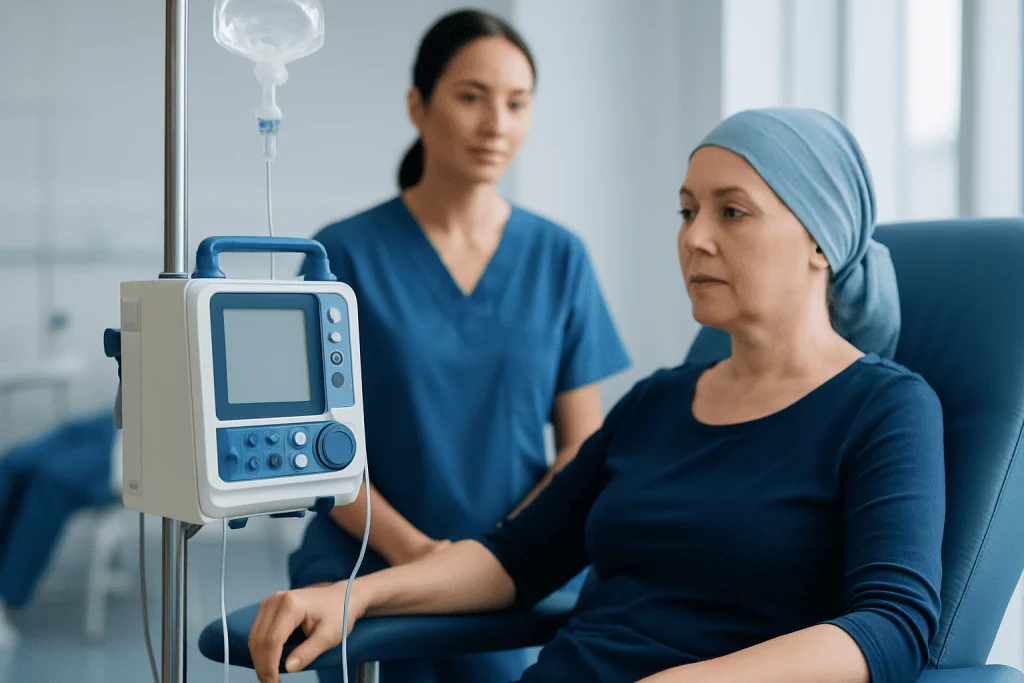
Chemotherapy medicines interfere with the ability of cancer cells to divide, repair damage or survive. Because they circulate in the blood, they may also affect cancer cells that are too small to be seen on imaging. Different medicines work in different ways, and combinations are sometimes used when the likely benefit outweighs the added side effects.
For many soft tissue sarcomas, treatment may include medicines such as doxorubicin, alone or in combination with another drug in carefully selected patients. Certain subtypes may have different preferred medicines. Bone sarcomas, including osteosarcoma and Ewing sarcoma, are generally treated with structured multi-drug chemotherapy protocols as an important part of care.
Before treatment, the team confirms the sarcoma subtype and assesses factors such as tumor grade, size, location, stage, organ function, age, general health and previous treatments. In some cases, additional molecular testing can help identify whether a targeted medicine, immunotherapy trial, or another approach may be appropriate. Chemotherapy is one component of sarcoma treatment, rather than a stand-alone decision.
Who May Be a Candidate for Sarcoma Chemotherapy?
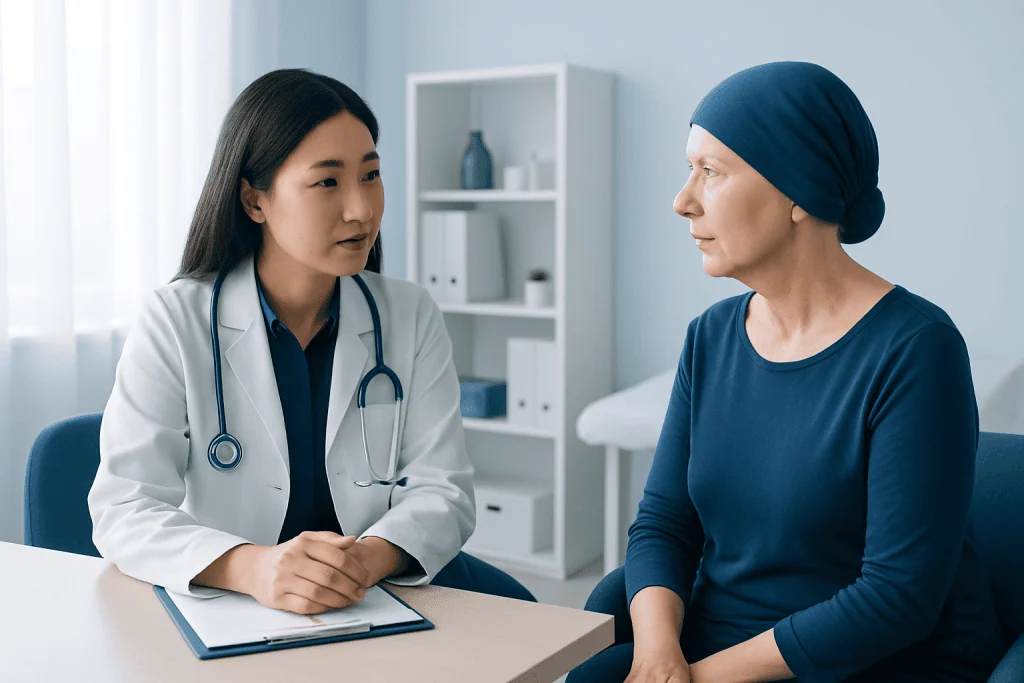
A person may be offered chemotherapy when the sarcoma is high grade, large, deep within the body, difficult to remove completely, or has spread. It may also be considered when scans suggest a meaningful risk that cancer cells could have traveled beyond the original tumor. However, low-grade and small localized soft tissue sarcomas can often be treated successfully with surgery, with or without radiotherapy, without chemotherapy.
Neoadjuvant chemotherapy is given before surgery. Its possible purposes are to shrink a tumor, make surgery more feasible, and show how the cancer responds to medicines. Adjuvant chemotherapy is given after surgery to address possible microscopic cancer cells and may be considered for selected higher-risk cases. Palliative chemotherapy is used when cure is not currently possible, with the focus on cancer control and symptom relief.
Candidacy also depends on practical safety factors. The oncology team reviews heart, kidney and liver function, blood counts, infection risk, fertility wishes, pregnancy status where relevant, and other medicines. A sarcoma multidisciplinary team—including medical oncologists, surgical oncologists or orthopedic oncologists, radiation oncologists, radiologists and specialist pathologists—can help ensure that recommendations match the individual tumor and person.
What Happens During Chemotherapy Treatment?
Before the first cycle, patients usually have a consultation, physical examination, blood tests and a review of imaging and pathology. The team explains the proposed regimen, expected benefits, important risks, ways to contact the clinic, and supportive medicines that may help prevent nausea or other side effects. Depending on the medicine and expected duration, a central venous access device may be recommended to make intravenous treatment safer and more comfortable.
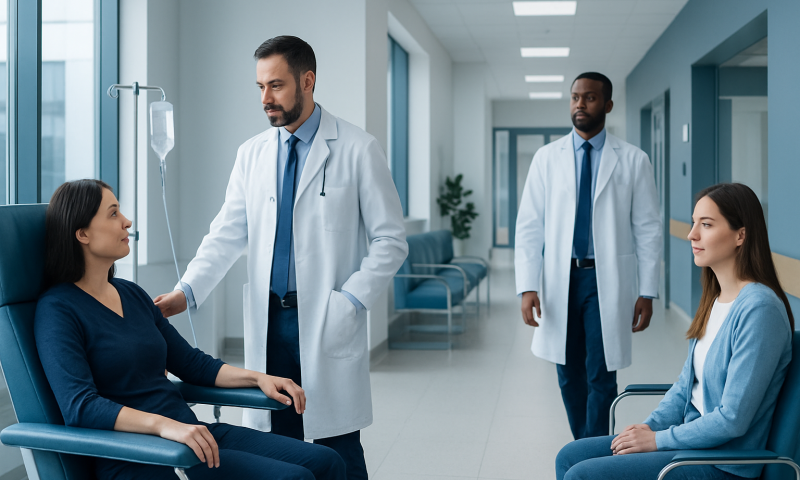
Many chemotherapy medicines are given through a vein in an outpatient infusion unit; some require a longer infusion or a short hospital stay. Treatment is organized into cycles. A cycle includes days on which medicine is given and a recovery interval before the next cycle. Blood tests are repeated before many cycles to check blood counts and organ function, and the dose or schedule may be adjusted if needed.
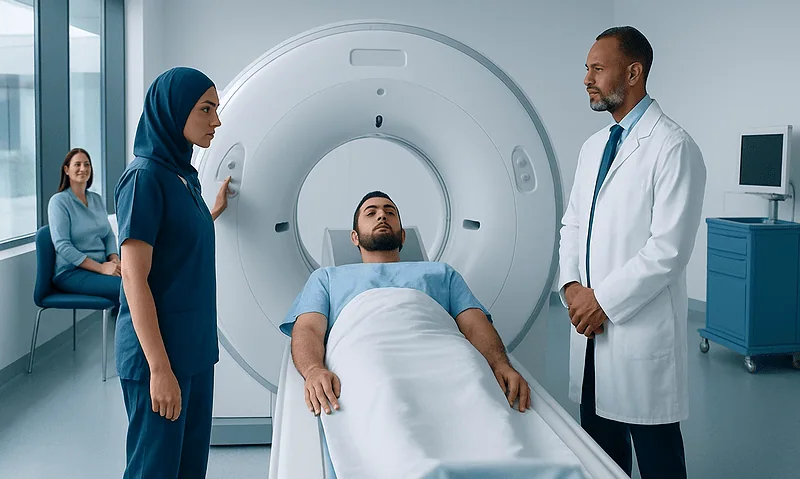
During treatment, the care team checks symptoms, weight, nutrition, temperature concerns and any signs of treatment complications. Scans are performed at planned intervals to assess response. A tumor may shrink, remain stable, grow despite treatment, or respond differently in different areas; these results guide the next decision. Patients should not change or stop prescribed supportive medicines without speaking with their oncology team.
- Ask which side effects require an urgent phone call.
- Keep a list of medicines, supplements and symptoms to review at appointments.
- Discuss work, travel, family support and fertility preservation before treatment starts when possible.
Benefits, Risks and Recovery Timeline
The potential benefit of chemotherapy depends on the sarcoma subtype and treatment setting. When used before surgery, it may reduce tumor size and help guide later treatment decisions. When used after surgery in selected patients, it may lower the risk of recurrence. For advanced sarcoma, it may reduce tumor burden or keep the cancer stable for a period of time. No treatment can promise a specific response, so the likely benefits should be weighed against the possible burdens.
Common side effects can include tiredness, nausea, reduced appetite, mouth soreness, hair loss, bowel changes, and temporary lowering of blood cell counts. Low white blood cell counts can increase infection risk; low red blood cell counts can contribute to fatigue or breathlessness; and low platelets can increase bruising or bleeding. Specific medicines can also affect the heart, kidneys, nerves, bladder, lungs or fertility, which is why monitoring is individualized.
Recovery is gradual and varies by regimen. Some symptoms improve in the days after each infusion, while fatigue can build across cycles. Blood counts often recover during the planned rest period, although delays are sometimes needed for safety. After the final cycle, hair, appetite, energy and blood counts may take weeks to months to recover, and the person will continue follow-up appointments and scans.
Contact the oncology team promptly for a fever or chills, severe or persistent vomiting or diarrhea, new shortness of breath, chest pain, unusual bleeding, confusion, severe pain, or inability to drink fluids. The team will provide a specific temperature threshold and out-of-hours contact instructions, as these can differ by treatment center and regimen.
How to Survive Sarcoma Cancer?
Survival with sarcoma depends on many individual factors, including the exact subtype, grade, stage, tumor location, whether it can be removed completely, response to treatment and overall health. The most helpful first step is usually assessment by a team experienced in sarcoma, because accurate pathology review and coordinated treatment planning can make a meaningful difference to the choices available.
Following the recommended treatment and follow-up plan, reporting new symptoms early, attending scans and blood tests, and maintaining adequate nutrition and activity as tolerated can support care. Emotional support is also important. Many people benefit from speaking with family, a counselor, cancer support service, social worker or rehabilitation specialist while receiving treatment.
There is no single behavior, food or supplement proven to cure sarcoma. Patients should discuss vitamins, herbal remedies and complementary practices with their oncology team because some may interfere with chemotherapy or increase bleeding and other risks. Avoiding tobacco, limiting alcohol where appropriate and keeping vaccinations and dental care coordinated with the treatment team can support general health.
What Is the Survival Rate for Stage 4 Soft Tissue Sarcoma?
Stage 4 soft tissue sarcoma means the cancer has spread to distant sites, commonly the lungs but sometimes other organs or bones. It is a serious diagnosis, but survival cannot be accurately predicted for one person using a single population figure. Outcomes vary substantially by sarcoma subtype, where and how extensively the cancer has spread, speed of growth, response to treatment, access to surgery or local treatment for metastases, and the person’s overall health.
Published survival statistics describe groups treated in earlier periods and may not reflect an individual’s current options. They also combine many different sarcoma subtypes, which behave differently. The treating oncologist is best placed to explain the outlook in the context of current scans, pathology and treatment response.
Even with stage 4 disease, treatment may be active and individualized. Options can include systemic therapy, surgery or ablation for selected metastases, radiotherapy for local control or symptom relief, and clinical trials when appropriate. Palliative care can be introduced alongside cancer treatment to manage symptoms and support quality of life; it does not mean that cancer-directed treatment has stopped.
How Many Rounds of Chemo for Sarcoma?
There is no universal number of chemotherapy rounds for sarcoma. The number of cycles depends on the sarcoma subtype, the treatment goal, the medicines being used, response on scans, blood test results and side effects. Curative-intent plans for certain bone sarcomas often follow defined protocols over several months, while treatment for advanced soft tissue sarcoma may continue for a planned number of cycles or until the cancer grows, side effects become unacceptable, or another approach is preferred.
Each cycle may last two, three or four weeks, but schedules differ. The oncology team will explain the expected number of cycles before treatment begins and will reassess at intervals. A dose delay or dose reduction is not a failure; it can be an appropriate safety measure that helps a person continue treatment.
Patients are encouraged to ask what result the team hopes to see, when scans will be repeated, and what would lead to a change in plan. This shared understanding can make the process more predictable and support informed decisions throughout treatment.
Is a Sarcoma a Benign or Malignant Tumor? When to Seek Medical Care
Sarcoma usually refers to a malignant cancer of connective or supporting tissues. However, benign tumors can also arise from similar tissues, and some tumors have borderline or uncertain behavior. A lump or abnormal area cannot be identified as benign or malignant based on symptoms alone; imaging and, when needed, a carefully planned biopsy are important for an accurate diagnosis.
Medical assessment is appropriate for a new lump that is growing, larger than about 5 centimeters, deep beneath the skin, firm, painful, or returns after removal. People should also seek care for persistent unexplained bone pain, especially pain that worsens at night, or for a fracture after a minor injury. These symptoms often have non-cancer causes, but timely assessment is reassuring and helps ensure appropriate care.
Urgent advice is needed during chemotherapy for fever, chills, sudden breathlessness, severe weakness, uncontrolled vomiting or diarrhea, unusual bleeding, or new confusion. For planned sarcoma care, Acibadem International’s multidisciplinary specialists and JCI-accredited hospitals support diagnosis and treatment for international patients. A specialist review can also help distinguish sarcoma from related conditions and determine whether chemotherapy is likely to have a role.
Frequently asked questions
Does every person with sarcoma need chemotherapy?
No. Whether chemotherapy is recommended depends on the sarcoma subtype, grade, size, location and stage, as well as the planned surgery or radiotherapy. Many low-risk localized soft tissue sarcomas can be managed without chemotherapy, while some bone sarcomas commonly require it.
Can chemotherapy cure sarcoma?
Chemotherapy can be part of curative treatment for some sarcomas, particularly when used with surgery and sometimes radiotherapy. In advanced sarcoma, chemotherapy may instead aim to shrink or control cancer and relieve symptoms. The likely goal should be discussed with the oncology team before treatment begins.
Will I lose my hair during sarcoma chemotherapy?
Hair loss depends on the medicines and doses used. Some chemotherapy regimens commonly cause partial or complete temporary hair loss, while others do not. The oncology team can explain what is expected with the specific treatment plan and discuss practical support options.
Can sarcoma chemotherapy affect fertility?
Some chemotherapy medicines can temporarily or permanently affect fertility in women and men. Fertility preservation options may be available, so this should be discussed with the oncology team before treatment starts whenever possible. The best option depends on age, urgency of treatment and personal circumstances.
What should I eat while receiving chemotherapy for sarcoma?
Most people benefit from regular meals with enough protein, calories and fluids to maintain strength and support recovery. Appetite, taste and digestion can change during treatment, so a dietitian can offer individualized advice. Food safety is also important when white blood cell counts are low; the care team can provide local guidance.
How often are scans done during sarcoma chemotherapy?
Scan timing varies by sarcoma type, treatment purpose and regimen, but imaging is usually repeated at planned intervals to assess response. The team may also use blood tests and physical examinations between scans. If symptoms change significantly, earlier assessment may be needed.
References
- National Cancer Institute
- American Cancer Society
- European Society for Medical Oncology
- National Comprehensive Cancer Network
- Sarcoma Foundation of America
This article is for general information only and is not a substitute for professional medical advice. Please consult a qualified doctor about your individual situation.
Sarcoma Cancer in Turkey — costs, top hospitals & a free quote
JCI-accredited · board-certified surgeons · reply within 24h
Add us as a Preferred Source to see more of our trusted health content across Google Search, AI Overviews and Discover.