Infant Chemotherapy: How It Works, Results and What to Expect

Infant chemotherapy is individualized; the medicines, schedule and duration depend on the cancer type and treatment goal. Most chemotherapy is given in cycles, allowing time for healthy tissues and blood counts to recover between treatments.
Key Takeaways
- Infant chemotherapy is individualized; the medicines, schedule and duration depend on the cancer type and treatment goal.
- Most chemotherapy is given in cycles, allowing time for healthy tissues and blood counts to recover between treatments.
- Side effects are possible but vary greatly, and pediatric oncology teams use monitoring and supportive care to manage them.
- Treatment response is assessed with examinations, blood tests and imaging rather than symptoms alone.
- Parents should contact the care team promptly for fever, breathing changes, poor feeding, dehydration or unusual sleepiness during treatment.
Infant chemotherapy is treatment with anti-cancer medicines tailored to a baby’s diagnosis, age, weight, organ function and overall health. It may be used alone or combined with surgery, radiation therapy or stem cell transplantation, and care is closely monitored by a pediatric oncology team.
Overview: How Infant Chemotherapy Works
Infant chemotherapy is the use of medicines that damage or stop the growth of cancer cells in babies. Because cancer cells often divide more quickly than most healthy cells, chemotherapy can help shrink a tumor, remove cancer cells remaining after surgery, prevent cancer from returning, or control disease that has spread. The exact purpose of treatment depends on the diagnosis and stage of the cancer.
Babies are not treated with a single standard chemotherapy plan. Pediatric oncologists calculate and adjust treatment using the infant’s body size, age, kidney and liver function, blood counts, nutrition and response to therapy. Some infant cancers may be especially sensitive to chemotherapy, while others require a combination of treatments.
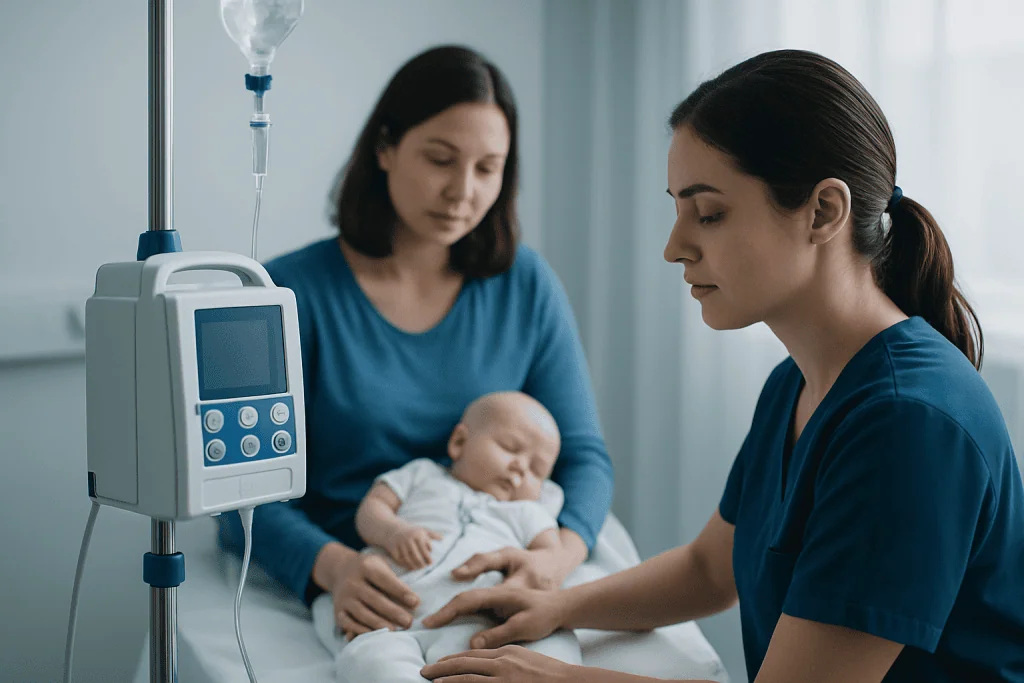
Chemotherapy may be given into a vein, by mouth, as an injection, or less commonly into the fluid around the spinal cord. Many infants receive intravenous treatment through a central venous catheter, such as a port or tunneled line, which reduces the need for repeated needle sticks. The team discusses why a particular route and schedule are recommended before treatment begins.
Who May Be a Candidate for Infant Chemotherapy?
Chemotherapy may be recommended for infants with a range of cancers, including some leukemias, lymphomas, neuroblastomas, kidney tumors, brain tumors, liver tumors and soft-tissue tumors. It can be used before surgery to reduce the size of a tumor, after surgery to lower the chance of recurrence, or as the main treatment when surgery is not suitable at that stage.
Before treatment, the pediatric oncology team confirms the diagnosis as precisely as possible. This commonly involves imaging, blood tests, a biopsy or surgery, and specialized laboratory testing of tumor cells. These results help the team estimate risk and choose medicines that are appropriate for the specific cancer.
Doctors also assess whether the infant is medically ready for treatment. They review growth, feeding, hydration, heart function when relevant, kidney and liver health, infection risk and any congenital or developmental conditions. Parents are encouraged to ask about the goal of treatment, expected schedule, likely side effects and the practical support available during care.
What Happens During Infant Chemotherapy?
Before each course of chemotherapy, the child is assessed for fever, infection symptoms, feeding difficulties, weight changes and treatment side effects. Blood tests are usually performed to check blood cell levels and organ function. If results show that the body needs more time to recover, a treatment session may be delayed or adjusted; this is a common safety measure.
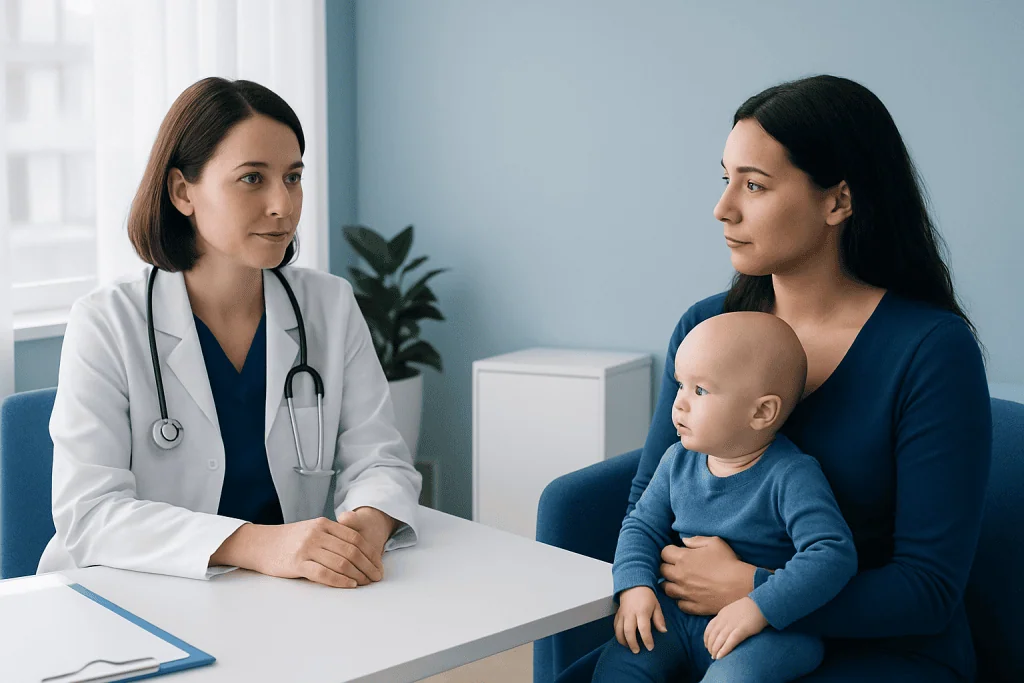
On treatment days, chemotherapy is administered by trained pediatric oncology nurses and doctors. Intravenous medicines may be infused over minutes or hours, depending on the drug. Some children need medicines before chemotherapy to help prevent nausea or allergic reactions. Infants are monitored throughout the visit for comfort and for any immediate reaction.
Care often takes place as an outpatient when the infant is stable, but certain regimens require planned hospital admission. Parents may be taught central-line care, temperature monitoring and infection-prevention routines before returning home. A written plan should clarify whom to contact at any time of day if the baby becomes unwell.
For families seeking coordinated international care, Acibadem International’s multidisciplinary specialists and JCI-accredited hospitals provide assessment and treatment for pediatric cancer patients, with care plans organized around the child’s diagnosis and needs.
Benefits, Risks and Possible Side Effects
The main potential benefit of infant chemotherapy is improved control or elimination of cancer. In some cases it can make surgery safer or more effective by shrinking a tumor first. In other cases, it treats cancer cells that cannot be seen on scans. The expected benefit should always be discussed in relation to the child’s individual diagnosis and treatment plan.
Chemotherapy can also affect healthy fast-growing cells, particularly in the bone marrow, digestive tract, skin and hair follicles. Possible short-term effects include low blood counts, tiredness, reduced appetite, nausea or vomiting, mouth soreness, diarrhea or constipation, hair thinning or loss, and increased susceptibility to infection. Babies may show discomfort through irritability, sleeping more, feeding less or changes in activity rather than by describing symptoms.
Some medicines have specific risks involving the heart, kidneys, hearing, nerves, lungs or fertility. The risk depends on the medicine and total amount received, and the oncology team uses testing and follow-up to identify problems early. Not every child has every side effect, and supportive treatments can often reduce the impact of side effects.
- Low white blood cells can increase the risk of serious infection.
- Low platelets can lead to easier bruising or bleeding.
- Low red blood cells may contribute to pallor, tiredness or rapid breathing.
- Long-term follow-up is important because some late effects may appear years after treatment.
Recovery Timeline and Everyday Care During Treatment
Recovery during infant chemotherapy is usually a repeating pattern rather than a single recovery period. After each cycle, blood counts and energy may fall before gradually recovering. The timing differs by medicine and regimen, so the care team provides individualized guidance on when side effects are most likely and when the next blood test is needed.
Some treatment plans last a few months, while others continue for longer with scheduled phases of more intensive and less intensive therapy. Parents should not compare their infant’s timeline with another child’s, even when the cancer diagnosis sounds similar. Differences in cancer biology, surgery, risk category and treatment response can all change the plan.
At home, priorities usually include safe feeding, hydration, prescribed medicines, skin and mouth care, infection precautions and rest. A dietitian, pediatric nurse, pharmacist, social worker and psychologist may all contribute to supportive care. Parents should follow the team’s advice about visitors, vaccinations, food safety and central-line care, as recommendations vary with the child’s immune status.
How Long Can a Child Be on Chemotherapy?
A child may receive chemotherapy for weeks, months or, in some circumstances, more than a year. The duration is determined by the cancer type, whether treatment is intended to cure or control the disease, the cancer’s risk features, and whether surgery or other therapies are part of the plan. Chemotherapy is commonly organized into cycles with rest periods in between.
For some solid tumors, chemotherapy may be given over several months before and after surgery. Treatment for certain blood cancers can include a longer maintenance phase with less intensive medicines. If a child has a difficult side effect, infection or low blood counts, the schedule may be modified to protect safety without abandoning the overall treatment goal.
The pediatric oncologist can explain the anticipated duration at diagnosis, but this estimate may change as test results and treatment response become clearer. Parents can ask for a written treatment roadmap that outlines the planned phases, appointments, monitoring and potential milestones.
What Are Some Signs That Chemotherapy Is Working?
The most reliable signs that chemotherapy is working come from planned medical assessments, not from visible changes alone. Depending on the cancer, the team may use physical examinations, ultrasound, MRI, CT, PET imaging, blood counts, tumor-marker blood tests, bone marrow tests or other specialized studies to measure response.
A tumor may become smaller or less noticeable, and symptoms caused by the tumor may improve. For example, breathing, feeding, pain, swelling or energy levels may improve when a tumor responds. However, changes in symptoms can be difficult to interpret in infants, and some chemotherapy side effects can temporarily make a child seem less well even when treatment is effective.
Doctors may describe a response as complete, partial, stable disease or progression, based on defined clinical criteria. A good response does not always mean treatment ends immediately; completing the recommended course may be important to reduce the chance of remaining cancer cells growing again. Families should discuss scan and test results directly with the oncology team.
What Is the Survival Rate of Pediatric Cancer?
There is no single survival rate that accurately describes pediatric cancer, especially in infants. Outcomes differ substantially by cancer type, stage, tumor genetics, age at diagnosis, treatment response and access to specialist care. Some childhood cancers have very favorable outcomes, while others remain more challenging and may require intensive or novel treatment approaches.
Population survival figures can be useful for understanding broad progress in childhood cancer care, but they cannot predict what will happen for one baby. Infants may have different tumor biology and treatment tolerances than older children, so statistics for all children with cancer may not apply to an individual infant.
The most meaningful prognosis discussion is with the pediatric oncology team after the diagnosis and risk information are complete. They can explain the child’s specific cancer, the purpose of recommended treatment, what response monitoring will involve and what uncertainties remain.
How Painful Is Chemotherapy for Kids?
Chemotherapy itself is often not painful while it is being infused, although some medicines can cause discomfort or irritation if they leak outside a vein. Central lines are commonly used when repeated intravenous treatment is expected, helping reduce repeated needle procedures. Blood tests, line access and certain scans may still be stressful or uncomfortable, particularly for an infant.
Some side effects can cause pain, such as mouth sores, constipation, nerve pain, skin irritation or inflammation. Infants may communicate pain through persistent crying, facial expressions, reduced feeding, unsettled sleep, guarding a body area or changes in usual movement. Parents know their baby’s normal behavior well and should share any concerning changes with the care team.
Pediatric oncology services use age-appropriate comfort measures and pain management plans. These may include numbing creams for procedures, soothing and positioning techniques, medication when needed, and input from pain or palliative care specialists. Palliative care can be provided alongside cancer treatment to improve comfort and quality of life; it does not mean curative treatment has stopped.
When to Seek Medical Care
Parents should use the emergency contact instructions given by the pediatric oncology team, as an infection can become serious quickly when chemotherapy lowers white blood cells. A fever may require urgent assessment, and the care team will define the temperature threshold and method of measurement to use. Do not give fever-reducing medicine before speaking with the team unless they have specifically advised it.
Urgent medical advice is also needed for difficulty breathing, blue or gray coloring of the lips or skin, unusual sleepiness or poor responsiveness, repeated vomiting, markedly reduced feeding, fewer wet diapers, uncontrolled pain, heavy bleeding, new widespread rash, or redness, swelling or drainage around a central line. Parents should contact the team promptly if they are worried, even if a symptom seems minor.
Regular appointments and long-term follow-up remain important after chemotherapy ends. Follow-up visits monitor growth, development, organ health, hearing when relevant, possible late effects and signs of recurrence. The care team can also help families plan a safe return to usual childcare, family activities and vaccination schedules.
Frequently asked questions
Can infants receive chemotherapy safely?
Infants can receive chemotherapy when it is recommended by a pediatric oncology team, but treatment requires particularly careful planning and close monitoring. Medicine selection and dosing are tailored to the infant’s size, age, organ function and diagnosis. The team regularly checks for side effects and adjusts care when needed.
Will an infant lose hair during chemotherapy?
Some chemotherapy medicines cause hair thinning or hair loss, while others do not. If hair loss occurs, it is usually temporary and often begins to regrow after treatment, although texture or color may initially look different. The oncology team can explain whether the planned medicines commonly affect hair.
Can parents stay with their baby during chemotherapy?
In many pediatric treatment settings, parents or caregivers are encouraged to remain with their baby during chemotherapy visits or hospital admissions. Their presence can help comfort the infant and helps the family learn daily care routines. Visiting arrangements may differ if infection-control precautions are needed.
Can chemotherapy affect an infant's development?
Cancer, chemotherapy, hospital stays and related treatments can affect feeding, sleep, movement and developmental routines. Many infants continue to develop well with appropriate support, while some benefit from early intervention, physiotherapy, occupational therapy or feeding support. Long-term follow-up helps identify and address developmental needs early.
Why are blood tests needed so often during infant chemotherapy?
Blood tests show how chemotherapy is affecting blood cells and how well organs such as the kidneys and liver are working. They help clinicians identify low counts, dehydration or other concerns before symptoms become severe. Results may guide whether a treatment dose is given, delayed or adjusted.
Is chemotherapy the only treatment for infant cancer?
No. Depending on the diagnosis, an infant may need surgery, chemotherapy, targeted therapy, immunotherapy, radiation therapy or stem cell transplantation, sometimes in combination. The care plan is designed around the particular cancer and the infant’s overall health.
References
- American Cancer Society
- National Cancer Institute
- Children's Oncology Group
- World Health Organization
- St. Jude Children's Research Hospital
This article is for general information only and is not a substitute for professional medical advice. Please consult a qualified doctor about your individual situation.
Chemotherapy in Turkey — costs, top hospitals & a free quote
JCI-accredited · board-certified surgeons · reply within 24h
Add us as a Preferred Source to see more of our trusted health content across Google Search, AI Overviews and Discover.

Medical Oncology Department
Medical treatment of cancer with chemotherapy, immunotherapy and targeted therapies under a multidisciplinary tumor board.
60 specialists in this unit