Can You Travel While on Chemo: How It Works, Results and What to Expect

Travel during chemotherapy may be possible when the person is clinically stable and their oncology team approves the plan. The days of lowest infection-fighting white blood cell counts often occur about 7 to 14 days after a treatment cycle, although timing differs by regimen.
Key Takeaways
- Travel during chemotherapy may be possible when the person is clinically stable and their oncology team approves the plan.
- The days of lowest infection-fighting white blood cell counts often occur about 7 to 14 days after a treatment cycle, although timing differs by regimen.
- Travel plans should avoid missed treatments, include adequate medicines and records, and identify healthcare services at the destination.
- Fever, breathing difficulty, uncontrolled vomiting, chest pain or sudden severe symptoms require urgent medical assessment.
- A short, flexible trip close to reliable medical care may be easier to manage than long-distance or remote travel.
Many people can travel while receiving chemotherapy, but the decision should be individualized with the oncology team. The safest plan considers the treatment schedule, expected side effects, blood counts, destination, transport time and access to medical care.
Can You Travel While on Chemo?
Can you travel while on chemo? In many cases, yes: a person who is medically stable may be able to take a trip during chemotherapy with approval and guidance from their oncology team. Travel is not automatically safe for everyone, because chemotherapy type, cancer diagnosis, treatment timing, blood counts, side effects and the destination can all change the level of risk.
The most useful first step is to discuss the proposed journey before booking it. The oncology team can help choose a safer time within the treatment cycle, assess whether blood tests are needed, review medicines and advise whether air travel, long car journeys, cruises or international travel are appropriate.
Travel can provide rest, connection and a sense of normal routine. At the same time, a flexible plan is important. Symptoms such as fatigue, nausea, diarrhea, pain or infection can develop unexpectedly, and treatment appointments should not be changed without the treating clinician’s advice.
How Travel Planning Works During Chemotherapy
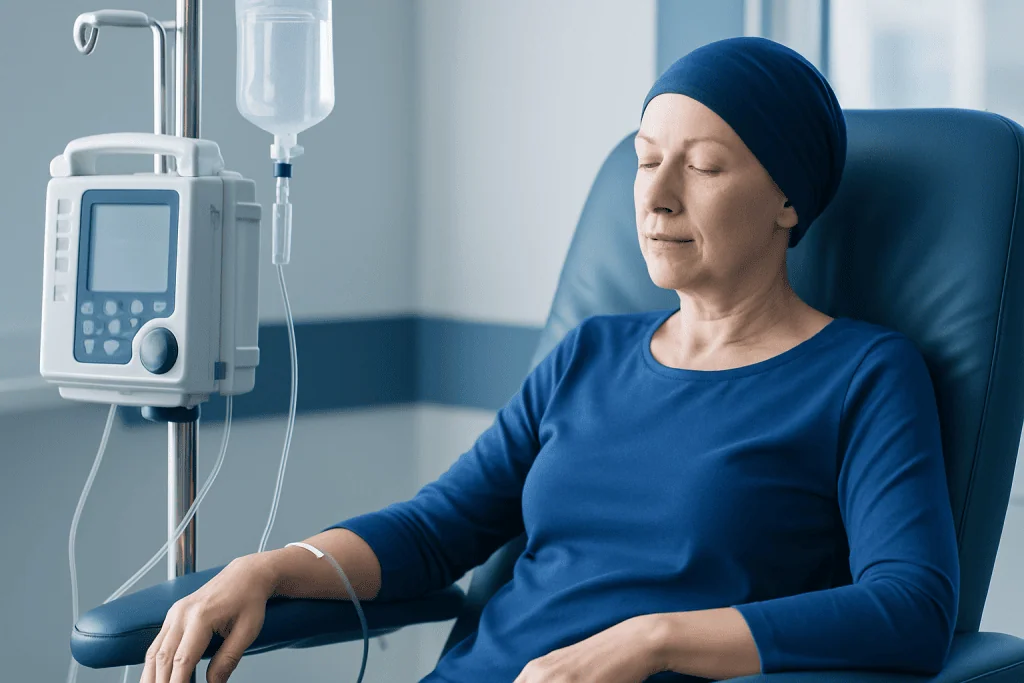
Chemotherapy is usually delivered in cycles. A cycle includes the day or days treatment is given and a recovery period before the next dose. Each regimen has a different pattern of side effects and blood-count changes, so there is no single travel timetable that suits all patients.
Before a trip, the oncology team may review recent blood results, overall strength, nutritional and hydration status, current symptoms and the risk of blood clots. They may also consider whether treatment involves medicines that affect immunity, whether a central venous catheter or port needs care, and whether the destination has appropriate medical services.
For people having active cancer treatment, travel planning works best as part of the wider chemotherapy care plan. The team may provide a treatment summary, a current medication list, contact details for the cancer center and instructions for managing expected symptoms away from home.
Travel insurance should be explored early. Policies vary in whether they cover pre-existing cancer, treatment-related problems, cancellations and medical evacuation. A traveler should read the policy carefully and declare relevant health information as required.
Who May Be Able to Travel and When to Postpone
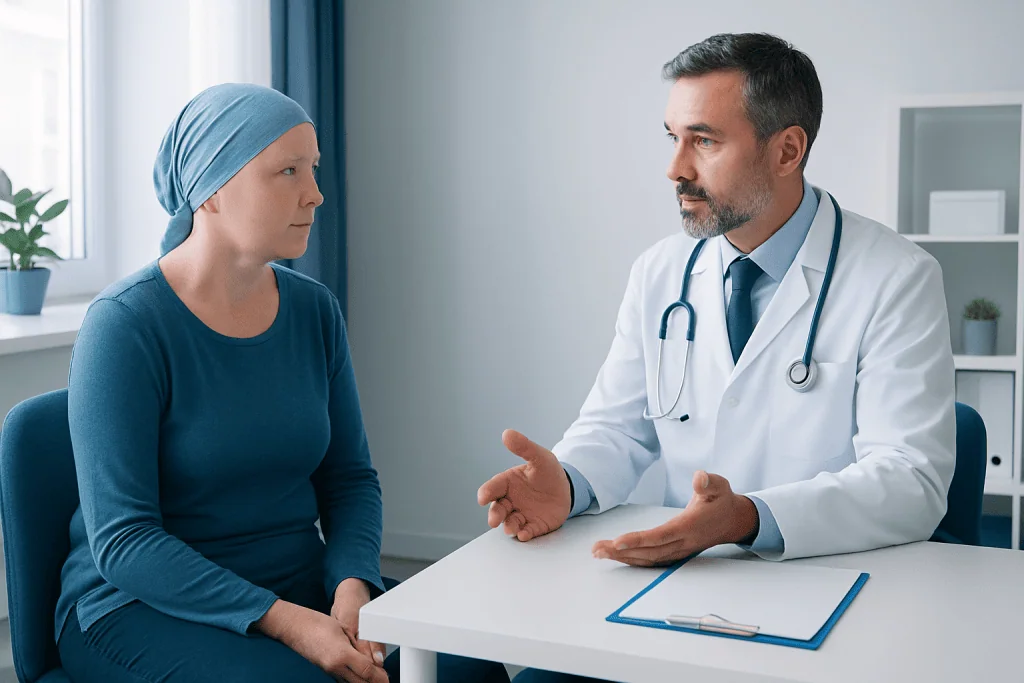
A person may be a candidate for travel if they feel reasonably well, have stable vital signs and blood counts, can eat and drink adequately, have manageable symptoms and can access medical care at the destination. The suitability of travel is always a clinical decision rather than a general rule.
It may be safer to postpone travel when there is a fever or current infection, very low white blood cell or platelet counts, uncontrolled nausea or diarrhea, severe fatigue, new breathing symptoms, poorly controlled pain or a recent hospital admission. Travel may also need to wait after surgery or when a treatment complication is being assessed.
Long flights and prolonged sitting can increase the risk of venous thromboembolism, or blood clots, in people with cancer. A clinician may recommend walking at intervals, leg exercises, good hydration or other individualized precautions. Compression garments or medicines should only be used when specifically advised.
International trips, destinations at high altitude, remote locations and places where safe food, water or urgent care may be difficult to obtain need extra consideration. Vaccinations and destination-specific prevention measures should be reviewed with the oncology team, because some live vaccines are not suitable during immunosuppressive treatment.
A Step-by-Step Plan for Safer Travel
First, discuss the trip with the oncology team before making non-refundable arrangements. Ask which days in the cycle are likely to be most comfortable, whether recent or planned blood tests affect the decision, and where to seek help if symptoms occur. Confirm all infusion, review and laboratory appointments.
Second, prepare a travel health folder. It can include a diagnosis and treatment summary, medication list using generic drug names, allergies, recent test results if requested, copies of prescriptions, insurance information and the oncology center’s daytime and after-hours contacts. Keep this information in hand luggage rather than checked baggage.
Third, pack medicines in original labeled containers and carry extra supplies in case of delays. Bring prescribed anti-nausea medicine, pain relief or bowel medicines as directed by the care team. Avoid starting over-the-counter products, herbal remedies or supplements without checking first, as some can interact with cancer treatment.
Finally, reduce avoidable exposures. Hand hygiene, avoiding close contact with people who are unwell, choosing well-cooked food and safe drinking water, resting regularly and drinking enough fluids can all help. Wearing a well-fitting mask in crowded indoor settings may be reasonable, particularly when infection risk is high or blood counts are low.
What to Expect: Recovery Timeline, Benefits and Risks
The experience after chemotherapy varies widely. Some people have few symptoms, while others develop fatigue, nausea, appetite changes, constipation, diarrhea, mouth soreness, pain or changes in taste. Side effects may begin on treatment day or develop over the following days, depending on the medicines used.
For many regimens, blood counts begin to fall after treatment and reach their lowest point, called the nadir, around 7 to 14 days later. This is not universal: some treatments have a different pattern, and some have less effect on white blood cells. The oncology team can explain the likely nadir for the individual’s regimen and whether travel should avoid that period.
The possible benefits of a carefully planned trip include emotional wellbeing, time with loved ones and a restorative change of environment. The main risks are becoming unwell far from the treating team, exposure to infection, dehydration, treatment disruption and difficulty obtaining urgent care. Building rest days into the itinerary and allowing for cancellation or early return can reduce stress.
People receiving cancer care may also have needs related to cancer and its treatment beyond chemotherapy alone. For example, anemia, reduced mobility, recent surgery, radiation therapy or immunotherapy may affect the safest travel plan.
How Long Should You Stay Away From People After Chemo?
There is no fixed number of days that everyone must stay away from other people after chemotherapy. Most people do not need complete isolation, but they should take extra precautions when their immune system may be weakened, especially during the expected white blood cell nadir.
The oncology team can advise whether a person has neutropenia, meaning a low number of infection-fighting neutrophils, and when it is most likely to occur. During this period, it is sensible to avoid close contact with people who have a fever, cough, vomiting, diarrhea or another contagious illness, and to avoid crowded settings when possible.
Good hand hygiene and asking household members to stay away when they are sick are practical measures. The need for stricter precautions depends on blood counts, treatment intensity and individual risk factors, so patients should follow their own team’s instructions rather than a universal calendar.
Can You Go on Vacation While on Chemo?
Yes, some people can go on vacation while on chemo, provided their oncologist considers it appropriate and the trip is planned around treatment and recovery. A shorter trip, a familiar destination and access to a nearby hospital or clinic can make travel more manageable, particularly during active treatment.
A vacation should not require a person to push through symptoms or miss planned care. Choose flexible bookings, avoid exhausting schedules, plan easy access to food and fluids, and make room for rest. People should also know how to contact their treatment team from the destination.
Air travel may be possible for medically stable patients, but it should be discussed individually. Those with recent surgery, shortness of breath, a blood clot, a serious infection, severe anemia or low platelets may need specific advice or may be advised to delay flying.
Acibadem International’s multidisciplinary specialists and JCI-accredited hospitals support international patients who need coordinated assessment and treatment planning during cancer care.
When Are the Worst Days After Chemo Treatment?
The worst days after chemotherapy depend on the exact drugs, dose, treatment schedule and the person’s health. Some side effects, such as tiredness or nausea, may be strongest in the first few days. Others, including low white blood cell counts, can become more important later in the cycle.
For many chemotherapy regimens, days 7 to 14 can be a time of increased infection risk because white blood cell counts may be lowest then. However, this timing is not the same for all treatments. Patients should ask their oncology team which days are expected to be most difficult and whether their blood counts will be monitored.
Keeping a symptom record can help patients recognize their own pattern across cycles. This information can guide future travel planning and help the clinical team adjust supportive care when needed.
What Is the 7 Day Rule in Chemotherapy?
The phrase “7 day rule” is not a universal chemotherapy rule. It is often used informally to describe the fact that certain chemotherapy-related side effects, especially falling white blood cell counts, may begin to become more noticeable around a week after treatment.
For many patients, the lowest blood counts occur somewhere between 7 and 14 days after a cycle, but this varies considerably. Different chemotherapy medicines, combination regimens and supportive medicines produce different timelines. It is therefore not safe to assume that day 7 is either automatically safe or automatically dangerous.
Patients should use the schedule provided by their oncology team. If they are told they have low neutrophils or another abnormal blood count, they should follow the individualized precautions and contact instructions given by the team.
When to Seek Medical Care
A person receiving chemotherapy should contact their oncology team promptly for a fever or chills, particularly if the temperature meets the threshold provided by the team. Fever during chemotherapy can be an early sign of infection and may need urgent assessment, even if other symptoms seem mild.
Urgent medical care is also needed for trouble breathing, chest pain, confusion, fainting, uncontrolled vomiting or diarrhea, inability to keep fluids down, unusual bleeding, a painful swollen leg, severe abdominal pain or a sudden major change in condition. Travelers should not wait until returning home to seek help.
Before leaving, patients should identify the nearest emergency department and cancer service at their destination. If a serious symptom develops, they should inform clinicians that they are receiving chemotherapy and show their treatment summary or medication list.
Frequently asked questions
Can you travel while on chemo by plane?
Many medically stable people can fly during chemotherapy, but they should first receive approval from their oncology team. Recent surgery, low blood counts, shortness of breath, infection, severe anemia or a history of blood clots may affect whether flying is appropriate and what precautions are needed.
Should chemotherapy be delayed for travel?
Chemotherapy should not be delayed or rescheduled solely for travel without the treating oncologist's agreement. Changing a treatment schedule can affect the intended care plan, and the clinical team is best placed to assess whether an adjustment is safe.
Can a person travel when white blood cells are low?
Travel when white blood cell counts are low may increase the risk of serious infection, particularly if it involves crowded places or limited medical access. The oncology team should review the blood results and advise whether travel should be delayed or whether extra precautions are appropriate.
What should a chemotherapy patient pack for a trip?
Useful items include all prescribed medicines, extra supplies for delays, a treatment summary, insurance details, emergency contacts and copies of prescriptions. Medicines should be kept in original labeled containers and carried in hand luggage when flying.
Can chemotherapy patients swim or use a hot tub on vacation?
This depends on the person's blood counts, skin condition, central line or port status and infection risk. Public hot tubs and poorly maintained pools may increase exposure to germs, so patients should ask their oncology team for individualized advice before swimming.
What happens if fever develops while traveling on chemotherapy?
A fever during chemotherapy should be treated as urgent, especially if the person has been told they may have low white blood cell counts. They should follow their oncology team's emergency instructions, seek prompt medical assessment locally and tell clinicians that they are receiving chemotherapy.
References
- American Cancer Society
- National Cancer Institute
- Centers for Disease Control and Prevention
- European Society for Medical Oncology
- Cancer Research UK
This article is for general information only and is not a substitute for professional medical advice. Please consult a qualified doctor about your individual situation.
Oncology care in Turkey — second opinion and treatment plan
JCI-accredited · board-certified surgeons · reply within 24h
Add us as a Preferred Source to see more of our trusted health content across Google Search, AI Overviews and Discover.