When Can You Drink Alcohol after Prostate Surgery: Procedure, Recovery and Results

Alcohol should be avoided while taking opioid pain medicines, sedatives, antibiotics that interact with alcohol, or blood-thinning medicines unless a clinician says otherwise. After radical prostatectomy, many people wait until the urinary catheter is removed and early healing is progressing, but the surgeon’s advice takes priority.
Key Takeaways
- Alcohol should be avoided while taking opioid pain medicines, sedatives, antibiotics that interact with alcohol, or blood-thinning medicines unless a clinician says otherwise.
- After radical prostatectomy, many people wait until the urinary catheter is removed and early healing is progressing, but the surgeon’s advice takes priority.
- Alcohol can worsen dehydration, constipation, urinary urgency, bladder irritation, and sleep problems during recovery.
- A PSA level is expected to become very low or undetectable after complete prostate removal; follow-up trends matter more than one result.
- Fever, worsening pain, heavy bleeding, inability to pass urine, chest pain, or shortness of breath need prompt medical assessment.
Most people should avoid alcohol after prostate surgery until they are no longer taking opioid pain medicine, are eating and drinking normally, and their surgical team confirms it is safe—often for at least a few weeks. The right timing depends on the procedure, medicines, catheter status, bleeding risk, and individual recovery.
When can you drink alcohol after prostate surgery?
After prostate surgery, it is generally safest to avoid alcohol until a surgeon confirms that recovery is progressing well. For many people, this means waiting until the urinary catheter has been removed, they are eating and drinking normally, and they no longer need opioid pain medicines or other medicines that can interact with alcohol. This may be a few weeks after surgery, but the exact timing varies.
Alcohol can increase dehydration and constipation, irritate the bladder, worsen urinary urgency or leakage, and interfere with sleep. It can also raise the risk of dizziness and falls when combined with pain medicines. A person should ask their urologist for individualized advice before resuming alcohol, especially if they had complications, are taking blood thinners, or have liver disease.
If the surgical team allows alcohol, restarting slowly and limiting intake is sensible. Drinking water alongside any alcoholic drink and stopping if urinary symptoms, fatigue, nausea, or pain worsen can support a safer recovery.
Overview: why prostate surgery is performed
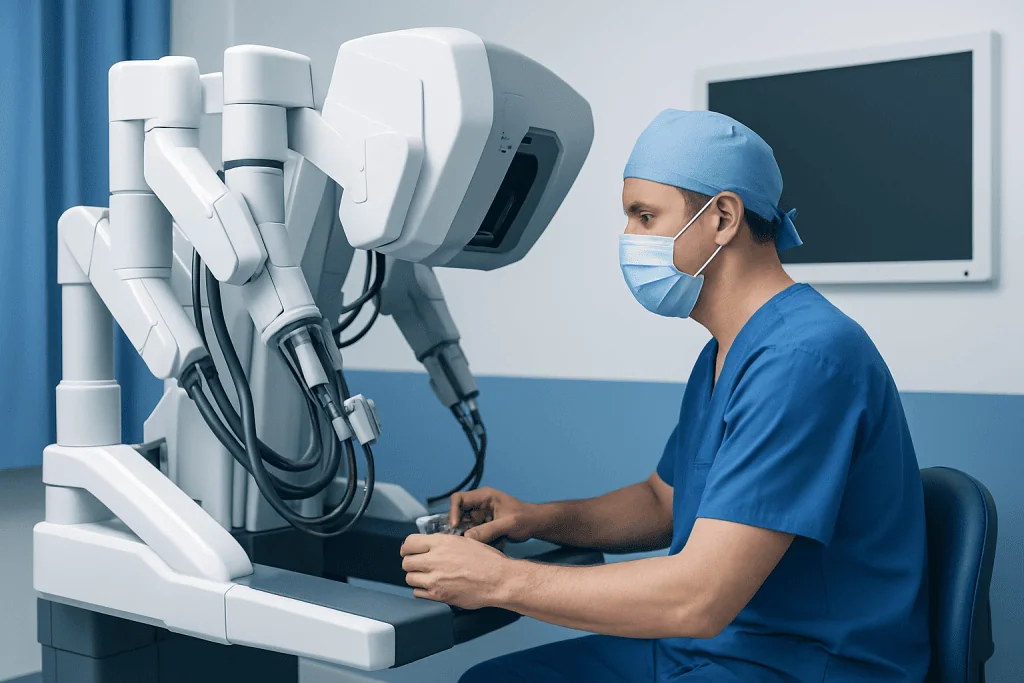
Prostate surgery includes several procedures used for different prostate conditions. A radical prostatectomy removes the prostate gland and nearby tissues to treat localized prostate cancer. Other operations, such as transurethral resection of the prostate (TURP), laser procedures, or simple prostatectomy, remove or reduce prostate tissue to relieve urinary obstruction caused by an enlarged prostate.
The recovery experience and advice about alcohol differ between procedures. Radical prostatectomy is a major operation that can involve a hospital stay, a temporary urinary catheter, and several weeks of healing. Minimally invasive procedures for urinary obstruction may have a shorter physical recovery, but the bladder and urinary tract still need time to settle.
People being evaluated for prostate cancer may also benefit from understanding related care pathways, including prostate cancer assessment and treatment planning. The choice of surgery is based on the diagnosis, cancer stage where relevant, urinary symptoms, overall health, previous treatments, and personal preferences.
How prostatectomy works, candidacy, and the procedure steps

Radical prostatectomy is most often considered for people with prostate cancer that appears confined to the prostate or is at high enough risk to benefit from local treatment. Before recommending surgery, the care team considers PSA results, biopsy findings, imaging, age, life expectancy, urinary and sexual function, medical conditions, and the person’s treatment goals. Surgery is not the best option for every person with prostate cancer.
During a radical prostatectomy, the surgeon removes the prostate and seminal vesicles, then reconnects the bladder to the urethra. Some nearby lymph nodes may be removed for testing. The operation can be performed through open surgery or minimally invasive approaches, including robotic-assisted surgery. When medically appropriate, surgeons may aim to preserve nerves involved in erections, although cancer control remains the priority.
After anesthesia, a urinary catheter is placed to allow the bladder-to-urethra connection to heal. The operation is followed by monitoring for pain, bleeding, urine output, blood clots, and early return of bowel function. For people considering this approach, robotic prostatectomy may be discussed as one surgical technique, depending on clinical suitability and local expertise.
Recovery timeline, benefits, and possible risks
Early recovery focuses on walking safely, controlling pain, preventing constipation, and caring for the catheter if one is present. After radical prostatectomy, the catheter commonly remains in place for around one to two weeks, although schedules differ. Light daily activity is usually encouraged, while heavy lifting, strenuous exercise, cycling, and sexual activity may need to wait until the surgical team provides clearance.
The potential benefit of radical prostatectomy is removal of cancer within and around the prostate when surgery is an appropriate treatment. The final pathology report can provide important information about cancer extent, surgical margins, and lymph nodes. These findings help the team plan PSA monitoring and decide whether any further treatment may be needed.
Possible risks include bleeding, infection, blood clots, injury to nearby structures, urinary leakage, erectile dysfunction, narrowing at the surgical connection, and changes in orgasm or fertility. Urinary control and erections can improve gradually over months, and recovery varies considerably. Pelvic-floor rehabilitation, medications, devices, counseling, or other supportive treatments may be offered where appropriate.
- Use prescribed medicines exactly as directed and ask about alcohol interactions.
- Walk regularly as advised to support circulation and bowel function.
- Drink enough water unless the care team has given a fluid restriction.
- Attend catheter-removal and follow-up appointments as scheduled.
How long does it take to recover at home after prostate surgery?
Home recovery after radical prostatectomy commonly takes several weeks for basic daily comfort and roughly six to eight weeks before many people can return to more strenuous activities, subject to the surgeon’s instructions. Tiredness may last longer, and recovery of urinary continence and sexual function can continue for months or sometimes longer. Recovery after TURP or other minimally invasive prostate procedures may be shorter, but temporary urinary burning, frequency, urgency, or blood in the urine can still occur.
At home, a person should arrange help with meals, transport, household tasks, and lifting during the early period. Gentle walking is often helpful, but activity should be increased gradually. The team may also recommend pelvic-floor muscle exercises, particularly after radical prostatectomy, to support continence.
A person should avoid driving while taking opioid pain medicine or while unable to brake and turn comfortably. Returning to work depends on the procedure, job demands, energy level, and complications. A clinician can provide individualized guidance for travel, exercise, work, and sexual activity.
What is a good PSA level after prostate removal?
After a radical prostatectomy, PSA is expected to fall to a very low or undetectable level because most PSA-producing prostate tissue has been removed. The first PSA blood test is often checked several weeks after surgery, then monitored regularly over time. Laboratories use different assays and reporting thresholds, so the surgical team should interpret results in context.
A PSA that remains detectable or later rises does not automatically mean that cancer has returned, but it requires medical review. Clinicians look at the absolute PSA value, how quickly it is changing, the pathology report, prior treatments, and imaging when needed. A commonly used definition of biochemical recurrence after radical prostatectomy is a confirmed PSA of 0.2 ng/mL or higher, though follow-up decisions are individualized.
PSA monitoring is a key part of long-term care after surgery. Keeping every follow-up appointment and discussing results promptly allows the team to identify whether observation, repeat testing, imaging, radiation therapy, hormone therapy, or another approach is appropriate.
What are some tips for recovery after prostatectomy?
Recovery after prostatectomy is supported by consistent, practical routines. A person should follow wound and catheter instructions carefully, take medicines as prescribed, prevent constipation, and drink adequate water unless advised otherwise. Small, balanced meals can be easier when appetite is reduced, while fiber-rich foods and gentle movement may help bowel regularity.
Pelvic-floor muscle training can help improve urinary control when taught and timed appropriately by the surgical team or a pelvic health physiotherapist. Leakage is common early on and should be managed with pads rather than by drastically restricting fluids. Emotional adjustment also matters: concerns about continence, erections, body image, and cancer follow-up are common and can be discussed openly with clinicians.
Alcohol is best avoided until the team confirms it is safe, particularly during catheter use and while taking pain medicines. Smoking cessation, gradual activity, good sleep habits, and support from family or trusted friends can all contribute to recovery. If erectile function support is needed, the urology team can explain available rehabilitation options.
Can prostate cancer come back if the prostate is removed?
Yes. Although radical prostatectomy removes the prostate, prostate cancer can sometimes recur if microscopic cancer cells were already outside the gland or remained in the body before surgery. The likelihood depends on factors such as the cancer grade, stage, surgical margins, lymph-node findings, and PSA pattern after treatment.
PSA testing is the usual way to identify possible recurrence early because PSA should be very low after complete prostate removal. A rising PSA may lead to repeat blood testing, imaging, and discussion of further treatment. In some situations, radiation therapy after surgery, with or without hormone therapy, can be considered.
Recurrence is not a reason to assume the worst. There are several management options, and recommendations depend on when the PSA changes, how rapidly it rises, previous pathology, imaging findings, and overall health. Regular surveillance gives the care team the best opportunity to make timely, individualized decisions.
When to seek medical care
A person should contact their surgical team promptly for fever, chills, worsening redness or drainage from an incision, severe or increasing pain, persistent vomiting, inability to drink fluids, or constipation that does not improve with the recommended plan. New or worsening urinary problems, including a blocked catheter, very little urine output, inability to urinate after catheter removal, or large blood clots in the urine, also need medical advice.
Emergency care is needed for chest pain, shortness of breath, fainting, coughing blood, or sudden swelling, pain, warmth, or redness in a leg, as these can be signs of serious complications. Heavy bleeding or rapidly worsening symptoms should not be managed at home.
For international patients, Acibadem International’s multidisciplinary specialists and JCI-accredited hospitals provide assessment, prostate surgery, and follow-up planning. A consultation with a qualified urologist is the safest way to receive advice about recovery, alcohol, PSA monitoring, and any treatment concerns.
Frequently asked questions
Can I drink alcohol while I still have a catheter after prostate surgery?
It is usually best to avoid alcohol while a urinary catheter is in place unless the surgical team specifically says it is acceptable. Alcohol may dehydrate the body, irritate the bladder, and make it harder to recognize or manage urinary symptoms. It may also interact with pain medicines or other prescribed drugs.
Why should alcohol be avoided with opioid pain medicine?
Alcohol and opioid pain medicines both slow activity in the central nervous system. Taking them together can increase drowsiness, dizziness, poor coordination, falls, and dangerous breathing problems. Alcohol should not be used until opioid medicines have been stopped and a clinician confirms it is safe.
Does alcohol cause prostate cancer to return after prostatectomy?
Alcohol is not considered a direct cause of prostate cancer recurrence after surgery. However, heavy drinking can affect general health, sleep, nutrition, medication safety, and recovery. PSA monitoring and follow-up with the urology team are the most reliable ways to assess for possible recurrence.
When can exercise resume after a prostatectomy?
Gentle walking is often encouraged soon after surgery, but strenuous exercise, heavy lifting, cycling, and abdominal exercises usually need to wait until the surgeon gives approval. Many people need several weeks before increasing activity substantially. The appropriate timeline depends on the surgical approach, wound healing, catheter status, and any complications.
Is urinary leakage normal after prostate removal?
Urinary leakage is common after radical prostatectomy, particularly after the catheter is removed. It often improves gradually as tissues heal and pelvic-floor muscles regain function, although the pace differs between individuals. Persistent or troublesome leakage should be discussed with the urology team because rehabilitation and treatments are available.
How often is PSA checked after radical prostatectomy?
The schedule varies by pathology findings and local clinical guidance, but PSA is commonly measured first several weeks after surgery and then at regular intervals. The team may check it more frequently early in follow-up and less often later if it remains undetectable. It is important to follow the schedule provided by the treating clinician.
References
- American Urological Association
- European Association of Urology
- National Cancer Institute
- National Health Service
- American Cancer Society
This article is for general information only and is not a substitute for professional medical advice. Please consult a qualified doctor about your individual situation.
Explore treatments in Turkey — costs, top hospitals & a free quote
JCI-accredited · board-certified surgeons · reply within 24h
Add us as a Preferred Source to see more of our trusted health content across Google Search, AI Overviews and Discover.