Radiofrequency Ablation Sutton Place: Procedure, Recovery and Results

Radiofrequency ablation uses heat delivered through a needle-like probe to treat selected pain-transmitting nerves. It is commonly considered for facet joint-related neck or back pain, sacroiliac joint pain, and some chronic knee pain.
Key Takeaways
- Radiofrequency ablation uses heat delivered through a needle-like probe to treat selected pain-transmitting nerves.
- It is commonly considered for facet joint-related neck or back pain, sacroiliac joint pain, and some chronic knee pain.
- Most people return home on the day of treatment, but someone else should drive them home after sedation.
- Temporary soreness, numbness, bruising, or a short-term pain flare can occur before benefits develop.
- Pain relief may begin over days to weeks and can last for months, although results vary and nerves can regenerate.
Radiofrequency ablation Sutton Place refers to a minimally invasive procedure commonly used to manage persistent pain arising from targeted spinal or joint nerves. It uses controlled heat to interrupt pain signaling and may provide relief when conservative care and diagnostic nerve blocks have not been sufficient.
Radiofrequency Ablation Sutton Place: What It Is and How It Works
Radiofrequency ablation Sutton Place is a term often used by people seeking a minimally invasive option for chronic pain in the Sutton Place area. Radiofrequency ablation, also called RFA or radiofrequency neurotomy, uses heat generated by radio waves to create a small, controlled treatment area near a targeted sensory nerve. The aim is to reduce the nerve’s ability to carry pain signals to the brain.
The procedure does not repair arthritis, disc degeneration, or another underlying structural condition. Instead, it may reduce pain from a specific source long enough to support movement, rehabilitation, sleep, and daily activities. It is most often used for pain linked to spinal facet joints in the neck or lower back, the sacroiliac joints, or selected peripheral nerves.
Before RFA is considered, clinicians usually confirm that the suspected nerve is contributing to pain. This commonly involves a diagnostic nerve block: a small amount of local anesthetic is placed near the nerve. Meaningful temporary relief after one or more blocks can help identify people more likely to benefit from ablation.
Who May Be a Candidate for Radiofrequency Ablation?
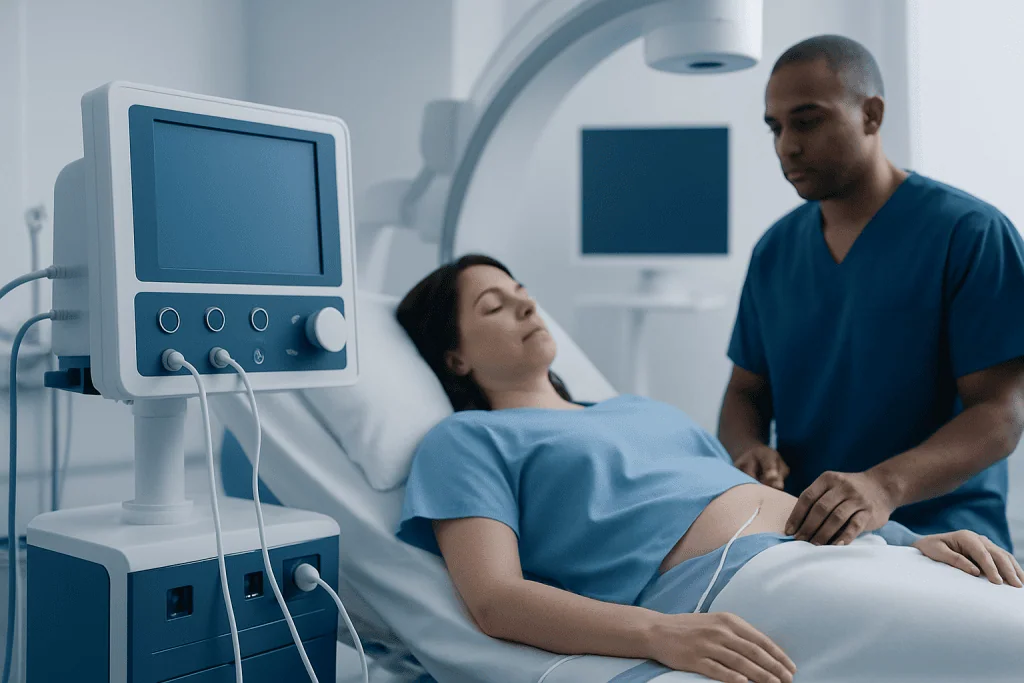
Radiofrequency ablation may be considered for adults with chronic, localized pain that has persisted despite appropriate nonsurgical care. This may include guided exercise or physical therapy, activity modification, medications when appropriate, or other pain-management approaches. A clinician will assess the pain pattern, physical examination findings, imaging when needed, and response to diagnostic blocks.
For spinal RFA, a common indication is pain from arthritic or irritated facet joints. These small joints help stabilize the spine and can become painful with age-related changes, prior injury, or mechanical strain. RFA may also be discussed for selected cases of sacroiliac joint pain. Related causes of persistent spine symptoms may require different treatment plans, including evaluation for lumbar disc herniation when nerve-root compression is suspected.
RFA is not suitable for every type of pain. It may be less helpful when pain is widespread, when the pain source is uncertain, or when symptoms are primarily caused by nerve compression requiring another approach. Pregnancy, an active infection, certain bleeding risks, implanted devices, and medications that affect blood clotting require individualized planning. Patients should tell the care team about all medicines, allergies, medical conditions, and implanted devices.
What Happens During the Procedure?

Radiofrequency ablation is usually performed as an outpatient procedure in a sterile procedure room. The patient is positioned to allow safe access to the treatment area, commonly lying face down for lower back treatment. Monitoring equipment checks blood pressure, heart rate, oxygen level, and comfort throughout the procedure.
After the skin is cleaned and numbed with local anesthetic, the clinician advances a specialized needle toward the target using fluoroscopy, a type of live X-ray guidance. Depending on the location, ultrasound or other imaging may also be used. Small test stimulation may help confirm that the needle is appropriately placed near the intended sensory nerve while avoiding nearby motor nerves.
Once placement is confirmed, radiofrequency energy is applied for a controlled period to create the treatment lesion. More than one nerve branch may be treated in a session. Local anesthetic is typically used, and some patients receive light sedation. The treatment itself is often completed within about 30 to 90 minutes, although preparation and observation add time to the visit.
After monitoring in recovery, most patients go home the same day with written aftercare instructions. For individuals considering procedure-based options for persistent spine-related pain, a specialist can explain whether radiofrequency ablation is appropriate after a full clinical assessment.
How Long Does It Take to Recover From Radiofrequency Ablation?
Recovery from radiofrequency ablation is usually gradual but relatively short. Many people can resume light daily activities within 24 to 72 hours, although the exact timing depends on the treatment location, number of nerves treated, sedation, baseline health, and the physical demands of work or caregiving. The insertion site may feel tender or bruised for several days.
A temporary increase in soreness or burning-type discomfort can occur as the treated tissues settle. This does not necessarily mean the procedure has failed. Some people notice improvement within several days, while others need two to four weeks to judge the full effect. The treating clinician may recommend ice, prescribed or over-the-counter pain relief if safe for the individual, and a gradual return to activity.
Longer-term results vary. If RFA is successful, pain relief may last for months and sometimes longer. Nerves can regenerate over time, so pain may eventually return. Repeat treatment may be considered in selected patients if the original procedure produced meaningful, sustained benefit and reassessment supports the same pain source.
How Long Is Bed Rest After an Ablation?
Bed rest is generally not required after radiofrequency ablation. Patients usually rest in the recovery area for a short observation period, especially if sedation was used, and then leave with a responsible adult. At home, taking it easy for the remainder of the day is sensible, but prolonged immobility is usually unnecessary unless the clinician gives different instructions.
Gentle walking around the home is often encouraged as comfort allows. Most care teams advise avoiding strenuous exercise, heavy lifting, repetitive bending or twisting, and demanding physical work for at least 24 to 48 hours. Instructions may be more restrictive after treatment in certain body areas or when other procedures are performed at the same visit.
Patients should follow their own discharge plan, since recommendations can differ based on medical history and sedation. If a bandage has been applied, the team will explain when it can be removed and when showering is permitted. Keeping the puncture site clean and dry as instructed helps reduce infection risk.
What Are the Do's and Don'ts After Radiofrequency Ablation?
After radiofrequency ablation, patients should rest on the day of the procedure, drink fluids unless medically restricted, and use the aftercare plan provided by their clinician. Applying a wrapped cold pack briefly at intervals may help soreness at the injection site. Gentle movement and a gradual return to usual activities can support recovery once discomfort settles.
Patients should not drive, operate machinery, drink alcohol, sign important documents, or make major decisions for the rest of the day if they received sedation. They should also avoid soaking in a bath, hot tub, or swimming pool until the puncture site is healed and the care team says this is safe. Heavy exercise should be restarted gradually rather than all at once.
Physical therapy, targeted strengthening, posture work, and pacing daily activities may be recommended after pain improves. These measures can help patients use the period of reduced pain to build function and protect the treated area. People with ongoing neck symptoms may also benefit from evaluation of the broader cause and a structured physical therapy and rehabilitation plan when clinically appropriate.
Can I Drive Home After Radiofrequency Ablation?
Patients should arrange for a responsible adult to drive them home after radiofrequency ablation. Even when the procedure is performed with local anesthetic alone, temporary discomfort, numbness, anxiety medication, or changes in concentration can make driving unsafe. If sedation is used, driving is not advised for the remainder of the day.
Many people can drive again the next day if they feel alert, are no longer affected by sedating medicine, and can safely control the vehicle without significant pain or restricted movement. However, the treating team’s advice should take priority, particularly after cervical procedures or when a patient has other medical conditions that affect mobility or alertness.
It is helpful to plan transportation before the appointment and ask whether an adult should stay nearby overnight. Patients should also confirm any work restrictions in advance, especially if their job involves driving, operating equipment, lifting, or prolonged standing.
Benefits, Risks and When to Seek Medical Care
The potential benefit of RFA is meaningful reduction in pain without open surgery and with a relatively quick return to light activity. For appropriate candidates, this may make it easier to participate in rehabilitation and everyday life. However, it does not work for everyone, and it does not remove the underlying cause of joint or spine degeneration.
Common short-term effects include injection-site pain, bruising, swelling, temporary numbness, or a brief flare in the usual pain. Less common risks include infection, bleeding, allergic reaction, skin burns, nerve irritation, weakness, or failure to obtain pain relief. Image guidance and careful patient selection are important safety measures, but no procedure is risk-free.
Patients should seek prompt medical advice for fever, increasing redness, warmth, drainage, or marked swelling at the procedure site; severe or worsening pain that is not controlled by the care plan; new weakness; new bowel or bladder changes; or difficulty breathing. Emergency care is appropriate for severe allergic symptoms, chest pain, sudden severe weakness, or other urgent symptoms.
Acibadem International’s multidisciplinary specialists and JCI-accredited hospitals evaluate and treat chronic pain conditions for international patients, coordinating pain management, rehabilitation, and relevant specialty care when needed.
Frequently asked questions
Is radiofrequency ablation painful?
Local anesthetic is used to numb the skin and deeper tissues, and some patients receive light sedation. People may feel pressure or brief discomfort during needle placement, followed by soreness at the treatment site for several days. The care team can discuss comfort options and what to expect for the specific treatment area.
How long does radiofrequency ablation pain relief last?
When RFA is effective, relief may last for several months and sometimes longer. The duration differs among individuals because nerves can gradually regenerate and the underlying joint or spine condition may continue to change. A clinician can reassess symptoms if pain returns.
Can radiofrequency ablation be repeated?
Yes, it can sometimes be repeated when a prior procedure provided significant, lasting relief and the same pain source is still suspected. The decision should be based on a new clinical review rather than timing alone. Repeat procedures are not appropriate for everyone.
What should I wear to a radiofrequency ablation appointment?
Comfortable, loose-fitting clothing is usually best, as the treatment area must be accessible and patients may need to change into a gown. Avoid lotions or creams on the procedure area unless the care team advises otherwise. The clinic will provide specific preparation instructions, including guidance about medications and fasting if sedation is planned.
Will I need physical therapy after radiofrequency ablation?
Physical therapy is not required for every person, but it is often recommended when pain relief makes movement easier. A tailored program may improve strength, flexibility, posture, and confidence with activity. The timing and type of therapy depend on the pain condition and the patient’s functional goals.
What is the difference between a nerve block and radiofrequency ablation?
A nerve block uses local anesthetic, sometimes with other medication, to temporarily reduce pain and help identify whether a particular nerve is involved. Radiofrequency ablation uses controlled heat to create a longer-lasting interruption of pain signaling from that nerve. A positive response to diagnostic blocks may help determine whether RFA is likely to be useful.
References
- American Society of Regional Anesthesia and Pain Medicine
- International Spine Intervention Society
- National Institute of Neurological Disorders and Stroke
- Radiological Society of North America
This article is for general information only and is not a substitute for professional medical advice. Please consult a qualified doctor about your individual situation.
Joint and spine care in Turkey — expert assessment & treatment
JCI-accredited · board-certified surgeons · reply within 24h
Add us as a Preferred Source to see more of our trusted health content across Google Search, AI Overviews and Discover.
Check your numbers in seconds
BMI, calories, due date, blood pressure and 30+ more clinical calculators — free, instant, doctor-reviewed ranges.