Terrible Stomach Ache After Eating: Common Causes, Related Conditions, and When to See a Doctor

Pain after eating may come from the stomach, intestines, gallbladder, pancreas, or nearby organs. The timing, location, and type of pain offer important clues about the cause.
Key Takeaways
- Pain after eating may come from the stomach, intestines, gallbladder, pancreas, or nearby organs.
- The timing, location, and type of pain offer important clues about the cause.
- Common triggers include fatty meals, overeating, alcohol, spicy foods, and problem foods such as lactose or gluten in sensitive people.
- Urgent medical care is needed for severe pain with fever, vomiting, black stools, chest pain, fainting, or a hard swollen abdomen.
- Evaluation may include a physical exam, blood tests, stool tests, ultrasound, endoscopy, or other imaging depending on symptoms.
A terrible stomach ache after eating is a symptom, not a diagnosis. It can happen with common problems such as indigestion, gas, constipation, food intolerance, ulcers, gallbladder disease, or acid reflux, but severe or repeated pain should be assessed by a doctor to rule out more serious causes.
Overview: Why stomach pain can happen after eating
A terrible stomach ache after eating often means the digestive system is reacting to food, stomach acid, gas, inflammation, or a blockage somewhere along the digestive tract. In many people, the cause is not dangerous and may be related to indigestion, overeating, constipation, food intolerance, acid reflux, or irritable bowel syndrome. Even so, recurring, severe, or clearly worsening pain should not be ignored.
The term “stomach ache” is also broad. Some people use it to describe pain in the upper abdomen, others mean cramping around the belly button, and some feel discomfort under the ribs or lower down. Pain after meals can come from the stomach itself, but it may also arise from the esophagus, gallbladder, pancreas, small intestine, or colon.
Looking at the pattern helps narrow the cause. Pain that starts immediately after eating may suggest acid-related irritation, swallowing problems, or food intolerance. Pain that appears 30 minutes to a few hours later may point more toward the gallbladder, intestines, or delayed digestion. If symptoms happen often, keeping track of the timing, foods eaten, bowel habits, and other symptoms can be useful before a medical visit.
Common symptoms that may occur with pain after meals
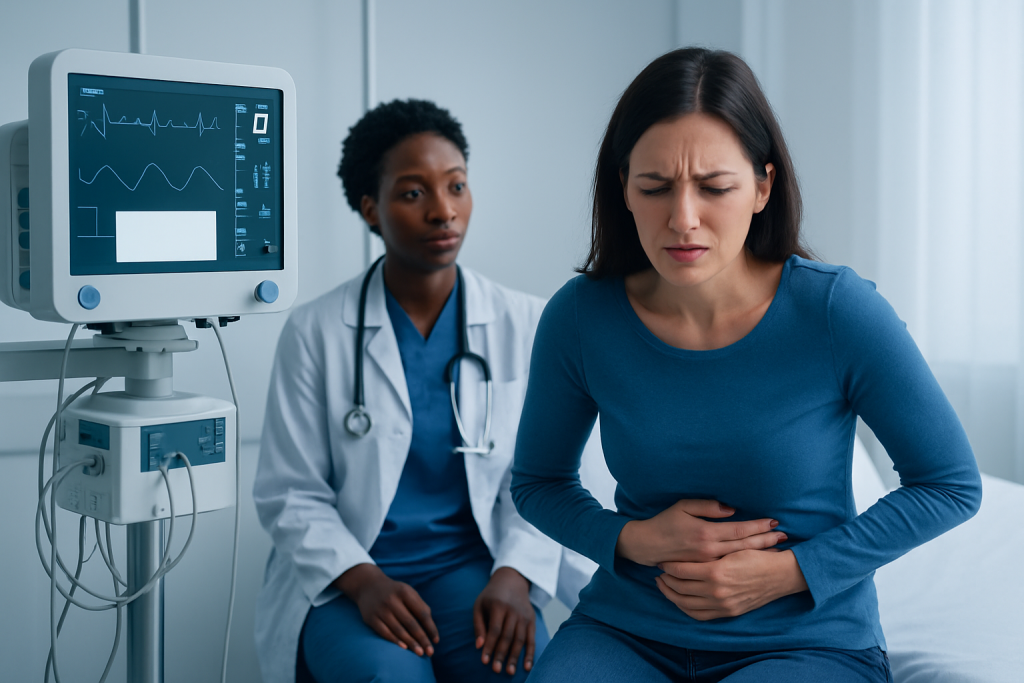
A terrible stomach ache after eating may feel sharp, burning, cramping, bloating, pressure-like, or gnawing. Some people describe fullness after only a few bites, while others feel pain only after a large or fatty meal. The quality and location of the pain can provide clues, but symptoms often overlap between conditions.
Other symptoms may occur at the same time, such as nausea, belching, heartburn, bloating, excess gas, diarrhea, constipation, or a sour taste in the mouth. Some people notice pain in the upper middle abdomen, under the right ribs, or lower in the abdomen. Pain that moves to the back or shoulder can happen with gallbladder or pancreatic problems.
Symptoms that deserve prompt attention include repeated vomiting, blood in vomit, black or tarry stools, fever, yellowing of the skin or eyes, unexplained weight loss, trouble swallowing, chest pain, fainting, or severe tenderness when the abdomen is touched. These features can suggest bleeding, infection, obstruction, inflammation, or another condition that needs urgent assessment.
Common causes and related conditions

Several digestive conditions can cause pain after eating. Indigestion, also called dyspepsia, may create burning, upper abdominal discomfort, early fullness, nausea, or bloating. Acid reflux can cause burning behind the breastbone or upper abdominal pain after meals. Gastritis and stomach ulcers may produce gnawing or burning pain, especially if the stomach lining is irritated by infection, anti-inflammatory medicines, alcohol, or excess acid.
Food-related causes are also common. Lactose intolerance, gluten-related disorders, and other food sensitivities can trigger cramping, bloating, diarrhea, and gas after eating certain foods. Irritable bowel syndrome may cause pain linked to bowel movements, bloating, and alternating constipation and diarrhea. Constipation itself can create pressure and discomfort that becomes more noticeable after meals because eating stimulates the bowels.
Pain in the upper right abdomen after a rich or fatty meal can suggest gallbladder disease, including gallstones. Pain that is severe, located in the upper abdomen, and may spread to the back can occur with pancreatic inflammation, which needs medical attention. More urgent but less common causes include bowel obstruction, appendicitis, reduced blood flow to the intestines, and inflammatory bowel disease. In some cases, abdominal pain that seems digestive may actually be referred pain from the heart, especially if it occurs with chest pressure, sweating, or shortness of breath.
How timing, location, and triggers help identify the cause
Doctors often start by asking exactly when the pain begins after food. Pain that starts during or soon after eating may be more consistent with reflux, gastritis, ulcers, functional dyspepsia, or difficulty processing a certain food. Pain that comes one to three hours later can fit better with gallbladder disease, intestinal cramping, or delayed stomach emptying.
Location matters too. Upper middle abdominal pain may come from indigestion, ulcers, reflux, or pancreatic problems. Pain under the right ribs is more suggestive of the gallbladder or liver area. Lower abdominal cramping may be linked to the colon, constipation, diarrhea, or irritable bowel syndrome. Generalized abdominal pain with bloating may reflect gas, infection, intolerance, or a broader digestive disturbance.
Triggers can provide additional clues. Fatty meals often worsen gallbladder symptoms. Dairy may trigger symptoms in lactose intolerance. Large meals, alcohol, caffeine, spicy foods, and late-night eating can aggravate reflux or indigestion. If symptoms seem to happen with a specific pattern, a doctor may recommend a food and symptom diary to support diagnosis and treatment planning.
Diagnosis: what a doctor may check
Diagnosis begins with a detailed history and physical examination. A doctor will usually ask where the pain is felt, how severe it is, how long it lasts, what foods trigger it, and whether there are related symptoms such as weight loss, fever, vomiting, diarrhea, constipation, black stools, or jaundice. A review of medications is important because some drugs, especially anti-inflammatory pain relievers, can irritate the stomach.
Depending on the pattern of symptoms, tests may include blood work, urine tests, stool tests, or breath tests for intolerance or infection. Imaging such as abdominal ultrasound can be especially helpful when gallbladder disease is suspected. CT scans may be used if there is concern about inflammation, obstruction, or complications.
Some people need specialist evaluation with procedures such as endoscopy to examine the esophagus, stomach, and upper small intestine. If symptoms suggest bowel disease, a doctor may consider colonoscopy or other tests. The goal is to identify the cause while also ruling out more serious conditions that may need urgent care.
Treatment options and symptom relief
Treatment depends on the cause. Indigestion, acid reflux, gastritis, constipation, and food intolerance are often managed with a combination of diet changes, meal pattern adjustments, and medicines recommended by a doctor. Treatment may include acid-lowering therapy, medicines for nausea, bowel habit support, or targeted treatment if an infection such as Helicobacter pylori is found.
If gallbladder disease is confirmed and symptoms are frequent or severe, a doctor may discuss procedures such as gallbladder surgery. Ulcers, inflammatory bowel disease, pancreatic disease, and intestinal disorders each require a tailored approach based on the underlying problem and severity. Self-treating repeatedly without a diagnosis may delay proper care.
General measures can help while waiting for medical advice. Eating smaller meals, chewing slowly, limiting greasy or very spicy foods, avoiding lying down right after eating, drinking enough water, and identifying trigger foods may reduce discomfort. However, these steps should not replace evaluation if pain is severe, recurrent, or associated with warning signs.
Prevention and self-care habits
Not every cause of a terrible stomach ache after eating can be prevented, but certain habits may lower the chance of symptoms. Regular meal timing, moderate portion sizes, and a balanced diet can support smoother digestion. Sudden large meals, especially after long periods without eating, can strain the digestive system in some people.
Helpful everyday steps may include:
- Eating slowly and avoiding overeating
- Reducing very fatty, fried, or heavily processed foods if they trigger symptoms
- Limiting alcohol if it worsens stomach irritation
- Managing constipation with fluids, activity, and fiber if appropriate
- Not smoking, as smoking can worsen ulcers and reflux
- Using pain relievers carefully and only as advised, since some can irritate the stomach lining
If symptoms are ongoing, structured evaluation is more useful than guessing. A symptom diary that notes meals, stress, bowel changes, and timing of pain can help a doctor distinguish among indigestion, intolerance, gallbladder disease, and bowel disorders. Near the end of the care pathway, some patients may benefit from assessment by multidisciplinary digestive specialists; Acibadem International’s JCI-accredited hospitals diagnose and treat digestive conditions for international patients.
When to seek medical care
A doctor should evaluate a terrible stomach ache after eating if it keeps returning, becomes more severe, wakes a person from sleep, or interferes with normal eating. Medical advice is also important if the pain is accompanied by unintended weight loss, ongoing bloating, persistent diarrhea or constipation, repeated nausea, loss of appetite, or symptoms of reflux that do not improve.
Urgent care is needed if the pain is sudden and severe, especially with fever, repeated vomiting, black stools, vomiting blood, yellowing of the skin or eyes, fainting, chest pain, shortness of breath, a rigid swollen abdomen, or inability to pass stool or gas. These symptoms can suggest a complication or another serious condition that requires rapid assessment.
Even when the cause turns out to be common, it is reasonable to seek care if symptoms are worrying or hard to explain. Persistent abdominal pain after meals should be diagnosed rather than assumed, because treatment is most effective when it is matched to the underlying cause.
Frequently asked questions
Why does a terrible stomach ache happen right after eating?
Pain that starts right after eating may be related to indigestion, acid reflux, gastritis, a stomach ulcer, or a reaction to a specific food. The exact cause depends on where the pain is felt, what other symptoms occur, and whether it happens with certain meals.
Can gas cause severe stomach pain after meals?
Yes. Gas and bloating can sometimes cause intense cramping or pressure, especially after eating quickly, overeating, or consuming foods that are hard to digest. However, severe or repeated pain should still be assessed if the cause is not clear.
When is stomach pain after eating an emergency?
It may be an emergency if the pain is sudden, severe, or comes with vomiting blood, black stools, fever, fainting, jaundice, chest pain, or a hard swollen abdomen. These signs can point to bleeding, infection, obstruction, or another urgent problem.
Could a food intolerance cause terrible stomach pain after eating?
Yes. Lactose intolerance and other food sensitivities can lead to cramping, bloating, diarrhea, and discomfort after eating trigger foods. A doctor may recommend a food diary or specific tests if intolerance is suspected.
What tests are used to find the cause of pain after meals?
Doctors may use a combination of history, physical examination, blood tests, stool tests, abdominal ultrasound, CT imaging, or endoscopy. The choice of tests depends on the location of pain, timing, severity, and any warning signs.
Should someone stop eating if every meal causes pain?
Ongoing pain with every meal should be evaluated by a doctor rather than managed by avoiding food alone. Temporary smaller, bland meals may be easier to tolerate, but persistent pain can lead to poor nutrition and may signal a condition that needs treatment.
References
- National Institute of Diabetes and Digestive and Kidney Diseases
- American College of Gastroenterology
- National Health Service
- Mayo Clinic
- Merck Manual Consumer Version
This article is for general information only and is not a substitute for professional medical advice. Please consult a qualified doctor about your individual situation.
Persistent digestive symptoms? Get evaluated in Turkey
JCI-accredited · board-certified surgeons · reply within 24h
Add us as a Preferred Source to see more of our trusted health content across Google Search, AI Overviews and Discover.