

Religious, Cultural, and Quiet Space Support in Turkish Hospitals

Religious, cultural, and quiet space support in Turkish hospitals refers to practical arrangements that help patients and families observe personal beliefs, cultural preferences, and private reflection during care. At Acibadem in Turkey, this support may include guidance on prayer or quiet spaces, help communicating dietary or modesty-related needs, and coordination with the care team to respect individual routines whenever medically…
When you are receiving care away from home, feeling respected in your faith, culture, language, and personal routines can make your hospital stay calmer. This guide explains what to ask for, how Turkish hospitals usually support religious and cultural needs, and how Acibadem International can help you plan ahead.
At a glance
- Best time to share needs: Before arrival, and again at admission
- Common support available: Prayer areas, interpreters, dietary notes, privacy requests
- Who to contact first: International Patient Services or your ward nurse
- Important reminder: Medical safety may affect timing, food, visitors, or items
- Helpful to bring: Written preferences, religious items, emergency contacts
Why religious and cultural comfort matters during care
Being in hospital can feel unfamiliar, especially when you are in another country. Your daily routines may change, your family may be far away, and you may need to explain needs that feel personal. Religious practices, cultural expectations, modesty preferences, language, food, and quiet time are all part of how you feel safe and grounded.
In Turkish hospitals, international patients are generally encouraged to share these needs clearly. You do not need to wait until there is a problem. It is appropriate to ask where you can pray, whether your diet can be noted, how to request an interpreter, or whether you can have quieter periods for rest and reflection.
At Acibadem International, the patient journey is supported by international patient services, interpreters, nursing teams, and hospital staff who are used to caring for people from many countries. The goal is to help you receive care with dignity while also keeping your medical plan safe, timely, and practical.
Prayer rooms, worship needs, and quiet reflection areas
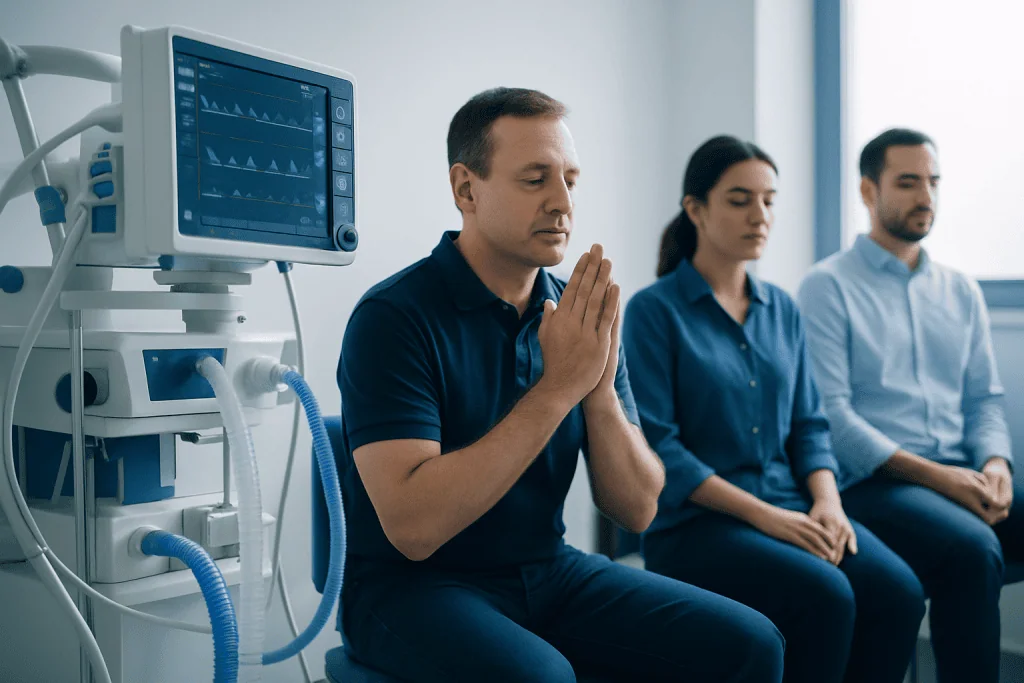
Many hospitals in Turkey provide designated prayer or reflection spaces, and staff can usually guide you to the nearest appropriate area. Availability, location, and access times can vary by hospital building and department, so it is best to ask at admission or through your international patient coordinator.
If you need to pray at certain times, explain this to your nurse as early as possible. In many situations, the care team can help you understand when tests, medication rounds, meals, or physiotherapy are planned, so you can arrange your day with less stress. If your medical condition requires monitoring or bed rest, staff can discuss safe options such as praying in your room or adapting your routine temporarily.
You may wish to bring small personal religious items such as prayer beads, a prayer mat, a small text, a head covering, or other meaningful items. Keep them easy to identify, avoid bringing valuables where possible, and ask staff before using candles, incense, oils, electrical devices, or anything with a scent, as these may not be permitted for safety, allergy, or infection-control reasons.
Modesty, privacy, gender preferences, and personal boundaries

Modesty expectations differ from person to person. You may feel more comfortable with certain clothing, a same-gender staff member for personal care where possible, limited exposure during examinations, or clear explanations before anyone enters your room. These preferences are valid and can be discussed respectfully with your care team.
Hospitals must balance privacy requests with staffing, emergency care, clinical urgency, and safety standards. While not every preference can be guaranteed at every moment, telling staff in advance gives them the best chance to accommodate you. For example, they may be able to knock before entering, provide extra gowns or sheets, explain who will be present, or plan non-urgent care at a more comfortable time.
If you are unsure how to explain a sensitive concern, ask for an interpreter or contact the international patient team. A simple written note can also help: “I prefer additional covering during examinations,” “Please explain before touching my body,” or “If possible, I prefer a female staff member for personal care.” Clear, calm communication is often the easiest way to protect your dignity during a busy hospital day.
Food, fasting, and dietary restrictions
Food is one of the most common areas where cultural and religious needs affect hospital comfort. You may follow halal, vegetarian, vegan, kosher-style, low-pork, no-alcohol, fasting, or other dietary practices. Tell the hospital before arrival if possible, then repeat the information when you are admitted so it can be recorded correctly.
Medical instructions may sometimes take priority over usual eating patterns. For example, you may be asked not to eat or drink before anesthesia, imaging, blood tests, or certain procedures. If you are fasting for religious reasons, speak with your doctor or nurse before continuing, especially if you have diabetes, are pregnant, are recovering from surgery, or take medicines that require food or water.
Practical steps can make meals easier:
- Ask whether your diet request is noted in your hospital file.
- Confirm whether family-provided food is allowed in your department.
- Check if any medicines contain ingredients you are concerned about.
- Tell staff about allergies separately from religious or cultural preferences.
- Ask your care team before using supplements, herbal teas, or traditional remedies.
Acibadem International teams can help you raise dietary questions before travel, but final decisions during hospitalization depend on your doctor’s instructions and hospital safety policies.
Language, interpretation, and culturally clear communication
When you are unwell, it is harder to understand medical information in a second language. Even if you speak English or Turkish well in daily life, you may prefer an interpreter for consent discussions, treatment planning, discharge instructions, or conversations about pain, symptoms, and personal needs.
Professional interpretation helps reduce misunderstandings. It is usually better not to rely only on children, relatives, or friends for sensitive medical information, although your companion can still support you emotionally. At Acibadem International, interpreter support and international patient services help many patients communicate with doctors, nurses, administrative teams, and hospital departments.
You can make communication smoother by preparing a short list of key phrases and preferences before admission. Include your preferred language, emergency contact, religious or cultural requests, dietary restrictions, allergies, and any topics you would rather discuss privately. Keep this information on your phone and, if possible, as a printed copy for admission.
Family, companions, visitors, and community support
For many international patients, family involvement is central to decision-making and emotional wellbeing. Turkish hospitals are generally familiar with family participation, but visiting rules, companion stays, intensive care access, pediatric policies, and infection-control measures vary by department and patient condition.
If you need a companion of a specific gender, a family member present for translation support, or time to speak with relatives before decisions, mention this early. Staff can explain what is possible and what may be limited by safety or privacy rules. In shared areas, it is also important to respect other patients’ need for rest, quiet, and confidentiality.
If a spiritual leader, community elder, or religious representative is important to you, ask whether a visit can be arranged or whether a phone or video call is more practical. Hospitals may need to coordinate timing, visitor identification, and unit rules. Planning ahead is especially helpful if you expect surgery, a long admission, or recovery time away from your usual community.
Creating calm: quiet spaces, rest, and emotional wellbeing
Hospitals can be busy places, with monitors, staff rounds, cleaning, visitors, and scheduled care throughout the day. If you are sensitive to noise, need time for meditation, or simply want a calmer environment, tell your nurse or patient coordinator. While a hospital can never be completely silent, small adjustments may help.
You can ask about quieter visiting times, whether your room door can be partially closed when safe, and how to reduce unnecessary interruptions during rest periods. Earplugs, an eye mask, prayer audio, calming music with headphones, or breathing exercises may also help, as long as they do not interfere with monitoring or staff communication.
Emotional comfort is not separate from good care. If you feel anxious, homesick, overwhelmed, or unable to sleep, please say so. Your team can help you understand what is normal during a hospital stay, when extra support may be useful, and how to involve family, interpreters, or patient services in a way that feels respectful to you.
Step by step
- Share your preferences before you travel. Send your religious, cultural, dietary, language, and privacy needs to your international patient contact before arrival. This gives the team time to note requests, guide you on what to bring, and explain what may depend on medical safety or department rules.
- Repeat key needs at admission. Even if you have already emailed your preferences, mention them again when you arrive at the hospital. Admission is the moment when practical details such as meals, interpreter needs, companion arrangements, and room preferences can be checked.
- Ask who your main contact is on the ward. Once you are in your room or unit, ask which nurse, coordinator, or staff member you should speak to for everyday concerns. Knowing the right contact helps you avoid repeating your story and makes it easier to request quiet time, prayer access, or family support.
- Clarify what is flexible and what is medical. Some requests can be adjusted easily, while others may be limited by surgery timing, fasting rules, medication schedules, infection control, or emergency care. Ask your team to explain the reason if something cannot be arranged in the way you expected.
- Use interpreter support for sensitive topics. For consent, symptoms, modesty, pain, diet, or family decision-making, request interpretation if there is any uncertainty. Clear communication protects both your comfort and your safety.
- Keep personal items simple and safe. Bring meaningful religious or comfort items, but avoid valuables or items that may not be allowed in a hospital environment. If you are unsure about oils, scents, electrical items, food, or textiles, ask staff before use.
- Review your discharge plan with your needs in mind. Before leaving hospital, ask how medicines, diet, wound care, follow-up, travel, and rest fit with your normal routines. If you are returning to another country, make sure instructions are clear in a language you understand.
Your checklist
- Preferred language and whether you need an interpreter
- Religious practices that may affect daily timing or privacy
- Dietary restrictions, allergies, and fasting plans
- Modesty preferences and gender-related care requests
- Companion or visitor needs, including family decision-making preferences
- Small religious or comfort items you plan to bring
- Emergency contacts and spiritual or community contacts
- Questions about prayer rooms, quiet spaces, or visiting hours
- Any supplements, herbal products, or traditional remedies you use
Key takeaways
- It is appropriate to discuss religious, cultural, dietary, privacy, and quiet-space needs before and during your hospital stay.
- Prayer rooms or reflection areas may be available, but access and timing can vary by hospital and department.
- Medical safety, infection control, and urgent care may affect food, fasting, visitors, personal items, or scheduling.
- Interpreter support is especially helpful for consent, symptoms, discharge instructions, and sensitive personal preferences.
- Acibadem International can help coordinate many practical needs for international patients, including communication, travel-related questions, and hospital guidance.
Frequently asked questions
Do Turkish hospitals usually have prayer rooms?
Many hospitals in Turkey have prayer or reflection areas, but the exact location, access rules, and opening times can vary. Ask your international patient coordinator, ward nurse, or reception team when you arrive. If you cannot leave your room for medical reasons, ask what can be arranged safely at the bedside.
Can I request halal, vegetarian, or other religious meals?
You can and should share dietary restrictions before admission and again when you arrive. The hospital will consider your request together with your medical diet, allergies, and any procedure-related fasting instructions. If family-provided food is important to you, ask whether it is allowed in your unit before bringing it.
What if I need to fast for religious reasons during treatment?
Please speak with your doctor or nurse before fasting during hospitalization. Some medicines, tests, anesthesia plans, or recovery needs require food or fluids at specific times. Your team can explain medical risks and discuss whether temporary adjustments are possible.
Can I ask for a female or male staff member?
Yes, you may express a gender preference for personal care or examinations. Hospitals will try to accommodate reasonable requests when staffing and clinical timing allow, but urgent or specialized care may limit what is possible. Telling the team early gives them the best chance to plan respectfully.
Will interpreters be available for cultural or religious concerns, not just medical conversations?
Interpreter support can often help with practical and personal topics as well as medical discussions. This may include explaining diet, privacy, visiting arrangements, prayer needs, or discharge instructions. At Acibadem International, international patient services can guide you on language support during your care journey.
Can a spiritual leader or community member visit me?
This may be possible, depending on hospital policy, department rules, your condition, and visiting hours. Ask staff in advance so they can advise on identification, timing, and whether an in-person visit or video call is more suitable. Intensive care, isolation rooms, or infection-control precautions may have stricter rules.
What should I do if the hospital environment feels too noisy or overwhelming?
Tell your nurse or patient coordinator that you need help creating a calmer rest routine. They may be able to suggest quieter times, reduce avoidable interruptions, or help you use safe comfort items such as headphones, an eye mask, or earplugs. If anxiety or sleep problems continue, let your medical team know.
Should I bring my own religious items to the hospital?
You may bring small personal items that support prayer, reflection, or comfort, such as prayer beads, a text, a head covering, or a prayer mat. Avoid bringing valuables, open flames, strong scents, or items that may interfere with hygiene or equipment. When in doubt, ask your ward team before using an item in your room.
Add us as a Preferred Source to see more of our trusted health content across Google Search, AI Overviews and Discover.
More Patient Guides

Managing Time Between Appointments in Turkey During Treatment
Managing time between appointments in Turkey is easier with a simple plan for rest, transport, meals, and safe sightseeing during treatment in…
9 min read
How to Stay Comfortable During a Multi-Day Hospital Stay in Turkey
Multi-day hospital stay in Turkey can feel easier with the right plan: pack smart, set routines, use interpreter support, and prepare for…
9 min read
After General Anesthesia in Turkey: Recovery Room, Nausea, and Going Back to Your Room
After general anesthesia in Turkey, you usually recover in a monitored room first, then return to your hospital room when you are…
8 min read