

Companion Checklist for Hotel Recovery Support in Turkey
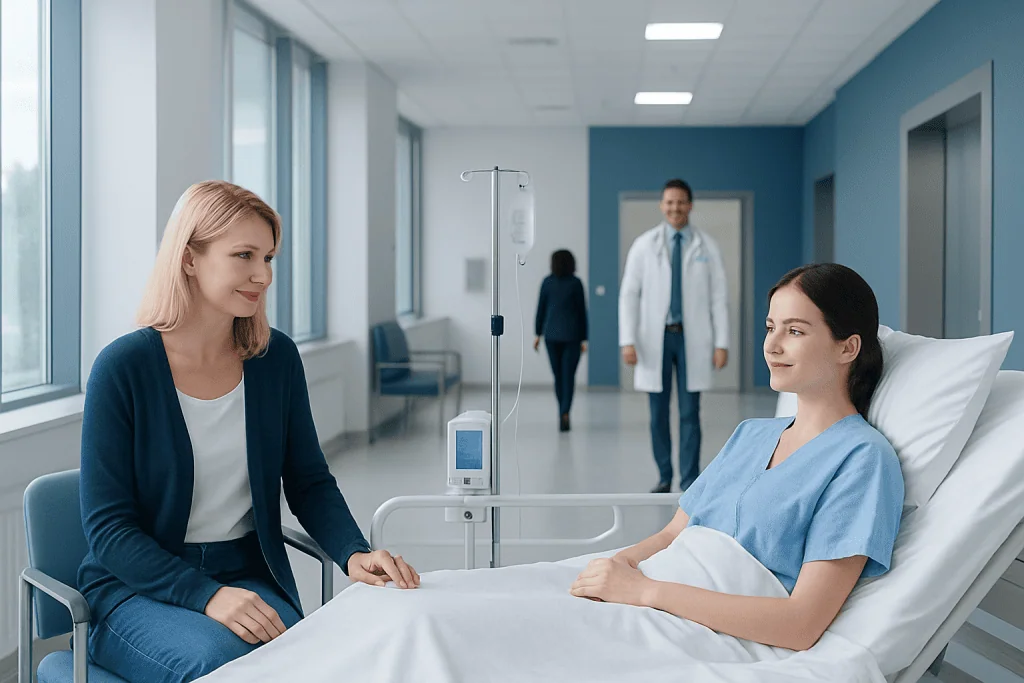
A companion checklist for hotel recovery support in Turkey helps a patient’s caregiver prepare for discharge, the hotel stay, and the return trip by covering daily care needs, mobility, hygiene, meals, medicines, warning signs, and follow-up planning. At Acibadem, this guidance is coordinated with the care team so companions understand practical recovery tasks and when to seek medical support during…
If you are supporting a loved one after treatment in Turkey, your role is to keep the hotel recovery period calm, organized and connected to the medical team. This guide helps you prepare the room, manage daily needs, communicate clearly and know when to ask for help.
At a glance
- Best for: Companions, spouses, adult children and friends supporting a patient in a hotel
- Main focus: Comfort, safety, communication, medicines, meals and transport
- Where it applies: Hotel stays in Turkey before follow-up visits or return travel
- Key support: International patient services, interpreters and care coordination when arranged
- When to call: Any new, worsening or unclear symptom, medication concern or urgent practical issue
Your role as a recovery companion
Being a companion during hotel recovery in Turkey is less about doing everything and more about creating a steady environment. You help the patient rest, follow the instructions they have been given, attend appointments on time and avoid unnecessary stress. You are also the person who notices small changes, asks practical questions and keeps important information in one place.
Try to agree on your role before discharge or before leaving the hospital or clinic area. Ask the patient how much help they want with personal tasks, meals, messages and visitors. Some people want quiet independence; others feel safer when you manage the schedule, medicines and transport. Respecting these preferences helps prevent tension during recovery.
At Acibadem International, international patient teams can help coordinate practical details such as interpreter support, appointment timing and communication with the relevant care team. Your companion role works best when you know who to contact, what language support is available and which instructions are most important for the first days in the hotel.
Set up the hotel room before the patient settles in
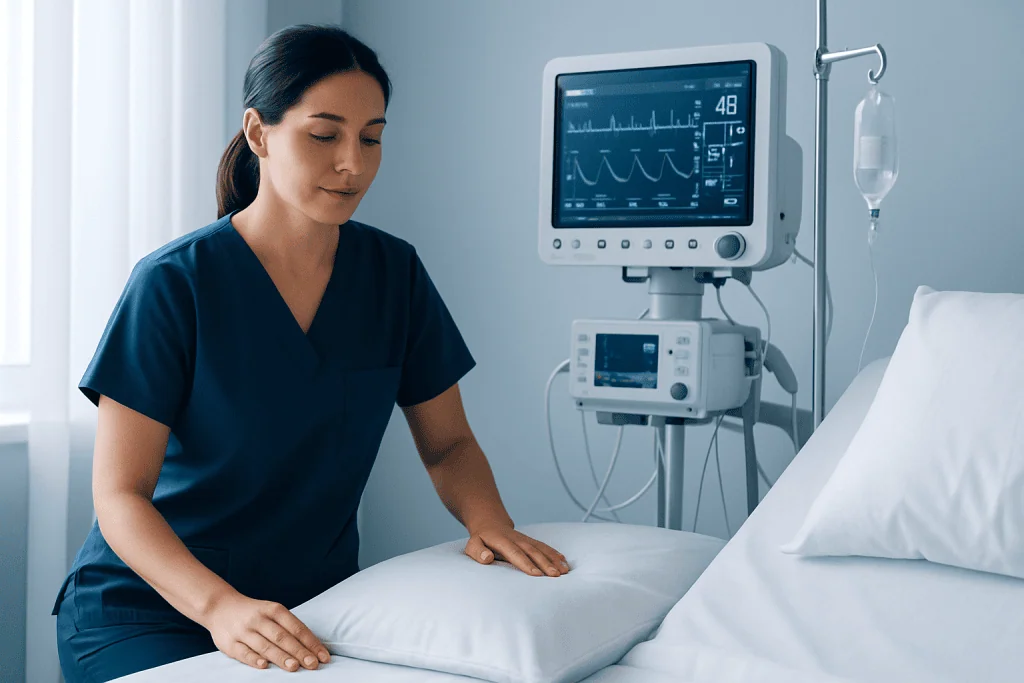
A calm room makes recovery easier. Before the patient rests, check that the bed is accessible, the walking path is clear and essential items are within arm’s reach. Place water, tissues, phone charger, prescribed medicines, appointment papers and the room phone close to the bed or sitting area.
Think about movement and comfort. Remove loose bags, shoes and cables from the floor. Keep slippers or safe footwear nearby. If the patient has limited mobility, ask the hotel in advance about elevators, shower access, non-slip bath mats, extra pillows, a firm chair and room service options. Do not wait until late evening to request these items.
It is helpful to create a simple recovery station. Use one table or drawer for medical papers, one place for medicines and one visible area for daily essentials. Avoid mixing prescription medicines with toiletries, snacks or other travelers’ medicines. This small organization step can prevent confusion when everyone is tired.
If the patient needs a quiet environment, consider room location. A room away from elevators, nightlife streets or construction noise may be more restful. Ask the hotel politely for support, and if Acibadem International’s patient services are assisting with accommodation arrangements, share recovery needs early so they can guide you on suitable options.
Keep medicines, instructions and appointments organized

Hotel recovery often involves several instructions: medicines, wound care guidance if applicable, activity limits, diet advice, follow-up appointments and travel timing. Your first task is to gather all written instructions and keep them together. If anything is unclear, ask before leaving the hospital or contact the care coordinator rather than guessing.
Use a simple medication log with the medicine name, dose as prescribed, time taken and any notes. Do not change, stop or add medicines unless the medical team advises it. If the patient feels nauseated, sleepy, dizzy or unsure about a medicine, contact the care team for guidance. This is especially important if the patient is also taking regular medicines from home.
Appointments should be visible to both of you. Add follow-up visits, dressing checks, lab tests, imaging, physiotherapy or consultations to a shared phone calendar and a paper note. Include travel time from the hotel, interpreter arrangements and the hospital entrance or department name if provided.
For international patients, language can be a real concern. Acibadem International can arrange interpreter support when requested and available, helping you understand instructions and ask questions. As a companion, prepare questions in advance and repeat back the plan in your own words to confirm you understood correctly.
Support meals, hydration and gentle daily routine
Food and hydration are practical parts of recovery, but they should follow the patient’s medical instructions. Some patients have diet restrictions, fasting instructions before tests or recommendations to avoid certain foods. Keep a copy of these instructions with you when ordering room service or eating out.
Choose simple, familiar foods when possible. Hotel buffets can be tempting, but they may involve long standing times, crowded spaces or foods that are too heavy for early recovery. Room service, light meals, soups, plain yogurt, cooked vegetables or other suitable options may be easier depending on the patient’s guidance. Avoid alcohol unless the medical team has clearly said it is safe.
Hydration is easy to overlook during travel. Keep bottled water nearby and encourage small, regular sips if allowed. If there are fluid restrictions or special instructions, follow those exactly. Track appetite, nausea, bowel changes or difficulty drinking, and report concerns if they are persistent or worsening.
A gentle routine can help the day feel manageable. Plan short periods for washing, meals, prescribed walking or movement, rest and communication with family back home. Avoid packing the day with sightseeing, shopping or social visits. Recovery time in Turkey is still medical time, even if you are staying in a hotel rather than a hospital room.
Plan safe transport for follow-ups and errands
Transport can become stressful if it is left to the last minute. Confirm the next appointment time, pickup point and expected travel duration the day before. Istanbul and other major Turkish cities can have heavy traffic, so allow extra time and avoid tight schedules. A relaxed arrival is better than rushing a recovering patient through a lobby or hospital entrance.
Choose transport that matches the patient’s condition and mobility. A standard taxi may be suitable for some people, while others may need a larger vehicle, easier step-in access or help with luggage. If the patient should avoid stairs, confirm elevator access at the hotel and ask where the vehicle can stop closest to the entrance.
For follow-up visits connected to Acibadem International, ask the international patient services team what transport support or guidance may be available. They may help you understand where to go, when to arrive and whether interpreter support has been arranged. Keep the hospital address, coordinator contact and patient identification details accessible during travel.
Limit unnecessary errands. If you need pharmacy items, groceries or documents printed, try to go while the patient is resting safely or use hotel assistance when appropriate. Never leave a patient alone if they feel unstable, confused, anxious or have been advised to have supervision.
Know when to contact the care team
As a companion, you are not expected to diagnose problems. Your responsibility is to notice changes and contact the appropriate medical team when something is new, worsening or unclear. It is always acceptable to ask for guidance if you are unsure whether a symptom is expected.
Before leaving the hospital or clinic, write down who to contact during working hours, after hours and in an emergency. Save phone numbers in both your phone and the patient’s phone. If you are using messaging with a coordinator, keep messages clear: patient name, date of birth or ID if requested, treatment date, current concern, temperature if relevant, medicines taken and a photo only if the team asks for one.
Seek urgent medical advice for symptoms such as breathing difficulty, chest pain, fainting, severe or increasing pain, heavy bleeding, sudden confusion, signs of allergic reaction, high fever as defined by the care team, or any symptom the discharge instructions describe as urgent. If you believe the situation is an emergency, use local emergency services or go to the nearest appropriate emergency department.
Acibadem’s JCI-accredited hospitals follow structured safety and quality processes, but hotel recovery still depends on timely communication. Do not wait until the next appointment if something feels significantly wrong. Early contact often makes the next step clearer and less stressful.
Step by step
- Confirm the written recovery plan. Before leaving the hospital or appointment, make sure you have written instructions in a language you understand or have interpreter-supported clarification. Confirm medicines, follow-up timing, activity guidance, diet advice and warning signs.
- Prepare the hotel room for rest and movement. Clear walking paths, place essentials near the bed and request practical items such as extra pillows, a shower mat or a firm chair if needed. Keep the room calm, clean and easy to navigate.
- Create a medicine and appointment log. Use a notebook or phone note to record medicine times, symptoms, questions and appointment details. This helps you give accurate information if the care team asks what happened and when.
- Arrange transport one day in advance. Confirm pickup time, travel duration and the hospital entrance or meeting point. Allow for traffic and the patient’s slower pace, especially after treatment or when mobility is limited.
- Plan simple meals and hydration. Follow the patient’s diet instructions and choose easy, safe options rather than rich or unfamiliar foods. Keep water available unless fluid intake has been restricted by the medical team.
- Protect rest time. Limit visitors, sightseeing and long phone calls during the early recovery period. Build the day around rest, short necessary activity and follow-up care rather than tourism.
- Contact the care team early when unsure. Do not try to interpret worrying symptoms alone. Use the contact details provided by the hospital, coordinator or international patient services team and share clear, specific information.
Your checklist
- Written discharge or recovery instructions
- Medication list and dosing schedule as prescribed
- Follow-up appointment dates, times and locations
- Care coordinator, interpreter and emergency contact numbers
- Patient passport, ID, insurance or payment documents if needed
- Comfortable clothing, safe footwear and weather-appropriate layers
- Phone chargers, adapter plugs and a power bank
- Bottled water and approved light snacks
- Notebook or phone note for symptoms, questions and medicine times
Key takeaways
- Set up the hotel room so the patient can rest, move safely and reach essentials easily.
- Keep medicines, instructions, appointments and contact numbers in one organized place.
- Use interpreter and international patient support services when language or logistics feel uncertain.
- Avoid over-scheduling; hotel recovery should prioritize rest, follow-up visits and gentle routine.
- Contact the care team promptly for new, worsening or unclear symptoms rather than guessing.
Frequently asked questions
Should I stay in the same hotel room as the patient?
It depends on the patient’s needs, privacy preferences and the medical team’s advice. In the early recovery period, many patients feel safer when a trusted companion is nearby, especially overnight. If you use separate rooms, agree on check-in times and make sure the patient can reach you quickly.
Can we go sightseeing during hotel recovery in Turkey?
Only if the medical team says the patient can safely do so, and even then it should be gentle and short. Early recovery is not the right time for long walks, crowded areas, heavy shopping or packed itineraries. Prioritize follow-up appointments, rest and hydration.
What should I do if instructions are unclear because of language?
Ask for clarification before acting. If you are being supported by Acibadem International, request interpreter assistance or contact your coordinator for guidance on how to communicate with the care team. It is better to ask the same question twice than to make assumptions about medicines or restrictions.
How do I manage medicines safely in the hotel?
Keep all medicines in one designated place, separate from toiletries and other travelers’ medicines. Follow the prescription exactly and record each dose when it is taken. Do not add painkillers, supplements or home medicines without checking whether they are safe with the patient’s current plan.
When should I call the hospital or care coordinator?
Call when symptoms are new, worsening, unexpected or mentioned as warning signs in the recovery instructions. You should also call if a medicine is missed, vomiting prevents medicine use, transport to an appointment becomes difficult or you are unsure what to do next. For severe or urgent symptoms, seek emergency medical care immediately.
What if the patient becomes anxious or frustrated in the hotel?
This can happen, especially after travel and treatment. Keep the environment quiet, offer choices where possible and avoid arguing about every small issue. If anxiety is intense, persistent or linked with concerning physical symptoms, contact the care team for advice.
Can hotel staff help with recovery needs?
Hotel staff can often help with practical needs such as extra pillows, room service, taxi calls, laundry or printing documents. They should not be asked to give medical advice or manage medicines. Keep medical questions for the hospital, doctor, nurse, coordinator or emergency services.
Add us as a Preferred Source to see more of our trusted health content across Google Search, AI Overviews and Discover.
More Patient Guides

At Acibadem, How We Support Family Members During Your Treatment Journey
Family support during treatment at Acibadem includes companion guidance, interpreters, visit planning, and practical help in Turkey.
8 min read
Booking a Companion Room in Turkey: What Patients Should Check
Booking a companion room in Turkey means checking room policy, costs, privacy, meals, visitor rules, and support before you travel.
8 min read
Companion Costs in Turkey: Budgeting for Meals, Transport, and Extra Nights
Companion costs in Turkey usually include meals, local transport, and extra hotel or hospital nights; plan a flexible daily budget for Istanbul.
9 min read