

Overnight Companion Rules in Turkish Hospital Rooms
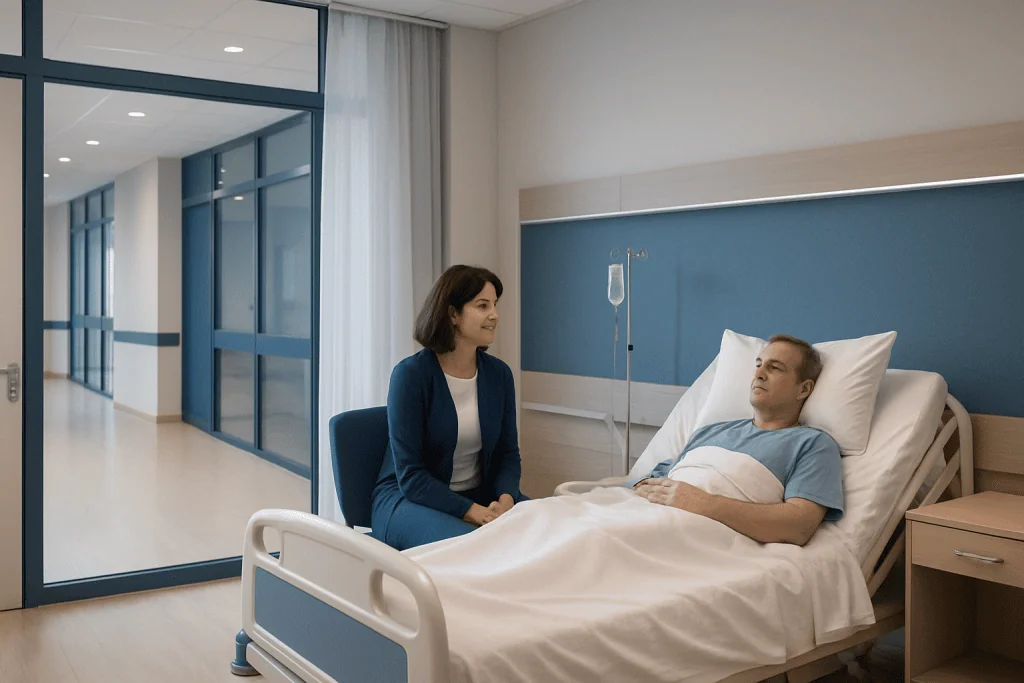
Overnight companion rules in Turkish hospital rooms define when a family member or caregiver may stay with a patient and what safety, privacy, and ward-specific conditions apply. At Acibadem in Turkey, these arrangements are explained by the care team and may vary by room type, the patient’s clinical needs, infection-control measures, and the policies of the relevant unit.
In many Turkish hospitals, having one trusted person stay with you overnight is common and can be very comforting. This guide explains what your companion can usually expect, how to prepare, and how Acibadem International supports patients and families during the hospital stay.
At a glance
- Typical overnight rule: Usually one approved adult companion may stay in the patient room, subject to ward policy
- Best person to choose: A calm adult who can assist with communication, comfort, and practical needs
- Documents to bring: Passport or national ID, patient information, and any hospital-issued visitor card
- Important limits: ICU, isolation rooms, pediatric units, and shared rooms may have stricter rules
- Support available: International patient teams can help with interpreters, room guidance, and accommodation options
What an overnight companion means in Turkey
In Turkey, an overnight companion is often called a refakatçi. This is usually a family member, friend, or caregiver who stays with you in your hospital room to provide emotional comfort and help with simple practical needs. The companion is not expected to replace nursing care, but they can help you feel less alone, especially if you are in a different country or do not speak Turkish.
Rules vary by hospital, medical unit, room type, and your condition. In many private hospitals, one adult companion may stay overnight in a single patient room, while shared rooms, intensive care areas, isolation areas, and certain specialized units may have tighter limits. The care team will always prioritize patient safety, infection prevention, rest, and privacy.
At Acibadem International, the International Patient Services team can help you understand the companion policy for your hospital and department before admission. If your companion is traveling with you, they can also receive practical guidance on check-in, hospital access, interpretation support, nearby accommodation, and daily hospital routines.
Who can stay with you overnight
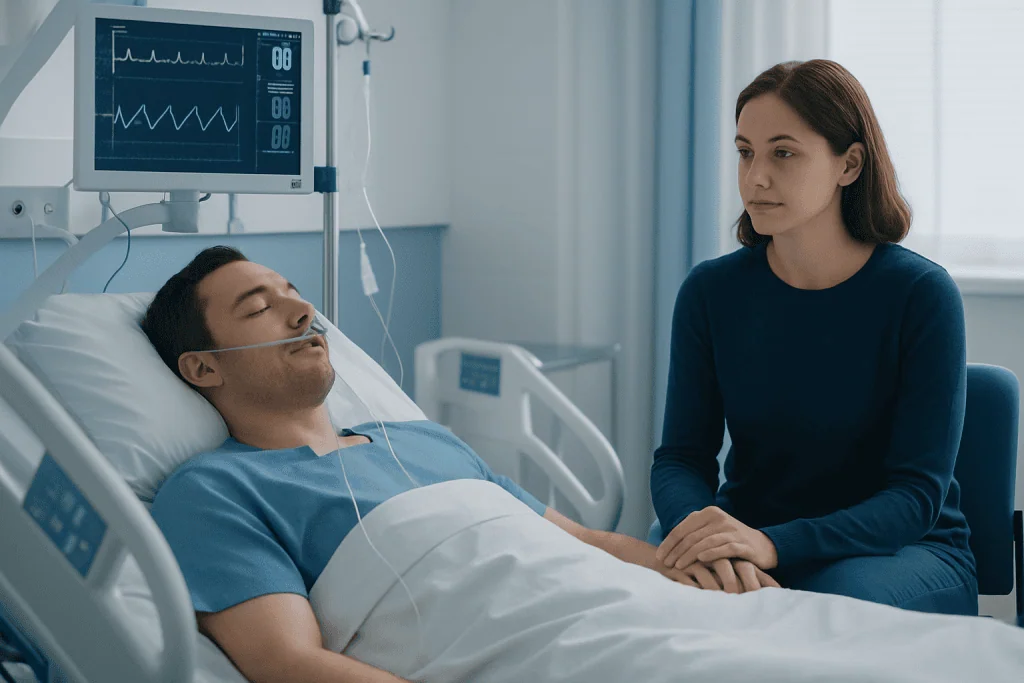
The best overnight companion is a responsible adult who can remain calm, follow hospital instructions, and support you without becoming overwhelmed. This person may be your spouse, adult child, parent, sibling, close friend, or professional caregiver. Hospitals generally prefer one consistent companion rather than frequent changes, because this supports security and reduces disruption on the ward.
Your companion should be healthy and free of symptoms such as fever, cough, vomiting, diarrhea, or contagious rash. If they feel unwell, they should tell the ward team and avoid staying overnight. Hospitals may also restrict overnight companions who are very young, unable to care for themselves, or unable to follow safety instructions.
For pediatric patients, maternity stays, elderly patients, patients with mobility needs, and international patients who need language support, companion arrangements may be especially important. Even then, permission depends on the unit rules and the patient care plan. If you have a special family situation, it is best to discuss it early rather than waiting until the evening of admission.
Registration, ID, and hospital access

Your companion should bring a valid passport or national ID. At admission or on the ward, the hospital may register the companion, issue a visitor or companion card, and explain where they may enter. Security procedures are normal in Turkish hospitals and help protect patients, staff, and visitors.
Some hospitals ask companions to wear a wristband, badge, or lanyard, especially outside standard visiting hours. Your companion may be asked to show this identification when entering the inpatient floor, returning from the cafeteria, or passing security at night. It is important not to share a companion card with another person unless the ward has approved a change.
If you want to change the person staying overnight, tell the nurse or patient services team in advance. A simple handover helps the hospital know who is responsible for staying with you and prevents confusion at reception or security. For international families, Acibadem International can help explain the process in your preferred language whenever possible.
Room facilities, meals, and comfort expectations
Many private hospital rooms in Turkey include a chair, recliner, or sofa bed for one companion, but comfort and space vary by room category and hospital building. You should not assume that a full extra bed, private bathroom supplies, or hotel-style service will be available unless confirmed. Hospital rooms are designed first for patient care, so medical equipment, nurse access, and hygiene come before guest comfort.
Companion meals may or may not be included, depending on the hospital policy, room package, and admission arrangement. Your companion can usually use hospital cafeterias, cafes, vending areas, or nearby food services, but food brought into the room may be limited for hygiene, allergy, or dietary reasons. If you are on a medically controlled diet, your companion should not offer you outside food or drinks unless the care team confirms it is safe.
It is wise for your companion to pack lightly. Useful items include a phone charger, toiletries, comfortable clothing, prescription medicines, glasses, and a small amount of local currency or a payment card. Large suitcases, valuables, strong perfumes, and noisy electronics can make the room crowded and less restful.
Etiquette, quiet hours, and patient privacy
Hospital rooms need to stay quiet, clean, and accessible. Your companion should keep phone calls brief, use headphones, lower screen brightness at night, and step outside for longer conversations. During nursing care, doctor rounds, procedures in the room, or personal hygiene support, the team may ask the companion to wait outside to protect your privacy and dignity.
Visitors and overnight companions are different. Your companion is the approved person staying with you, while other family members may need to follow visiting hours and visitor number limits. If many relatives are traveling with you, consider arranging a rotation outside the hospital, such as at a nearby hotel, rather than gathering in the patient room.
Good companion etiquette includes following hand hygiene instructions, keeping belongings tidy, not sitting on the patient bed unless invited by staff, and avoiding interference with monitors, IV lines, drains, call buttons, or medical devices. If your companion is unsure what is allowed, they should ask the nurse. A respectful question is always better than guessing.
When overnight stays may be restricted
There are times when the hospital may limit or pause overnight companion access. This can happen in intensive care units, high-dependency units, recovery areas, isolation rooms, infection-control situations, or rooms where another patient is sharing the space. Restrictions can also change during outbreaks, renovation work, emergencies, or changes in national health guidance.
If companion access is not possible, ask what alternatives are available. Options may include scheduled visiting times, video calls, updates through an appointed family contact, interpreter-supported calls, or nearby accommodation for relatives. For international patients, it is helpful to decide in advance who should receive updates and how the hospital should contact them.
Acibadem International teams are used to supporting families who have traveled long distances and may be anxious when access is limited. While they cannot override clinical safety rules, they can help clarify expectations, coordinate communication, and guide companions toward practical options such as hotel arrangements or waiting areas where available.
Step by step
- Confirm the policy before admission. Ask your international patient coordinator or admission contact whether one overnight companion is allowed for your room and medical unit. Confirm any special rules for ICU, maternity, pediatric care, isolation precautions, or shared rooms.
- Choose one main companion. Select a calm, reliable adult who can stay organized and communicate with the care team. If several family members are traveling, decide who will be the main companion and who will stay at the hotel or visit during allowed hours.
- Prepare documents and essentials. Your companion should bring a passport or national ID, phone charger, toiletries, medications, and comfortable clothing. Keep luggage small because hospital rooms have limited space and must remain accessible for nurses and equipment.
- Register at the hospital. At admission, ask where the companion should register and whether a card, badge, or wristband is required. Make sure the registered name matches the person actually staying overnight to avoid access issues later.
- Ask about meals and sleeping arrangements. Clarify whether companion meals are included or should be purchased separately. Also ask what sleeping option is available in the room, such as a recliner or sofa bed, so your companion knows what to expect.
- Agree on communication routines. Choose one family contact for updates if possible, especially when relatives are in different countries. If you need interpretation, ask the international patient team how to request language support for important conversations.
- Follow ward etiquette from the first evening. Keep noise low, maintain hand hygiene, and ask staff before bringing food, moving furniture, or helping with mobility. Your companion should step outside whenever staff request privacy for care, examinations, or room procedures.
Your checklist
- Confirm whether one overnight companion is permitted in your specific unit
- Bring companion passport or national ID for registration
- Ask if a companion badge, card, or wristband is required
- Pack light clothing, toiletries, phone charger, and personal medicines
- Clarify whether companion meals are included or purchased separately
- Check visiting hours for other family members and friends
- Ask about interpreter support for important discussions
- Keep valuables secure and avoid bringing unnecessary luggage
- Tell the ward team before changing the overnight companion
- Follow hygiene, quiet hours, and privacy instructions at all times
Key takeaways
- Most Turkish hospitals may allow one approved adult companion overnight, but rules depend on the unit, room type, and safety situation.
- Your companion should register properly, carry ID, and follow security and ward access instructions.
- Hospital rooms are care spaces first, so quiet behavior, hygiene, privacy, and clear access for staff are essential.
- Meals, sleeping arrangements, and visitor changes should be clarified before or during admission.
- Acibadem International can help international patients and families understand companion rules, language support, and practical travel needs.
Frequently asked questions
Can my family member stay overnight with me in a Turkish hospital?
In many private Turkish hospitals, one adult companion may stay overnight in a standard inpatient room. This depends on the department, your medical condition, room type, and current hospital policy. Always confirm before admission, especially if you will be in ICU, an isolation room, or a shared room.
Can two companions stay in the same hospital room?
Usually, overnight stays are limited to one approved companion to protect rest, privacy, and safety. Additional relatives may be able to visit during visiting hours, but they may not be allowed to remain overnight. If you have a special need, ask the ward manager or international patient team in advance.
Does my companion need to speak Turkish?
It is helpful but not always necessary. International patient services and interpreters can support important communication in many situations, especially at hospitals experienced with overseas patients. For safety, your companion should still learn simple routines such as how to call the nurse and where to go for assistance.
Are companion meals included during the hospital stay?
Companion meal arrangements vary by hospital, room category, and admission plan. Some settings may offer companion meal options, while others expect companions to use the cafeteria or nearby food services. Ask during admission so your companion can plan ahead.
Can my companion bring food or drinks into my room?
This may be restricted for hygiene, allergy, or dietary reasons. If you are fasting, recovering from treatment, or on a special diet, your companion should not offer outside food or drinks unless the care team says it is allowed. The safest approach is to ask the nurse first.
What happens if my companion becomes ill?
If your companion develops fever, cough, stomach symptoms, or any contagious condition, they should inform the ward team and avoid staying in the room. The hospital may ask another registered adult to replace them or may recommend hotel rest until they are well. This protects you and other patients.
Can my companion help me walk or move around?
Your companion should not help you stand, walk, shower, or transfer unless the care team has explained that it is safe. After surgery, treatment, sedation, or illness, falls can happen quickly. Use the call button and let nurses guide safe movement.
How can Acibadem International help my companion?
Acibadem International can help explain hospital access, companion registration, interpreter options, and practical arrangements for families traveling to Turkey. The team can also guide companions on nearby accommodation and hospital routines. Clinical and safety rules still remain under the responsibility of the hospital department caring for you.
Add us as a Preferred Source to see more of our trusted health content across Google Search, AI Overviews and Discover.
More Patient Guides

At Acibadem, How We Support Family Members During Your Treatment Journey
Family support during treatment at Acibadem includes companion guidance, interpreters, visit planning, and practical help in Turkey.
8 min read
Booking a Companion Room in Turkey: What Patients Should Check
Booking a companion room in Turkey means checking room policy, costs, privacy, meals, visitor rules, and support before you travel.
8 min read
Companion Costs in Turkey: Budgeting for Meals, Transport, and Extra Nights
Companion costs in Turkey usually include meals, local transport, and extra hotel or hospital nights; plan a flexible daily budget for Istanbul.
9 min read