

Remote Family Communication Plan During Treatment in Turkey

A remote family communication plan during treatment in Turkey is a simple schedule for sharing updates, key contacts, and preferred communication methods so relatives can stay informed while the patient focuses on care. At Acibadem International, this is typically organized through the patient’s care team and international patient services, using agreed channels for medical updates, practical coordination, and language support…
When you travel to Turkey for medical care, your loved ones may be far away but still deeply involved. A clear remote family communication plan helps everyone feel informed, reassured, and respectful of your privacy while you focus on treatment and recovery.
At a glance
- Best time to plan: Before you travel, then update after your first hospital appointment
- Main goal: Keep family informed without overwhelming you or your care team
- Key tools: One family contact person, secure messaging, shared schedule, interpreter support
- Privacy focus: Decide what can be shared, with whom, and how often
- Helpful support: International patient services can assist with communication logistics
Why a communication plan matters when your family is far away
Receiving treatment in another country can make ordinary family communication feel more complicated. Time zones, hospital schedules, medical terminology, and emotional stress can all lead to missed calls or misunderstandings. A remote family communication plan gives you a simple structure: who receives updates, when they receive them, and what information is shared.
This plan is not about creating more pressure for you. It is about protecting your energy while helping loved ones feel connected. Instead of answering the same questions several times a day, you can choose one trusted person to gather information and update others. This can be especially helpful during busy treatment days, recovery periods, or moments when you simply need rest.
At Acibadem International, many international patients arrive with relatives at home who want to follow the journey closely. International patient teams, interpreters, and care coordinators can help you understand hospital processes and prepare practical communication steps, while clinical decisions remain between you and your medical team.
Choose one main family contact and define roles early
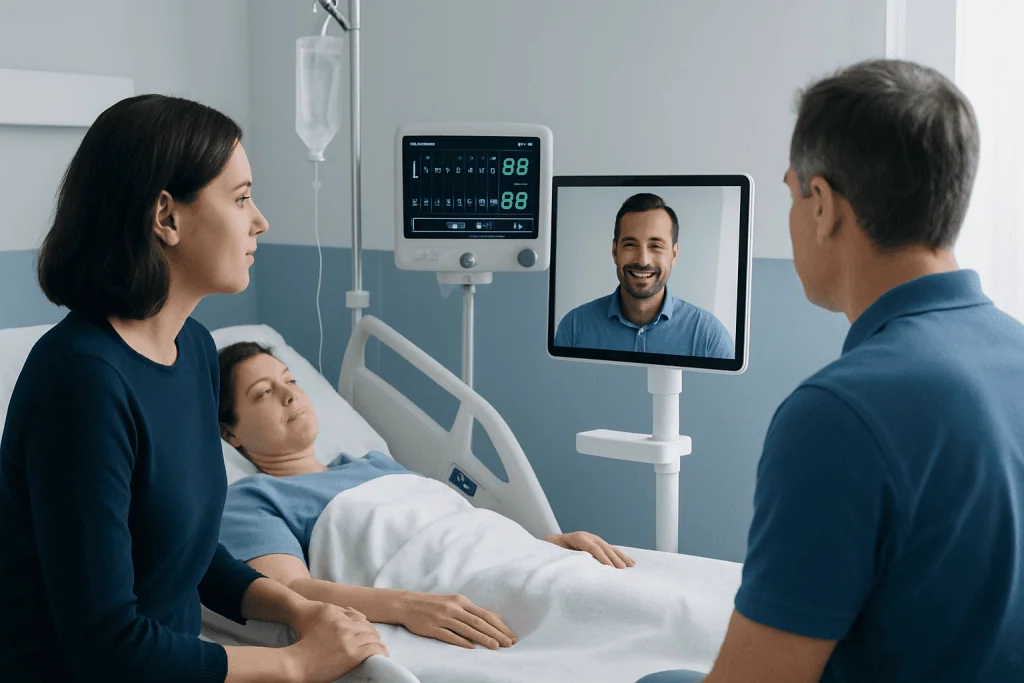
The simplest and most effective step is to choose one primary family contact. This person becomes the main receiver of updates and the person who shares news with the wider family. They do not need to make medical decisions unless you formally authorize them to do so; their role can simply be to reduce message traffic and keep everyone aligned.
Choose someone calm, reliable, and comfortable with details. They should be able to keep information confidential, avoid spreading rumors, and summarize updates clearly. If your family has many concerned relatives, it may help to choose a second backup contact in case the main person is asleep, traveling, or unavailable because of time-zone differences.
You may want to assign practical roles before travel, such as:
- One person to receive medical and schedule updates from you.
- One person to coordinate messages to extended family or friends.
- One person to help with documents, insurance questions, or travel changes.
- One person to support children, elderly relatives, or dependents at home.
Clear roles prevent multiple people from asking the hospital, your companion, or you for the same information. They also help your family support you in a calm, organized way rather than reacting urgently to every small change in schedule.
Set a realistic update rhythm that protects your rest

Before treatment begins, agree on how often you will send updates. Many families do well with one planned update per day, or one update after each important appointment. During active treatment or recovery, you may prefer shorter messages such as, “I am back in my room, resting, and will update tomorrow.” This reassures loved ones without requiring a long conversation when you are tired.
It is also helpful to decide what does not require an immediate update. Minor delays, routine waiting, medication timing, or normal hospital observations may not need to be shared in real time. Medical care often involves schedule adjustments, and not every change means something is wrong. Letting your family know this in advance can prevent unnecessary worry.
If you are receiving care at an Acibadem hospital, your international patient contact can often explain general appointment flow, interpreter arrangements, and where your companion should go. This can make it easier to tell your family when updates are likely, such as after consultations, imaging, discharge planning, or follow-up visits.
Use safe, simple tools for messages, documents, and video calls
Choose communication tools that everyone can use easily. A family messaging group may work well for general updates, while sensitive medical documents should be shared more carefully. Avoid posting private medical information in large social groups unless you are fully comfortable with everyone seeing it. Your health information is personal, and you can decide how much to share.
For practical coordination, consider using a shared calendar with appointment times, travel dates, and expected call windows. Remember to include both Turkey time and your family’s local time if there is a difference. A shared notes document can help your family contact collect questions before consultations, so you do not have to search through many messages.
Useful tools may include:
- A private messaging group for short daily updates.
- A shared calendar for appointments and travel logistics.
- A secure folder for non-sensitive travel documents and approved medical files.
- Video calls for planned family conversations when you feel well enough.
- Voice notes when typing is tiring but you still want to be heard.
Keep passwords private, use device locks, and avoid sending documents through unfamiliar platforms. If a document needs to be translated, uploaded, or printed for hospital use, ask your international patient contact what format is preferred before sending multiple versions.
Plan for language, time zones, and medical terminology
Even when your care team explains things carefully, medical information can feel overwhelming, especially in a second language or after a long travel day. Interpreters can help you understand consultations, instructions, and next steps. If your family is joining remotely, decide in advance whether they will listen to a call, receive a summary afterward, or send questions through your main contact.
Time zones deserve special attention. A convenient evening call in Turkey may be early morning or late night for relatives elsewhere. Place all key appointment times in one shared time zone format, such as “Istanbul time plus your local time.” This small detail can prevent missed calls and anxious waiting.
When medical terms are discussed, ask for plain-language explanations. You can request written instructions for medications, wound care, diet, mobility, or follow-up planning when appropriate. Your family contact can then share a short, accurate summary rather than trying to interpret complex terms from memory.
Respect privacy, consent, and emotional boundaries
Your family may want frequent details because they care about you, but you are not obligated to share everything. Before you travel, decide what information is private, what can be shared with close family, and what can be shared more widely. You might be comfortable sharing appointment progress but not test details, images, diagnoses, or emotional concerns.
If someone else will speak with the hospital or receive information on your behalf, ask what consent or authorization is required. Hospitals must protect patient confidentiality, and staff may not be able to discuss your care with relatives unless the proper permissions are in place. This is a safety measure, not a barrier.
Emotional boundaries matter too. Some patients find constant encouragement helpful; others find repeated questions exhausting. You can prepare a kind message such as, “I appreciate your care. I will send updates through my sister once a day so I can rest between appointments.” Clear boundaries often make family communication warmer, not colder, because everyone knows what to expect.
Prepare for urgent changes without creating alarm
Most communication during treatment is routine, but it is still wise to plan for urgent situations. Decide who should be contacted first if your schedule changes suddenly, if you are admitted longer than expected, or if your companion needs help with travel arrangements. Keep important phone numbers in one place, including your hospital contact, hotel, companion, family contact, embassy or consulate if relevant, and travel insurance assistance line.
A good urgent communication plan uses calm language. For example, your companion or main contact might write, “The doctor has recommended extra observation tonight. We are at the hospital, the team is monitoring the situation, and we will update you again at 20:00 Turkey time.” This gives facts, reassurance, and a next update time without speculation.
Acibadem International’s international patient services can help with practical coordination such as interpreter access, hospital navigation, and in many cases guidance around accommodation or travel changes. For medical questions, your treating team remains the right source. For logistics, your patient services contact can help you understand the next steps more smoothly.
Step by step
- List everyone who needs updates. Write down close relatives, friends, caregivers, and anyone managing responsibilities at home. Then decide who truly needs detailed updates and who only needs occasional reassurance.
- Choose your primary family contact. Select one trusted person to receive updates from you or your companion and share them onward. Tell the wider family that this person is the main communication point during your treatment in Turkey.
- Agree on update frequency. Set a routine such as once daily, after major appointments, or only when there is a meaningful change. Add a backup phrase like “resting today, no new update” so your family does not worry during quiet periods.
- Prepare a shared schedule. Create a simple calendar with travel days, consultations, expected treatment dates, recovery time, and follow-up appointments. Include Turkey time and your family’s local time to avoid confusion.
- Decide privacy rules. Choose what can be shared, who can receive it, and whether photos, documents, or test results should remain private. If someone may speak with the hospital on your behalf, ask about the required consent process.
- Set up interpreter-supported communication when needed. If your family needs to understand medical instructions, plan how information will be summarized after interpreted consultations. Avoid relying on rushed translations from relatives when important care instructions are involved.
- Create an urgent contact plan. Save key numbers for your companion, hospital contact, hotel, family contact, and travel insurance assistance. Decide who sends urgent updates and what information should be included.
- Review the plan after your first appointment. Once you understand the hospital schedule better, adjust your update rhythm and contact roles. Treatment plans can evolve, so your communication plan should remain flexible and realistic.
Your checklist
- Primary family contact and backup contact chosen
- Family messaging group created with clear rules
- Daily or appointment-based update rhythm agreed
- Shared calendar includes Turkey time and home time zone
- Privacy preferences written down and shared with key people
- Important phone numbers saved on your phone and on paper
- Interpreter needs discussed with international patient services
- Consent requirements checked if a relative will receive information
- Short message templates prepared for routine and urgent updates
- Document-sharing method chosen for approved files only
Key takeaways
- A remote family communication plan helps relatives stay informed without overwhelming you during treatment.
- One main family contact reduces repeated questions and keeps messages organized.
- Planned update times are especially helpful across time zones and during recovery periods.
- Privacy and consent should be discussed before anyone receives medical information on your behalf.
- International patient services, interpreters, and care coordinators can support communication logistics while your medical team manages clinical care.
Frequently asked questions
Should my family join medical consultations by video call?
This depends on your preference, the appointment setting, and hospital policies. Some patients like having a relative listen and take notes, while others prefer to speak with the doctor privately and share a summary later. Ask your care coordinator in advance so expectations are clear and interpreter support can be arranged if appropriate.
How often should I update relatives during treatment in Turkey?
For many families, one planned update per day is enough unless there is an important change. You can also send updates after key consultations or procedures. The most important point is to set expectations before treatment begins, so silence is not misinterpreted as bad news.
Can Acibadem International speak directly with my family abroad?
Patient privacy rules apply, so staff may need your consent before sharing information with anyone else. International patient teams can guide you on communication logistics and help with interpreter arrangements. For clinical information, your treating physician and care team are the appropriate source.
What if my relatives keep messaging me too much?
It is acceptable to set a gentle boundary. You can say that you appreciate their concern but need rest, and that updates will come through one named contact. Most families respond well when they know when the next update will arrive.
What information should I avoid sharing in a family group chat?
Avoid sharing sensitive documents, detailed test results, identity documents, or photos unless you are comfortable with everyone in the group seeing them. Large group chats can easily include people you did not intend to inform. Use a more private method for personal medical information.
How can we manage time-zone differences?
Write appointment and call times in both Turkey time and your family’s local time. A shared calendar can reduce confusion and missed calls. If your family is spread across several countries, ask your main contact to coordinate a reasonable update window.
What should my companion in Turkey tell family members after treatment?
Your companion should share only what you have agreed can be shared. A helpful update includes where you are, whether you are resting, any confirmed next steps, and when the next message will be sent. They should avoid guessing or interpreting medical details beyond what the care team has explained.
Add us as a Preferred Source to see more of our trusted health content across Google Search, AI Overviews and Discover.
More Patient Guides

At Acibadem, How We Support Family Members During Your Treatment Journey
Family support during treatment at Acibadem includes companion guidance, interpreters, visit planning, and practical help in Turkey.
8 min read
Booking a Companion Room in Turkey: What Patients Should Check
Booking a companion room in Turkey means checking room policy, costs, privacy, meals, visitor rules, and support before you travel.
8 min read
Companion Costs in Turkey: Budgeting for Meals, Transport, and Extra Nights
Companion costs in Turkey usually include meals, local transport, and extra hotel or hospital nights; plan a flexible daily budget for Istanbul.
9 min read