

Traveling Alone to Turkey for Treatment: Support Options

Traveling alone to Turkey for treatment is manageable with the right planning and support, including help with appointments, airport and local transfers, accommodation arrangements, interpretation, and in-hospital guidance. At Acibadem International, international patient teams coordinate these non-medical services to help solo travelers move through diagnosis, treatment, and follow-up more smoothly.
Traveling alone for treatment can feel like a big step, but you do not have to manage every detail by yourself. This guide explains the practical support options that can help you feel prepared, informed and accompanied throughout your medical journey in Turkey.
At a glance
- Best for: Patients traveling to Turkey without a family member or companion
- Main support areas: Airport arrival, hospital navigation, interpretation, appointments and discharge planning
- Before you travel: Share medical records, confirm your treatment plan and discuss mobility or daily-care needs
- During your stay: Use international patient coordinators, interpreters and nursing guidance when available
- Important note: Some procedures may require a companion or paid caregiver support after discharge
You Can Travel Alone, But You Should Not Feel Unsupported
Many international patients come to Turkey on their own for consultations, diagnostics, surgery or ongoing treatment. You may be independent and confident with travel, or you may simply not have a family member who can take time away from home. Either situation is understandable, and with the right preparation, solo medical travel can be organized in a calm and practical way.
The key is to think beyond the flight and appointment date. You will need support for communication, hospital navigation, transportation, recovery arrangements, prescriptions, paperwork and your return home. Planning these details before you arrive helps reduce stress when you are tired, fasting for tests, recovering from anesthesia or processing new medical information.
At Acibadem International, international patient services can help coordinate many non-clinical steps of your visit, including appointment scheduling, interpreter support, airport and transfer guidance, and communication with hospital departments. The goal is not to replace your medical team or your loved ones, but to make sure you have a clear point of contact and do not feel lost in an unfamiliar system.
Before You Book: Questions to Clarify If You Are Coming Alone
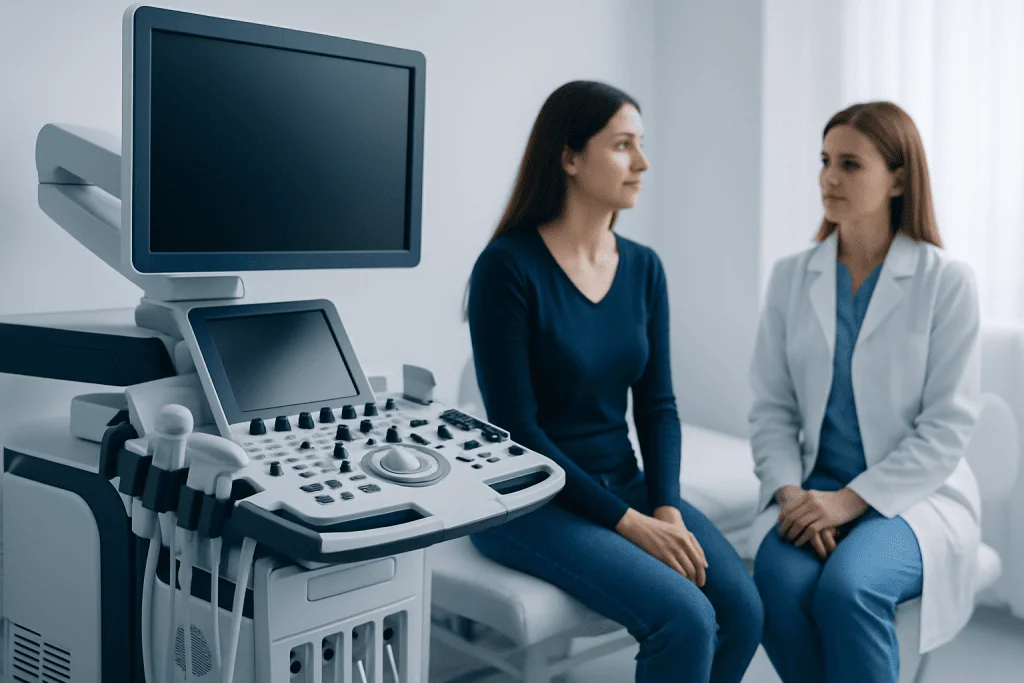
Before confirming travel, tell the international patient team that you will be coming without a companion. This is important because your needs may be different from someone arriving with a spouse, parent or friend. The team can help you understand what is realistic, what may require extra arrangements and which questions to ask your doctor before you travel.
You should clarify whether your expected treatment requires someone to accompany you after discharge. For some outpatient consultations, imaging tests or minor procedures, you may be able to move around independently. For surgery, sedation, mobility-limiting treatment or complex recovery, you may need a companion, a caregiver, extended hospital observation or a hotel arrangement close to the hospital.
Useful questions to ask in advance include:
- Will I be able to leave the hospital alone after my procedure?
- How long should I stay in Turkey before flying home?
- Will I need help with walking, bathing, meals or medication reminders?
- Can interpreter support be arranged for consultations and hospital admission?
- Who should I contact if my symptoms change while I am at the hotel?
Airport, Transfers and First-Day Support

Your first day in Turkey should be as simple as possible. If you are traveling alone, avoid planning a complicated arrival with multiple connections, heavy luggage or late-night navigation in an unfamiliar city. Share your flight details in advance with the international patient services team if transfer support is being arranged, and keep your phone charged so you can receive messages after landing.
Many patients find it reassuring to have airport-to-hotel or airport-to-hospital transportation planned before departure. This is especially useful if you are arriving after a long flight, taking medication, using mobility aids or feeling anxious about language differences. Keep essential items such as passport, medical documents, medications, phone charger and hospital contact details in your hand luggage, not in checked baggage.
On arrival, your first priority is to get settled and rest. If you have an appointment soon after landing, confirm the time, hospital location, building entrance and whether fasting is required. Acibadem International’s support teams can help guide you through where to go and whom to meet, which can make the first hospital visit much less overwhelming.
Language, Appointments and Understanding Medical Information
When you are traveling alone, good communication becomes even more important. You may be making decisions without a family member in the room, so it is completely appropriate to ask for interpretation, written summaries and time to review information. Do not hesitate to ask your doctor to repeat key points, explain alternatives or clarify what to expect next.
Interpreter support can help during consultations, pre-operative assessments, admission, discharge instructions and administrative steps. Even if you speak some English or Turkish, medical conversations can involve unfamiliar terms and emotional decisions. Having a professional interpreter helps reduce misunderstandings and allows you to focus on your questions.
It is helpful to bring a written list of your main concerns to each appointment. Include your current medicines, allergies, previous operations, chronic conditions and the names of doctors you see at home. If family members are involved from abroad, ask in advance whether you may share updates with them by phone or video after your consultation, while respecting hospital privacy rules and your own consent preferences.
Staying in Hospital and Recovering Without a Companion
Hospital care is structured to support patients clinically, but it is still important to understand what nurses, coordinators, interpreters and other staff can help with. Nurses can guide you on medications, wound care, mobility precautions and when to call for assistance. International patient coordinators can often help with schedules, administrative questions and communication between departments.
If you are admitted to a JCI-accredited Acibadem hospital, you can expect defined safety processes, patient identification checks and coordinated care pathways. These standards are especially helpful when you are alone because they support consistency, communication and patient safety across teams. Still, your active participation matters: ask questions, confirm instructions and tell staff if you feel dizzy, confused, in pain or unsure about something.
After discharge, your needs may change quickly. You may feel well in the hospital but need help at the hotel with meals, walking, dressing changes, medication timing or transportation to follow-up visits. If your doctor expects limited mobility or fatigue, discuss caregiver options, hotel proximity and whether it is safer to extend your hospital stay or arrange professional assistance.
Emotional Support and Keeping Loved Ones Involved From Home
Traveling alone for treatment can bring mixed emotions: relief that care is moving forward, worry about results, homesickness, and the practical pressure of managing decisions by yourself. These feelings are normal. Building a simple communication plan with loved ones before you leave can help you feel connected without becoming overwhelmed by constant messages.
Choose one or two trusted people at home as your main contacts. Share your itinerary, hospital contact details, hotel address, appointment dates and emergency contact numbers. You may also want to agree on update times, especially after procedures, so your family knows when to expect news and you can rest without feeling you must respond immediately to everyone.
If you are anxious, tell your coordinator or clinical team. They may be able to explain the day’s schedule, arrange interpretation, help you understand waiting times or direct you to appropriate hospital resources. Sometimes reassurance comes from very practical things: knowing where to go, what time to arrive, when you can eat and who to call after discharge.
When You May Need Extra Help or a Companion
Solo travel is not suitable for every situation. Some treatments involve anesthesia, physical limitations, pain medication, drains, dressings or restrictions on lifting and walking. In these cases, your doctor may advise that you should not stay alone immediately after discharge, even if you are normally independent.
You may need extra support if you have a history of falls, memory problems, severe anxiety, visual impairment, limited mobility, complex medication schedules or a condition that can change suddenly. You should also be cautious if you are traveling for major surgery or if your return flight will be long and physically demanding. Planning extra support is not a sign of weakness; it is a safety measure.
If a relative cannot travel, ask about alternatives before you arrive. Options may include a longer monitored stay, a hotel close to the hospital, scheduled transfers, professional caregiver arrangements where available, or timing your treatment so a friend can join you for the recovery phase. The safest plan is the one that matches your actual medical and daily-life needs, not just your travel dates.
Step by step
- Tell the hospital you are traveling alone. Mention this during your first contact, not after your flight is booked. It helps the international patient team flag practical needs such as transfers, interpreter support, hotel location and discharge planning.
- Send your records and ask for a preliminary plan. Share medical reports, imaging, medication lists and previous treatment summaries in advance. A preliminary plan helps you understand the expected appointment length, possible tests, hospital stay and recovery time in Turkey.
- Confirm whether a companion is medically required. Ask your doctor if you can safely attend, undergo treatment and leave the hospital alone. If sedation, surgery or limited mobility is expected, discuss caregiver options or whether a family member should join you.
- Arrange arrival and local transportation. Plan airport transfer, hotel transfer and hospital transportation before you depart. Keep contact numbers available offline in case your mobile internet does not work immediately after landing.
- Prepare a communication plan with family. Choose one main contact at home and share your itinerary, appointment dates and emergency numbers. Agree when you will send updates so you can rest without feeling pressured to message everyone.
- Pack for independence and recovery. Bring comfortable clothes, easy shoes, chargers, prescription medicines, copies of records and any mobility aids you use. Pack light enough that you can manage luggage without straining yourself.
- Review discharge instructions before leaving hospital. Ask for clear guidance on medicines, wound care, diet, activity limits, warning signs and follow-up appointments. If you are unsure, request interpretation and written instructions before you return to your hotel.
Your checklist
- Passport, visa or entry documents if required for your nationality
- Medical reports, imaging files, prescriptions and allergy information
- Hospital contact details and international patient coordinator number
- Hotel address, transfer details and offline maps
- Enough regular medication for the full trip plus extra days if possible
- Comfortable clothing and shoes suitable for hospital visits
- Phone charger, power bank and plug adapter for Turkey
- Emergency contact list for family, doctor at home and travel insurer
- Travel insurance documents, if applicable
- A small notebook with questions, symptoms and appointment notes
Key takeaways
- Traveling alone to Turkey for treatment is possible for many patients, but it requires careful planning beyond flights and appointments.
- Tell your hospital team early that you are coming without a companion so support needs can be discussed before arrival.
- Interpreter support, patient coordinators, planned transfers and clear discharge instructions can make the experience safer and calmer.
- Some procedures or recovery periods may require a companion, caregiver or extended monitored stay.
- A simple family communication plan helps you stay emotionally supported while protecting your rest and privacy.
Frequently asked questions
Can I travel to Turkey for treatment without a companion?
Many patients do travel alone, especially for consultations, diagnostic tests or treatments with short recovery needs. However, whether it is appropriate depends on your medical condition, planned procedure and expected mobility after treatment. You should tell the hospital in advance that you will be alone so the team can advise what support may be needed.
Will someone help me at the hospital if I do not speak Turkish?
International patient departments commonly arrange interpreter support for medical appointments and key administrative steps. At Acibadem International, interpreters and patient coordinators can help you navigate consultations, admissions, discharge instructions and follow-up scheduling. It is best to request language support before you arrive.
Do I need to stay near the hospital?
Staying close to the hospital is usually helpful when you are traveling alone, especially if you will need several appointments or follow-up checks. A nearby hotel can reduce transportation stress and make it easier to return quickly if your doctor asks to see you. Ask the patient services team about practical hotel and transport considerations.
What if I feel unwell at my hotel after discharge?
Before leaving the hospital, make sure you know which symptoms require urgent attention and whom to contact. Keep the hospital number, coordinator contact and local emergency information accessible. If you feel seriously unwell, have chest pain, breathing difficulty, severe bleeding, confusion or sudden worsening symptoms, seek urgent medical help immediately.
Can my family speak with the doctor from abroad?
This may be possible in some situations, but it depends on scheduling, privacy rules and your consent. You can ask the team whether a phone or video update can be arranged, or whether you can receive a written summary to share with your family. Decide in advance who should receive information and make your preferences clear.
Should I hire a caregiver if I am coming alone?
A caregiver may be useful if you will have limited mobility, need help with daily activities or must follow a complex medication and wound-care routine. Your doctor or patient coordinator can help you think through the level of support you may need after discharge. Do not wait until you are already recovering to discuss this if surgery or sedation is planned.
How long should I remain in Turkey before flying home?
The safe length of stay depends on your treatment, recovery progress, flight duration and any follow-up checks your doctor recommends. Some patients can travel soon after simple appointments, while others need days or weeks before flying. Always confirm your return timing with your treating physician before booking a non-changeable ticket.
Add us as a Preferred Source to see more of our trusted health content across Google Search, AI Overviews and Discover.
More Patient Guides

At Acibadem, How We Support Family Members During Your Treatment Journey
Family support during treatment at Acibadem includes companion guidance, interpreters, visit planning, and practical help in Turkey.
8 min read
Booking a Companion Room in Turkey: What Patients Should Check
Booking a companion room in Turkey means checking room policy, costs, privacy, meals, visitor rules, and support before you travel.
8 min read
Companion Costs in Turkey: Budgeting for Meals, Transport, and Extra Nights
Companion costs in Turkey usually include meals, local transport, and extra hotel or hospital nights; plan a flexible daily budget for Istanbul.
9 min read