Ovarian Cancer: Subtle Symptoms, Risk Factors, and Diagnosis

Ovarian cancer symptoms are often subtle but become more concerning when they are new, persistent, frequent, or worsening. Bloating, pelvic or abdominal pain, feeling full quickly, and urinary changes are among the most important symptoms to discuss with a doctor.
Key Takeaways
- Ovarian cancer symptoms are often subtle but become more concerning when they are new, persistent, frequent, or worsening.
- Bloating, pelvic or abdominal pain, feeling full quickly, and urinary changes are among the most important symptoms to discuss with a doctor.
- Risk is influenced by age, family history, inherited gene variants such as BRCA1 or BRCA2, endometriosis, reproductive history, and some hormonal factors.
- There is no single screening test proven for all average-risk women; diagnosis usually combines examination, imaging, blood tests, and tissue confirmation.
- Treatment is individualized and may include surgery, chemotherapy, targeted therapy, and long-term follow-up by a gynecologic oncology team.
Ovarian cancer may begin with mild, everyday symptoms such as bloating, pelvic discomfort, or changes in appetite. Understanding what makes symptoms concerning, who is at higher risk, and how doctors diagnose the disease can help patients seek care at the right time.
Overview
Ovarian cancer is a group of cancers that begin in or near the ovaries, fallopian tubes, or peritoneum, the thin tissue lining the abdomen. Many cases that were once called ovarian cancer are now understood to start in the fallopian tubes. Because these organs are located deep in the pelvis, early changes may not be easy to feel or notice.
The term ovarian cancer includes several types. Epithelial ovarian cancer is the most common group and includes high-grade serous cancer, which often involves the fallopian tubes or ovaries. Less common types include germ cell tumors and stromal tumors, which may behave differently and are sometimes diagnosed at younger ages.
Ovarian cancer is often discussed as a condition with subtle symptoms, not because it has no warning signs, but because the signs can resemble common digestive, urinary, or menstrual concerns. The key is pattern recognition: symptoms that are new, persistent, occur often, or do not improve with usual care deserve medical attention.
Subtle Symptoms to Notice
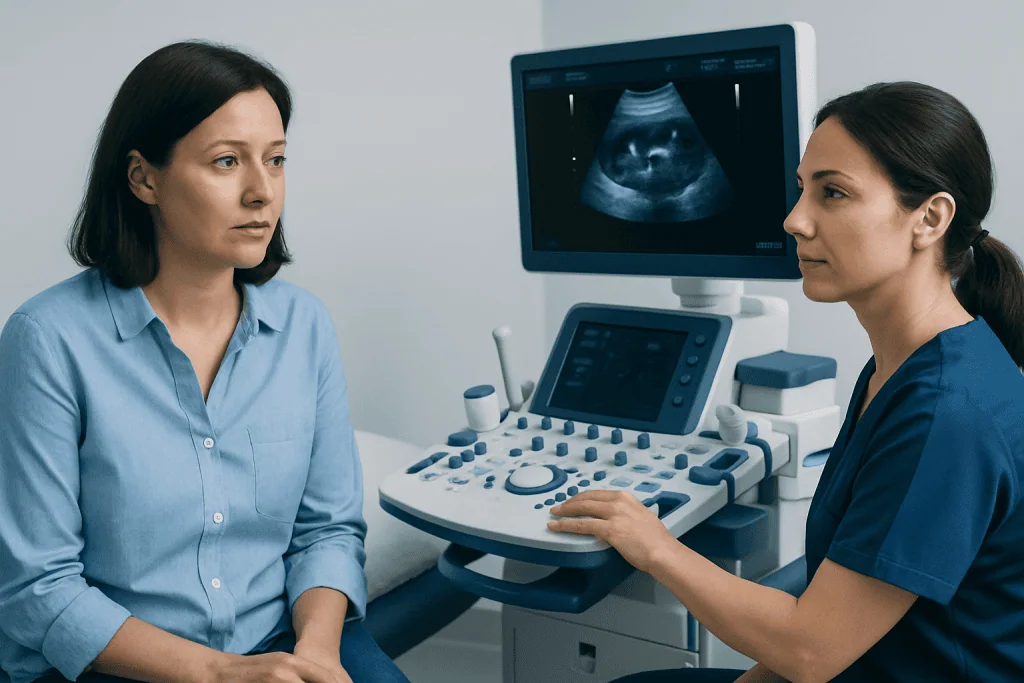
Symptoms of ovarian cancer can be vague at first. They may come and go, and many people initially attribute them to diet, stress, menopause, irritable bowel syndrome, urinary infection, or normal aging. However, symptoms linked with ovarian cancer tend to be persistent and may gradually become more frequent.
Common symptoms that should be discussed with a doctor include:
- Persistent bloating or an increase in abdominal size
- Pelvic, lower abdominal, or back discomfort
- Feeling full quickly when eating or loss of appetite
- Needing to urinate more often or more urgently
- Changes in bowel habits, such as constipation
- Unexplained fatigue, indigestion, nausea, or weight changes
- Abnormal vaginal bleeding, especially after menopause
These symptoms do not automatically mean ovarian cancer. Most people with bloating or urinary symptoms have non-cancerous causes. Still, if symptoms are new for the person, occur most days, last more than a few weeks, or are worsening, a medical evaluation is appropriate.
Causes and Risk Factors

Ovarian cancer develops when cells acquire genetic changes that allow them to grow and divide in an uncontrolled way. In many patients, the exact reason this happens is not known. Risk factors increase the chance of developing the disease, but having one or more risk factors does not mean a person will develop ovarian cancer.
Important risk factors include increasing age, especially after menopause; a personal or family history of ovarian, fallopian tube, breast, pancreatic, or certain colorectal cancers; and inherited gene variants such as BRCA1, BRCA2, or genes associated with Lynch syndrome. People with a strong family history may benefit from genetic counseling to better understand personal risk and prevention options.
Other factors associated with risk can include endometriosis, never having been pregnant, infertility, early first menstruation or late menopause, and some forms of hormone therapy after menopause. Some factors appear to lower risk, including pregnancy, breastfeeding, use of oral contraceptive pills, and certain surgeries such as removal of the fallopian tubes or ovaries in selected high-risk patients.
Risk is personal and should be interpreted in context. For example, decisions about hormone therapy, fertility treatment, contraception, or preventive surgery require a balanced discussion of benefits, risks, age, future fertility plans, and family history with a qualified clinician.
How Doctors Diagnose Ovarian Cancer
Diagnosis begins with a careful medical history and physical examination, including a pelvic examination when appropriate. The doctor will ask about symptom duration, menstrual or menopausal status, personal medical history, medications, and family history of cancer. This conversation helps decide which tests are most useful.
Transvaginal ultrasound is commonly used to assess the ovaries and pelvis. It can show whether an ovarian mass looks simple, such as a fluid-filled cyst, or more complex. Additional imaging, such as CT or MRI, may be recommended to evaluate the abdomen, pelvis, lymph nodes, or other organs if cancer is suspected.
Blood tests may support the evaluation. CA-125 is a tumor marker that can be elevated in ovarian cancer, but it is not specific. It can also rise with non-cancerous conditions such as endometriosis, fibroids, pelvic inflammation, liver disease, or menstruation, and it may be normal in some early ovarian cancers. Other markers, such as HE4 or markers for germ cell tumors, may be used in selected situations.
A definite diagnosis requires examination of tissue by a pathologist. This may happen during surgery to remove the tumor, or through a biopsy in selected cases where imaging suggests advanced disease and a tissue sample is needed before treatment. If ovarian cancer is suspected, referral to a gynecologic oncologist is recommended because specialized surgical planning can improve the quality of staging and treatment decisions.
Treatment Options
Treatment depends on the cancer type, stage, tumor biology, overall health, symptoms, and personal preferences. A multidisciplinary team may include gynecologic oncologists, medical oncologists, radiologists, pathologists, genetic counselors, nurses, dietitians, and supportive care specialists. The goal is to remove or control the cancer while supporting quality of life.
Surgery is a central part of treatment for many ovarian cancers. It may include removal of the ovaries, fallopian tubes, uterus, omentum, and visible tumor deposits, depending on the stage and the person’s situation. In some early-stage or less common tumors, fertility-sparing surgery may be possible, but this requires careful specialist assessment.
Chemotherapy is often used after surgery and sometimes before surgery when the disease is widespread or when shrinking the cancer first may make surgery safer. Targeted treatments may be used for certain patients, including medicines that focus on specific cancer pathways. PARP inhibitors, for example, may be considered in some patients with BRCA-related or homologous recombination repair changes, depending on testing and treatment response.
Genetic and tumor testing can guide treatment and inform family members about potential inherited risk. Follow-up usually includes regular visits, symptom review, examination, and tests when indicated. Emotional support, nutrition guidance, management of treatment side effects, and rehabilitation can also be important parts of care.
Prevention, Screening and Self-Care
There is currently no routine screening test proven to reduce deaths from ovarian cancer in the general average-risk population. Pelvic examination, CA-125, and ultrasound can be helpful when symptoms or risk factors are present, but they are not recommended as universal screening tools for all women without symptoms. This is because they can miss some cancers and may also lead to false alarms and unnecessary procedures.
People with a strong family history or known inherited gene variant should discuss risk reduction with a specialist. Options may include genetic counseling, tailored surveillance, reproductive planning, or risk-reducing surgery at an appropriate age. Removal of the fallopian tubes and ovaries may significantly reduce risk in high-risk patients, but it also causes menopause if performed before natural menopause and requires careful counseling.
Healthy habits cannot guarantee prevention, but they support overall wellbeing during all stages of life. Maintaining a healthy weight, staying physically active, avoiding smoking, managing chronic conditions, and attending routine gynecologic care are sensible steps. It is also helpful to keep a symptom diary if bloating, pelvic discomfort, urinary symptoms, or appetite changes persist, noting frequency, severity, and triggers.
When to See a Doctor
A person should seek medical advice if pelvic or abdominal symptoms are new, occur repeatedly, last for more than a few weeks, or interfere with daily life. Postmenopausal bleeding, a rapidly enlarging abdomen, unexplained weight loss, persistent vomiting, or severe pain should be assessed promptly. Early evaluation does not mean cancer is likely; it means the cause should be understood.
Patients should tell their doctor about any family history of ovarian, breast, pancreatic, prostate, or colorectal cancer, especially if relatives were diagnosed at younger ages or if more than one close relative was affected. This information can change recommendations for genetic counseling, imaging, or specialist referral.
If a pelvic mass is found or ovarian cancer is suspected, care by a gynecologic oncology team is important. Acibadem International’s multidisciplinary specialists and JCI-accredited hospitals diagnose and treat ovarian cancer for international patients, including coordinated imaging, pathology, surgery, oncology care, and follow-up planning.
Frequently asked questions
What are the earliest symptoms of ovarian cancer?
Early symptoms may include persistent bloating, pelvic or abdominal discomfort, feeling full quickly, and urinary urgency or frequency. These symptoms are common and often have non-cancerous causes. They are more concerning when they are new, frequent, persistent, or worsening.
Can a CA-125 blood test diagnose ovarian cancer?
CA-125 can support the evaluation, but it cannot diagnose ovarian cancer by itself. It may be elevated for many non-cancerous reasons and can be normal in some people with ovarian cancer. Doctors interpret CA-125 together with symptoms, examination findings, imaging, and sometimes tissue diagnosis.
Who is at higher risk for ovarian cancer?
Risk is higher in people with a strong family history of ovarian or related cancers, inherited variants such as BRCA1 or BRCA2, Lynch syndrome, increasing age, or certain conditions such as endometriosis. Reproductive and hormonal factors may also influence risk. A doctor or genetic counselor can help estimate personal risk.
Is there a routine screening test for ovarian cancer?
For average-risk people without symptoms, routine screening with ultrasound or CA-125 has not been proven to reduce deaths from ovarian cancer. These tests may still be used when symptoms, examination findings, or high-risk history are present. High-risk patients should discuss individualized surveillance and prevention options.
How is ovarian cancer confirmed?
Doctors may suspect ovarian cancer based on symptoms, pelvic examination, ultrasound, CT or MRI imaging, and blood tests. Confirmation requires a tissue sample examined by a pathologist. Tissue may be obtained during surgery or, in selected cases, through biopsy before treatment.
Does a family history mean ovarian cancer is inevitable?
No. Family history can increase risk, but it does not mean a person will definitely develop ovarian cancer. Genetic counseling can clarify whether testing is appropriate and what prevention or monitoring options may be helpful.
What should someone do if symptoms continue but initial tests are normal?
If symptoms persist or worsen, the person should return to the doctor for reassessment. Some conditions take time to become clear, and repeat examination, additional imaging, or specialist referral may be needed. Keeping a symptom diary can help the healthcare team understand the pattern.
References
- World Health Organization
- American Cancer Society
- National Cancer Institute
- European Society for Medical Oncology
- American College of Obstetricians and Gynecologists
This article is for general information only and is not a substitute for professional medical advice. Please consult a qualified doctor about your individual situation.
Ovarian Cancer in Turkey — costs, top hospitals & a free quote
JCI-accredited · board-certified surgeons · reply within 24h
Add us as a Preferred Source to see more of our trusted health content across Google Search, AI Overviews and Discover.