

Quick answer
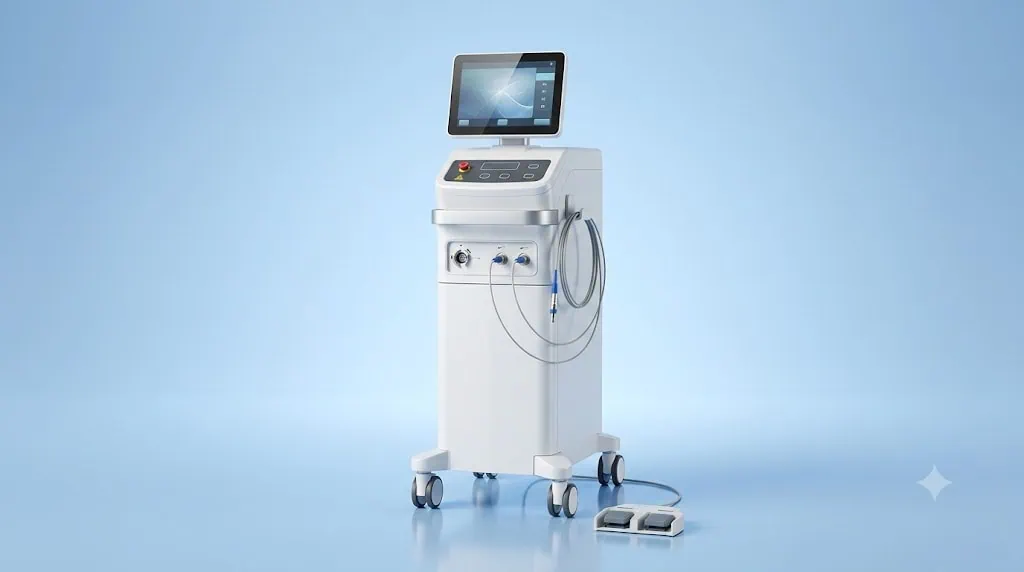
HoLEP is a minimally invasive treatment for urinary obstruction caused by benign prostate enlargement, using a holmium laser to remove obstructing tissue through the urethra without external incisions. At Acibadem in Turkey, urologists assess each patient’s prostate condition and urinary symptoms to determine whether HoLEP is appropriate.
HoLEP: Advanced Laser Treatment for Enlarged Prostate
Holmium laser enucleation of the prostate, commonly called HoLEP, is a minimally invasive urological procedure used to treat urinary obstruction caused by benign prostatic enlargement. It is designed for men whose enlarged prostate is affecting normal urine flow, sleep, comfort and daily activities.
During HoLEP, a urologist uses a precise holmium laser to separate obstructing prostate tissue from the surrounding capsule. The tissue is removed through the natural urinary passage, called the urethra, so there are no external surgical incisions.
At Acibadem International, HoLEP is performed by experienced urology teams using advanced laser technology and individualized treatment planning. For international patients, care coordination can include medical-record review before travel, language support, appointment planning and guidance throughout the treatment journey.
What Is HoLEP?
HoLEP is a surgical treatment for benign prostatic hyperplasia, also known as BPH or benign prostate enlargement. BPH is a non-cancerous enlargement of the prostate gland that becomes more common with age. As the prostate grows, it may narrow the urethra and make it difficult for urine to pass from the bladder.
The procedure uses holmium laser energy to remove the portion of prostate tissue causing obstruction. Unlike some treatments that remove only part of the tissue or use implants to hold the urethra open, HoLEP can remove a substantial amount of obstructing tissue while preserving the outer prostate capsule.
HoLEP may be considered for a wide range of prostate sizes, including larger prostates, when a specialist determines it is clinically appropriate. It is not a treatment for prostate cancer, although tissue removed during the procedure may be sent for laboratory examination when needed.
How HoLEP Works
HoLEP is performed through a thin instrument passed through the urethra. The urologist does not make an incision on the abdomen, groin or skin. A camera system allows the surgical team to view the treatment area in detail throughout the procedure.
A holmium laser is used to carefully separate the enlarged inner portion of the prostate from its outer capsule. This process is called enucleation. The laser can also help control bleeding by sealing small blood vessels during surgery.
After the tissue has been separated, it is moved into the bladder. A specialized instrument then breaks the tissue into smaller pieces so it can be removed safely. This step is often referred to as morcellation. The removed tissue can be examined by a pathologist if your physician recommends it.
By relieving the blockage at the bladder outlet, HoLEP aims to improve urine flow and reduce symptoms related to prostate enlargement. The exact result, recovery timeline and degree of symptom improvement vary according to the patient’s prostate size, bladder function, general health and individual condition.
When HoLEP May Be Recommended
Your urologist may discuss HoLEP if medicines are not providing adequate symptom relief, if urinary obstruction is affecting quality of life or if BPH has caused complications. Before recommending any procedure, the specialist will assess your symptoms, medical history, previous treatments and test results.
Assessment may include a physical examination, blood and urine tests, ultrasound imaging, urine-flow measurement, prostate evaluation and other studies when clinically indicated. International patients can often share available reports, imaging and medication information in advance so the care team can provide initial guidance before travel.
Clinical Applications
| Clinical situation | How HoLEP may help | Specialist assessment may include |
|---|---|---|
| Moderate to severe urinary symptoms from BPH | Removes obstructing prostate tissue to improve the urinary channel. | Symptom review, urine-flow testing, imaging and prostate evaluation. |
| Weak urine stream or difficulty starting urination | May reduce obstruction at the bladder outlet when enlargement is the cause. | Assessment for prostate enlargement, urethral narrowing and bladder function. |
| Frequent urination, urgency or night-time urination | May improve symptoms related to obstruction, although bladder symptoms can have more than one cause. | Review of urinary pattern, medications, diabetes risk, infection and bladder health. |
| Repeated urinary retention | Can provide a surgical option to relieve obstruction for suitable patients. | Evaluation of retention history, catheter use, kidney function and bladder performance. |
| Recurrent urinary tract infections linked to obstruction | May help reduce the obstructive factor contributing to incomplete bladder emptying. | Urine tests, imaging and review of previous infections. |
| Bladder stones or incomplete bladder emptying associated with BPH | May be part of a comprehensive treatment plan to address the underlying blockage. | Ultrasound or other imaging, residual urine measurement and surgical planning. |
| Large prostate enlargement | May offer a minimally invasive alternative to some open or more extensive surgical approaches. | Prostate size assessment, anesthesia evaluation and personalized treatment discussion. |
Potential Benefits of HoLEP
HoLEP combines the precision of holmium laser technology with an endoscopic approach. Because the procedure is performed through the urethra, it avoids external incisions. For suitable patients, this may support a more comfortable recovery compared with some traditional open surgical procedures.
One important feature of HoLEP is the ability to remove obstructing tissue comprehensively. This can be particularly relevant for patients with significant prostate enlargement. However, no treatment can guarantee a particular outcome, and the most appropriate approach should always be selected after an individual urological assessment.
Patient Benefits at a Glance
| Potential benefit | What it may mean for patients | Important consideration |
|---|---|---|
| No external incision | The procedure is performed through the urethra, without cuts on the skin. | Recovery still varies according to overall health, prostate size and surgical findings. |
| Precise laser treatment | Holmium laser energy helps the urologist separate tissue with detailed control. | Technology supports, but does not replace, specialist experience and careful planning. |
| Relief of urinary obstruction | Many patients experience stronger urine flow and reduced blockage-related symptoms. | Bladder symptoms may persist if there are additional bladder or medical conditions. |
| Suitability for different prostate sizes | HoLEP may be considered for small, medium or large prostates, depending on the case. | The recommended treatment is based on anatomy, symptoms and overall medical assessment. |
| Laser-assisted bleeding control | The laser can help seal small blood vessels during treatment. | Bleeding remains a possible surgical risk, especially for patients using blood-thinning medication. |
| Tissue available for examination | Removed prostate tissue can be sent for laboratory analysis when appropriate. | This does not replace prostate-cancer screening or other investigations recommended by your doctor. |
| Potentially efficient recovery pathway | Many patients can begin mobilizing and return gradually to daily activities after treatment. | Hospital stay, catheter duration and travel readiness are determined individually. |
What to Expect Before HoLEP
Your HoLEP journey begins with a detailed urology assessment. The specialist will ask about urinary symptoms, previous prostate treatments, medical conditions, allergies and current medications. It is especially important to discuss anticoagulants, antiplatelet medicines, diabetes medication and any history of anesthesia-related concerns.
You may be asked to provide previous ultrasound reports, PSA results, urine tests, prostate biopsy reports if available, medication lists and relevant imaging. Our international patient services team can help organize the review of your documents and coordinate communication with the clinical team.
Before surgery, you may undergo tests to confirm that the procedure can be performed safely. These may include blood tests, urine analysis, urine culture, electrocardiogram and an anesthesia assessment. If a urinary infection is present, it may need treatment before the procedure.
Your care team will explain how to prepare, including instructions about eating and drinking before anesthesia and whether any medicines need to be adjusted. Do not stop prescribed medication without specific instructions from your physician.
What Happens During the Procedure?
HoLEP is generally performed under anesthesia. The type of anesthesia is selected by the anesthesia team according to your health status, procedure requirements and clinical evaluation. You will not feel the laser treatment during the operation.
The urologist inserts an endoscopic instrument through the urethra and uses the holmium laser to separate the enlarged prostate tissue causing the obstruction. The tissue is then removed from the bladder in small pieces. At the end of the procedure, a urinary catheter is usually placed temporarily to allow urine drainage and support healing.
The duration of surgery can vary. It depends on factors such as prostate size, anatomy, previous procedures, bleeding risk and whether additional treatment is needed. Your surgical team will discuss what is expected in your individual case.
Recovery After HoLEP
After the procedure, you will recover under the observation of the clinical team. A catheter may remain in place for a short period, depending on the surgical findings and how clearly urine is draining. Some patients may receive bladder irrigation to help prevent clots while the urinary tract heals.
It is common to notice temporary burning during urination, urinary frequency, urgency, mild discomfort or blood-tinged urine during the early recovery period. These symptoms often improve gradually, but your team will explain which changes are expected and when you should seek medical attention.
You may be advised to drink fluids as recommended, avoid heavy lifting and strenuous exercise for a period of time, and follow instructions regarding work, driving, sexual activity and travel. The right recovery plan is individual. Patients traveling internationally should discuss their planned departure date with the urologist, as travel should be scheduled only when the clinical team confirms that it is appropriate.
Follow-up may include a consultation before you return home, a written treatment summary and guidance for continued care with your physician in your country of residence. Where appropriate, the international patient team can assist with the coordination of medical documentation and follow-up communication.
Possible Risks and Side Effects
Like all surgical procedures, HoLEP involves potential risks. Your urologist will explain the benefits, alternatives and possible complications in relation to your personal health profile. The decision to proceed should be made after an informed discussion with your specialist.
Possible risks may include bleeding, infection, temporary difficulty urinating, blood clots in the urine, temporary urinary urgency or frequency, and the need for catheterization. In some cases, scar tissue may develop in the urethra or bladder neck. Very rarely, additional treatment may be required.
Temporary urinary leakage can occur during the recovery period, particularly while the urinary sphincter adjusts after obstruction has been relieved. Pelvic floor exercises and follow-up support may be recommended. Persistent incontinence is less common but remains a possible complication.
HoLEP may also affect ejaculation. Many patients experience retrograde ejaculation, meaning semen enters the bladder rather than exiting through the penis during orgasm. This is generally not harmful, but it can affect fertility. Erectile function is often preserved, although sexual outcomes vary and should be discussed with the urologist before treatment.
Safety, Clinical Standards and Accreditation
HoLEP should be performed by trained urologists with appropriate experience in laser prostate surgery and endoscopic techniques. Successful care also depends on coordinated support from anesthesiologists, nurses, pathology specialists, imaging teams and other clinical professionals when needed.
Acibadem International supports patient care within JCI-accredited hospital environments, where quality and safety processes are integrated into clinical practice. These standards include structured patient identification, infection prevention, medication safety, informed consent, anesthesia assessment, surgical safety checks and continuity of care.
Before your procedure, the team confirms your diagnosis, reviews imaging and laboratory findings, checks medication risks and discusses anesthesia planning. During surgery, patient monitoring and operating-room safety protocols are followed. Afterward, your recovery is assessed before discharge planning begins.
Accreditation and advanced technology are important, but individual clinical judgment remains essential. HoLEP is recommended only when the urologist considers it an appropriate option for your condition.
Why HoLEP Matters for International Patients
Choosing treatment abroad involves more than selecting a procedure. International patients need clear communication, reliable scheduling, understandable medical information and confidence that their care is coordinated from the first document review through post-treatment planning.
At Acibadem International, the international patient team can support your care journey by helping arrange consultations, organize medical records, coordinate appointments and provide language assistance. Your case is reviewed by relevant specialists so that the proposed treatment plan reflects your symptoms, clinical findings and travel considerations.
If HoLEP is recommended, the team can help you understand the expected treatment pathway, including pre-operative tests, hospital admission, recovery monitoring and follow-up requirements. You will receive guidance on when it may be safe to travel after the procedure, based on your recovery and your doctor’s assessment.
For patients who need ongoing care at home, medical summaries and relevant reports can help support communication with their local physician. The goal is to make your treatment experience clear, coordinated and centered on your individual needs.
Is HoLEP Right for You?
HoLEP may be a suitable option for men with urinary symptoms caused by benign prostate enlargement, especially when medication is ineffective, poorly tolerated or no longer appropriate. It may also be considered when BPH has led to urinary retention, recurrent infections, bladder stones, impaired bladder emptying or other complications.
However, not every urinary symptom is caused by an enlarged prostate. Similar symptoms may be linked to infection, bladder dysfunction, neurological conditions, urethral narrowing, medication effects or prostate cancer. A thorough urological assessment is necessary to identify the cause and select the right treatment.
Suitability depends on your prostate size, urinary symptoms, bladder function, age, general health, anesthesia risk, medication use, previous procedures and treatment goals. Your specialist may also discuss alternatives such as medication, other minimally invasive procedures, transurethral surgery or different surgical options.
Frequently Asked Questions
Is HoLEP safe?
HoLEP is an established procedure performed by trained urologists for appropriate patients. As with any surgery, there are potential risks. Your specialist will explain the specific safety considerations for your medical condition, medications and planned treatment.
Does HoLEP treat prostate cancer?
No. HoLEP is primarily used to treat urinary obstruction caused by benign prostate enlargement. Removed tissue may be analyzed if clinically appropriate, but HoLEP is not a primary treatment for prostate cancer.
Will I have an external scar?
HoLEP is performed through the urethra, so it does not usually require an external skin incision. This means there is generally no external surgical scar from the procedure itself.
How long will I stay in hospital?
The length of stay depends on your recovery, catheter management, urine drainage, general health and the surgeon’s assessment. Your care team will provide personalized guidance before you finalize travel arrangements.
Can I travel soon after HoLEP?
Travel timing should always be discussed with your urologist. Your team will consider catheter removal, urine flow, bleeding risk, overall recovery and the duration of your journey before advising when travel is appropriate.
Will insurance cover HoLEP?
Coverage depends on your individual policy and insurer. You can share your insurance information with the international patient team, who can help clarify the available process and provide the necessary treatment documentation.
Start Your HoLEP Assessment
If you are experiencing urinary symptoms related to an enlarged prostate, a specialist review can help determine whether HoLEP or another treatment may be appropriate. You can submit your available medical reports, imaging results and medication list for an initial consultation request.
Our international patient team will help coordinate your evaluation, answer practical questions and support communication in your preferred language. Every HoLEP treatment plan is based on a personalized medical assessment, with the aim of improving urinary health while prioritizing safety, clarity and continuity of care.
Related Medical Units
Available at these Hospitals

















Speak with our medical team
Find out how this technology could support your diagnosis or treatment.