

Scalp Cooling Head
Treatment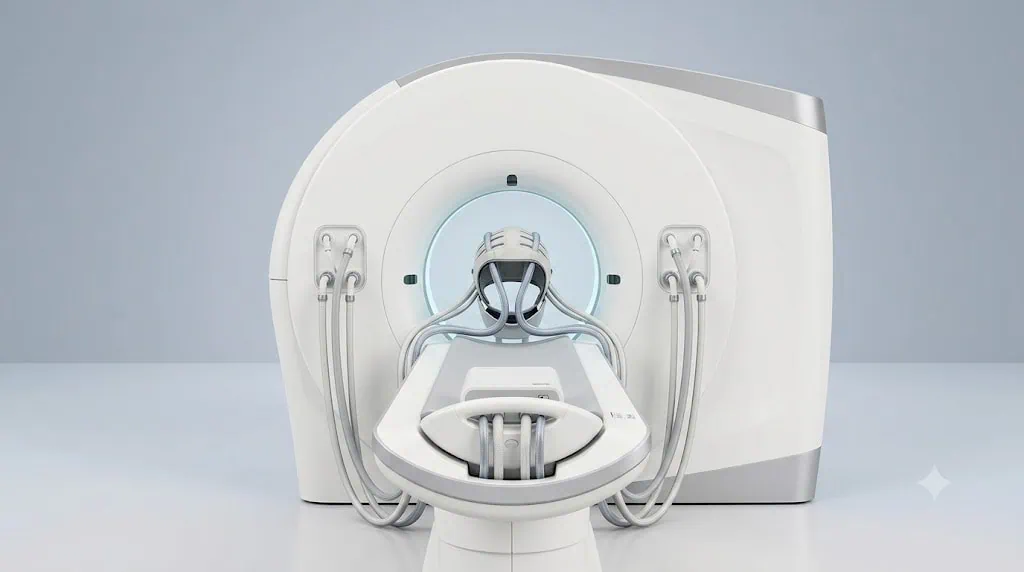
Quick answer
A scalp cooling head is a cap-based supportive care device used during some chemotherapy infusions to reduce scalp temperature and may help limit treatment-related hair loss. At Acibadem in Turkey, suitability is assessed by the oncology team and the device is used alongside chemotherapy when clinically appropriate.
Scalp Cooling Head
A Scalp Cooling Head is a supportive care technology designed to help reduce chemotherapy-related hair loss for eligible patients. It is a fitted cooling cap worn before, during and after selected chemotherapy infusions. By lowering the temperature of the scalp, the system can reduce the amount of chemotherapy medicine that reaches the hair follicles.
Hair loss can be one of the most visible and emotionally challenging side effects of cancer treatment. While preserving hair is not possible in every situation, scalp cooling may help some patients keep part or much of their hair during treatment. The result depends on the chemotherapy regimen, dose, treatment schedule, hair type and individual response.
At Acibadem International, Scalp Cooling Head technology is used as part of a personalised supportive care approach. Our Medical Oncology teams assess whether scalp cooling is appropriate for your treatment plan and help you understand what results may be realistic for your individual case.
What Is a Scalp Cooling Head?
A Scalp Cooling Head is a cap-based device that circulates cooled liquid or uses a controlled cooling mechanism to lower the temperature of the scalp. It is not a cancer treatment itself. Instead, it is a supportive option used alongside chemotherapy to help reduce the risk or severity of hair loss.
The cap is placed firmly over the scalp to provide even cooling. It is usually connected to a temperature-controlled system that maintains cooling throughout the chemotherapy session. Depending on the treatment protocol, the cap may need to be worn for a period before chemotherapy begins and continued after the infusion ends.
Scalp cooling is most commonly considered for people receiving intravenous chemotherapy for certain solid tumours. It may be discussed as part of care for patients with breast cancer, ovarian cancer, prostate cancer and other malignancies when the prescribed treatment regimen is suitable.
Not all chemotherapy medicines cause hair loss to the same degree, and not all patients are candidates for scalp cooling. Your oncology team will review your diagnosis, treatment plan, medical history and comfort considerations before making a recommendation.
How Does Scalp Cooling Work?
Chemotherapy medicines travel through the bloodstream to target rapidly dividing cancer cells. Hair follicles also contain rapidly dividing cells, which is why some chemotherapy treatments can lead to thinning or loss of scalp hair.
During scalp cooling, reduced scalp temperature causes blood vessels in the scalp to narrow. This may lower blood flow to the hair follicles during chemotherapy infusion and decrease the exposure of follicles to certain chemotherapy medicines. Cooling may also slow the activity of cells in the hair follicles, which can offer additional protection.
For the best possible effect, the cooling cap should fit closely against the scalp. The care team checks the fit carefully, paying attention to the hairline, crown, sides and back of the head. A secure fit helps provide more consistent cooling across the scalp.
Scalp cooling does not guarantee complete hair preservation. Some patients experience minimal shedding, while others may notice thinning in certain areas or more significant hair loss. Your oncology team will explain the expected level of benefit based on your specific chemotherapy regimen.
Timing During Chemotherapy
The cooling process usually begins before chemotherapy is administered. The cap remains in place throughout the infusion and for a planned period afterwards. The exact duration varies according to the medicines being used and the clinical protocol recommended by your oncology team.
Because scalp cooling adds time to an infusion appointment, your treatment day may be longer than chemotherapy alone. Our care coordinators can help international patients plan their hospital visit, transportation and accompanying family arrangements around the expected schedule.
Clinical Applications
Scalp Cooling Head technology may be considered during selected chemotherapy treatments where chemotherapy-related hair loss is a likely side effect. It is primarily used in Medical Oncology as a supportive care option, alongside the treatment prescribed to control or treat cancer.
| Clinical application | How scalp cooling may help | Important considerations |
|---|---|---|
| Breast cancer chemotherapy | May help reduce scalp hair loss during eligible chemotherapy regimens. | Suitability depends on the medicines, dose, treatment schedule and your oncology assessment. |
| Gynaecological cancers | May be discussed for selected patients receiving chemotherapy for ovarian, uterine or related cancers. | Not every regimen is appropriate for scalp cooling, and expected results can vary. |
| Prostate and other solid tumours | Can be considered when a prescribed treatment is associated with hair loss and cooling is clinically suitable. | Your oncologist will evaluate the treatment goals, medication type and potential benefit. |
| Supportive care during outpatient infusion | Provides a non-surgical option that may help patients feel more prepared for visible treatment effects. | The cap must be worn for the planned cooling period before, during and after infusion. |
Conditions and Treatments It May Support
Scalp cooling is generally considered for patients receiving chemotherapy for solid tumours. It may be an option for people receiving treatments that are known to cause partial or complete scalp hair loss. However, the decision is always individual and should be made with an experienced oncology team.
The technology may be used alongside chemotherapy planned after surgery, before surgery, during treatment for recurrent cancer or in advanced-stage cancer care. The purpose remains supportive: helping to reduce one possible side effect while the oncology team focuses on the most appropriate treatment for the cancer itself.
Scalp cooling may not be recommended in all situations. Some blood cancers, certain chemotherapy protocols, scalp conditions and other medical factors may affect suitability. In addition, a patient may decide that the additional time or sensation of cooling is not right for them. Your team will respect your preferences and discuss alternatives for managing hair loss if cooling is not used.
Benefits and Advantages for Patients
The main potential benefit of a Scalp Cooling Head is reduced chemotherapy-related hair loss. For many people, retaining some or most of their hair can help preserve confidence, privacy and a sense of normality during cancer treatment.
Scalp cooling is non-surgical and is delivered during planned chemotherapy appointments. It does not require an incision, anaesthesia or a separate invasive procedure. When appropriate, it can be integrated into the existing infusion schedule under the supervision of trained oncology nurses and specialists.
For international patients, supportive care can be especially important while travelling away from home. Maintaining familiar routines and appearance may help some patients feel more comfortable during treatment, work commitments, family visits and recovery periods abroad.
| Patient benefit | What it may mean during treatment |
|---|---|
| Potential reduction in hair loss | Some eligible patients may experience less shedding or retain more scalp hair during chemotherapy. |
| Non-surgical supportive care | The cap is worn during infusion and does not involve surgery or anaesthesia. |
| Personalised eligibility assessment | Your oncology team reviews your chemotherapy plan and medical needs before recommending use. |
| Integrated chemotherapy-day care | Cooling is coordinated with your infusion schedule, monitoring and comfort needs. |
| Emotional and practical support | Hair preservation may help some patients feel more confident and maintain daily routines where possible. |
| International patient coordination | Care coordinators can assist with appointment planning, language support and treatment travel arrangements. |
What to Expect During a Scalp Cooling Procedure
Before treatment begins, your oncology team will explain the process, confirm your eligibility and discuss possible benefits and limitations. International patient coordinators can help arrange medical document review before travel and support communication in your preferred language where available.
Before Your Chemotherapy Appointment
Your specialist reviews your diagnosis, pathology results, imaging, previous treatments, prescribed chemotherapy and overall health. If scalp cooling is suitable, the team explains how long you will need to wear the cap and how to prepare your hair.
You may be advised to arrive with clean, dry or slightly damp hair, depending on the system and clinical protocol. The team may prepare the hair to improve contact between the cap and scalp. It is important to tell your care team about scalp sensitivity, migraines, cold intolerance or any other concerns before the session.
During Cooling and Chemotherapy
The cooling cap is fitted securely and connected to the cooling system. You may feel intense cold during the first part of the session. Many patients find that this sensation becomes more manageable after the initial adjustment period.
You remain under the care of the oncology infusion team during chemotherapy. Nurses monitor your overall comfort and the chemotherapy process according to your treatment plan. You can usually sit in a comfortable treatment chair and may be able to read, listen to music or rest during the appointment.
The cap stays in place while chemotherapy is delivered. It also remains on for the planned post-infusion cooling period. The exact timing is determined by the chemotherapy medicine and your clinical protocol.
After the Session
After the cooling period is complete, the cap is removed and your team provides guidance for caring for your hair and scalp between treatments. Gentle hair care is commonly advised. This may include avoiding excessive heat styling, harsh chemical treatments, tight hairstyles and vigorous brushing during chemotherapy.
Some degree of shedding may still occur, even when scalp cooling is effective. This does not always mean the technology has failed. Your oncology team can help you understand what is expected and provide supportive guidance throughout treatment.
Comfort, Side Effects and Practical Considerations
The most common experience is a feeling of cold or discomfort, especially at the beginning of the cooling session. Some patients may experience headache, scalp discomfort, chills, a feeling of heaviness or mild nausea. These effects are usually temporary and should be discussed with the care team if they become difficult to tolerate.
Wearing warm layers, using a blanket and bringing approved comfort items can make the treatment session more comfortable. Your oncology team will advise you on what is appropriate in the infusion area.
The cooling cap requires additional time before and after chemotherapy. This is an important practical consideration for patients travelling from another country or scheduling treatment around accommodation, flights and family responsibilities. Acibadem International teams can help coordinate appointment timing and provide guidance for planning your stay in Türkiye.
Safety and Accreditation
Scalp cooling is used by trained healthcare professionals as part of supervised oncology care. It does not replace chemotherapy monitoring or regular cancer follow-up. Your safety remains the priority throughout every stage of treatment.
Acibadem International supports patients through JCI-accredited hospitals where multidisciplinary teams follow established clinical quality and safety processes. Medical oncologists, oncology nurses, supportive care professionals and international patient coordinators work together to ensure that care is organised around your diagnosis, treatment plan and personal needs.
Before recommending a Scalp Cooling Head, the oncology team evaluates whether it is medically appropriate. The assessment includes the type of cancer, chemotherapy medicines, treatment intent, scalp health and relevant medical history. If scalp cooling is not advised, the team can discuss other ways to manage chemotherapy-related hair loss and support your wellbeing.
Your medical team will also explain when to contact the hospital between treatments. Report significant scalp pain, persistent headache, unusual skin reactions, fever or any symptoms that concern you. Cancer treatment should always be managed in close communication with your oncology team.
Why Scalp Cooling Matters for International Patients
Travelling abroad for cancer treatment involves more than medical appointments. Patients and families often need clear information, reliable scheduling, language support and practical guidance throughout the treatment journey. A Scalp Cooling Head may be one part of a wider, personalised supportive care plan designed to help you feel more comfortable during chemotherapy.
Before you travel, Acibadem International can review available medical reports and coordinate a specialist opinion. If chemotherapy and scalp cooling are considered appropriate, your care plan can include the expected treatment schedule, hospital visits and practical preparation guidance.
During your stay, international patient teams help facilitate communication between you and your clinical team. Support may include assistance with medical coordination, interpreter services where needed, appointment organisation and guidance for patients travelling with a companion.
Because chemotherapy plans may involve several cycles, your team can also discuss whether treatment can be organised around your travel needs or whether a longer stay may be more appropriate. Recommendations depend on your diagnosis, treatment schedule, recovery needs and the medical advice of your oncologist.
Frequently Asked Questions
Is a Scalp Cooling Head safe?
Scalp cooling is routinely used as supportive care for selected chemotherapy patients. It is provided under the supervision of trained oncology teams who assess whether it is appropriate for your treatment. Your doctor will explain possible side effects, expected benefits and any individual considerations.
Will scalp cooling prevent all hair loss?
No. Scalp cooling cannot guarantee complete hair preservation. It may reduce hair loss for some patients, but results vary significantly according to the chemotherapy regimen, dose, cap fit, treatment schedule and individual response.
Can everyone receiving chemotherapy use a cooling cap?
No. Suitability depends on your cancer type, chemotherapy medicines, medical history and other clinical factors. Your Medical Oncology team will determine whether scalp cooling is an appropriate option for you.
Does scalp cooling affect the effectiveness of chemotherapy?
Your oncology team will only consider scalp cooling when it is clinically appropriate within your treatment plan. The primary goal remains effective cancer treatment. Your specialist can explain how supportive care options fit into your individual chemotherapy protocol.
Will insurance cover scalp cooling?
Coverage depends on your insurance policy and the terms of your international treatment plan. You may share your insurance information with our team so that available options can be reviewed and explained before treatment begins.
How can I find out whether I am eligible?
You can submit your medical reports for a specialist review. An oncology team will assess your diagnosis and proposed or current chemotherapy plan, then advise whether a Scalp Cooling Head may be suitable as part of your supportive care.
Personalised Support Throughout Chemotherapy
Scalp cooling is a supportive option that may help eligible patients manage one of the visible effects of chemotherapy. It is most effective when considered as part of a carefully coordinated oncology plan, with realistic expectations and ongoing support from experienced professionals.
At Acibadem International, our Medical Oncology teams and international patient coordinators work together to help patients understand their options before travelling and throughout treatment. Every recommendation is based on an individual medical evaluation, because the right approach depends on your diagnosis, chemotherapy regimen, health needs and personal priorities.
Related Treatments
Speak with our medical team
Find out how this technology could support your diagnosis or treatment.