Calcium and Bone Health: Diet, Supplements, and Prevention Tips

Calcium helps build bone in childhood and adolescence and helps maintain bone strength in adulthood. Food sources such as dairy products, fortified foods, leafy greens, tofu, nuts, seeds, and fish with edible bones are usually preferred before supplements.
Key Takeaways
- Calcium helps build bone in childhood and adolescence and helps maintain bone strength in adulthood.
- Food sources such as dairy products, fortified foods, leafy greens, tofu, nuts, seeds, and fish with edible bones are usually preferred before supplements.
- Vitamin D is important because it helps the body absorb and use calcium effectively.
- Calcium supplements may be helpful for some people, but they should be chosen and used with medical guidance.
- Exercise, not smoking, limiting alcohol, and preventing falls are important parts of bone health.
- People at higher risk for osteoporosis may need bone density testing and a personalized prevention plan.
Calcium is an essential mineral for building and maintaining strong bones throughout life. A balanced diet, adequate vitamin D, regular weight-bearing activity, and individualized medical advice can help support bone health and reduce the risk of fractures.
Overview
Calcium is one of the body’s most important minerals. Most of it is stored in the bones and teeth, where it helps provide structure and strength. A smaller amount circulates in the blood and supports muscle movement, nerve signaling, blood clotting, and normal heart rhythm.
Bone is living tissue that is constantly being renewed. During childhood, adolescence, and early adulthood, the body builds bone mass. Later in life, bone breakdown can gradually exceed bone formation, especially after menopause or with certain medical conditions. This is why calcium and bone health are closely linked at every age.
Calcium alone does not guarantee strong bones. The body also needs vitamin D, protein, physical activity, and healthy hormone balance. A practical prevention plan focuses on food first, sensible supplement use when needed, and lifestyle habits that protect bones over time.
Why Calcium Matters for Bones
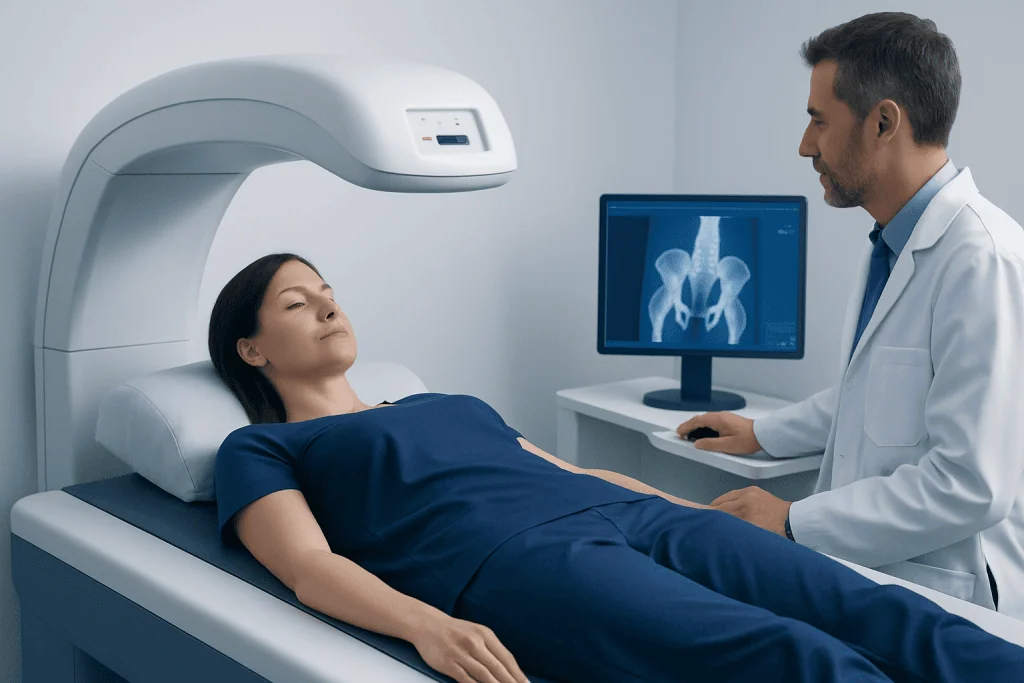
Bones act as a calcium reservoir. When calcium intake is too low, the body may draw calcium from bone to keep blood calcium levels stable. Over time, this can contribute to lower bone density and a higher risk of fractures, particularly in older adults or people with additional risk factors.
Calcium needs vary by age, sex, pregnancy and breastfeeding status, and overall health. Children and teenagers need enough calcium to build peak bone mass, while adults need it to maintain bone strength. Older adults may need closer attention because appetite, absorption, sun exposure, kidney function, and medication use can all change with age.
It is also possible to get too much calcium, particularly from supplements. Excess intake may increase the chance of side effects in some people, including constipation or problems related to high blood calcium. People with kidney disease, a history of kidney stones, parathyroid problems, or certain cancers should discuss calcium intake with a doctor before using supplements.
Best Food Sources of Calcium
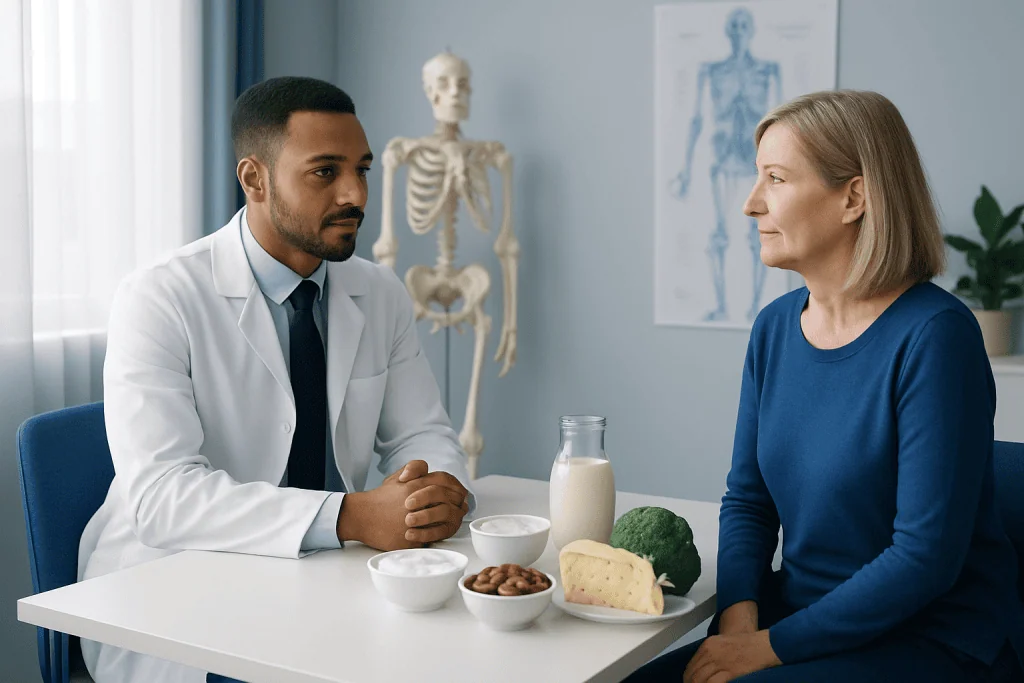
For most people, calcium-rich foods are the preferred starting point. Foods provide calcium along with other nutrients that support bone and muscle health, such as protein, phosphorus, magnesium, and potassium. A varied diet also makes it easier to meet nutritional needs without relying too heavily on tablets.
Common calcium sources include milk, yogurt, cheese, and kefir. People who do not consume dairy can often meet their needs through fortified plant-based milks, fortified juices, calcium-set tofu, soy products, almonds, sesame or tahini, beans, and some leafy greens. Canned sardines or salmon with edible bones are also rich sources for people who eat fish.
Not all leafy greens provide calcium equally. Kale, bok choy, collard greens, and turnip greens can be useful sources. Spinach and Swiss chard contain calcium but also contain compounds that reduce calcium absorption, so they should not be counted as the main calcium source.
- Choose calcium-rich foods across the day rather than relying on one large serving.
- Read labels on fortified foods, as calcium content varies between brands.
- Pair calcium intake with adequate protein and overall balanced meals.
- For lactose intolerance, consider lactose-free dairy, yogurt, kefir, or fortified non-dairy alternatives.
Vitamin D and Other Nutrients That Support Bone Health
Vitamin D helps the intestine absorb calcium and helps maintain normal calcium and phosphate levels in the blood. Without enough vitamin D, even a calcium-rich diet may not be fully effective. Vitamin D can come from sunlight exposure, foods such as oily fish and fortified products, and supplements when recommended by a healthcare professional.
Protein is also important because bone is made of mineral and protein matrix. Very low protein intake can affect muscle strength and bone repair, while adequate protein supports balance, mobility, and recovery. Magnesium, phosphorus, zinc, and vitamin K also contribute to normal bone metabolism as part of a balanced diet.
People should be cautious with extreme diets that eliminate major food groups without a nutritional plan. Those following vegan, dairy-free, low-calorie, or medically restricted diets may benefit from dietitian guidance to make sure calcium, vitamin D, protein, and other nutrients are sufficient.
Calcium Supplements: When They May Help
Calcium supplements may be useful when a person cannot meet calcium needs through food, has increased requirements, or has been advised to take them because of osteoporosis, osteopenia, malabsorption, or other medical concerns. Supplements are not automatically necessary for everyone, and more is not always better.
Common supplement forms include calcium carbonate and calcium citrate. Calcium carbonate is often taken with food to improve absorption, while calcium citrate may be easier to absorb for some people, including those with lower stomach acid. The best choice depends on diet, digestion, other medications, and medical history.
Calcium can interfere with the absorption of some medicines and minerals, including thyroid medication, iron supplements, certain antibiotics, and some osteoporosis treatments. For this reason, people should ask a doctor or pharmacist about timing. It is also important to include calcium from both food and supplements when calculating total daily intake.
Anyone considering long-term calcium supplements should discuss the decision with a qualified healthcare professional, especially if they have kidney disease, kidney stones, high calcium levels, heart disease concerns, or take multiple medications. A personalized plan is safer than self-prescribing high-dose supplements.
Prevention and Self-Care for Stronger Bones
Bone health is strongly influenced by daily habits. Weight-bearing activities, such as walking, stair climbing, dancing, and jogging, encourage bones to work against gravity. Strength training helps maintain muscle mass, supports balance, and may reduce fall risk. Exercise should be chosen according to age, fitness level, joint health, and medical conditions.
Smoking is harmful to bone health and fracture healing, so stopping smoking is an important preventive step. Alcohol should be limited, as heavy intake can affect balance, nutrition, hormones, and bone formation. Good sleep, regular meals, and maintaining a healthy body weight also support musculoskeletal health.
Fall prevention is especially important for older adults and anyone with low bone density. Simple measures include keeping floors clear, improving lighting, using supportive shoes, checking vision regularly, and reviewing medicines that may cause dizziness. Balance exercises and physical therapy may help people who feel unsteady.
- Include calcium-rich foods most days.
- Ask about vitamin D testing or supplementation if at risk of deficiency.
- Do weight-bearing and muscle-strengthening activity regularly.
- Avoid smoking and limit alcohol.
- Take steps to prevent falls at home and outdoors.
Diagnosis, Bone Density Testing, and When to See a Doctor
Bone loss often develops silently. Many people do not know they have low bone density until a fracture occurs or a screening test is performed. A bone density scan, commonly called a DXA or DEXA scan, is a standard test used to assess bone mineral density and help estimate fracture risk.
A doctor may recommend evaluation earlier for people with risk factors such as menopause, a previous low-trauma fracture, long-term corticosteroid use, thyroid or parathyroid disorders, chronic kidney disease, inflammatory bowel disease, celiac disease, eating disorders, or a strong family history of osteoporosis. Certain cancer treatments and hormone-related conditions can also affect bone strength.
Medical assessment may include a review of diet, medications, fracture history, exercise, menstrual or hormone history, and blood tests when appropriate. Treatment may involve nutrition changes, vitamin D correction, fall-prevention strategies, physical therapy, or prescription osteoporosis medicines for people at higher fracture risk.
People should seek medical advice if they have unexplained bone pain, height loss, a stooped posture, recurrent falls, a fracture after a minor injury, or concerns about calcium or vitamin D deficiency. Acibadem International’s multidisciplinary specialists and JCI-accredited hospitals diagnose and treat bone health conditions for international patients, including osteoporosis and related metabolic bone disorders.
Frequently asked questions
Is it better to get calcium from food or supplements?
Food is usually preferred because it provides calcium along with protein, minerals, and other nutrients that support overall health. Supplements may help when diet alone is not enough, but they should be used thoughtfully. A doctor or dietitian can help estimate total calcium intake and decide whether supplementation is needed.
Do adults still need calcium after their bones stop growing?
Yes. Adults continue to remodel bone throughout life, and calcium remains important for maintaining bone structure and normal body functions. Adequate intake is especially important with aging, after menopause, and in people with conditions or medications that increase bone loss.
Can calcium supplements cause kidney stones?
Some people may have a higher risk of kidney stones depending on their medical history, fluid intake, diet, and supplement use. Calcium from food is generally considered part of a balanced diet, while unnecessary high-dose supplements may not be appropriate for everyone. Anyone with a history of kidney stones should ask a doctor before taking calcium tablets.
Why is vitamin D often discussed with calcium?
Vitamin D helps the body absorb calcium from the digestive tract and supports normal bone metabolism. If vitamin D is low, calcium intake may not be used efficiently. People at risk of deficiency may need testing or supplementation under medical guidance.
What are signs of low calcium?
Mildly low calcium intake may not cause obvious symptoms but can affect bone health over time. More significant low blood calcium can cause symptoms such as muscle cramps, tingling, or abnormal heart rhythm, but these symptoms can have many causes. Anyone with concerning symptoms should seek medical evaluation rather than self-diagnosing.
Who should consider a bone density test?
Bone density testing is commonly considered for older adults and for people with risk factors such as previous fragility fracture, long-term steroid use, early menopause, low body weight, or conditions that affect nutrient absorption. The best timing depends on individual risk. A healthcare professional can decide whether a DXA scan is appropriate.
References
- National Institutes of Health Office of Dietary Supplements
- International Osteoporosis Foundation
- Bone Health & Osteoporosis Foundation
- World Health Organization
- Endocrine Society
This article is for general information only and is not a substitute for professional medical advice. Please consult a qualified doctor about your individual situation.
Bone Health in Turkey — costs, top hospitals & a free quote
JCI-accredited · board-certified surgeons · reply within 24h
Add us as a Preferred Source to see more of our trusted health content across Google Search, AI Overviews and Discover.
Check your numbers in seconds
BMI, calories, due date, blood pressure and 30+ more clinical calculators — free, instant, doctor-reviewed ranges.

Check-up & Preventive Medicine
Comprehensive health screenings designed for early detection and prevention.
3 specialists in this unit