Endometriosis: Pelvic Pain, Diagnosis, and Fertility-Sparing Care

Endometriosis can cause pelvic pain, painful periods, pain during sex, bowel or bladder discomfort, and difficulty becoming pregnant. Symptoms do not always match disease severity; some people have severe pain with limited disease, while others have few symptoms.
Key Takeaways
- Endometriosis can cause pelvic pain, painful periods, pain during sex, bowel or bladder discomfort, and difficulty becoming pregnant.
- Symptoms do not always match disease severity; some people have severe pain with limited disease, while others have few symptoms.
- Diagnosis is based on medical history, pelvic examination, imaging, and sometimes laparoscopy with tissue confirmation.
- Treatment may include pain-relief medicines, hormonal therapies, minimally invasive surgery, fertility care, and lifestyle support.
- Fertility-sparing care focuses on relieving symptoms while preserving the uterus and ovaries whenever medically appropriate.
- Early evaluation is important when pelvic pain affects daily life or when pregnancy does not occur after a reasonable time of trying.
Endometriosis is a common gynecologic condition in which tissue similar to the uterine lining grows outside the uterus, often causing pelvic pain, painful periods, and fertility challenges. With individualized medical, surgical, and supportive care, many people can reduce symptoms and protect reproductive goals.
Overview
Endometriosis is a chronic inflammatory condition in which tissue similar to the lining of the uterus grows in places where it does not belong. It may be found on the ovaries, fallopian tubes, pelvic lining, bowel, bladder, or tissues behind the uterus. These implants can respond to monthly hormonal changes, leading to inflammation, scarring, adhesions, and sometimes ovarian cysts called endometriomas.
The condition is most often diagnosed during the reproductive years, but symptoms may begin soon after the first menstrual periods. Endometriosis is not cancer, and many people with endometriosis live full, active lives. However, it can significantly affect comfort, sexual health, work, school, emotional well-being, and plans for pregnancy.
Care is highly individualized. Some people need only symptom monitoring and simple pain control, while others benefit from hormonal treatment, fertility care, or minimally invasive surgery. A fertility-sparing approach aims to relieve pain and remove disease when needed while protecting reproductive organs and future family-building options as much as possible.
Symptoms and How They May Feel
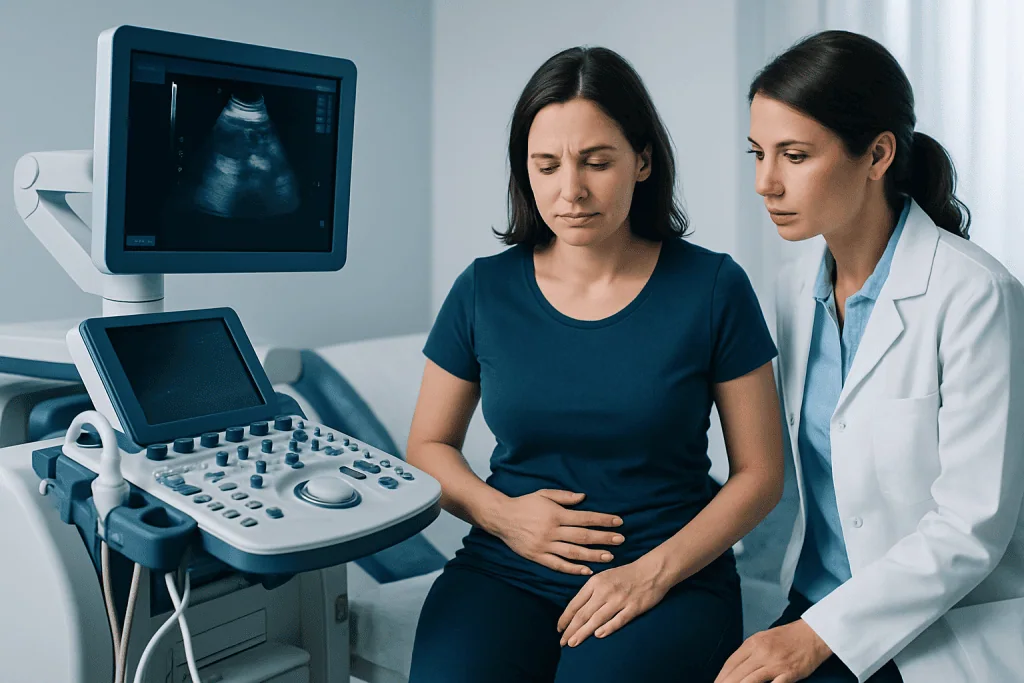
The most recognized symptom of endometriosis is pelvic pain, especially pain linked to menstrual periods. This pain may be more intense than typical cramps, may begin before bleeding starts, and may continue for several days. Some people also feel chronic pelvic discomfort between periods, lower back pain, or pain that spreads to the legs.
Endometriosis can also affect nearby organs and daily activities. Symptoms may include pain during or after sex, discomfort with bowel movements or urination, bloating, nausea, constipation, diarrhea, or fatigue, particularly around menstruation. Heavy menstrual bleeding or spotting between periods can occur, although these symptoms may also have other causes.
Fertility concerns are another important presentation. Some people first learn they may have endometriosis during an evaluation for difficulty becoming pregnant. Importantly, symptom severity does not always reflect the extent of disease. A person with small lesions may have severe pain, while another with advanced disease may have few symptoms.
- Pelvic pain that interferes with school, work, exercise, or sleep should be medically assessed.
- Pain that requires repeated urgent care visits or frequent absence from daily activities is not something a person should simply “put up with.”
- New, worsening, or one-sided pelvic pain should be evaluated to rule out other conditions.
Causes and Risk Factors
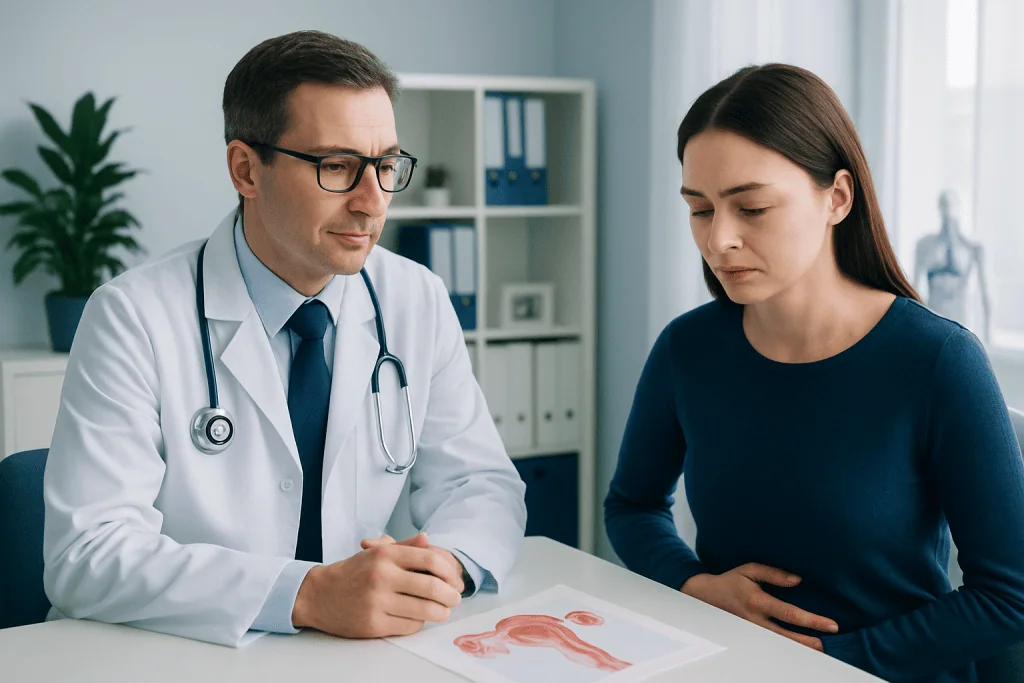
The exact cause of endometriosis is not fully understood, and it is likely influenced by several biological mechanisms. One widely discussed theory is retrograde menstruation, in which menstrual blood flows backward through the fallopian tubes into the pelvis. However, this happens in many people who do not develop endometriosis, so other factors must also be involved.
Immune system function, inflammation, genetics, and hormonal influences appear to play roles. Endometriosis may run in families, and having a close relative with the condition can increase risk. Estrogen supports the growth and activity of endometriosis tissue, which is why many treatments aim to reduce estrogen stimulation or stabilize hormone fluctuations.
Risk factors may include early onset of menstruation, shorter menstrual cycles, heavy or prolonged periods, low body mass index, and structural problems that block normal menstrual flow. Endometriosis can occur in adolescents and adults, including people who have never been pregnant. It is not caused by poor hygiene, personal behavior, or stress, although stress can make chronic pain harder to cope with.
Diagnosis: From History to Imaging and Laparoscopy
Diagnosis begins with a careful medical history. The clinician asks about the timing, location, and pattern of pain; menstrual symptoms; bowel and bladder symptoms; sexual pain; previous surgeries; medication use; and pregnancy goals. A pelvic examination may help identify tenderness, reduced mobility of pelvic organs, ovarian cysts, or nodules, although a normal examination does not rule out endometriosis.
Imaging can provide useful information, especially when ovarian endometriomas or deep endometriosis are suspected. Transvaginal ultrasound is commonly used to assess the uterus and ovaries. Pelvic MRI may be recommended in selected cases to map deep disease involving the bowel, bladder, or tissues behind the uterus, particularly when surgery is being planned.
Laparoscopy is a minimally invasive surgical procedure that allows the doctor to view the pelvis directly through small incisions. During laparoscopy, suspicious lesions can often be removed or biopsied, and tissue examination can confirm the diagnosis. In many cases, treatment is started based on symptoms and imaging without immediate surgery, especially when symptoms are typical and the person is not currently trying to conceive.
Because other conditions can mimic endometriosis, evaluation may also consider fibroids, adenomyosis, pelvic inflammatory disease, ovarian cysts, irritable bowel syndrome, urinary tract problems, interstitial cystitis, musculoskeletal pain, or nerve-related pain. A thoughtful diagnosis helps avoid delays and supports the most appropriate treatment plan.
Treatment Options for Pain Relief and Disease Control
Treatment depends on symptoms, age, disease extent, response to previous therapy, medical history, and pregnancy plans. Pain-relief medicines such as nonsteroidal anti-inflammatory drugs may help menstrual cramps and pelvic pain for some patients. They do not treat the underlying implants, but they can be part of a broader plan when used safely under medical guidance.
Hormonal therapies are often used when pregnancy is not currently desired. Options may include combined hormonal contraceptives, progestin-only pills, hormonal intrauterine systems, injections, implants, or medicines that temporarily suppress ovarian hormone production. These treatments may reduce bleeding, calm inflammation, and help control pain. The choice depends on side effects, contraindications, preference, and long-term goals.
Surgery may be considered when pain remains significant despite medical treatment, when endometriomas are present, when deep disease affects bowel or bladder function, or when fertility evaluation suggests a surgical benefit. The usual approach is minimally invasive laparoscopy, with excision or removal of endometriosis lesions when possible. Surgery should be performed with attention to preserving healthy ovarian tissue and pelvic anatomy, especially in patients who want future pregnancy.
Endometriosis often requires long-term management rather than a one-time solution. Symptoms can recur, and treatment may need adjustment over time. A combined approach that includes gynecology, pain management, physiotherapy, fertility specialists, gastroenterology, urology, or mental health support may be helpful for complex cases.
Fertility-Sparing Care and Pregnancy Planning
Endometriosis may affect fertility by causing inflammation, scarring, changes in pelvic anatomy, ovarian endometriomas, or effects on egg quality and implantation. However, many people with endometriosis conceive naturally. Fertility-sparing care means choosing treatments that address symptoms and disease while protecting the uterus, ovaries, and fallopian tubes whenever medically appropriate.
When pregnancy is desired soon, treatment planning is different from pain-focused hormonal suppression, because most hormonal medicines prevent ovulation while they are being used. A clinician may recommend a fertility evaluation, including assessment of ovulation, ovarian reserve, fallopian tube patency, semen analysis for the partner when relevant, and imaging of the pelvis. The results help determine whether timed intercourse, ovulation support, intrauterine insemination, surgery, or in vitro fertilization may be considered.
Surgery can improve pain and may improve fertility in selected cases, especially when pelvic anatomy is distorted. However, ovarian surgery, particularly for endometriomas, must be carefully planned because removing cysts can sometimes reduce ovarian reserve. Patients benefit from discussing the risks, benefits, and alternatives with both a gynecologic surgeon and, when appropriate, a fertility specialist.
Fertility preservation, such as egg or embryo freezing, may be discussed for people with reduced ovarian reserve, repeated ovarian surgery, bilateral endometriomas, or plans to delay pregnancy. These options are personal and depend on age, ovarian reserve, medical findings, and individual values. The goal is shared decision-making, with clear information and realistic expectations.
Prevention, Self-Care, and Living Well
There is no proven way to completely prevent endometriosis. Still, early recognition and appropriate treatment may reduce symptom burden and help protect quality of life. Keeping a symptom diary can be useful, especially when recording pain days, bleeding patterns, bowel or bladder symptoms, medications used, and how symptoms affect daily activities.
Self-care does not replace medical treatment, but it can support comfort and coping. Heat therapy, gentle movement, adequate sleep, stress-reduction techniques, and pelvic floor physiotherapy may help some people. Nutrition strategies are individualized; a balanced diet that supports digestive health may be especially useful when bloating, constipation, or diarrhea are present.
Chronic pelvic pain can affect mood, relationships, and sexual well-being. Counseling, pain education, and support groups may help patients feel less isolated and more in control of decision-making. Partners and family members can provide meaningful support by understanding that endometriosis pain is real, variable, and not always visible.
Patients should avoid starting or stopping hormonal medicines, supplements, or strong pain medicines without medical guidance. This is particularly important for people trying to conceive, those with migraine with aura, blood clotting risk, liver disease, breast cancer history, or other medical conditions that may affect treatment safety.
When to See a Doctor
A medical evaluation is recommended when menstrual pain is severe, worsening, or not relieved by usual measures; when pelvic pain occurs between periods; or when pain affects school, work, sex, sleep, or daily activities. People should also seek care for painful bowel movements or urination during periods, persistent bloating with pelvic pain, heavy bleeding, or unexplained fatigue associated with menstrual symptoms.
Urgent medical attention is needed for sudden severe pelvic pain, fainting, fever, vomiting, heavy bleeding with dizziness, or suspected pregnancy with pain, as these symptoms may indicate conditions other than endometriosis that need prompt assessment. New pain after surgery or rapidly worsening one-sided pain should also be checked.
People who have been trying to conceive without success should discuss timing of fertility evaluation with a qualified clinician. Earlier assessment may be appropriate for patients over 35, those with known endometriosis, irregular cycles, previous pelvic infection, prior ovarian surgery, or suspected endometriomas.
For international patients seeking coordinated evaluation, Acibadem International’s multidisciplinary specialists and JCI-accredited hospitals diagnose and treat endometriosis using gynecology, imaging, minimally invasive surgery, pain care, and fertility services when appropriate. Any treatment decision should be made after a personalized medical assessment and discussion of benefits, risks, and alternatives.
Frequently asked questions
Is endometriosis the same as painful periods?
No. Many people have occasional menstrual cramps, but endometriosis-related pain is often stronger, longer lasting, or disruptive to daily life. Pain may also occur during sex, bowel movements, urination, or outside the menstrual period. A doctor can help determine whether symptoms suggest endometriosis or another condition.
Can endometriosis be seen on ultrasound?
Ultrasound can identify some signs of endometriosis, especially ovarian endometriomas and certain patterns of deep disease when performed by experienced clinicians. However, superficial endometriosis may not be visible on ultrasound. A normal scan does not always rule out endometriosis.
Does endometriosis always cause infertility?
No. Many people with endometriosis become pregnant naturally. The condition can make conception more difficult in some cases, especially when scarring, ovarian endometriomas, or tubal problems are present. Fertility evaluation helps guide the most appropriate next steps.
Is surgery always necessary for endometriosis?
Surgery is not always required. Many patients manage symptoms with pain-relief strategies and hormonal treatments, especially when pregnancy is not currently planned. Surgery may be recommended for persistent pain, endometriomas, deep disease, uncertain diagnosis, or selected fertility situations.
Can endometriosis come back after treatment?
Yes, symptoms can return after medical or surgical treatment, although the timing and likelihood vary. Long-term management may include hormonal maintenance therapy when pregnancy is not desired, follow-up care, and supportive pain strategies. Patients should report returning symptoms early so the plan can be adjusted.
What is fertility-sparing endometriosis surgery?
Fertility-sparing surgery aims to remove or treat endometriosis while preserving the uterus, ovaries, and fallopian tubes whenever possible. The surgeon works to restore pelvic anatomy and reduce pain while minimizing harm to healthy ovarian tissue. This approach is especially important for patients who may want future pregnancy.
References
- World Health Organization
- European Society of Human Reproduction and Embryology
- American College of Obstetricians and Gynecologists
- National Institute for Health and Care Excellence
- American Society for Reproductive Medicine
This article is for general information only and is not a substitute for professional medical advice. Please consult a qualified doctor about your individual situation.
Endometriosis in Turkey — costs, top hospitals & a free quote
JCI-accredited · board-certified surgeons · reply within 24h
Check your numbers in seconds
BMI, calories, due date, blood pressure and 30+ more clinical calculators — free, instant, doctor-reviewed ranges.