Cardiac Myxoma
Cardiac Myxoma is a benign heart tumor that can affect blood flow. Learn symptoms, causes, diagnosis, treatment, and when to seek care.

Quick answer
Cardiac myxoma is a noncancerous tumor that develops inside the heart, most often in an upper chamber, and can interfere with blood flow or cause symptoms by shedding small fragments. Treatment typically involves evaluation with heart imaging and surgical removal, with care focused on confirming the diagnosis, preventing complications, and monitoring recovery.
Cardiac myxoma is a non-cancerous tumor that grows inside the heart, most often in the left atrium. Although benign, it can affect blood flow or release small fragments that travel through the bloodstream, so specialist evaluation and treatment are important.
Overview
Cardiac myxoma is a benign, non-cancerous tumor that forms inside the heart. It is called a primary heart tumor because it starts in the heart itself rather than spreading from another part of the body. Most cardiac myxomas are found in the left atrium, the upper left chamber of the heart, although they can also occur in the right atrium or, more rarely, in other chambers.
Even though a myxoma is not cancer, it can still be medically important. A tumor inside the heart may interfere with normal blood flow, especially if it moves near a heart valve. In some cases, small pieces of the tumor or blood clots that form on its surface may travel through the circulation and block blood vessels elsewhere in the body.
Cardiac myxomas can occur at any age but are more often diagnosed in adults. Many cases are sporadic, meaning they happen without a known inherited cause. A smaller number are linked to familial conditions, particularly Carney complex, in which tumors and certain skin or endocrine findings may occur together.
With modern imaging and cardiac surgery, cardiac myxoma is usually a treatable condition. The main goal is to confirm the diagnosis accurately, assess how the tumor is affecting the heart, and remove it safely when appropriate.
Symptoms
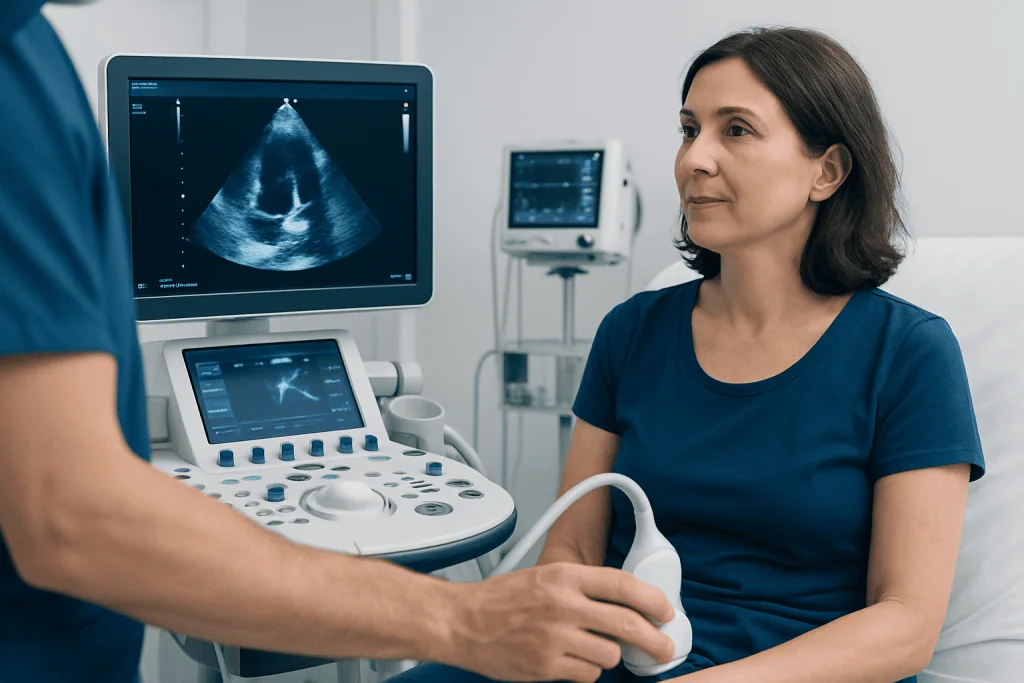
Cardiac myxoma symptoms vary depending on the tumor’s size, location, mobility, and whether it affects a valve or sheds material into the bloodstream. Some people have no symptoms, and the tumor is discovered during an echocardiogram performed for another reason. Others develop symptoms that may come and go, especially with changes in body position.
When a myxoma partly blocks blood flow through the heart, symptoms can resemble valve disease or heart failure. These may include shortness of breath, reduced exercise tolerance, dizziness, fainting, chest discomfort, palpitations, or swelling of the legs. Symptoms may be more noticeable when lying down or standing up, depending on how the tumor moves inside the chamber.
A cardiac myxoma can also cause symptoms outside the heart. If fragments or clots travel to the brain, limbs, or other organs, they may cause stroke-like symptoms, sudden weakness, vision changes, speech difficulty, limb pain, or other signs of blocked circulation. These situations require urgent medical attention.
Some people develop general inflammatory symptoms, such as fatigue, low-grade fever, weight loss, joint aches, or abnormal blood test results. Because these signs can resemble infection, autoimmune disease, or other conditions, imaging of the heart is often needed to identify the underlying cause.
Causes & Risk Factors
The exact cause of most cardiac myxomas is not fully understood. In the majority of patients, the tumor develops sporadically and is not related to lifestyle, diet, infection, or a previous heart attack. It is not considered a typical malignant cancer, and it usually does not spread to distant organs like cancer can.
A small proportion of cardiac myxomas are familial. The best-known inherited association is Carney complex, a rare genetic syndrome that can involve cardiac myxomas, skin pigmentation changes, endocrine gland overactivity, and other benign tumors. In familial cases, myxomas may occur at a younger age, appear in more than one heart chamber, or recur after treatment more often than sporadic myxomas.
Risk factors may include a personal or family history of cardiac myxoma, known Carney complex, or certain unexplained combinations of heart tumors, skin findings, and endocrine problems. Women are diagnosed with cardiac myxoma somewhat more often than men in many clinical series, but the condition can affect any sex.
Because symptoms can be nonspecific, cardiac myxoma may be mistaken for more common conditions such as valve disease, arrhythmia, asthma, anemia, infection, or autoimmune disorders. A careful medical history, physical examination, and heart imaging help clarify the diagnosis.
Diagnosis
Diagnosis of cardiac myxoma usually begins with a clinical assessment by a doctor, often a cardiologist. The doctor may ask about breathlessness, fainting, palpitations, stroke-like episodes, fever, weight loss, and family history. During examination, a heart murmur or other signs of disturbed blood flow may be detected, although the examination can also be normal.
Echocardiography is the key test for detecting a cardiac myxoma. A transthoracic echocardiogram, performed with an ultrasound probe on the chest, can show the heart chambers, valves, and a moving mass inside the heart. A transesophageal echocardiogram, performed with a probe placed in the esophagus under appropriate medical supervision, may provide more detailed images, especially when surgical planning is needed.
Additional imaging may be used to define the tumor more precisely. Cardiac magnetic resonance imaging and cardiac computed tomography can help assess the size, attachment point, tissue characteristics, and relationship of the mass to surrounding structures. These tests may also help distinguish a myxoma from other possibilities, such as blood clot, other benign tumors, malignant tumors, or valve-related growths.
Other tests may be ordered depending on symptoms. Blood tests can evaluate anemia, inflammation, infection markers, and overall fitness for treatment. An electrocardiogram may check heart rhythm, and vascular or neurological imaging may be needed if there are symptoms suggesting an embolic event such as stroke.
Treatment Options
Treatment for cardiac myxoma is planned by a specialist team after confirming the diagnosis and assessing the patient’s overall health. Because a myxoma can obstruct blood flow or cause embolic complications, surgical removal is commonly recommended once the condition is identified. The timing and approach depend on symptoms, tumor size and location, associated medical conditions, and surgical risk.
Cardiac surgery aims to remove the tumor completely, including its attachment point when feasible, while preserving normal heart function. Surgery is performed using established cardiac surgical techniques, and the operation may include repair of nearby structures if a valve or atrial wall is involved. The removed tissue is examined by pathology to confirm the diagnosis.
Medications may be used before or after surgery to manage symptoms or related problems, such as heart rhythm disturbances, fluid overload, or clotting concerns. However, medication alone does not usually eliminate a myxoma. The choice of any medicine must be individualized by the treating doctor, especially if the patient has other heart, kidney, liver, bleeding, or neurological conditions.
After treatment, follow-up care usually includes repeat echocardiography to confirm that the heart is functioning well and to look for recurrence. People with familial myxoma or suspected Carney complex may need longer-term surveillance and, in some cases, genetic counseling or evaluation of family members. The right treatment plan should always be decided by a qualified cardiologist and cardiac surgeon after full assessment.
Living With / Prognosis
Many people recover well after complete removal of a cardiac myxoma. Symptoms caused by obstruction of blood flow often improve once the tumor has been removed, although recovery time varies depending on the person’s age, general health, heart function, and whether any complications occurred before diagnosis.
Follow-up is an important part of long-term care. Most sporadic myxomas do not return after complete removal, but recurrence is possible, particularly in familial cases or when tumors are multiple. A cardiologist may recommend periodic echocardiograms and clinic visits to monitor heart structure and rhythm.
Living well after a cardiac myxoma diagnosis includes following the recovery plan provided by the care team, attending scheduled follow-up appointments, and reporting new symptoms promptly. General heart-healthy habits, such as not smoking, staying physically active as advised, maintaining a balanced diet, and controlling blood pressure, diabetes, and cholesterol, support overall cardiovascular health.
Emotional reassurance is also important. A diagnosis of a heart tumor can be worrying, but cardiac myxoma is typically benign and treatable. Clear communication with the medical team can help patients understand the diagnosis, the reason for surgery or monitoring, and what to expect during recovery.
When to See a Doctor
A person should see a doctor if they have unexplained shortness of breath, fainting, palpitations, chest discomfort, reduced exercise capacity, or swelling in the legs, especially if symptoms change with body position. These symptoms can have many causes, and a medical evaluation helps identify whether the heart is involved.
Urgent medical care is needed for sudden weakness or numbness on one side of the body, trouble speaking, sudden vision loss, severe dizziness, sudden severe chest pain, or signs of poor circulation in a limb. These symptoms may indicate a stroke, embolism, or another serious condition that requires immediate assessment.
People with a known cardiac myxoma, a previous myxoma, or a family history of myxoma should follow their cardiologist’s recommendations for monitoring. If Carney complex is suspected, evaluation by specialists familiar with inherited tumor syndromes may be helpful.
Acibadem International’s multidisciplinary cardiology and cardiac surgery teams, within JCI-accredited hospitals, diagnose and treat cardiac myxoma for international patients. Patients should consult a qualified doctor to understand their individual diagnosis, treatment options, and follow-up needs.
Frequently asked questions
What is cardiac myxoma?
Cardiac myxoma is a benign tumor that starts inside the heart, most often in the left atrium. It is not cancer, but it can interfere with blood flow or release material into the bloodstream. For this reason, it should be evaluated by a cardiologist and cardiac surgeon.
Is cardiac myxoma dangerous?
Cardiac myxoma can be serious if it blocks blood flow through the heart or causes an embolism, such as a stroke. However, it is usually treatable when diagnosed and managed appropriately. The level of risk depends on the tumor's size, location, movement, and the person's overall health.
What are the common symptoms of cardiac myxoma?
Symptoms may include shortness of breath, dizziness, fainting, palpitations, chest discomfort, fatigue, fever, or weight loss. Some people develop stroke-like symptoms if a fragment or clot travels to the brain. Others have no symptoms and are diagnosed during heart imaging for another reason.
How is cardiac myxoma diagnosed?
The main diagnostic test is echocardiography, which uses ultrasound to show the heart chambers and valves. A transesophageal echocardiogram, cardiac MRI, or cardiac CT may be used for more detailed assessment. Blood tests and rhythm tests may also be performed depending on the symptoms.
How is cardiac myxoma treated?
Treatment usually involves surgical removal of the tumor because of the risk of obstruction or embolism. The exact timing and surgical approach are decided by specialists after reviewing imaging, symptoms, and general health. Medicines may help manage related symptoms, but they usually do not remove the tumor.
Can cardiac myxoma come back after surgery?
Recurrence is uncommon after complete removal of a sporadic cardiac myxoma, but it can happen. The risk is higher in familial cases or conditions such as Carney complex. Regular follow-up echocardiograms help detect any recurrence early.
Is cardiac myxoma inherited?
Most cardiac myxomas are not inherited and occur sporadically. A smaller number are linked to familial syndromes, especially Carney complex. People with multiple myxomas, young age at diagnosis, recurrence, or a family history may be advised to have genetic or specialist evaluation.
References
- American Heart Association
- European Society of Cardiology
- Mayo Clinic
- National Organization for Rare Disorders
- Merck Manual Professional Edition
This article is for general information only and is not a substitute for professional medical advice. Please consult a qualified doctor about your individual situation.
Treatments for This Condition
Doctors Who Treat This Condition
Prof. Dr. Ahmet Demirkaya
Thoracic Surgery
Prof. Dr. Ahmet Tulga Ulus
Cardiovascular Surgery
Prof. Dr. Ahmet Ümit Güllü
Cardiovascular Surgery
Prof. Dr. Alper Fındıkcioğlu
Thoracic Surgery
Prof. Dr. Bülent Kisacikoğlu
Cardiovascular Surgery
Prof. Dr. Cem Alhan
Cardiovascular Surgery
Prof. Dr. Erdal Okur
Thoracic Surgery
Prof. Dr. Erkan Kaba
Thoracic Surgery
Prof. Dr. Ersin Erek
Cardiovascular Surgery
Prof. Dr. Eyüp Murat Ökten
Cardiovascular Surgery
Prof. Dr. Fuat Bilgen
Cardiovascular Surgery
Prof. Dr. Hayati Özkan
Cardiovascular SurgeryRelated Articles
CABG Recovery in Older Adults: What Families Should Expect

Pulmonary Hypertension: What Happens If It Goes Untreated?

Cardiovascular Toxicology: How Drugs and Toxins Can Damage the Heart
Peripheral Artery Disease: Leg Pain, Poor Circulation, and When Angioplasty Helps

Kawasaki Disease in Adults: Can Childhood Heart Changes Appear Later?
Arrhythmia Symptoms That Need Urgent Evaluation Instead of Watchful Waiting

Hyperlipidemia: When High Cholesterol Needs Specialist Cardiology Care
Deep Vein Thrombosis After Travel: Why Long Flights Raise the Risk

Stent Procedure Cost in Turkey: What Can Change the Total Price?

Heart Valve Surgery Recovery: ICU Stay, Walking, and Returning Home
Peripheral Artery Disease vs Deep Vein Thrombosis: How to Tell the Difference