Cardiovascular Toxicology: How Drugs and Toxins Can Damage the Heart

Cardiovascular toxicology refers to heart and blood vessel damage linked to medications, substances, or toxic exposures. Symptoms can range from mild palpitations or high blood pressure to chest pain, fainting, arrhythmias, and heart failure.
Key Takeaways
- Cardiovascular toxicology refers to heart and blood vessel damage linked to medications, substances, or toxic exposures.
- Symptoms can range from mild palpitations or high blood pressure to chest pain, fainting, arrhythmias, and heart failure.
- Diagnosis often involves a medical history, ECG, blood tests, echocardiography, and review of all drugs and exposures.
- Treatment focuses on stopping or reducing the harmful exposure while supporting heart function and treating complications.
- Not everyone exposed develops heart damage; risk depends on dose, duration, personal health, and combination exposures.
Cardiovascular toxicology looks at how medicines, recreational drugs, alcohol, environmental chemicals, and other toxins can affect the heart and blood vessels. Effects may be temporary or long-lasting, but early recognition, careful evaluation, and timely treatment can often reduce complications.
Overview
Cardiovascular toxicology is the study of how drugs, chemicals, and other toxic substances affect the heart and circulation. In everyday medical care, the term is often used to describe heart problems caused by prescription medicines, cancer treatments, alcohol, recreational drugs, heavy metals, industrial chemicals, or certain herbal and dietary products. These effects can involve the heart muscle, heart rhythm, blood pressure, coronary arteries, or the electrical system that coordinates each heartbeat.
Some exposures cause sudden problems, such as a dangerous rhythm disturbance after stimulant use or very high blood pressure after a toxic ingestion. Others lead to gradual injury over time, such as weakening of the heart muscle after long-term alcohol use or repeated exposure to certain medicines. In some people, the damage improves when the harmful substance is stopped. In others, it can leave lasting changes, including cardiomyopathy or heart failure.
Cardiovascular toxicology does not mean every medicine is dangerous. Many essential treatments can rarely affect the heart, but doctors weigh these risks carefully against important benefits. Monitoring, dose adjustments, and early attention to symptoms help make treatment safer. Patient education is also important, especially when several medications or supplements are used at the same time.
Symptoms and Warning Signs
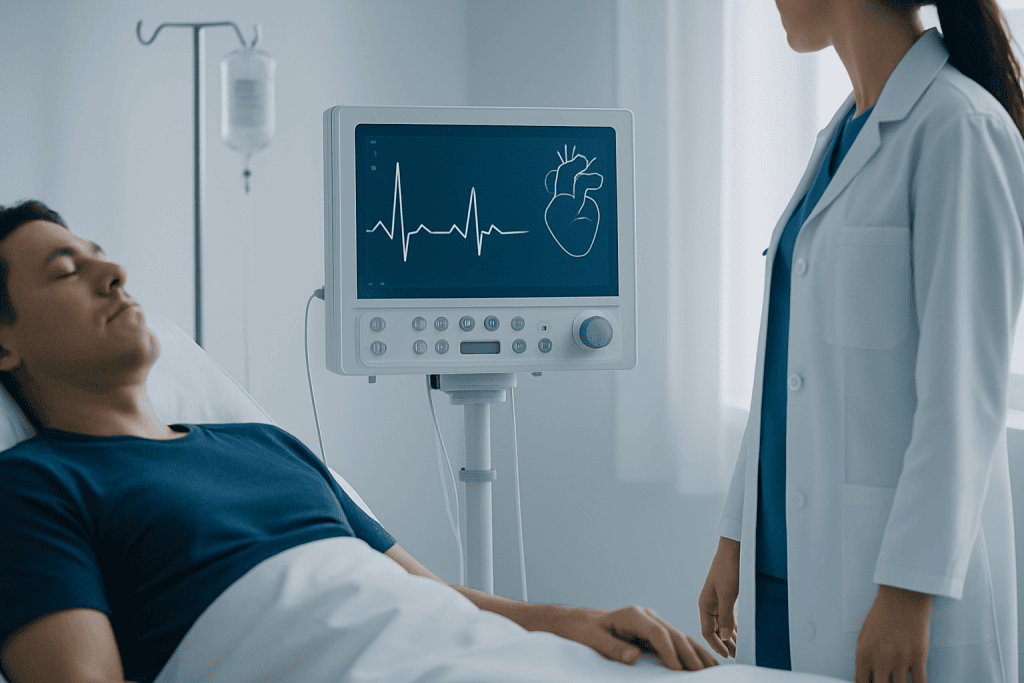
Heart toxicity can look different from one person to another. Some people have no symptoms at first, and the problem is found only on a routine ECG, blood test, or heart scan. Others notice new symptoms shortly after starting a medicine, using a substance, or being exposed to a chemical. The pattern depends on which part of the cardiovascular system has been affected.
Common symptoms may include palpitations, a racing or irregular heartbeat, shortness of breath, fatigue, chest discomfort, dizziness, fainting, swelling in the legs, or reduced exercise tolerance. Some toxins raise blood pressure, while others can cause very low blood pressure. Certain substances may trigger coronary artery spasm or reduce blood flow to the heart, sometimes producing symptoms similar to coronary artery disease or even a heart attack.
Possible warning signs include:
- New or worsening chest pain
- Unexplained shortness of breath
- Rapid, pounding, or irregular heartbeat
- Fainting or near-fainting
- Sudden swelling of the ankles or abdomen
- Severe rise in blood pressure or very low blood pressure
Because these symptoms can overlap with many other conditions, a careful medical assessment is important. Even when symptoms seem mild, they should not be ignored if they appear after a medication change, substance use, or known toxic exposure.
Causes and Risk Factors
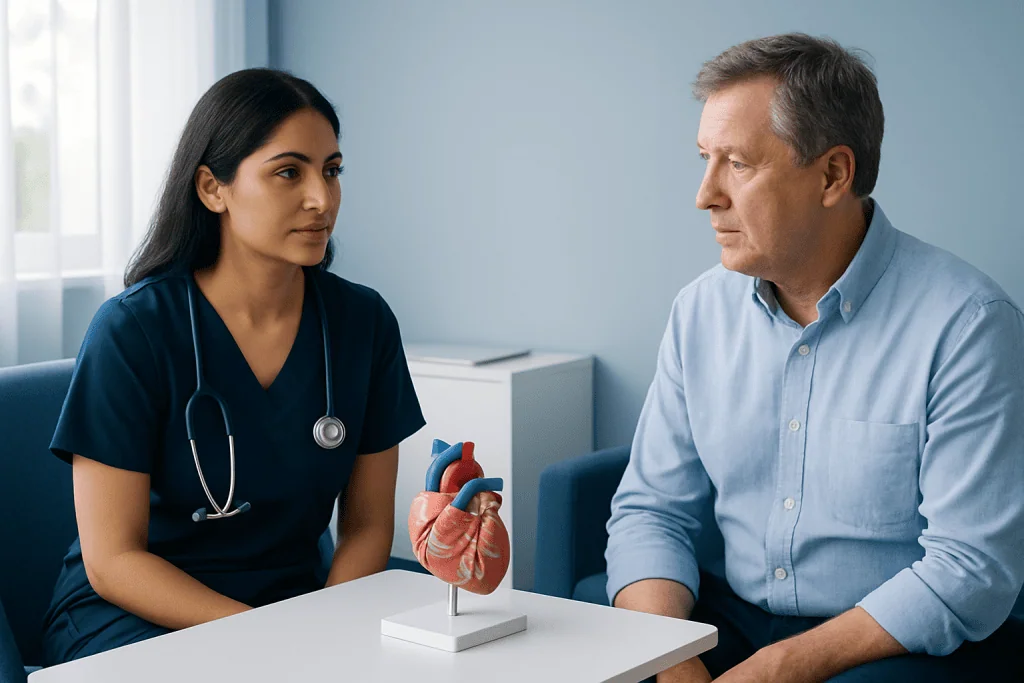
Many different substances can affect the heart. Prescription medicines linked with cardiovascular side effects may include some chemotherapy drugs, certain targeted cancer treatments, stimulants, decongestants, some psychiatric medications, and a range of other agents depending on dose and individual susceptibility. Recreational drugs such as cocaine, amphetamines, and synthetic stimulants can cause serious heart problems, including high blood pressure, coronary spasm, arrhythmias, and sudden cardiac events. Long-term heavy alcohol use is another well-known cause of toxic heart muscle weakness.
Environmental and occupational exposures may also play a role. Carbon monoxide reduces oxygen delivery to tissues, including the heart. Heavy metals such as arsenic, lead, or mercury, and some industrial solvents or pesticides, may damage blood vessels or the heart muscle. Over-the-counter supplements and herbal products can be risky too, especially when ingredients are unclear, doses are high, or products are combined with prescription medicines.
Several factors increase risk. These include older age, pre-existing heart disease, kidney or liver disease, diabetes, electrolyte imbalances, a family history of rhythm disorders, and use of multiple medications that interact with each other. High cumulative doses and longer duration of exposure also matter. People with existing heart palpitations or rhythm vulnerability may be more sensitive to substances that affect the heart’s electrical system.
Not every exposure causes injury, and risk is rarely explained by one factor alone. The combination of substance type, amount, frequency, genetics, and overall health helps determine whether a person develops a temporary reaction or a more serious toxic heart condition.
How Doctors Diagnose Cardiovascular Toxicity
Diagnosis begins with a detailed history. Doctors usually ask about all prescription drugs, over-the-counter medicines, vitamins, sports supplements, herbal remedies, alcohol use, recreational substances, and possible workplace or environmental exposures. Timing is especially important. Symptoms that begin soon after starting a new medication or increasing a dose can provide an important clue.
A physical examination is followed by tests chosen according to the person’s symptoms and suspected exposure. An electrocardiogram (ECG) can show rhythm disturbances, conduction problems, or signs of strain. Blood tests may look for heart muscle injury, electrolyte changes, kidney and liver function, thyroid problems, and markers that suggest heart failure. Toxicology testing may be appropriate in selected cases.
Imaging is often helpful. Echocardiography can evaluate heart pumping strength, valve function, chamber size, and signs of fluid overload. In more complex cases, doctors may use advanced imaging or prolonged rhythm monitoring to look for intermittent arrhythmias. If blocked arteries or another structural problem is suspected, a cardiology team may consider further assessment, including interventional cardiology evaluation when clinically appropriate.
The goal is not only to confirm that the heart is affected, but also to identify the exact pattern of injury. This helps distinguish toxic effects from conditions such as viral myocarditis, inherited rhythm disorders, or primary ventricular tachycardia. An accurate diagnosis guides safer treatment decisions and future prevention.
Treatment Options
The first step in treatment is usually to stop, reduce, or replace the harmful exposure whenever it is medically safe to do so. This may mean adjusting a prescription, treating an overdose, avoiding a supplement, or ending contact with an environmental toxin. In some situations, the original medication is essential, so doctors may continue it with close monitoring if benefits outweigh risks. Decisions are individualized and often involve more than one specialist.
Supportive heart care depends on the type of damage. High blood pressure may need treatment such as blood pressure management. Fluid overload, shortness of breath, and reduced pumping function may be managed with standard therapies used for heart failure. If the main problem is an abnormal rhythm, treatment may include medication changes, monitoring, and sometimes ablation procedures for selected persistent arrhythmias. In severe poisoning, hospital care may be needed for oxygen support, IV treatment, or monitoring in a critical care setting.
When toxic exposure contributes to weakened heart muscle, follow-up often continues for months to see whether function improves. Cardiac imaging may be repeated, and exercise may need to be limited for a period depending on symptoms and test results. Recovery varies widely: some people improve completely, while others need long-term management for chronic complications.
Rehabilitation and lifestyle support can also be important after the acute phase. For patients recovering from a significant cardiac event or deconditioning, cardiac rehabilitation may help improve exercise tolerance, symptom awareness, and confidence under medical supervision.
Prevention and Self-care
Prevention starts with using medications exactly as prescribed and telling a doctor about every product being taken, including vitamins, protein powders, herbal remedies, and energy or weight-loss supplements. Mixing substances without medical guidance can increase the risk of interactions, blood pressure changes, and rhythm problems. It is also wise to avoid using someone else’s medication or changing doses without advice.
People receiving treatments known to sometimes affect the heart may need regular monitoring. This can include blood pressure checks, ECGs, blood tests, or echocardiograms before and during therapy. Monitoring does not mean a serious problem is expected; it is a practical way to detect changes early, often before symptoms become severe.
Healthy daily habits may lower overall cardiovascular strain. These include not smoking, limiting alcohol, staying well hydrated when appropriate, following a balanced diet, managing diabetes and cholesterol, and getting regular physical activity suited to current health. People with pre-existing high blood pressure or heart disease should be especially careful with stimulants, excess caffeine, and non-prescribed supplements.
Workplace and household safety matter too. Using protective equipment, ensuring good ventilation, and following handling instructions for chemicals can reduce exposure risks. If a toxic exposure is suspected, it is helpful to keep the product name or ingredient list available for medical review.
When to See a Doctor
Medical advice should be sought if a person develops new chest discomfort, palpitations, breathlessness, fainting, unexplained fatigue, or leg swelling after starting a new medication or after alcohol, stimulant, or chemical exposure. These symptoms do not always mean serious heart damage, but they deserve professional evaluation, especially if they are persistent or worsening.
Urgent care is important for severe chest pain, sudden shortness of breath, collapse, confusion, a very fast or very slow heartbeat, or signs of overdose or poisoning. If there is any concern about an emergency, local emergency services should be contacted promptly. Rapid assessment can help prevent complications and guide safe treatment.
People already under treatment for cancer, chronic disease, or known heart problems should report any change in symptoms early rather than waiting for a scheduled appointment. Routine follow-up is an important part of safe care when potentially cardiotoxic treatments are being used.
At experienced centers, care may involve cardiologists, toxicology experts, internists, emergency physicians, and other specialists working together. Acibadem International’s multidisciplinary specialists and JCI-accredited hospitals diagnose and treat cardiovascular conditions, including cardiovascular toxicology, for international patients.
Frequently asked questions
What is cardiovascular toxicology?
Cardiovascular toxicology is the field that examines how drugs, chemicals, alcohol, and other toxins affect the heart and blood vessels. In patient care, it usually refers to heart-related side effects or damage caused by these exposures.
Can prescription medicines damage the heart?
Some prescription medicines can affect the heart, but this does not mean they are unsafe for everyone. The risk depends on the drug, dose, duration, other medical conditions, and whether there are interactions with other substances. Doctors usually monitor patients when a treatment is known to have potential cardiovascular effects.
Are the effects of heart toxicity reversible?
Sometimes they are. If the problem is recognized early and the harmful exposure is stopped or adjusted, heart function may improve significantly. In other cases, especially after severe or long-term injury, some effects may persist and require ongoing treatment.
What substances commonly cause toxic heart effects?
Examples include certain chemotherapy agents, stimulants, cocaine, amphetamines, heavy alcohol use, carbon monoxide, and some supplements or herbal products. Industrial chemicals and heavy metals may also affect the heart in some situations.
How is cardiovascular toxicity tested?
Doctors usually combine a symptom review and exposure history with tests such as an ECG, blood work, and echocardiography. Additional rhythm monitoring, toxicology testing, or advanced imaging may be used depending on the suspected cause and the severity of symptoms.
When should someone worry about palpitations after taking a medicine or supplement?
Palpitations should be discussed with a doctor if they are new, frequent, associated with dizziness, chest pain, fainting, or shortness of breath, or if they began after a medication or supplement change. Immediate help is important if symptoms are severe or accompanied by collapse.
References
- World Health Organization
- American Heart Association
- European Society of Cardiology
- National Heart, Lung, and Blood Institute
- U.S. National Library of Medicine
This article is for general information only and is not a substitute for professional medical advice. Please consult a qualified doctor about your individual situation.
Cardiovascular Toxicology in Turkey — costs, top hospitals & a free quote
JCI-accredited · board-certified surgeons · reply within 24h
Add us as a Preferred Source to see more of our trusted health content across Google Search, AI Overviews and Discover.
Check your numbers in seconds
BMI, calories, due date, blood pressure and 30+ more clinical calculators — free, instant, doctor-reviewed ranges.

Cardiology Department
Diagnosis and treatment of heart and vascular conditions, from prevention to advanced interventional procedures.
90 specialists in this unit