Deep Vein Thrombosis After Travel: Why Long Flights Raise the Risk

Long flights can increase the risk of deep vein thrombosis because prolonged sitting slows blood flow in the legs. Common warning signs include one-sided leg swelling, pain, warmth, redness, and tenderness.
Key Takeaways
- Long flights can increase the risk of deep vein thrombosis because prolonged sitting slows blood flow in the legs.
- Common warning signs include one-sided leg swelling, pain, warmth, redness, and tenderness.
- A clot can become dangerous if it travels to the lungs and causes a pulmonary embolism.
- Walking, stretching the calves, staying hydrated, and wearing compression stockings when appropriate may help reduce risk.
- People with prior blood clots, recent surgery, cancer, pregnancy, or hormone use may need personalized travel advice from a doctor.
Deep vein thrombosis after travel refers to a blood clot, usually in the leg, that may develop when a person sits still for many hours during a journey. Long flights can raise the risk, but simple preventive steps and timely medical care can greatly reduce complications.
Overview: What Is Deep Vein Thrombosis After Travel?
Deep vein thrombosis after travel is the formation of a blood clot in a deep vein, most often in the calf or thigh, after a period of prolonged immobility during travel. It is sometimes called “traveler’s thrombosis.” Although it is often linked with air travel, it can also happen during long car, bus, or train journeys when a person remains seated for many hours with little leg movement.
The main concern is not only the clot in the leg itself but also the possibility that part of it could break away and travel to the lungs. This can cause a pulmonary embolism, which needs urgent medical attention. Many people who develop travel-related DVT have additional risk factors, but even healthy travelers should understand the basics of prevention and warning signs.
Long-haul flights raise concern because passengers may sit in a cramped position, drink too little fluid, and move less than usual. Cabin conditions alone do not usually cause a clot, but when they are combined with reduced mobility and an individual’s underlying risk factors, the chance of DVT may rise. For readers who want more general background, deep vein thrombosis care explains the condition in broader terms.
Why Long Flights Raise the Risk
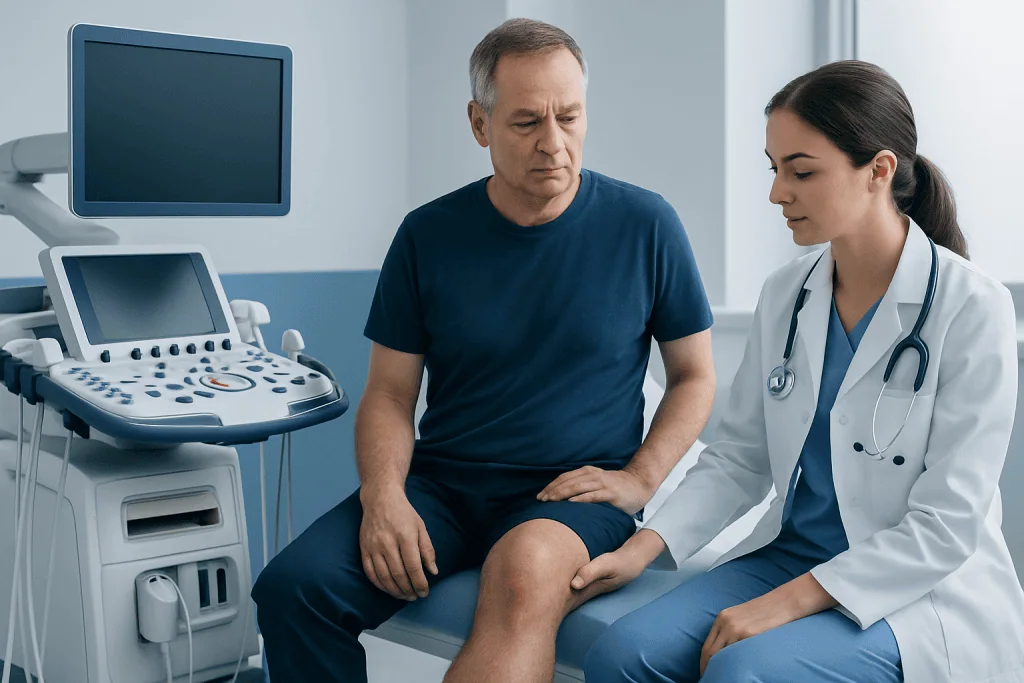
Blood in the leg veins depends in part on regular muscle contractions in the calves to help it flow back toward the heart. During a long flight, especially one lasting more than four to six hours, the legs may stay bent and still for a prolonged time. This slows venous blood flow and can make clot formation more likely in susceptible people.
Travel can also involve factors that add to this effect. A person may avoid drinking water to reduce bathroom visits, sleep in a position that limits movement, or wear tight clothing that feels restrictive. Jet lag, fatigue, and long airport waits can also mean many more hours of inactivity before and after the flight itself.
Doctors often describe clot formation using three broad contributors: slowed blood flow, changes in the blood’s tendency to clot, and injury to the blood vessel lining. Travel mainly affects the first factor, but other medical conditions can influence the others. For example, cancer, recent surgery, or inherited clotting disorders may increase risk even further. Some cardiovascular conditions, including poorly controlled hypertension, can coexist with other health issues that make pre-travel planning especially important.
Symptoms to Watch For During or After Travel

Travel-related DVT often affects one leg, although it can occur elsewhere. Symptoms may appear during the trip, within hours, or several days after travel. Some people have only mild discomfort, while others notice more obvious swelling or tenderness.
Possible symptoms of deep vein thrombosis include:
- Swelling in one leg or along one area of the leg
- Pain or cramping, often in the calf
- Warmth over the affected area
- Redness or a change in skin color
- Tenderness when standing or walking
Not every clot causes clear symptoms, which is one reason DVT can sometimes be missed. Leg swelling after travel is not always a blood clot; it can also happen from simple fluid retention or prolonged sitting. Still, one-sided swelling with pain or warmth should be assessed by a clinician, especially in someone with known risk factors.
It is also important to recognize symptoms of pulmonary embolism, a serious complication. These may include sudden shortness of breath, chest pain that may worsen with breathing, a fast heartbeat, lightheadedness, or coughing up blood. These symptoms require urgent medical care.
Who Is Most at Risk?
Most travelers do not develop DVT, but the risk is higher in people who already have factors that make blood clots more likely. A previous history of DVT or pulmonary embolism is one of the strongest predictors. Family history can matter too, especially if relatives have had clots at a young age.
Other important risk factors include recent surgery, major injury, active cancer, pregnancy, the weeks after childbirth, obesity, smoking, increasing age, and limited mobility. Hormonal medications such as estrogen-containing birth control or hormone therapy may also raise the risk. Some people have inherited clotting tendencies that they may not know about until a clot occurs.
Chronic medical conditions can add complexity. People with heart or vascular disease, severe infection, or inflammatory disorders may need individualized travel advice. A doctor may also take into account whether a traveler has reduced heart function, such as in heart failure, because swelling or breathlessness after travel can have more than one possible cause.
Even in higher-risk groups, prevention should be personalized. Not everyone needs medication before travel, and self-prescribing blood thinners is not safe. The best approach depends on the person’s medical history, the length of travel, and whether there are multiple overlapping risks.
How Deep Vein Thrombosis Is Diagnosed
Diagnosis begins with a medical history and physical examination. A clinician will ask about recent travel, symptom timing, prior clots, family history, medications, and any recent surgery or illness. Because DVT symptoms can overlap with muscle strain, varicose veins, or simple leg swelling, further testing is often needed.
The most common test is a compression ultrasound of the leg veins. This is painless and helps show whether a clot is present. In some cases, blood tests such as a D-dimer may be used, particularly when the chance of DVT appears low to moderate. However, a D-dimer alone cannot confirm a clot, and results must be interpreted in context.
If pulmonary embolism is suspected, doctors may order additional tests such as imaging of the lungs, oxygen assessment, or heart-related testing depending on the person’s symptoms. When chest symptoms occur after travel, doctors may also consider other causes, including coronary artery disease or other cardiovascular conditions, especially in older adults or those with known heart risk factors.
Prompt diagnosis matters because treatment can prevent the clot from growing and reduce the chance of it traveling to the lungs. Anyone with significant symptoms should avoid delaying assessment until returning home if medical care is available during travel.
Treatment Options and What Recovery May Involve
The main treatment for DVT is anticoagulation, often called blood-thinning medication. These medicines do not dissolve the clot immediately, but they help stop it from enlarging and reduce the risk of new clots forming while the body gradually breaks it down. The exact medicine and duration of treatment depend on whether the clot was provoked by travel alone or whether longer-term risks are present.
Some patients may also be advised to elevate the leg, stay active within safe limits, and use compression stockings in selected situations. Bed rest is not routinely recommended for most people once treatment has begun, unless a doctor advises otherwise. Early, gentle movement is often encouraged because it supports circulation.
In special cases, more advanced treatment may be considered. These situations can include very extensive clots, threatened limb circulation, or cases where anticoagulation cannot be used. In selected patients, minimally invasive endovascular surgery techniques may be part of care planning.
Recovery varies. Some people improve quickly, while others have lingering swelling, aching, or heaviness in the affected leg. Ongoing follow-up helps doctors monitor for recurrence, adjust treatment, and address questions about future travel, exercise, and work.
Prevention and Self-Care for Future Trips
For most travelers, the most practical prevention steps are simple and safe. During long flights, it helps to stand up and walk when possible, usually every one to two hours if conditions allow. While seated, travelers can flex and point the feet, circle the ankles, and tighten and relax the calf muscles to encourage blood flow.
Other helpful habits include drinking water regularly, avoiding excessive alcohol, and wearing loose, comfortable clothing. Choosing an aisle seat may make movement easier. Crossing the legs for long periods is best avoided, and carry-on items should be positioned so they do not restrict legroom.
Compression stockings may be recommended for some people at increased risk, especially on long-haul trips. They should fit properly to be effective and comfortable. A doctor may advise prescription-strength stockings in certain cases. People with a prior clot or multiple strong risk factors may need a pre-travel medical review; occasionally, preventive anticoagulation is considered, but only under professional guidance.
General cardiovascular health also matters over time. Staying physically active, maintaining a healthy weight, and managing conditions such as high blood pressure treatment needs can support overall vascular health, even though these steps do not replace travel-specific prevention. Near the end of the care journey, some international patients seek coordinated assessment through centers such as Acibadem International, where multidisciplinary specialists in JCI-accredited hospitals evaluate and treat vascular conditions.
When to See a Doctor
A doctor should assess symptoms such as one-sided leg swelling, calf pain, unexplained warmth, or redness after travel, particularly if they are new or worsening. This is especially important in people with a history of blood clots, recent surgery, cancer, pregnancy, or hormone use. It is better to have concerning symptoms checked than to assume they are only due to fatigue or sitting too long.
Emergency care is needed for symptoms that could suggest pulmonary embolism. These include sudden shortness of breath, chest pain, fainting, severe dizziness, coughing up blood, or a rapid heartbeat with breathing difficulty. These symptoms should not be ignored, even if leg symptoms were mild or absent.
Before future long trips, people who have had DVT or who know they are at increased risk should speak with a qualified doctor about a prevention plan. Individual advice may include movement schedules, compression stockings, medication review, or other measures tailored to the traveler’s health status and destination.
Frequently asked questions
How long does a flight need to be to increase DVT risk?
Risk tends to rise when travel lasts more than four to six hours, especially if a person sits with little movement. The longer the period of immobility, the more blood flow in the legs may slow. Risk also depends on personal factors such as prior clots, recent surgery, pregnancy, or hormone use.
Can healthy people get deep vein thrombosis after travel?
Yes, but it is less common in people without other risk factors. Prolonged sitting alone can contribute, although most healthy travelers do not develop a clot. The risk becomes more important when long immobility is combined with dehydration, tight seating, or underlying medical conditions.
What is the best way to prevent blood clots on a long flight?
Regular movement is one of the most effective strategies. Walking the aisle when possible, doing seated calf exercises, drinking water, and avoiding long periods with crossed legs can help support circulation. People at higher risk should ask a doctor whether compression stockings or other measures are appropriate.
Are compression stockings useful for long-haul travel?
They can be helpful for some travelers, particularly those with increased clot risk or significant leg swelling during travel. Proper fit matters, because stockings that are too loose or too tight may not work well or may be uncomfortable. A clinician or pharmacist can advise on the right type and size.
How soon after travel can DVT symptoms appear?
Symptoms may begin during the journey, shortly after arrival, or even several days later. That is why it is important to stay alert to one-sided swelling, pain, warmth, or redness after a long trip. Anyone with chest symptoms or breathing difficulty should seek urgent care immediately.
If someone had DVT before, can they still fly?
Many people with a previous DVT can travel safely, but they should get individualized medical advice first. A doctor may recommend a prevention plan based on clot history, current treatment, and flight duration. This may include movement strategies, compression stockings, or medication guidance.
References
- World Health Organization
- Centers for Disease Control and Prevention
- National Heart, Lung, and Blood Institute
- American Society of Hematology
- National Health Service
This article is for general information only and is not a substitute for professional medical advice. Please consult a qualified doctor about your individual situation.
Deep Vein Thrombosis in Turkey — costs, top hospitals & a free quote
JCI-accredited · board-certified surgeons · reply within 24h
Add us as a Preferred Source to see more of our trusted health content across Google Search, AI Overviews and Discover.

Cardiology Department
Diagnosis and treatment of heart and vascular conditions, from prevention to advanced interventional procedures.
90 specialists in this unit