Arrhythmia Symptoms That Need Urgent Evaluation Instead of Watchful Waiting
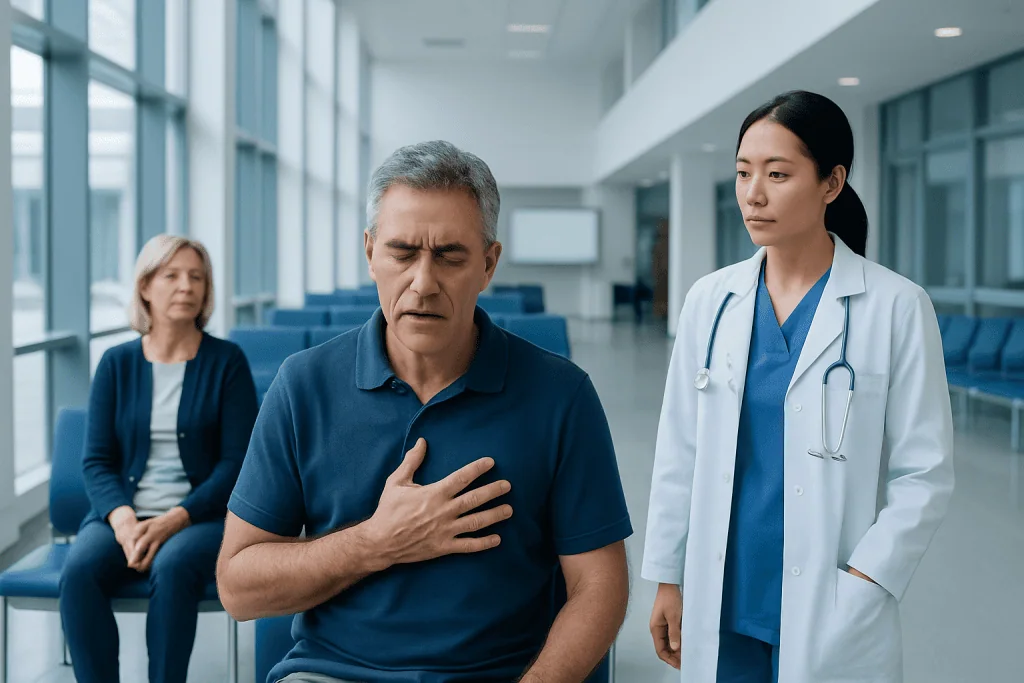
Palpitations are common, but arrhythmia symptoms with fainting, chest pain, or breathlessness need urgent evaluation. A very fast, very slow, or irregular heartbeat can reduce blood flow to the brain and other organs.
Key Takeaways
- Palpitations are common, but arrhythmia symptoms with fainting, chest pain, or breathlessness need urgent evaluation.
- A very fast, very slow, or irregular heartbeat can reduce blood flow to the brain and other organs.
- Some arrhythmias are linked to heart disease, medication effects, stimulant use, electrolyte imbalance, or thyroid problems.
- Diagnosis often includes an ECG, heart monitoring, blood tests, and imaging when needed.
- Treatment depends on the rhythm type and cause, and may include medicines, lifestyle changes, cardioversion, or ablation.
Many heart rhythm changes are harmless, but some arrhythmia symptoms should not be watched at home. Symptoms such as fainting, chest pain, severe shortness of breath, or persistent rapid or very slow heartbeat need prompt medical assessment.
Overview: when arrhythmia symptoms are more than a nuisance
An arrhythmia is a change in the heart’s normal rhythm. The heart may beat too fast, too slowly, or irregularly. Some people notice fluttering, pounding, skipped beats, or a racing sensation in the chest. Others may feel lightheaded, weak, short of breath, or unusually tired. In many cases, these symptoms are brief and not dangerous, but certain patterns need medical attention without delay.
The reason urgent evaluation matters is that some arrhythmias can affect how well the heart pumps blood. If the brain, lungs, or other organs receive less blood flow, symptoms can become serious quickly. A dangerous rhythm may also be a sign of an underlying heart condition, such as coronary artery disease, valve disease, or a weakened heart muscle.
Watchful waiting may be reasonable for occasional brief palpitations in a person who otherwise feels well, but it is not appropriate when symptoms are intense, prolonged, recurrent, or accompanied by warning signs. Any new rhythm symptom in someone with known heart disease deserves timely assessment. The goal is not to create alarm, but to recognize the situations in which prompt care can protect heart health and safety.
Symptoms that need urgent evaluation

Certain arrhythmia symptoms should be treated as urgent because they can signal poor circulation, a dangerous rhythm, or a heart problem happening at the same time. Fainting or near-fainting is one of the clearest warning signs. A sudden loss of consciousness may mean the heart briefly could not maintain enough blood flow to the brain. Even if a person quickly feels better, this symptom should be evaluated promptly.
Chest pain, pressure, or heaviness together with palpitations or a racing heartbeat should never be ignored. These symptoms can occur when the heart is under strain, and they may overlap with signs of a heart attack. Severe shortness of breath, bluish lips, marked sweating, confusion, or new weakness are also reasons to seek emergency care.
Other symptoms that need urgent medical attention include:
- A heartbeat that is very fast, very slow, or persistently irregular
- Dizziness that is severe or keeps returning
- Palpitations that last more than a few minutes and do not settle
- Shortness of breath at rest or with minimal activity
- New symptoms in a person with known heart disease, a pacemaker, or previous arrhythmia
It is also important to take symptoms seriously if there is a family history of sudden cardiac death, an inherited rhythm disorder, or a known condition such as ventricular tachycardia. In those settings, even symptoms that seem mild at first can carry more significance and should be discussed with a doctor quickly.
What arrhythmia symptoms can feel like

People describe arrhythmia symptoms in different ways. Some feel a pounding in the chest, throat, or neck. Others notice a fluttering feeling, a flip-flop sensation, or a brief pause followed by a strong beat. These are often called palpitations. They may happen at rest, during stress, after caffeine or alcohol, or during exercise.
Not all symptoms are felt in the chest. A rhythm problem can also cause fatigue, reduced exercise tolerance, shakiness, anxiety-like sensations, or trouble catching one’s breath. In older adults, symptoms may be less specific and can include weakness, confusion, or feeling unsteady. Some arrhythmias cause no symptoms at all and are found only during a routine exam or heart tracing.
It is helpful to pay attention to the pattern. Symptoms that begin suddenly and end suddenly may suggest one type of rhythm problem, while ongoing irregularity may suggest another, such as atrial flutter or atrial fibrillation. Episodes triggered by standing, dehydration, or exertion may point in a different direction. Keeping note of when symptoms happen, how long they last, and what they feel like can help the medical team identify the cause.
Causes and risk factors
Arrhythmias can arise from many causes. Sometimes the heart’s electrical system is temporarily irritated by dehydration, fever, stress, lack of sleep, heavy caffeine intake, alcohol, nicotine, or stimulant drugs. Electrolyte imbalances, anemia, overactive thyroid disease, and some prescription or over-the-counter medicines can also affect heart rhythm.
In other cases, the rhythm problem is related to an underlying heart condition. These include prior heart attack, heart muscle disease such as cardiomyopathy, heart failure, congenital heart defects, valve disease, or longstanding high blood pressure. Scar tissue in the heart can disrupt normal electrical pathways. Infections, inflammation, and sleep apnea may also contribute.
Risk increases with age, but arrhythmias can affect younger people as well. Athletes may experience certain benign rhythm changes, yet intense symptoms during exercise still need assessment. A family history of inherited rhythm disorders, sudden death, or early unexplained fainting raises concern for a genetic cause. Because causes vary widely, a careful medical evaluation is the safest way to distinguish a harmless trigger from a significant heart problem.
How doctors diagnose urgent rhythm symptoms
Diagnosis starts with a detailed discussion of the symptoms and a physical examination. A doctor will ask when the symptoms started, how long they last, what brings them on, and whether they occur with chest pain, fainting, or shortness of breath. Information about medications, supplements, caffeine, alcohol, recent illness, and family history can be especially important.
The main first test is an electrocardiogram, or ECG, which records the heart’s electrical activity. If the ECG is normal between episodes, longer monitoring may be needed. This may include a Holter monitor worn for 24 to 48 hours, an event monitor used over days or weeks, or patch-based rhythm monitoring. Blood tests can look for anemia, infection, electrolyte changes, or thyroid problems. An echocardiogram may be used to assess heart structure and pumping function.
Depending on the situation, additional testing may include exercise stress testing, advanced imaging, or an electrophysiology study to map the heart’s electrical pathways. When symptoms are severe or an unstable rhythm is suspected, assessment is done urgently in an emergency department or hospital setting. The aim is to identify both the rhythm itself and any underlying condition that needs treatment.
Treatment options after urgent evaluation
Treatment depends on the exact rhythm problem, how severe the symptoms are, and whether there is an underlying heart disease. Some people need only reassurance and correction of triggers such as dehydration, poor sleep, stimulant use, or medication side effects. Others may benefit from medicines that slow the heart rate, stabilize the rhythm, or reduce the risk of complications such as stroke in selected conditions.
If the heartbeat is dangerously fast or unstable, urgent treatment may include electrical cardioversion, which uses a controlled shock to restore normal rhythm. Some arrhythmias can be treated with a catheter-based procedure called ablation, in which the small area causing the abnormal rhythm is targeted. People with recurring or complex rhythm disorders may be referred for specialist evaluation in interventional cardiology or electrophysiology services.
When an arrhythmia is linked to another heart problem, that underlying condition is also treated. For example, symptoms may improve when high blood pressure is controlled, coronary disease is treated, or heart failure is managed. Recovery and long-term heart support may include cardiac rehabilitation for selected patients. Near the end of the care pathway, international patients may also seek assessment at Acibadem International, where multidisciplinary specialists in JCI-accredited hospitals diagnose and treat arrhythmias and related heart conditions.
Self-care, prevention, and when to seek immediate help
While not every arrhythmia can be prevented, heart-healthy habits can lower risk and reduce symptom triggers. Useful steps include staying well hydrated, sleeping regularly, limiting excess caffeine and alcohol, avoiding tobacco and recreational stimulants, and taking prescribed medicines exactly as directed. People with known heart disease should keep regular follow-up appointments and discuss any new symptoms early.
It can also help to track episodes. Writing down the time, duration, heart rate if available, activity at the time, and associated symptoms may make patterns easier to recognize. Smartwatches and home devices can be helpful for some people, but they do not replace medical evaluation when warning signs are present. A normal device reading should not delay care if the person feels unwell.
Immediate medical help is needed for palpitations or suspected arrhythmia with fainting, chest pain, severe shortness of breath, new confusion, or a feeling of collapse. Emergency care is also appropriate if symptoms start during exercise and do not stop, or if a person with known heart disease develops a sudden change in rhythm symptoms. When in doubt, it is safer to seek urgent medical advice rather than wait and see.
Frequently asked questions
Are all palpitations a sign of a dangerous arrhythmia?
No. Palpitations are common and may happen with stress, caffeine, dehydration, or lack of sleep. However, palpitations that come with fainting, chest pain, severe breathlessness, or marked dizziness need urgent medical evaluation.
When should a person go to the emergency department for arrhythmia symptoms?
Emergency care is appropriate if arrhythmia symptoms occur with fainting, near-fainting, chest pain, severe shortness of breath, confusion, or collapse. A very fast or very slow heartbeat that does not improve promptly should also be assessed urgently.
Can anxiety cause symptoms that feel like an arrhythmia?
Yes. Anxiety can cause a racing heart, skipped-beat sensations, and chest awareness. Even so, new, severe, or persistent symptoms should not automatically be blamed on anxiety, especially if there are warning signs or known heart disease.
How do doctors tell the difference between harmless palpitations and a serious rhythm problem?
Doctors use the symptom history, physical examination, ECG, and sometimes longer heart monitoring to identify the rhythm. Blood tests and heart imaging may also be needed to look for triggers or structural heart disease. The presence of fainting, chest pain, or breathlessness increases concern.
Can arrhythmias come and go and still be serious?
Yes. Some important arrhythmias happen in short episodes and may not be present during a routine office visit. That is why symptom timing, home heart rate readings, and wearable or prescribed monitors can be useful in capturing the problem.
What should a person do while waiting for medical evaluation?
It is sensible to stop strenuous activity, sit or lie down if feeling dizzy, and avoid more caffeine, alcohol, or stimulant medicines unless a doctor has advised otherwise. If severe symptoms develop, especially chest pain, fainting, or severe shortness of breath, emergency help should be sought immediately.
References
- American Heart Association
- European Society of Cardiology
- National Heart, Lung, and Blood Institute
- Mayo Clinic
- NHS
This article is for general information only and is not a substitute for professional medical advice. Please consult a qualified doctor about your individual situation.
Heart care in Turkey — expert evaluation and treatment
JCI-accredited · board-certified surgeons · reply within 24h
Add us as a Preferred Source to see more of our trusted health content across Google Search, AI Overviews and Discover.

Cardiology Department
Diagnosis and treatment of heart and vascular conditions, from prevention to advanced interventional procedures.
90 specialists in this unit