Occupational Lung Disease
Occupational Lung Disease is lung damage caused or worsened by workplace exposures. Learn symptoms, causes, diagnosis and treatment options.

Quick answer
Occupational lung disease is a group of breathing disorders caused by long-term exposure to harmful dusts, chemicals, fumes, or fibers in the workplace, which can damage the airways or lung tissue. At Acibadem in Turkey, evaluation focuses on identifying the exposure and the type of lung injury with clinical assessment, imaging, and lung function testing, and treatment may include avoiding…
Occupational Lung Disease is a group of respiratory conditions caused or worsened by breathing harmful substances at work, such as dusts, fumes, fibers, vapors, gases or biological particles. It may affect the airways, lung tissue or lining of the lungs, and early recognition can help reduce exposure and protect long-term breathing health.
Overview
Occupational Lung Disease is an umbrella term for lung conditions that develop because of exposures in the workplace or are made worse by them. These exposures may include mineral dust, metal fumes, chemical vapors, smoke, gases, fibers such as asbestos, and biological particles such as mold, animal proteins or plant dust. The condition may affect the breathing tubes, the tiny air sacs, the lung tissue or the lining around the lungs.
Common forms include occupational asthma, work-related chronic bronchitis, chronic obstructive pulmonary disease related to long-term exposure, pneumoconiosis such as silicosis or coal workers’ lung disease, hypersensitivity pneumonitis, and asbestos-related conditions. Some workplace exposures can also increase the risk of certain lung cancers, although not every exposed person develops disease.
Occupational Lung Disease may appear soon after a high-level exposure, such as an accidental inhalation of irritating gas, or gradually after months or years of repeated exposure. Because symptoms can resemble other respiratory illnesses, the connection with work may be missed unless a careful occupational history is taken. Identifying the cause is important because reducing exposure can prevent further harm and may improve symptoms in some conditions.
Symptoms
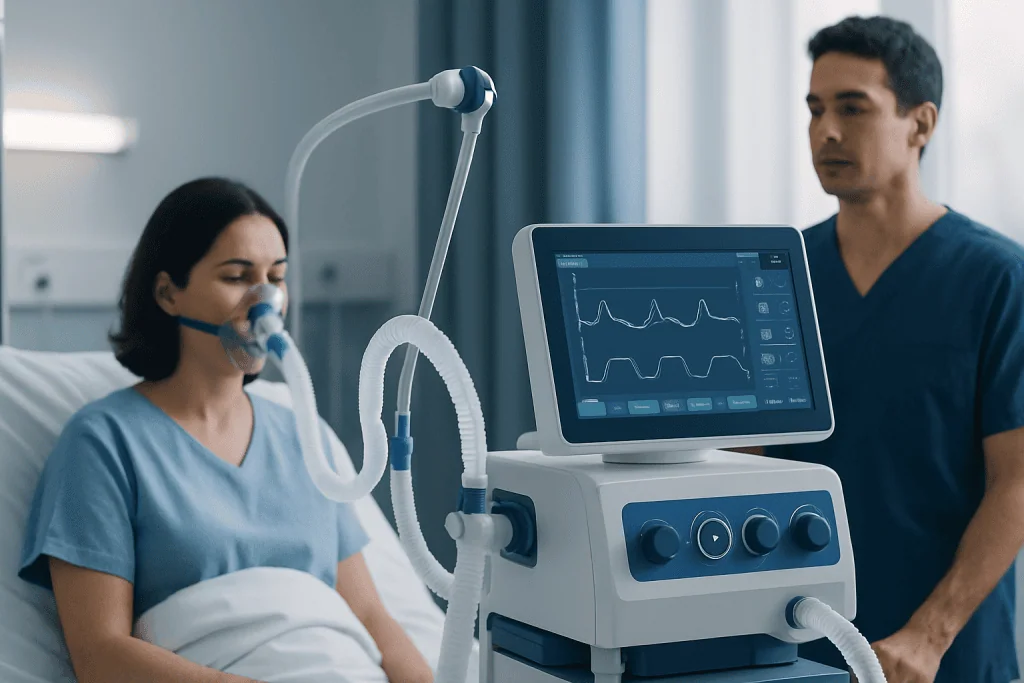
Symptoms of Occupational Lung Disease vary depending on the substance involved, the level and duration of exposure, and the part of the lung affected. Some people have mild symptoms only during or after work, while others develop persistent breathing problems that continue even away from the workplace.
Common symptoms may include:
- Shortness of breath during activity or, in more advanced cases, at rest
- Persistent cough, sometimes with phlegm
- Wheezing or noisy breathing
- Chest tightness or discomfort
- Repeated chest infections or slow recovery after respiratory illness
- Fatigue, reduced exercise tolerance or difficulty doing usual tasks
- Symptoms that improve on weekends or holidays and return at work
In occupational asthma, wheezing, cough and chest tightness may be closely related to specific work tasks or areas of the workplace. In dust-related scarring diseases, symptoms may develop slowly and may not be noticed until lung function has already changed. Acute inhalation injury may cause sudden cough, throat irritation, chest tightness or breathlessness after a single strong exposure and should be medically assessed promptly.
Causes & Risk Factors
Occupational Lung Disease is caused by inhaling substances that irritate, inflame, sensitize or scar the lungs. The risk depends on the type of substance, particle size, concentration in the air, duration of exposure, ventilation, protective measures and individual susceptibility. Smoking can further increase the risk of some lung diseases and may worsen symptoms, although occupational disease can occur in people who have never smoked.
Workplaces and exposures linked with these conditions may include mining, construction, stone cutting, manufacturing, agriculture, textile work, metalworking, welding, cleaning, painting, baking, laboratory work, healthcare, woodworking and jobs involving asbestos-containing materials. Examples of harmful exposures include silica dust, coal dust, asbestos fibers, metal fumes, isocyanates, solvents, grain dust, flour dust, mold, animal proteins, disinfectant chemicals and combustion fumes.
Risk factors include inadequate ventilation, lack of effective dust or fume control, poor fit or incorrect use of respiratory protective equipment, repeated high exposures, accidental spills or gas releases, and long employment in a high-exposure setting. A past history of asthma, allergies or other lung disease may make some workers more vulnerable to symptoms, but it does not always predict who will develop disease.
Diagnosis
Diagnosis begins with a detailed medical and occupational history. A doctor will ask about current and previous jobs, specific tasks, materials handled, visible dust or fumes, use of protective equipment, ventilation, symptom timing, co-workers with similar symptoms, smoking history and any known exposure incidents. The pattern of symptoms in relation to workdays, weekends and holidays can provide important clues.
Tests may include lung function testing, such as spirometry, to measure airflow and identify obstruction or restriction. In some cases, peak flow monitoring at and away from work, allergy or sensitization testing, blood tests, exercise testing or measurement of gas exchange may be useful. The exact test selection depends on the suspected condition and should be guided by a pulmonologist or occupational medicine specialist.
Imaging may include a chest X-ray or high-resolution computed tomography to look for scarring, nodules, airway disease, pleural thickening or other structural changes. When hypersensitivity pneumonitis, interstitial lung disease or another complex diagnosis is suspected, additional specialist investigations may be needed. Diagnosis often involves combining clinical findings, exposure history, lung function results and imaging rather than relying on one test alone.
Treatment Options
Treatment for Occupational Lung Disease depends on the exact diagnosis, severity, current exposure and overall health. The right approach is decided by a specialist after assessment. A key part of management is reducing or stopping exposure to the substance causing harm, because continued exposure can worsen many work-related lung conditions.
Management may include workplace controls such as improved ventilation, enclosed processes, wet methods to reduce dust, substitution of safer materials, exposure monitoring and correctly selected respiratory protective equipment. In some cases, a worker may need modified duties or removal from a high-risk exposure area. These decisions should be coordinated carefully with healthcare professionals, occupational health services and workplace safety teams.
Medical treatment may involve inhaled or oral medications to reduce airway inflammation, relieve bronchospasm, treat infections when present or manage associated symptoms. Some people benefit from pulmonary rehabilitation, breathing exercises, supervised physical conditioning, vaccination guidance, oxygen therapy when medically indicated, or long-term monitoring with lung function tests. Advanced or complex diseases may require evaluation by specialized respiratory teams and, rarely, consideration of procedures or other advanced therapies.
Treatment also includes education about avoiding irritants, recognizing symptom changes and maintaining follow-up. If smoking is present, stopping smoking is strongly encouraged because it supports lung health and may slow progression of some respiratory conditions. Patients should not start, stop or change medications without medical advice.
Living With / Prognosis
The outlook for Occupational Lung Disease varies widely. Some conditions, such as certain forms of occupational asthma, may improve significantly when the exposure is identified early and avoided. Other conditions, especially scarring diseases caused by long-term dust or fiber exposure, may be long-lasting and require ongoing monitoring even after exposure has ended.
Living well with the condition often involves regular follow-up, adherence to the treatment plan, avoiding further harmful exposure and reporting new symptoms early. Patients may be advised to keep records of symptoms, work tasks, exposure incidents and test results. This information can help doctors assess disease patterns and guide future workplace recommendations.
Supportive care can make daily life easier. Pulmonary rehabilitation, safe physical activity, healthy nutrition, adequate sleep and prevention of respiratory infections may help maintain function. People with chronic lung disease should ask their doctor about vaccinations and individualized plans for managing flare-ups or respiratory infections.
Because Occupational Lung Disease can have employment and workplace safety implications, patients may also need occupational health assessment and guidance about safe job modifications. Acibadem International’s multidisciplinary specialists and JCI-accredited hospitals diagnose and treat occupational and work-related lung conditions for international patients, with care planned according to each person’s clinical findings.
When to See a Doctor
A person should see a doctor if they have persistent cough, wheezing, chest tightness, shortness of breath or phlegm that may be related to work. Symptoms that improve away from work and return during workdays are especially important to mention. Early assessment can help identify the cause and reduce the risk of ongoing lung irritation or damage.
Medical advice is also important after a significant exposure to smoke, chemical fumes, dust, gas or vapor, even if symptoms seem mild at first. Some inhalation injuries may worsen over hours, and a professional evaluation can determine whether monitoring or treatment is needed.
Urgent medical care is needed for severe shortness of breath, bluish lips, fainting, confusion, severe chest pain, coughing blood or rapidly worsening breathing. People with known lung disease should seek prompt care if their usual symptoms suddenly change or if they cannot perform normal activities because of breathlessness.
Frequently asked questions
What is Occupational Lung Disease?
Occupational Lung Disease is a group of lung conditions caused or worsened by substances breathed in at work. These substances may include dusts, fumes, fibers, gases, vapors or biological particles. The disease can affect the airways, lung tissue or lining around the lungs.
What are the early symptoms of Occupational Lung Disease?
Early symptoms may include cough, wheezing, chest tightness, shortness of breath, phlegm or unusual tiredness with activity. A key clue is that symptoms may worsen during work shifts and improve on weekends or holidays. Any persistent or recurring breathing symptom should be discussed with a doctor.
Which jobs have a higher risk of Occupational Lung Disease?
Higher-risk jobs may include mining, construction, stone cutting, welding, farming, baking, textile work, cleaning, painting, manufacturing, woodworking and work involving asbestos or chemical exposure. Risk depends on the specific substance, exposure level, ventilation and protective measures. Safe work practices can reduce risk significantly.
Can Occupational Lung Disease be cured?
Some work-related lung problems can improve when the harmful exposure is removed and appropriate treatment is started early. Other conditions, especially those involving lung scarring, may be chronic and require long-term monitoring. The outlook depends on the diagnosis, exposure history and overall health.
How is Occupational Lung Disease diagnosed?
Diagnosis usually combines a detailed work history with a physical examination, lung function tests and imaging such as a chest X-ray or high-resolution CT scan. Doctors may also use allergy testing, peak flow monitoring or other specialized tests depending on the suspected condition. A pulmonologist or occupational medicine specialist can help interpret results in relation to workplace exposures.
What is the main treatment for Occupational Lung Disease?
The most important step is identifying and reducing or avoiding the exposure that is causing harm. Treatment may also include medications, pulmonary rehabilitation, oxygen therapy when needed, monitoring and workplace safety measures. The right plan should be decided by a qualified specialist after assessment.
Should a person stop working if they have Occupational Lung Disease?
Not everyone needs to stop working, but some people may need changes in tasks, improved protective measures or removal from a harmful exposure area. The decision depends on the diagnosis, severity and workplace conditions. A doctor and occupational health professional can help guide safe and practical recommendations.
References
- World Health Organization
- Centers for Disease Control and Prevention
- National Institute for Occupational Safety and Health
- American Thoracic Society
- European Respiratory Society
This article is for general information only and is not a substitute for professional medical advice. Please consult a qualified doctor about your individual situation.