

Gallbladder Surgery in Turkey: Treatment Guide

Gallbladder surgery treats gallstones, inflammation, and other gallbladder problems by removing the gallbladder, most often with minimally invasive laparoscopic techniques. In Turkey, Acibadem evaluates each patient with imaging and clinical assessment, then plans surgery and recovery according to the condition, symptoms, and overall health.
This guide explains gallbladder surgery in Turkey, including when it is recommended, how laparoscopic cholecystectomy is performed, what recovery is like, and how international patient planning works at Acibadem. It is designed to help you understand your options and prepare for a safe, well-coordinated treatment journey.
At a glance
- Procedure type: Most commonly laparoscopic gallbladder removal, also called laparoscopic cholecystectomy
- Purpose: To treat symptomatic gallstones, gallbladder inflammation, gallbladder polyps in selected cases, or recurrent gallbladder-related pain
- Anesthesia: Usually general anesthesia
- Hospital stay: Often short; may vary depending on your condition, test results and surgical approach
- Estimated recovery: Many patients feel gradually better within the first week, with fuller recovery over several weeks
- Return to daily life: Light daily activities are usually resumed gradually after medical approval
- Final result timeline: Digestive adaptation and wound healing typically continue over weeks to a few months
- Suitable department: General Surgery, with Gastroenterology, Radiology and Anesthesiology support when needed
- International patient support: Interpreter services, appointment coordination, airport transfers, accommodation guidance and remote follow-up support
What is this treatment?
Gallbladder surgery, medically called cholecystectomy, is an operation to remove the gallbladder. The gallbladder is a small organ under the liver that stores bile, a digestive fluid that helps break down fats. When gallstones, inflammation or other gallbladder problems cause symptoms, removing the gallbladder may be the most appropriate long-term treatment.
Most gallbladder surgery today is performed laparoscopically. This means the surgeon uses small incisions, a camera and fine instruments to remove the gallbladder with less disruption to the abdominal wall than traditional open surgery. In some situations, open surgery may be safer or necessary, especially when there is severe inflammation, scarring or unexpected findings during the operation.
You can live without your gallbladder. After removal, bile flows directly from the liver into the intestine rather than being stored. Some people notice temporary changes in digestion, especially with fatty meals, but many adapt over time with simple dietary adjustments and follow-up guidance.
When is it recommended?
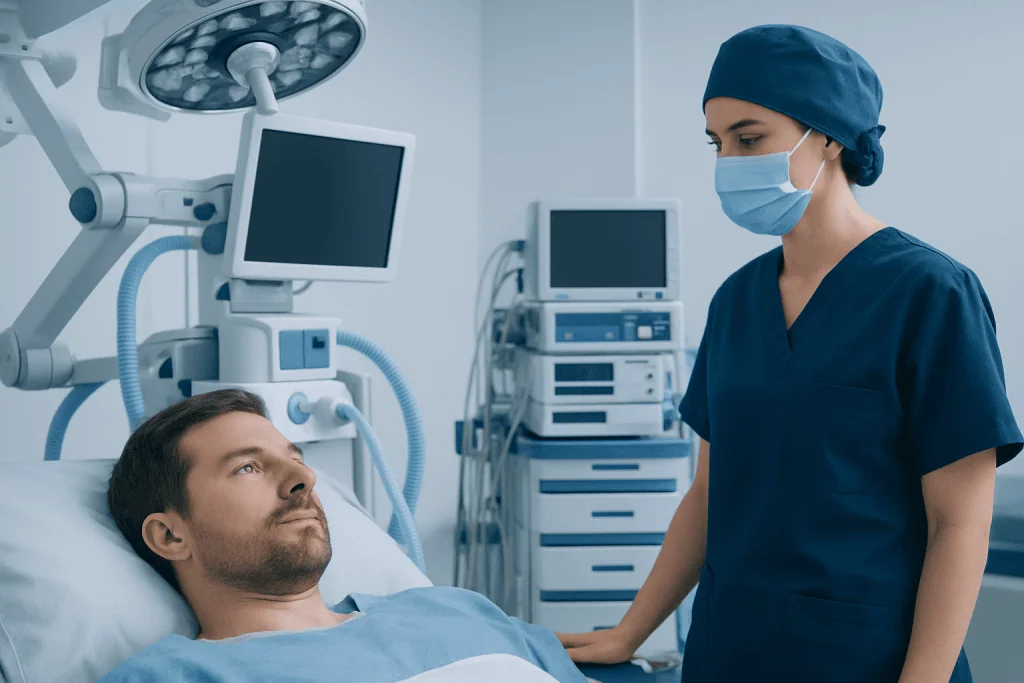
Gallbladder surgery is commonly recommended when gallstones cause symptoms such as pain in the upper right abdomen, pain after meals, nausea, bloating or recurrent attacks known as biliary colic. It may also be advised after gallbladder inflammation, called cholecystitis, or when stones create a risk of complications.
Your doctor may consider surgery if imaging tests show gallstones together with symptoms, or if you have had repeated emergency visits for gallbladder pain. Surgery may also be discussed for certain gallbladder polyps, gallbladder dysfunction, complications involving the bile ducts, or pancreatitis related to gallstones.
Not every gallstone requires surgery. Some people have silent gallstones found incidentally on ultrasound and may not need immediate treatment. The decision depends on your symptoms, medical history, age, other health conditions, imaging results and the opinion of a general surgery specialist.
Who is a good candidate?
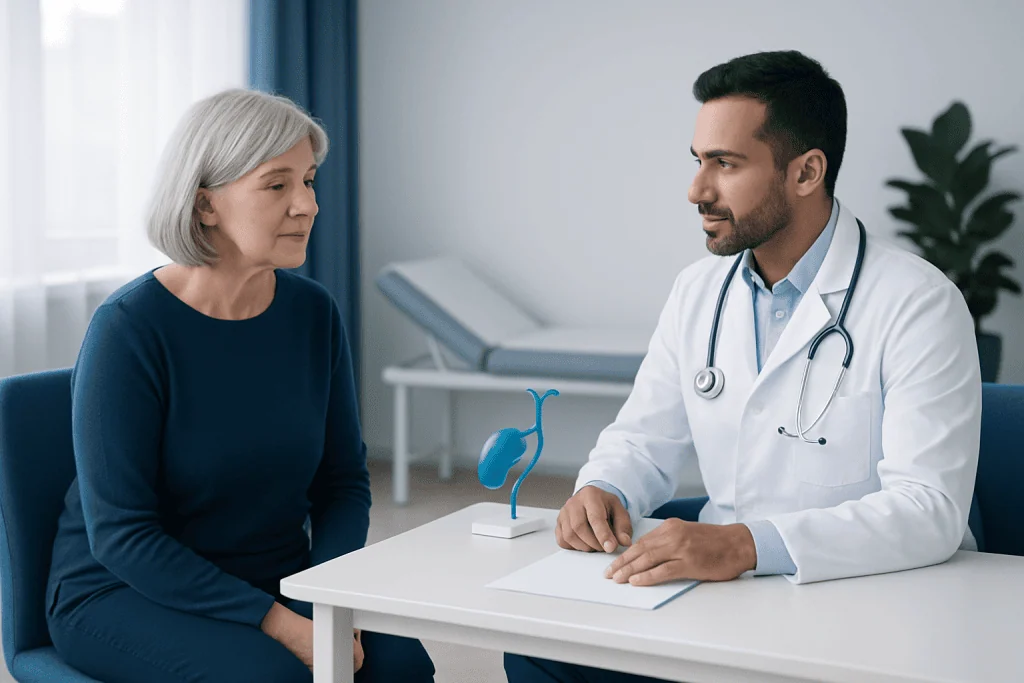
You may be a good candidate for gallbladder surgery if you have symptomatic gallstones, recurrent gallbladder pain, gallbladder inflammation, or a complication linked to stones. The best candidates are those whose symptoms and test results match a gallbladder-related diagnosis and who are fit enough for anesthesia and surgery.
Your surgical team will review your general health, including heart and lung conditions, diabetes, blood-thinning medication, previous abdominal surgery and any history of anesthesia problems. These factors do not always prevent surgery, but they may influence timing, preparation, technique and the level of monitoring you need.
If you are travelling internationally, candidacy also includes travel safety. Your Acibadem team will consider whether you can fly before and after the procedure, how long you should remain in Turkey, and whether you need additional evaluation by gastroenterology, cardiology or other specialties before proceeding.
Treatment options
The most common treatment option is laparoscopic cholecystectomy. During this operation, the gallbladder is removed through several small incisions. This approach is often preferred because it usually supports faster mobilization, smaller scars and a shorter hospital stay compared with open surgery, although suitability must be confirmed by your surgeon.
Open cholecystectomy may be recommended in selected cases or may become necessary during a planned laparoscopic operation. Reasons may include severe infection, dense scar tissue, unusual anatomy, bleeding concerns or a safer surgical view being required. Conversion to open surgery is not a failure; it is a safety decision made by the surgeon when needed.
If gallstones have moved into the main bile duct, you may need additional treatment before, during or after gallbladder surgery. In some cases, a gastroenterology procedure called ERCP may be used to remove bile duct stones. Your treatment plan may therefore involve both General Surgery and Gastroenterology specialists.
Emergency and elective surgery are different pathways. Emergency surgery may be needed for acute inflammation, infection or complications. Elective surgery is planned after evaluation, imaging and pre-operative preparation. For international patients, elective treatment allows more time for record review, travel coordination and recovery planning.
Online evaluation before travel
Before you travel to Turkey, an online evaluation helps the medical team understand your condition and plan your visit efficiently. You may be asked to share your ultrasound report, blood test results, previous hospital notes, medication list and a description of your symptoms, including when the pain occurs and whether you have fever, jaundice or vomiting.
Acibadem International can coordinate a preliminary medical review with the relevant department. This review is not a final diagnosis and cannot replace an in-person consultation, but it can help determine whether gallbladder surgery appears appropriate, whether additional tests are likely, and how long you may need to stay.
If you have urgent symptoms, such as high fever, severe ongoing pain or yellowing of the eyes, you should not delay emergency care while waiting for travel. In such cases, your local doctor or emergency department should assess you promptly, and travel should be considered only when medically safe.
Before the treatment
Before surgery, you will have an in-person consultation with a general surgeon. The doctor will review your symptoms, medical history, physical examination, imaging and laboratory tests. You may also meet an anesthesiologist to assess anesthesia safety and discuss fasting, medications and previous anesthesia experiences.
Pre-operative tests often include blood work and imaging such as abdominal ultrasound. Depending on your situation, additional tests may be needed to check liver enzymes, inflammation markers, bile duct size or overall fitness for surgery. If you use blood thinners, diabetes medication or supplements, your doctor will explain whether any changes are needed before surgery.
You will usually be asked not to eat or drink for a specific period before the operation. You should also inform your team about allergies, previous surgeries, pregnancy possibility, implanted devices and any current infection. Clear communication helps your team personalize your care and reduce avoidable risks.
What happens during the treatment
Gallbladder surgery is usually performed under general anesthesia, meaning you are asleep and do not feel pain during the operation. In laparoscopic surgery, the surgeon makes small incisions in the abdomen, inserts a camera and instruments, carefully separates the gallbladder from the liver and bile duct structures, and removes it through one of the incisions.
The surgical team works carefully to identify the anatomy and protect nearby structures. In some cases, additional imaging or surgical techniques may be used to clarify the bile ducts. If the surgeon believes the safest approach is to enlarge the incision or convert to open surgery, this decision is made in your best interest.
After the gallbladder is removed, the incisions are closed and you are moved to a recovery area where nurses monitor your breathing, blood pressure, pain level and overall condition. You may feel sleepy, have mild shoulder discomfort from laparoscopic gas, or experience nausea after anesthesia; these are usually managed by the care team.
Hospital stay and discharge
Your hospital stay depends on your diagnosis, the surgical approach, anesthesia recovery and whether there were complications such as infection or bile duct stones. Many laparoscopic cases involve a short stay, while emergency, open or more complex cases may require longer monitoring.
Before discharge, your team will check that your pain is controlled, you can walk safely, you can tolerate fluids or light food, and your vital signs are stable. You will receive instructions about wound care, showering, diet, activity, medications and when to attend your first control visit.
For international patients, discharge planning also includes travel considerations. Your surgeon will advise when it is safe to return to your hotel and when flying may be appropriate. It is important not to book a very tight return schedule, as your medical team may recommend extra time for observation or follow-up if needed.
Recovery timeline
Recovery after gallbladder surgery varies from person to person. Laparoscopic surgery often allows a gradual return to light activities sooner than open surgery, but your timeline depends on your general health, inflammation level, pain control, surgical findings and your doctor’s advice.
| Timeframe | What to expect |
|---|---|
| First 24 hours | You may feel sleepy, bloated or sore around the incision sites. Nurses monitor your recovery, and you begin gentle walking when allowed. |
| First week | Discomfort usually improves gradually. Light meals, short walks and wound care are important. You should avoid heavy lifting and follow medication instructions. |
| Weeks 2-4 | Energy and mobility often improve. Many patients resume more normal daily routines after medical approval, while strenuous activity may still be restricted. |
| Months 1-3 | Digestive adaptation continues. Some people notice sensitivity to fatty foods, which often improves with dietary adjustments. |
| Final result | The main goal is relief from gallbladder-related attacks. Scars mature over time, and long-term digestion varies between individuals. |
If you had open surgery, severe inflammation or additional procedures, recovery may take longer. Your surgeon will give a personalized plan for walking, work, exercise, lifting and travel based on your progress at follow-up.
What to avoid after treatment
After gallbladder surgery, you should avoid heavy lifting, intense exercise and sudden abdominal strain until your doctor confirms it is safe. Even if your incisions look small, the deeper tissues need time to heal. Gentle walking is usually encouraged, but strenuous activity should wait for medical clearance.
You may be advised to avoid very fatty, fried or heavy meals at first. Smaller, lighter meals can be easier while your digestion adapts. Alcohol, smoking and unnecessary supplements may interfere with healing or medication safety, so ask your doctor what is appropriate in your case.
Do not ignore worsening symptoms, and do not remove dressings or apply creams to wounds unless instructed. Avoid swimming pools, baths or saunas until your incisions are healed and your team approves. If you are flying home, follow your doctor’s advice about movement, hydration and any precautions related to your personal risk factors.
Risks and possible complications
Gallbladder surgery is a common operation, but every surgery has risks. Possible complications include bleeding, infection, wound problems, blood clots, anesthesia-related reactions, injury to nearby organs, bile leakage, retained bile duct stones or injury to the bile ducts. These risks are uncommon overall but must be discussed honestly before you consent to treatment.
Some patients experience temporary bloating, diarrhea, indigestion or changes in bowel habits after gallbladder removal. These symptoms often improve with time and dietary adjustments, but persistent or severe symptoms should be assessed by a doctor. A small number of patients may need additional tests or procedures if bile duct stones or bile leakage are suspected.
Your safety plan includes careful pre-operative evaluation, appropriate imaging, experienced surgical and anesthesia teams, sterile operating environments and follow-up monitoring. At Acibadem, care is coordinated within JCI-accredited hospital systems, with multidisciplinary support available when a case requires more than one specialty.
Warning signs: when to contact a doctor
It is normal to have some soreness, mild bloating and tiredness after surgery. However, certain symptoms may suggest infection, bile duct problems, bleeding or another complication and should be checked promptly.
- Fever, chills or feeling increasingly unwell
- Worsening abdominal pain that does not improve with prescribed medication
- Yellowing of the skin or eyes, dark urine or pale stools
- Persistent nausea, vomiting or inability to keep fluids down
- Increasing redness, swelling, warmth, discharge or bleeding from an incision
- Severe bloating, inability to pass gas or worsening abdominal distension
- Shortness of breath, chest pain, fainting or a racing heartbeat
- Calf pain, leg swelling or sudden unexplained weakness
If you are still in Turkey, contact your Acibadem care coordinator or hospital team immediately. If you have already returned home and symptoms are urgent, seek local emergency care first and then update your Acibadem team for continuity of follow-up.
Results and expectations
The main expected result of gallbladder surgery is relief from gallbladder-related pain attacks and prevention of further gallbladder complications. If your symptoms were truly caused by gallstones or gallbladder inflammation, removing the gallbladder usually addresses the source of those attacks.
It is important to have realistic expectations. Some digestive symptoms, such as bloating or intolerance of fatty foods, may take time to settle. If you had other digestive conditions at the same time, such as gastritis, reflux, irritable bowel symptoms or liver-related issues, surgery may not resolve symptoms unrelated to the gallbladder.
Scars from laparoscopic incisions usually fade gradually, but scar appearance varies by skin type, healing pattern and aftercare. In rare cases, further treatment may be needed for bile duct stones, bile leakage, infection or persistent symptoms. Your physician will explain your individual outlook based on your diagnosis and surgery findings.
International patient travel planning
When planning gallbladder surgery in Turkey, you should allow time for consultation, pre-operative tests, the procedure, initial recovery and a control visit before travel clearance. The exact length of stay depends on whether your surgery is elective or urgent, whether it is laparoscopic or open, and whether any additional procedures are needed.
Acibadem International can help coordinate appointments, interpreter support, airport transfers and accommodation guidance. Having a companion can be helpful, especially during the first days after surgery, because you may need assistance with transport, meals, medications and communication.
Before flying, your surgeon should confirm that your wounds are stable, pain is controlled, you can walk comfortably and there are no warning signs. During travel, you may be advised to walk periodically, drink fluids and avoid carrying heavy luggage. Always follow your personalized discharge instructions rather than general timelines.
Cost and package information
The cost of gallbladder surgery can vary depending on several medical and logistical factors. These include whether the surgery is elective or emergency, the surgical approach, the complexity of inflammation or scarring, anesthesia needs, hospital stay duration, imaging, laboratory tests, specialist consultations and whether additional procedures such as ERCP are required.
A typical international patient quotation may include the planned hospital services, surgeon and anesthesia-related services, standard pre-operative assessments, operating room use, nursing care, routine medications during hospitalization and initial control arrangements. The exact inclusions should always be reviewed in writing before you travel.
Items that may not be included can vary by package and may include additional tests, unexpected consultations, treatment of unrelated conditions, extended hospital stay, hotel accommodation, flights, companion expenses, personal spending, special medications or care required due to complications. Acibadem International provides personalized quotations after medical review, without assuming that one standard package fits every patient.
Why choose Acibadem
Gallbladder surgery requires careful diagnosis, safe anesthesia, experienced surgical judgment and reliable follow-up. Acibadem’s JCI-accredited hospitals provide international patients access to General Surgery teams supported by radiology, gastroenterology, anesthesiology, intensive care and laboratory services when needed.
For patients travelling from abroad, coordination matters as much as the operation itself. Acibadem International helps organize your appointments, medical record review, interpreter services, transfers, accommodation guidance and communication with your care team. This support can make the process clearer and less stressful, especially when you are navigating treatment in another country.
Your care plan is based on medical evaluation, not a one-size-fits-all pathway. The team will explain whether laparoscopic surgery is appropriate, whether additional tests are needed and when it is safe to travel home. The goal is to provide clear information, coordinated care and realistic expectations at every stage.
Medical review and disclaimer
This guide has been reviewed by the Acibadem International medical team. It is intended to provide general information about gallbladder surgery in Turkey and to help you prepare questions for your consultation.
The information here does not replace a medical examination, diagnosis or personalized treatment plan from a qualified physician. Your suitability for gallbladder surgery, the safest surgical approach, anesthesia planning, travel timing and recovery instructions must be determined after individual medical evaluation.
If you have severe pain, fever, jaundice, persistent vomiting or other urgent symptoms, seek immediate medical care. For non-urgent planning, Acibadem International can help you share your records for preliminary review and guide you through the next steps.
Step by step
- Initial contact. You contact Acibadem International and share your main concern, preferred travel dates and any recent diagnosis related to gallstones or gallbladder disease.
- Medical record / photo submission. You send available medical records such as ultrasound reports, blood tests, discharge notes, medication lists and any imaging files requested by the coordinator.
- Preliminary medical review. The relevant medical team reviews your information to understand whether gallbladder surgery may be appropriate and whether additional tests are likely.
- Treatment plan and quotation. You receive an outline of the proposed pathway, estimated hospital needs and a personalized quotation based on the information available before travel.
- Travel planning. Your coordinator helps arrange appointment timing, airport transfer details, interpreter needs and accommodation guidance for you and your companion if applicable.
- Arrival. You arrive in Turkey and are guided to your hotel or hospital appointment according to the agreed schedule.
- In-person consultation. You meet the general surgeon for examination, review of your symptoms and confirmation of the recommended treatment approach.
- Pre-operative tests. You complete necessary blood tests, imaging and anesthesia assessment. Other specialist evaluations may be arranged if your health history requires them.
- Treatment. Your gallbladder surgery is performed, usually under general anesthesia, with laparoscopic or open technique depending on your condition and surgical safety.
- Hospital stay. Your team monitors pain control, wound condition, mobility, diet tolerance and vital signs until you are ready for discharge.
- First control. Your surgeon checks your recovery, reviews wound healing, answers questions and adjusts instructions if needed.
- Discharge / travel clearance. You receive medication guidance, wound care instructions, warning signs and advice on when it is safe to return home.
- Remote follow-up. After you return home, Acibadem International can help coordinate remote follow-up communication when appropriate and guide you on sharing updates or reports.
Your checklist
- Passport and travel documents
- Recent abdominal ultrasound report and imaging files if available
- Blood test results, especially liver function tests and inflammation markers if available
- Medical history, including chronic conditions such as diabetes, heart or lung disease
- Current medication list, including blood thinners, diabetes medicines, supplements and herbal products
- Known allergies to medications, latex, contrast agents or foods
- History of previous surgeries, especially abdominal operations
- Details of current symptoms, including pain location, meal triggers, fever, jaundice, vomiting or emergency visits
- Previous hospital discharge summaries or emergency department notes related to gallbladder attacks
- Contact information for your local doctor and any relevant specialist reports
Key takeaways
- Gallbladder surgery is most often recommended when gallstones or gallbladder disease cause pain, inflammation, infection or recurrent symptoms.
- The standard approach is usually laparoscopic cholecystectomy, performed through small incisions under general anesthesia.
- Your length of stay in Turkey depends on your diagnosis, pre-operative tests, surgical findings and your surgeon’s travel clearance.
- Recovery is usually gradual; you should avoid heavy lifting, strenuous exercise and fatty meals until your doctor advises otherwise.
- Seek medical advice urgently for fever, worsening abdominal pain, jaundice, persistent vomiting, chest pain or wound problems.
Frequently asked questions
Do I always need surgery if I have gallstones?
Not always. Some gallstones do not cause symptoms and may only need observation. Surgery is more commonly recommended when gallstones cause pain, inflammation, infection or complications, and your physician should evaluate your individual situation.
What is the most common type of gallbladder surgery?
The most common approach is laparoscopic cholecystectomy, where the gallbladder is removed through small incisions using a camera and special instruments. In some cases, open surgery may be safer or necessary, depending on inflammation, anatomy or previous surgery.
How long should I stay in Turkey for gallbladder surgery?
Your stay depends on your condition, test results, surgical approach and recovery. You should plan enough time for consultation, pre-operative tests, surgery, early recovery and a control visit before flying home. Your surgeon will provide travel clearance based on your progress.
Can I fly soon after gallbladder surgery?
Flying should only be done after your surgeon confirms that it is safe. Your pain should be controlled, wounds should be stable and there should be no signs of complications. You may also receive advice about walking during travel, hydration and avoiding heavy luggage.
Will I be able to eat normally after gallbladder removal?
Many people return to a broad diet over time, but it is common to start with lighter meals. Fatty or fried foods may cause discomfort at first, so gradual reintroduction is often recommended. If digestive symptoms persist, your doctor may suggest further assessment or dietary guidance.
What affects the cost of gallbladder surgery in Turkey?
Cost depends on the surgical approach, complexity of your case, hospital stay, anesthesia needs, tests, consultations and whether additional procedures are required. A personalized quotation is prepared after medical review. You should check what is included and what may be billed separately.
Is gallbladder surgery safe?
Gallbladder surgery is commonly performed, but it is still an operation with possible risks such as bleeding, infection, bile leakage, bile duct injury or anesthesia-related problems. Careful evaluation and an experienced hospital team help manage risks. Your surgeon will explain your personal risk profile before treatment.
What happens if stones are found in the bile duct?
If bile duct stones are suspected, your team may recommend additional imaging or a gastroenterology procedure such as ERCP. This may be done before, after or in coordination with gallbladder surgery depending on your case. Your plan will be individualized after evaluation.
Will the scars be visible?
Laparoscopic surgery usually leaves small incision scars that fade gradually over time. Scar appearance varies based on skin type, healing, wound care and individual biology. Open surgery leaves a larger scar, but it is chosen when it is the safer surgical option.
Can symptoms come back after the gallbladder is removed?
Gallbladder attacks should not recur because the gallbladder has been removed. However, digestive symptoms from other causes can continue, and rarely bile duct stones or other bile-related issues may need further care. If symptoms persist or return, you should contact a doctor for evaluation.
Add us as a Preferred Source to see more of our trusted health content across Google Search, AI Overviews and Discover.

More Patient Guides
Day Surgery in Turkey: Can You Leave Hospital the Same Day?
Day surgery in Turkey often lets you go home the same day if your procedure and recovery are suitable and your doctor…
11 min read
General Anesthesia in Turkey: How to Prepare and What Happens Before You Sleep
General anesthesia in Turkey helps you sleep safely through surgery. Learn preparation, recovery, risks, and travel planning in Istanbul.
11 min read
Choosing Between Outpatient and Inpatient Treatment in Turkey: What Affects the Decision
Choosing Between Outpatient and Inpatient Treatment in Turkey depends on your procedure, health, recovery needs and travel plans.
11 min read