

Quick answer
Burn scars are areas of thickened, discolored, tight, or uneven skin that can develop after a burn heals, sometimes limiting movement or causing discomfort and cosmetic concern. Treatment depends on the scar’s depth, size, and location, and may include scar management therapies, laser applications, pressure garments, injections, or reconstructive surgery planned by a multidisciplinary team.
Overview
Burn scars are areas of changed skin that develop after a burn injury has healed. They can occur after burns caused by heat, chemicals, electricity, sunlight, or radiation. The appearance and feel of a burn scar can vary widely depending on the depth of the burn, the size of the injured area, the person’s skin type, the location on the body, and how the wound healed.
Some burn scars are flat and pale, while others may become raised, thick, tight, darker, or lighter than the surrounding skin. In some cases, scars can affect movement, especially when they form across joints such as the neck, shoulder, elbow, hand, knee, or ankle. Burn scars may also cause itching, sensitivity, discomfort, or emotional distress due to changes in appearance.
Plastic surgery and reconstructive care can help improve the function and appearance of burn scars. Treatment is individualized and may involve non-surgical care, scar management techniques, laser procedures, injections, or surgery. The goal is usually to reduce symptoms, improve movement, and make the scar less noticeable, although scars cannot usually be removed completely.
Symptoms
Burn scars may look and feel different from normal skin. Common features include:
- Raised, thick, or firm skin
- Red, pink, brown, or pale discoloration
- Tightness or pulling of the skin
- Itching, tenderness, or sensitivity
- Dryness or changes in skin texture
- Pain or discomfort in the scar area
- Reduced movement if the scar crosses a joint
- Changes in appearance that affect confidence or daily life
Some scars become thick and extend beyond the original wound area. Others may stay within the burn site but become raised and rigid. Scars may continue to change for months after the burn has healed. In children, scars can become more noticeable or restrictive as the body grows.
Causes and Risk Factors
Burn scars form as part of the body’s natural healing process. When deeper layers of the skin are damaged, the body produces new tissue to close the wound. This new tissue is not the same as normal skin, and it may develop into a scar.
Factors that may increase the chance of visible or problematic burn scarring include:
- Deeper burns that affect multiple layers of the skin
- Large burn wounds
- Burns that take a long time to heal
- Infection or repeated irritation during healing
- Burns located over joints or on areas with frequent movement
- Previous history of thick or raised scars
- Genetic tendency to form prominent scars
- Darker skin tones, which may be more prone to certain types of pigmentation changes or raised scarring
- Younger age, as children and adolescents may scar more actively during growth
Early and appropriate wound care can influence the final appearance and function of a scar, but scarring may still occur even with good treatment.
Diagnosis
A healthcare professional usually evaluates burn scars through a physical examination and a discussion of the patient’s burn history. The doctor may ask when the burn occurred, how it was treated, whether the area healed quickly or slowly, and whether there are symptoms such as pain, itching, tightness, or limited movement.
During the examination, the scar’s thickness, color, flexibility, location, and effect on nearby joints or facial features may be assessed. If the scar affects movement, the doctor may check range of motion and functional limitations. In some cases, photographs may be used to monitor changes over time.
Imaging or laboratory tests are not usually needed for simple scar assessment, but they may be considered if there are concerns about deeper tissue involvement, wound complications, or surgical planning. A plastic surgeon, dermatologist, rehabilitation specialist, or burn care team may be involved depending on the complexity of the scar.
Treatment Options
Treatment for burn scars depends on the scar’s age, size, location, symptoms, and impact on function or appearance. Many scars improve gradually over time, but some require professional care to reduce discomfort or improve movement.
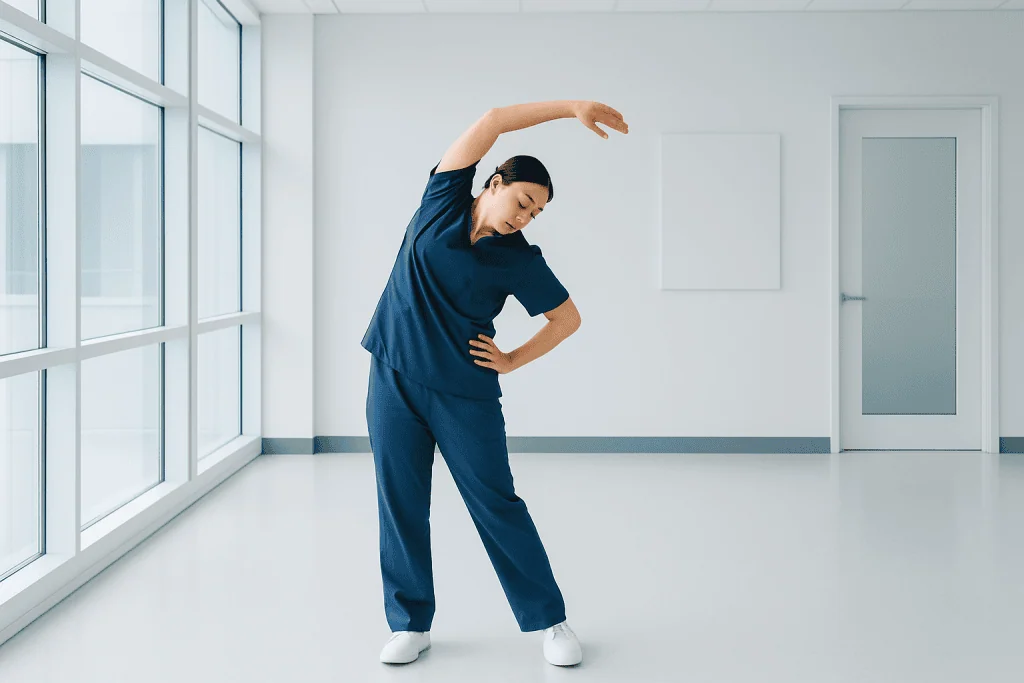
Non-surgical scar management may include pressure therapy, silicone-based products, moisturizing skin care, massage techniques, sun protection, and supervised stretching or physical therapy. These approaches may help soften scars, reduce tightness, and support mobility, especially when started under medical guidance.
Laser treatments may be used to improve redness, texture, thickness, or tightness in selected scars. Other clinic-based procedures may help flatten or soften raised scars. The choice of method depends on the scar type and the patient’s overall health.
Surgical treatment may be considered when a burn scar causes significant tightness, restricts movement, distorts nearby structures, or remains very prominent despite non-surgical care. Plastic surgery techniques may include scar release, skin grafting, tissue rearrangement, or other reconstructive procedures. The aim is to improve function and, when possible, the appearance of the scar. More than one stage of treatment may be needed in some cases.
Psychological support can also be important, particularly when scars affect body image, social confidence, or recovery after a traumatic burn injury.
When to See a Doctor
Medical advice is recommended if a burn scar is painful, very itchy, thickening, changing rapidly, or limiting movement. A doctor should also assess scars that pull on the eyelids, mouth, neck, hands, fingers, or joints, as these areas can affect important daily functions.
Seek prompt medical care if the scar area becomes increasingly red, swollen, warm, draining fluid, or associated with fever, as these may be signs of infection or another complication. Children with burn scars should be monitored as they grow, especially if the scar is near a joint or affects movement.
Anyone concerned about the appearance, comfort, or function of a burn scar can consult a plastic surgery or burn reconstruction specialist. Early evaluation can help identify suitable options and set realistic expectations for scar improvement.
Doctors Who Treat This Condition

Prof. Dr. Bülent Saçak
Aesthetic Plastic & Reconstructive Surgery
Prof. Dr. Ersin Ülkür
Aesthetic Plastic & Reconstructive Surgery
Prof. Dr. Hakan Ağır
Aesthetic Plastic & Reconstructive Surgery
Prof. Dr. Mehmet Veli Karaaltın
Aesthetic Plastic & Reconstructive Surgery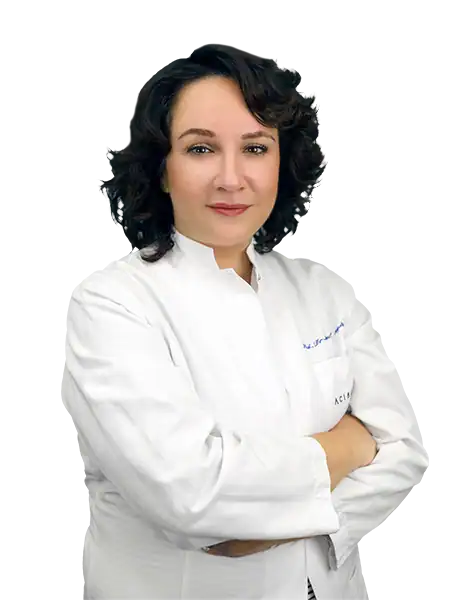
Prof. Dr. Çiğdem Ünal Gülmeden
Aesthetic Plastic & Reconstructive Surgery
Prof. Dr. Şükrü Yazar
Aesthetic Plastic & Reconstructive Surgery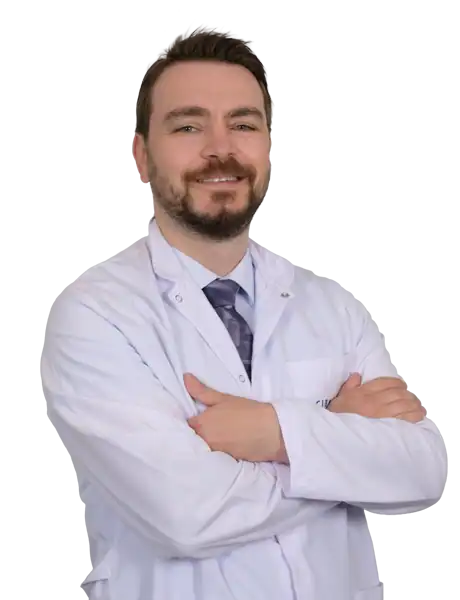
Dr. Burak Sercan Erçin
Aesthetic Plastic & Reconstructive Surgery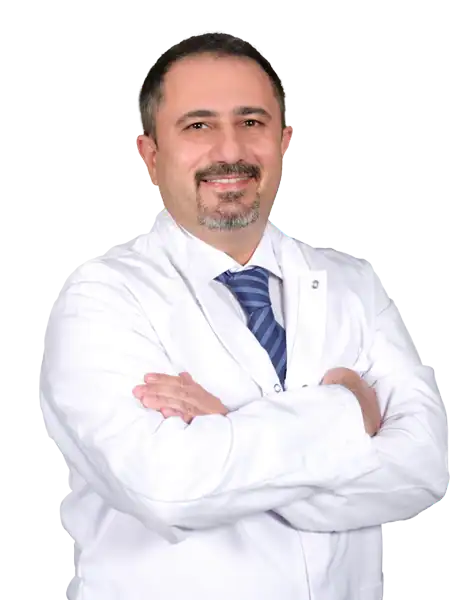
Dr. Cem Öz
Aesthetic Plastic & Reconstructive Surgery
Dr. Mahmut Özyilmaz
Aesthetic Plastic & Reconstructive Surgery
Dr. Mehmet Severcan
Aesthetic Plastic & Reconstructive Surgery
Dr. Mithat Ulay
Aesthetic Plastic & Reconstructive Surgery