

BBL Turkey: Brazilian Butt Lift Safety, Technique and Cost
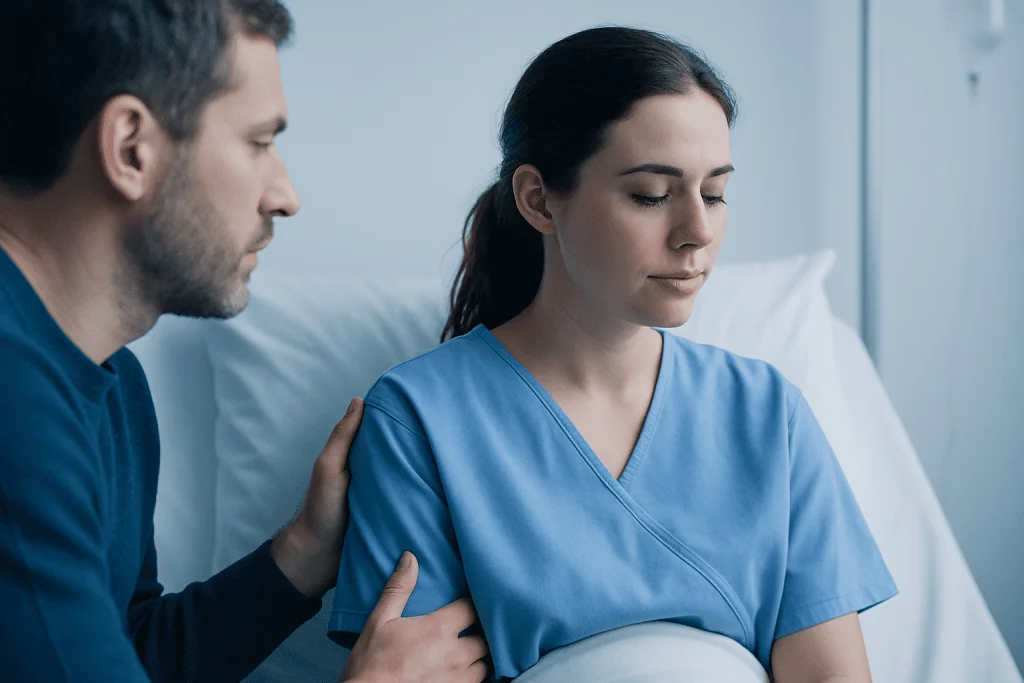
A BBL in Turkey attracts many patients from the United Kingdom and the United States who want fuller, more balanced hip and buttock contours without implants. The Brazilian butt lift, also called gluteal fat grafting or lipofilling, uses your own fat rather than a foreign material, which is part of its appeal. It is also a procedure with a serious safety history worldwide, so where and how it is done matters more than with almost any other cosmetic operation.
This page explains what a BBL involves, who is and is not a suitable candidate, how the procedure is carried out in a hospital setting at Acıbadem, what recovery looks like, and how the pathway compares with treatment in the UK or the US. It also covers the question most readers arrive with, the cost of a BBL in Turkey, in the context of what the figure includes and what it does not. It is written to inform, not to persuade; the decision to have surgery belongs to you and the physicians who examine you.
What a Brazilian butt lift is and who it suits
A Brazilian butt lift is a two-part operation. First, a plastic surgeon removes fat by liposuction from donor areas such as the abdomen, flanks, lower back or thighs. That fat is then purified and injected into the buttocks and hip contours to add volume and improve overall body proportion. Because the tissue is your own, the result tends to look and feel natural, and there is no implant to maintain or replace.
The procedure suits adults who are in good general health, have a stable weight, and have enough fat in donor areas to harvest. Realistic expectations are essential: a BBL reshapes and rebalances, it does not create a body that is out of proportion with your frame.
Skinny BBL in Turkey: is it possible with little body fat?
Patients with a slim build often ask about a so-called skinny BBL. The principle is the same, but the amount of fat available limits how much can be transferred. In these cases the surgeon may focus on refining hip contours and improving the shape of the buttock rather than adding significant volume. Whether this is worthwhile is decided at consultation, when donor areas are assessed directly.
Who should not have a BBL
- People who are significantly under- or overweight, or whose weight is not stable
- Smokers who are unwilling to stop before and after surgery, as smoking impairs healing and fat survival
- Anyone with uncontrolled diabetes, clotting disorders, heart or lung disease
- Patients taking blood-thinning medicines that cannot be safely paused
- Those expecting a dramatic change from a single procedure, or seeking surgery under pressure from others
A BBL is elective. If any of these apply to you, a responsible surgeon should say so plainly and may recommend an alternative or no surgery at all.
Why patients from the UK and the US travel to Türkiye for a BBL
Cost is usually the first reason people consider a BBL in Turkey, and the Price Index beneath this page shows how the figures compare. But cost alone does not explain why so many patients from the UK and the US choose Türkiye specifically for this operation. Several other factors carry weight.
Hospital medicine, not clinic medicine. Gluteal fat grafting is a general-anaesthetic operation that requires the same infrastructure as any other major surgery. Acıbadem performs it in full hospitals, not in stand-alone cosmetic clinics. Anaesthesia, intensive care, blood bank, laboratory and imaging are on the same site, and the surgeon works within a hospital’s clinical governance rather than alone.
International accreditation. Seven of Acıbadem’s more than twenty hospitals hold accreditation from Joint Commission International, the body that inspects hospitals against the same patient-safety and quality standards it applies in the United States. That accreditation covers the whole institution, from infection control to medication safety, not only the plastic surgery department.
Experience with international patients. The network’s international patient service has handled travel, interpreting, medical records and aftercare coordination for people from many countries for many years. Patient coordinators speak English, and surgeons are used to discussing expectations with patients whose cultural reference points differ from their own.
No waiting list. Because a BBL is cosmetic, it is not available through the NHS at all, and private UK waiting times can stretch for months. In Türkiye, once the medical review is complete, a date can usually be arranged within weeks.
Proximity. Istanbul is around four hours’ flight from London and around ten from New York, which makes a two-week stay for surgery and early recovery practical for most people.
How BBL surgery in Turkey works with Acıbadem, step by step
The pathway is designed so that most of the thinking is done before you travel and nothing is rushed on arrival.
- Remote medical review. You send photographs, a medical history and any current medicines. A plastic surgeon reviews them and tells you honestly whether a BBL is appropriate, whether a skinny BBL approach would apply, or whether an alternative would serve you better. This review is free and carries no obligation.
- Personal plan and quote. If you are a potential candidate, you receive a written plan with the proposed technique, anaesthesia, hospital stay and a personal quote. This is the point at which the cost of your BBL in Turkey becomes specific to you.
- Arrival and coordinator. On landing in Istanbul you are met and taken to your accommodation. A dedicated coordinator is your single point of contact for appointments, transport and questions throughout the stay.
- Face-to-face consultation and pre-operative tests. The surgeon examines you in person, assesses fat donor areas and body shape, and confirms or adjusts the plan. Blood tests and an anaesthesia evaluation are carried out, and you sign consent only after every question has been answered.
- Surgery. The operation is performed in one of the network’s hospitals, for example Acıbadem Maslak Hospital in Istanbul, under general anaesthesia, and you stay one to two nights under nursing care.
- Recovery in Istanbul. You remain nearby for follow-up visits, garment checks and wound review before being cleared to fly.
- Follow-up after returning home. Your coordinator and surgical team stay in contact by secure message or video, and you receive a full set of records to share with your GP or own doctor.
At any stage, including after the in-person consultation, you may decide not to proceed.
The procedure: technique, anaesthesia, duration and hospital stay
The clinical facts below reflect how the procedure is performed at Acıbadem. Your own surgeon may adjust details to your anatomy, and those adjustments are explained to you before consent.
Preparation
Before surgery, the plastic surgeon assesses your fat donor areas, body shape, medical history and expectations. Blood tests and an anaesthesia evaluation are usually required. You may be asked to stop smoking and to avoid blood-thinning medicines for a period before the operation, and you should tell the team about every medicine and supplement you take.
Anaesthesia and duration
A BBL is performed under general anaesthesia, administered and monitored by a hospital anaesthesiologist. The operation typically takes two to four hours, depending on how many donor areas are treated and how much fat is transferred.
The three stages of the operation
- Fat removal. Liposuction harvests fat from the agreed donor areas, which also refines the contours of those areas.
- Purification. The harvested fat is processed to separate viable fat cells from fluid and debris.
- Transfer. The purified fat is placed into the buttocks and hip contours to build natural-looking volume and improve body proportion.
Hospital stay
You stay in hospital for one to two nights. During this time nurses monitor your recovery from anaesthesia, manage pain, check the liposuction and graft sites, and fit your compression garment. You are discharged when the surgical team is satisfied that you can move, eat and drink normally and that early healing is on track.
Any technique beyond what is described here, such as combination with other procedures, is a matter for individual consultation and is not assumed on this page.
Recovery and aftercare timeline
Recovery from a BBL takes four to six weeks in total, although the first two weeks are the most restrictive. The following timeline is typical; your surgeon’s instructions take precedence.
Days 1 to 3
Swelling, bruising and soreness are expected in both the liposuction areas and the buttocks. You wear a compression garment as instructed. Walking short distances is encouraged to reduce the risk of blood clots, and you are shown how to lie and rest without putting weight directly on the buttocks.
Week 1
Follow-up visits check the wounds and garment fit. Many patients feel ready for light activity, but you must continue to avoid sitting directly on the buttocks for the period your surgeon recommends. Special cushions that shift weight to the thighs are commonly used. Fluid drainage from liposuction sites may continue for several days and is normal.
Week 2
Most patients are cleared to fly home around this point, provided healing is satisfactory. Travelling requires planning for how you sit during the flight, which your team discusses with you.
Weeks 3 to 6
Swelling gradually settles and you can usually return to desk work and gentle exercise, still following sitting guidance. Strenuous activity and heavy lifting are reintroduced only when your surgeon agrees.
Beyond six weeks
The final shape continues to refine for several months as swelling resolves and the transferred fat stabilises. Not all transferred fat survives; some is naturally reabsorbed, which is why follow-up visits monitor healing and fat graft survival. Maintaining a stable weight helps preserve the result, since transferred fat behaves like fat elsewhere in your body.
What it costs: UK, US and Türkiye
Typical self-pay ranges from the Turkey Medical Price Index. Türkiye figures are guide ranges for hospital treatment; your personal quote follows a free medical review.
Source: Turkey Medical Price Index (quarterly edition). Ranges depend on the extent of treatment, materials and hospital stay; they are not a quote.
Safety and risks
The Brazilian butt lift has, historically, carried a higher rate of serious complications than most cosmetic operations. That is not a reason to dismiss it, but it is a reason to approach it with more caution than usual and to choose the setting carefully.
Who is not suitable
People with unstable weight, active smokers, those with clotting or cardiovascular disease, and anyone who cannot commit to the sitting restrictions during recovery should not have a BBL. A patient who is refused surgery for one of these reasons has been well served.
Complications
- Fat embolism. The most serious known complication occurs when fat enters the bloodstream and travels to the lungs. It is the reason surgical technique, the depth at which fat is placed and the surgeon’s training matter so much.
- Infection at liposuction or graft sites, which hospital sterility protocols and antibiotic policy are designed to minimise.
- Seroma (fluid collection), haematoma and prolonged swelling.
- Asymmetry or irregularity, and partial reabsorption of fat that may require a second procedure.
- Blood clots in the legs, a risk after any operation and one that early walking reduces.
- General risks of anaesthesia, which your anaesthesiologist discusses with you.
What cases that have gone wrong abroad usually share
Reports of poor outcomes after cosmetic surgery abroad tend to describe the same pattern: a decision made quickly, surgery booked before any surgeon had examined the patient, an operation in a facility without intensive care or blood bank, and no structured follow-up once the patient flew home.
How a hospital setting changes that
In a JCI-accredited hospital the anaesthesiologist, the surgeon and the intensive care unit are part of one team on one site. A patient who develops a complication overnight is treated where the complication happens. Written protocols govern consent, medication and infection control, and a named coordinator remains responsible for your aftercare after you leave. None of this removes risk, but it means the risk is managed rather than left to chance.
UK and US vs Türkiye: the pathway, the cost and what to compare
How much is a BBL in Turkey? The honest answer is that it depends on the number of donor areas, the extent of fat transfer and your hospital stay, which is why a personal quote follows the free medical review. The verified price band below shows how typical figures for the UK, the US and Türkiye compare. This section explains what sits behind those figures.
How the pathway differs
In the UK, a BBL is never available on the NHS, and in the US it is not covered by health insurance, so in both countries it is self-pay. Private UK surgeons often have long waiting times, and many perform the operation in day-case clinics rather than hospitals. In the US the procedure is widely available but costs vary greatly between regions. In Türkiye, the medical review, hospital surgery, nights in hospital, garment, follow-up visits and coordination are typically organised as one package, and the date is set once you are medically approved.
What the lower cost does and does not mean
The difference in cost reflects lower salaries, property costs and overheads in Türkiye, and the exchange rate. It does not reflect different surgical instruments, anaesthetic drugs or sterile supplies; these are the same international products used in London or New York. The difference also does not mean shorter operating time or fewer nursing hours, which are set by the clinical plan, not the price.
What to compare like for like
- Is the surgery in a hospital with intensive care, or a stand-alone clinic?
- Is the surgeon a board-certified plastic surgeon, and is the anaesthesiologist a physician?
- How many nights in hospital are included, and what happens if more are needed?
- Are follow-up visits, compression garments and revision policy included?
- Who is responsible for you after you return home?
Comparing a hospital package in Türkiye with a clinic day-case price in the UK is not a like-for-like comparison, in either direction.
Planning the trip to Istanbul
Once your plan and date are confirmed, the practical side is straightforward, but it rewards preparation.
Passport and entry
UK, Irish, US, Canadian and Australian passport holders enter Türkiye visa-free for up to 90 days. Check the current rules before travel, as they can change, and make sure your passport has adequate validity beyond your return date.
How long to stay
Plan for roughly ten to fourteen days in Istanbul. This allows for your in-person consultation and tests, one to two nights in hospital, and the early follow-up visits before your surgeon clears you to fly. Do not book a return flight until the team confirms the timing; flying too early after a BBL is unwise.
Bring a companion
You are strongly encouraged to travel with a companion. After general anaesthesia you cannot manage alone for the first days, and practical help with garments, meals and movement makes recovery safer and less stressful.
Travel insurance that covers planned treatment
Ordinary travel insurance excludes elective surgery abroad and often excludes complications arising from it. Look for a specialist medical-travel policy that explicitly covers planned treatment, complications, extended stay and medical repatriation. Read the exclusions carefully before you pay.
What to bring
- All current medicines in original packaging and a written list of them
- Copies of your medical records, recent blood results and any relevant imaging
- Loose, front-opening clothing and slip-on shoes
- A cushion designed to keep weight off the buttocks, if your team has recommended one, or arrange it locally through your coordinator
- UK or US plug adaptors and a way to stay in contact with family
Your coordinator can advise on accommodation close to the hospital and on transport, so that the days after discharge involve as little effort as possible.
Back home: follow-up with your own doctor, records and when to seek help
Recovery does not end when you land. The weeks after your return are when swelling settles, sitting restrictions ease and the result begins to show, and they are also when problems, if they arise, tend to appear.
Follow-up with your GP or own doctor
Tell your GP or family doctor that you have had surgery abroad and give them the discharge summary, operation note and medication list that Acıbadem provides. Your surgical team remains available by secure message or video for scheduled reviews, and can speak directly with your doctor if needed.
When to seek help
Contact your surgical team and seek local medical attention promptly if you notice:
- Fever, spreading redness or discharge from a wound
- Sudden shortness of breath, chest pain or coughing up blood
- Pain, swelling or warmth in one calf
- Rapidly increasing swelling or a firm, painful collection under the skin
These are emergencies in any country, and you should use the emergency services where you are without waiting for a message reply.
Insurance, NHS and your own doctor
Private medical insurance in the UK, the US and elsewhere rarely covers elective cosmetic treatment abroad or its complications; check your policy wording before travelling. In the UK, the NHS treats complications of surgery abroad as it would any other patient, but it does not perform revision cosmetic surgery, so be clear about what is and is not available. US readers should note that HSA and FSA rules generally exclude cosmetic procedures, and that travel-medical policies vary widely in what they cover. If you have any long-term condition, involve your own doctor before you commit to surgery, not after.
Questions to ask before deciding on a BBL in Turkey
Choosing a surgeon and a setting is more important than choosing a country. Rather than searching for a single outstanding name, ask questions whose answers you can verify.
About the surgeon and team
- Is the surgeon a board-certified plastic surgeon, and how often do they perform gluteal fat grafting specifically?
- Will the surgeon I speak to be the surgeon who operates?
- Is the anaesthesiologist a physician, and will they be present throughout?
- How do they minimise the risk of fat embolism, and can they explain their approach in plain language?
About the hospital
- Is the operation performed in an accredited hospital with intensive care on site?
- What happens if I need to stay longer than planned?
- What are the infection-control and blood-clot prevention protocols?
About the plan
- Given my body shape, is a BBL realistic, and what result can I reasonably expect?
- How many donor areas will be treated, and how much fat is likely to be transferred?
- What is the policy if fat is reabsorbed unevenly and I want a revision?
About aftercare and cost
- What exactly is included in the quote, and what could add to it?
- How many follow-up visits are included before I fly, and how is follow-up handled at home?
- Who do I contact, day or night, if something worries me after I return?
A team that welcomes these questions and answers them specifically is behaving as a hospital should. A team that hurries you towards a deposit is not. Take the answers home, discuss them with your own doctor and with the people who will support you during recovery, and decide without pressure.
Whether a BBL is right for you is determined by a physician’s evaluation of your health, body shape and expectations, not by anything you read online.
How much is a BBL in Turkey?
The cost depends on how many donor areas are treated, how much fat is transferred and the length of hospital stay, so a personal quote is given only after a free medical review of your photographs and history. The verified price band below shows how typical figures in the UK, the US and Türkiye compare. When comparing quotes, check whether hospital nights, compression garments, follow-up visits and coordination are included.
Why is a BBL in Turkey cheaper than in the UK or US?
The difference reflects lower salaries, property costs and overheads in Türkiye, together with the exchange rate. The surgical instruments, anaesthetic drugs and sterile supplies are the same international products used in the UK and the US. The lower cost does not mean shorter operating time or fewer nursing hours, which are set by the clinical plan.
Is BBL surgery in Turkey safe?
Safety depends on the surgeon, the anaesthesia team and the facility rather than on the country. A BBL carries recognised risks, including fat embolism, infection and blood clots, and it should be performed under general anaesthesia in a hospital with intensive care on site. Acıbadem performs the operation in JCI-accredited hospitals with structured pre-operative assessment and follow-up, which manages risk but does not eliminate it.
Can I have a skinny BBL in Turkey if I have little body fat?
It may be possible, but the amount of fat available limits what can be transferred. For slim patients the surgeon usually focuses on refining hip and buttock shape rather than adding significant volume. Whether the result would be worthwhile for you is decided when donor areas are assessed in person.
How long do I need to stay in Turkey after a BBL?
Plan for roughly ten to fourteen days. This covers the in-person consultation and tests, one to two nights in hospital and the early follow-up visits before your surgeon confirms you are fit to fly. Do not book a fixed return until the team has cleared you.
How long is recovery after a BBL?
Full recovery takes four to six weeks, with the first two weeks the most restrictive. You wear a compression garment and avoid sitting directly on the buttocks for the period your surgeon recommends. Swelling continues to settle for several months, and the final shape refines as the transferred fat stabilises.
How do I choose a qualified BBL surgeon in Turkey?
Look for a board-certified plastic surgeon who performs gluteal fat grafting regularly, operates in an accredited hospital with intensive care on site, and works with a physician anaesthesiologist. Ask how they reduce the risk of fat embolism and whether the surgeon you consult is the one who operates. Verifiable credentials and a hospital setting matter more than any ranking or title.
What happens if I have a complication after returning to the UK?
Contact your surgical team immediately and seek local medical attention; for symptoms such as breathlessness, chest pain or a swollen calf, use emergency services without waiting. The NHS treats complications of surgery abroad as it would any other patient, although it does not perform cosmetic revision. Specialist medical-travel insurance can cover complications and extended stay, so check the policy wording before you travel.
Your care team
Physicians of the Acıbadem network who perform this treatment in Istanbul.
 Where it is performed Acibadem Maslak Hospital İstanbul · JCI-accredited hospitals

Clinical guide & data
The evidence-based pages behind this guide.