

Limb Lengthening Surgery in Turkey: Methods, Timeline and Cost
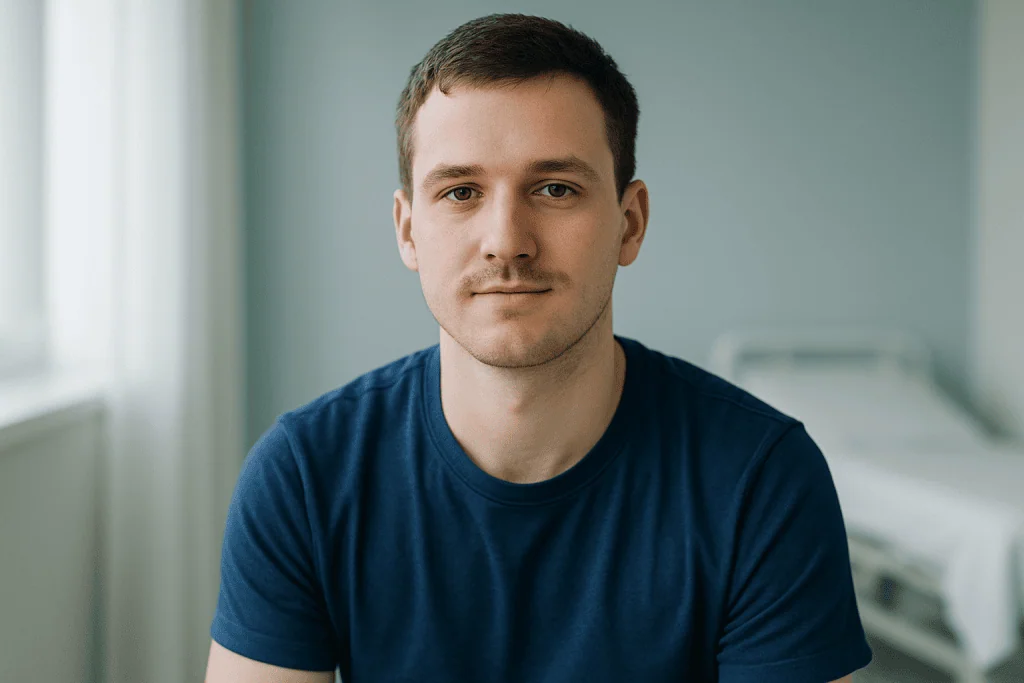
Limb lengthening surgery in Turkey attracts enquiries from adults in the United Kingdom, Ireland, the United States and beyond who are living with a limb-length discrepancy, a bone deformity, or in selected cases a concern about stature. Unlike most operations, the surgery itself is only the beginning: the bone is lengthened slowly according to a schedule set by the surgeon, and months of monitoring and physiotherapy follow.
This page describes how the treatment is carried out within a hospital setting, who is and is not a candidate, what the recovery genuinely involves, where things can go wrong, and how the pathway in Türkiye compares with the UK and the US. It also explains what shapes the cost of limb lengthening surgery in Turkey, so that the price band shown below can be read in context rather than in isolation.
What limb lengthening surgery is and who it suits
Limb lengthening is an orthopaedic procedure that gradually increases the length of a bone after a controlled surgical cut. Rather than lengthening the bone in a single step, the surgeon separates the two ends and then moves them apart slowly over time, at a rate set for each patient. New bone forms in the gap and gradually hardens, while the surrounding muscles, nerves, blood vessels and skin adapt to the new length.
The procedure may be considered for three broad groups of patients:
- Limb-length discrepancy — a difference between the two legs, whether from birth, from a childhood growth disturbance or after a fracture or infection, that causes limping, back or hip strain, or the need for a built-up shoe.
- Deformity — an angular or rotational deformity that a surgeon may correct at the same time as lengthening.
- Selected stature concerns — a carefully assessed minority of adults for whom an orthopaedic team judges that lengthening is appropriate after discussion of realistic goals and the demands of rehabilitation.
Who should not have limb lengthening
The treatment is not suitable for everyone. Bone quality, joint health, circulation, general fitness for general anaesthesia, and the ability to commit to a long rehabilitation period are all assessed before a decision is made. Smokers are advised to stop, and current medications are reviewed. Equally important is the psychological side: a patient who expects a quick result or has not fully understood that recovery lasts three to six months or longer is unlikely to be advised to proceed.
A full-leg X-ray or advanced imaging, a gait assessment and a frank conversation about what can and cannot be achieved are part of the preparation, and any of these steps may lead the surgeon to advise against surgery.
Why patients from the UK and the US consider limb lengthening in Turkey
Limb lengthening is a demanding form of orthopaedic surgery, and the reasons patients look towards Türkiye have less to do with holidays than with the structure of care. Within Acıbadem, the treatment is delivered in a hospital rather than a stand-alone clinic. That distinction matters for an operation carried out under general anaesthesia and followed by months of monitoring.
Hospital medicine, not clinic medicine
Acıbadem operates a network of more than 20 hospitals, seven of which hold accreditation from Joint Commission International, with more than 3,300 physicians across its specialties. In practice this means that the orthopaedic surgeon, the anaesthetist, the intensive care unit, the imaging department and the physiotherapy team all work within the same organisation and the same building. If a complication arises overnight, the response does not depend on transferring a patient elsewhere.
Experience with international patients
International patient departments handle medical records in English, coordinate consultations and imaging before arrival, and arrange interpreters, accommodation guidance and airport transfers. For a treatment that requires repeated X-rays and physiotherapy appointments, having a single coordinator who knows the schedule is a practical advantage.
No waiting list for an elective decision
In the UK, limb lengthening for a discrepancy or deformity may be available through the NHS but is subject to referral criteria and waiting times; for stature it is not offered. In the US it is largely self-funded. Patients who have already decided, after consulting their own doctor, that they wish to proceed often value the ability to plan the surgery around their working life rather than around a queue. Istanbul is roughly four hours by air from London and around ten hours from New York, which also makes return visits realistic if the surgeon requests them.
How limb lengthening works with Acıbadem, step by step
The pathway is designed so that most of the clinical thinking happens before you travel, and nothing is decided in a hurry on arrival.
- Remote medical review. You send your existing records, any previous X-rays and a description of your concern. An orthopaedic team reviews them and indicates whether limb lengthening is a reasonable option to explore. This review is free and does not commit you to anything.
- Personal plan. If the review is positive, you receive a written plan describing the proposed approach, the expected hospital stay, the length of time you would need to remain in Istanbul during the early lengthening phase, and a personal quote. The price band below gives the general context; the quote reflects your case.
- Arrival and coordinator. A patient coordinator meets you, manages appointments and interpretation, and remains your point of contact throughout.
- Consultation and pre-operative tests. In person, the surgeon repeats the orthopaedic examination, obtains full-leg X-rays or advanced imaging, and carries out a gait assessment. Blood tests and an anaesthesia assessment are completed. Realistic lengthening goals are discussed again, and the plan may be adjusted or, occasionally, withdrawn.
- The operation. Surgery is performed under general anaesthesia and takes two to four hours, followed by a hospital stay of three to seven nights.
- Recovery in Istanbul. The gradual lengthening begins on the surgeon’s schedule, with regular X-rays and daily physiotherapy. The plan states how long you should remain nearby; at Acibadem Maslak Hospital in Istanbul, for example, imaging and rehabilitation are on the same site as the ward.
- Follow-up after returning home. You leave with a written schedule for continued lengthening or consolidation checks, physiotherapy goals, and a channel for sending X-rays and questions to the surgical team.
The procedure: technique, anaesthesia, duration and hospital stay
The principle behind every limb lengthening technique is the same: a controlled cut through the bone, followed by gradual separation of the two ends so that new bone forms and matures in the gap. What differs between patients is how the bone is held and moved during that process, and the surgeon explains the approach chosen for you during consultation. Aftercare instructions refer to either pin-site care or incision care, reflecting the fact that some approaches involve pins passing through the skin while others rely on internal fixation through closed incisions.
Anaesthesia
The operation is carried out under general anaesthesia. An anaesthetist assesses you beforehand, reviewing your medical history, medications and the results of your blood tests, and discusses pain control for the days after surgery.
Duration
Surgery typically takes two to four hours. The exact time depends on whether one or both limbs are treated, whether a deformity is corrected at the same time, and the method of fixation.
Hospital stay
Patients remain in hospital for three to seven nights. During this period the team manages pain, checks the wound or pin sites, begins early mobilisation with physiotherapists, and takes the first post-operative X-rays. The gradual lengthening itself starts on the schedule set by the surgeon, and you are taught how the process works before discharge from the ward.
What the operation does not do
The surgery does not produce length on the day. Bone grows over weeks and months, and the final result depends as much on the discipline of the rehabilitation programme as on the operation. This is why the preparation phase places so much weight on understanding the timeline.
Recovery and aftercare timeline
Recovery from limb lengthening is measured in months rather than weeks. The overall recovery time is three to six months or longer, and the surgeon’s schedule determines how it is divided.
Immediately after surgery (hospital, 3 to 7 nights)
Pain control, wound or pin-site care and the first sessions with a physiotherapist begin on the ward. Early joint movement is encouraged to prevent stiffness, and you learn the routine for lengthening and for caring for pin sites or incisions.
The lengthening phase
The bone is lengthened gradually according to the surgeon’s schedule. Regular X-rays confirm that the bone ends are separating at the intended rate and that new bone is forming. Physiotherapy is essential during this phase to maintain joint movement, muscle strength and walking ability, because the soft tissues are being stretched at the same time as the bone. Your plan states how much of this phase should take place in Istanbul.
Consolidation
Once the target length has been reached, the new bone needs time to harden. X-rays continue at intervals, and physiotherapy shifts towards strength and gait. Weight-bearing is increased only as the surgeon confirms that the bone can take it.
What helps recovery
- Attending every physiotherapy session and continuing exercises at home.
- Following pin-site or incision care instructions exactly.
- Taking pain relief as prescribed so that exercises can be done properly.
- Sending X-rays and photographs on schedule after returning home.
- Not smoking, which impairs bone healing.
Follow-up visits, whether in person or by sharing imaging remotely, are how the team reduces complications and supports a safe recovery.
Safety and risks
Limb lengthening is major surgery with a long recovery, and it carries real risks. A balanced decision requires understanding them.
Who is not suitable
Patients with poor bone quality, significant joint disease in the limb, circulation problems, uncontrolled medical conditions, or health issues that make general anaesthesia unsafe may be advised against surgery. So may patients who smoke and are unwilling to stop, or who cannot realistically commit to months of physiotherapy and monitoring. Unrealistic expectations about the amount of length that can safely be gained are also a reason to decline.
Complications
Possible complications include infection at pin sites or incisions, delayed or incomplete formation of new bone, bone that forms too quickly and prevents further lengthening, joint stiffness or contracture, nerve or blood vessel irritation, muscle tightness, uneven healing, fracture of the new bone during consolidation, and the general risks of anaesthesia and immobility. Some require adjustment of the schedule; some require further surgery.
What cases that go wrong abroad usually share
When limb lengthening abroad ends badly, certain patterns recur: planning compressed into a day or two, with imaging and goals not properly reviewed; surgery performed in a setting without anaesthetists, intensive care or imaging on site; discharge without a clear lengthening and physiotherapy schedule; and no defined channel for follow-up once the patient has flown home.
How a hospital setting changes that
In a hospital network with anaesthesia, intensive care, radiology and physiotherapy under one roof, complications are recognised early and managed without transfer. A written plan, regular X-rays and a follow-up channel address the remaining gaps. None of this removes risk, but it changes how risk is managed, and the team should be willing to discuss each of these points with you before you decide.
UK and US vs Türkiye: how the pathway and the cost differ
Patients often ask about the cost of limb lengthening surgery in Turkey before anything else, so it is worth setting out how the pathways compare and what a lower cost does and does not signify.
Access
In the UK, limb lengthening for a clinically significant discrepancy or deformity may be available through the NHS after specialist referral, with waiting times, but is not offered for stature. Private treatment in the UK is self-funded. In the US it is almost always self-funded and rarely covered by insurance unless there is a clear functional indication. In Türkiye, the decision to proceed is made between you and the surgical team, after your own doctor has been consulted, and the surgery is scheduled without a waiting list.
Why the cost is lower
The difference reflects lower salaries, property and operating costs in Türkiye rather than a difference in the implants, imaging equipment or anaesthetic drugs, which are sourced from the same international manufacturers used in the UK and the US. The verified UK, US and Türkiye figures appear in the price band below; a personal quote follows a free medical review.
What the lower cost does not mean
It does not mean a shorter recovery, fewer physiotherapy sessions, or fewer X-rays. The biology of bone is the same in every country. It also does not remove the need to fund travel, accommodation during the lengthening phase, and a companion.
Comparing like for like
When weighing quotes, check that each one covers the same elements: surgeon and anaesthetist fees, the hospital nights, imaging during the stay, physiotherapy, device removal if applicable, and the follow-up channel afterwards. A figure that excludes physiotherapy or imaging is not comparable with one that includes them.
Planning the trip to Istanbul
Because limb lengthening involves a longer stay than most procedures, practical planning deserves attention early.
Passport and entry
UK, Irish, US, Canadian and Australian passport holders currently enter Türkiye visa-free for up to 90 days. Check the current rules before travel, and make sure your passport is valid for the duration of your stay with a margin.
How long to stay
The hospital stay is three to seven nights, but your personal plan states how long you should remain in Istanbul for the early lengthening phase, imaging and physiotherapy. Discuss this length with the coordinator before booking flights, and choose accommodation close to the hospital with step-free access, since you may be using crutches or a walking aid.
Companion
A companion is strongly advisable. You are unlikely to be fully independent in the first weeks, and a second person helps with pin-site care routines, transport to appointments and simple daily tasks.
Travel insurance
Standard travel insurance excludes planned medical treatment. Look for a policy that explicitly covers elective treatment abroad, including repatriation if a complication requires it. Read the exclusions carefully and confirm cover in writing.
What to bring
- All previous X-rays, reports and a list of current medications.
- Loose trousers or shorts that fit over a fixator or dressings.
- Comfortable, supportive footwear with non-slip soles.
- A means of accessing your bank and records online.
- Contact details for your GP or own doctor.
Flight times of around four hours from London and around ten from New York make the journey manageable, but plan the return flight for after the surgeon has confirmed you are fit to travel, with extra legroom or an aisle seat where possible.
Back home: follow-up, records and insurance
Recovery continues for months after you return, and the arrangements for that period matter as much as the operation itself.
Follow-up with your GP or own doctor
Before travelling, tell your GP or own doctor what you are planning and ask whether they are willing to be informed of your progress. On return, give them the discharge summary, operative note and imaging so that your records are complete. You leave Istanbul with a written schedule for X-rays, physiotherapy and any remaining lengthening or consolidation steps, and a channel for sending images and questions to the surgical team. Some patients arrange local physiotherapy and imaging and share the results remotely; others return to Istanbul for planned checks.
When to seek help
Contact the surgical team, and seek local medical care without delay, if you notice increasing redness, discharge or pain at pin sites or incisions, fever, sudden severe pain in the limb, a change in sensation or colour in the foot, calf pain or swelling, breathlessness or chest pain, or if the lengthening mechanism does not behave as expected.
Insurance, NHS and your own doctor
Private medical insurance in the UK and Ireland rarely covers elective treatment abroad, and follow-up for such treatment is usually excluded; check your policy. The NHS treats a patient who develops a complication after surgery abroad as it would any other patient, but it does not fund planned follow-up or device removal linked to private treatment overseas, so ask your GP how they would approach this. For US readers, HSA and FSA rules on treatment abroad and the terms of travel-medical policies vary considerably, and the plan administrator should be consulted before committing.
Questions to ask before deciding on limb lengthening surgery in Turkey
A good surgical team expects to be questioned. The following checklist helps structure the conversation during the remote review and the in-person consultation.
About the surgeon and the setting
- Is the surgery performed in a hospital with anaesthetists, an intensive care unit and radiology on site?
- Which approach to fixation is proposed for me, and why?
- Who manages my care overnight and at weekends during the hospital stay?
About my case
- Based on my imaging and gait assessment, how much lengthening is realistic and safe?
- What would make you advise against surgery in my case?
- Will any deformity be corrected at the same time?
About the timeline
- How long will I need to stay in Istanbul after the three to seven hospital nights?
- How often will X-rays be taken, and how many physiotherapy sessions are planned?
- Is removal of any device included, and when would it take place?
About risk and follow-up
- Which complications do you see most often with this approach, and how are they handled?
- How do I reach the team after returning home, and how quickly do you respond?
- What should I ask my GP or own doctor to monitor?
About cost
- Does the quote include surgeon and anaesthetist fees, hospital nights, imaging, physiotherapy and follow-up?
- What would change the quote once I am examined in person?
Take the answers back to your own doctor and give yourself time before deciding. Suitability for limb lengthening surgery is determined by a physician’s evaluation, not by a website or a quote.
Is limb lengthening surgery in Turkey performed in a hospital or a clinic?
Within Acıbadem it is performed in hospitals that have anaesthesia, intensive care, imaging and physiotherapy on site. Seven of the network's hospitals hold JCI accreditation. This matters because the operation is carried out under general anaesthesia and requires repeated X-rays and rehabilitation.
How much does limb lengthening surgery cost in Turkey?
The verified UK, US and Türkiye figures are shown in the price band below rather than in this text. The cost depends on whether one or both limbs are treated, the method of fixation, the number of hospital nights, imaging and physiotherapy. A personal quote follows a free medical review of your records.
How long does the operation take and how long is the hospital stay?
The surgery takes two to four hours under general anaesthesia. Patients stay in hospital for three to seven nights, during which pain control, wound or pin-site care and the first physiotherapy sessions begin.
How long is the overall recovery?
Recovery takes three to six months or longer. The bone is lengthened gradually on the surgeon's schedule and then needs time to harden, with regular X-rays and physiotherapy throughout. The exact timeline depends on the amount of length gained and how the bone responds.
How long do I need to stay in Istanbul?
Longer than the hospital stay alone. Your personal plan states how much of the early lengthening phase should be spent near the hospital for imaging and physiotherapy. Discuss this with the coordinator before booking travel.
Who is not a candidate for limb lengthening?
Patients with poor bone quality, significant joint disease, circulation problems or conditions that make general anaesthesia unsafe may be advised against it. So may smokers who will not stop and anyone unable to commit to months of rehabilitation. Unrealistic goals are also a reason for a surgeon to decline.
What happens if I have a complication after returning to the UK?
Contact the surgical team through the follow-up channel provided and seek local medical care promptly. The NHS treats complications as it would for any patient, though it does not fund planned follow-up of private treatment abroad. Sharing your records with your GP beforehand makes this easier.
Do I need a visa to travel to Türkiye for treatment?
UK, Irish, US, Canadian and Australian passport holders currently enter visa-free for up to 90 days. Check the current rules before travel. Istanbul is roughly four hours by air from London and around ten from New York.
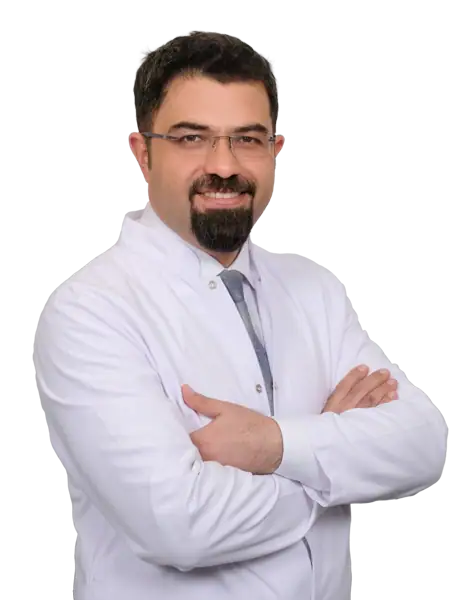
Your care team
Physicians of the Acıbadem network who perform this treatment in Istanbul.
 Where it is performed Acibadem Maslak Hospital İstanbul · JCI-accredited hospitals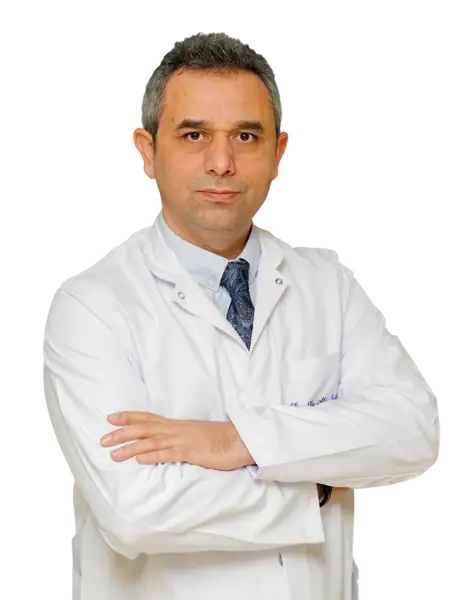

Clinical guide & data
The evidence-based pages behind this guide.