

Ear Surgery in Turkey: Otoplasty for Children and Adults

Ear surgery in Turkey is one of the procedures that adults from the United Kingdom, Ireland and the United States most often ask about when they consider treatment abroad, and it is also a common reason for parents to travel with a child. The operation in question is almost always otoplasty, known informally as ear pinning: a surgical correction of ears that stand out further from the head than the person would like. It is a well-established procedure, but it is still surgery, and the outcome depends on careful planning, an experienced surgeon and proper aftercare.
This page sets out, in plain terms, what prominent ear aesthetics involves, who it is and is not suitable for, how the pathway works when you come to an Acıbadem hospital in Istanbul, what recovery looks like and how the process compares with self-pay treatment at home. It also explains how to read the verified UK · US · Türkiye price band shown further down the page, and what to ask before you decide anything. It is written to inform, not to persuade; your own GP or doctor remains part of the decision.
What otoplasty (ear pinning) is and who it suits
Prominent ear aesthetics, or otoplasty, is a surgical procedure that reshapes and repositions ears that protrude noticeably from the side of the head. The aim is a more balanced facial appearance, with the ears sitting closer to the head and looking in proportion to each other. In everyday language the same operation is called ear pinning, although nothing is literally pinned; the surgeon works on the cartilage and the position of the ear itself.
It is commonly performed for adults and for children once ear growth is sufficient. In children the usual motivation is teasing at school or a child’s own self-consciousness; in adults it is often something they have been aware of for years and have decided to address. There is no upper age limit as such, provided general health allows a surgical procedure.
Who tends to be a reasonable candidate
- Adults or children whose ears protrude and who find this distressing or distracting.
- People in generally good health with realistic expectations of a more balanced, not a mathematically symmetrical, result.
- Non-smokers, or people willing to stop smoking for the period the surgeon advises.
- Children who are old enough to understand the operation and want it themselves, not only because a parent does.
Who should think carefully or wait
- Children whose ears have not yet grown sufficiently; the surgeon assesses this individually.
- Anyone with an active ear infection or a skin condition affecting the ear area until it has settled.
- People with bleeding disorders, poorly controlled chronic illness, or who cannot pause blood-thinning medicines safely.
- Anyone expecting the surgery to change how they feel about themselves more broadly, or who is under pressure from someone else.
A thorough consultation is where these points are worked through. Otoplasty is elective; there is never a medical reason to hurry it.
Why patients from the UK and the US travel to Türkiye for ear surgery
Otoplasty is rarely funded by the NHS for adults, and even for children the criteria are strict and vary by area, so most British patients who want it are self-paying. In the United States it is typically excluded from health insurance as a cosmetic procedure. Once people are paying themselves, they start to compare where the operation is done, by whom and in what setting, and Türkiye appears on that list for several reasons that have little to do with cost alone.
The first is that otoplasty in Istanbul, at least in the pathway described here, takes place in a hospital rather than a standalone clinic. Acıbadem operates a network of more than 20 hospitals, seven of which are accredited by Joint Commission International, the same body that inspects hospitals in the United States and elsewhere against a single set of patient-safety standards. That means the operating theatre, the anaesthesia team, the laboratory, imaging and intensive care are all in one building under one governance system. For a procedure performed under local anaesthesia this back-up is rarely needed, but its presence changes how problems are handled if they do arise.
The second is experience with international patients. Acıbadem’s international patient service works in English, arranges the practical details around a visit and is used to coordinating with doctors in other countries before and after treatment. The third is timing: there is no waiting list, and a consultation, tests and the operation can be scheduled within a single visit. Istanbul is about four hours from London by air and about ten from New York, which makes a planned trip realistic for a procedure with a short recovery.
None of this makes travelling for surgery the right choice for everyone. It does explain why a hospital-based option in Türkiye is worth comparing with the private options at home.
How ear surgery with Acıbadem works, step by step
The pathway is designed so that most of the clinical thinking happens before you travel, and so that you are not making decisions under time pressure once you arrive. In outline it runs as follows.
- Remote medical review. You send photographs of both ears from the front, sides and back, together with your medical history and any current medicines. A physician reviews them and confirms whether otoplasty is a sensible option to discuss further. This review is free of charge.
- Personal plan and quote. If the review is favourable, you receive a personal treatment plan and a written quote based on it. The plan sets out the proposed approach, the anaesthesia, the number of days you should expect to stay and the follow-up arrangements.
- Arrival and coordinator. On arrival in Istanbul you are met by an international patient coordinator who acts as your single point of contact for appointments, transfers, translation where needed and practical questions.
- Consultation and pre-operative tests. You meet the surgeon in person. He or she examines the shape of the ears and the cartilage, goes through your history and expectations, and explains what can and cannot be achieved. Basic blood tests and an anaesthesia assessment are carried out as required.
- The operation. Otoplasty is performed under local anaesthesia and takes one to two hours, with discharge the same day (see the section on the procedure below).
- Recovery in Istanbul. You wear a protective head bandage after surgery and return for a check before you fly home, so that the surgeon has seen the ears settling.
- Follow-up after returning home. You receive your operative notes and aftercare instructions in English, with a channel to contact the team about any concern. Your GP or own doctor can be kept informed with your consent.
At no stage are you asked to commit before the in-person consultation has taken place; if the surgeon considers the procedure unsuitable, that is what you are told.
The procedure: technique, anaesthesia, duration and hospital stay
Prominent ear aesthetics is a surgical procedure. The surgeon reshapes and repositions the protruding ear so that it sits closer to the head and looks more in proportion with the face and with the other ear. The exact way the cartilage is reshaped depends on the ear’s structure, which is why the pre-operative evaluation of ear shape and cartilage matters; the technique is chosen for the individual rather than applied as a set routine.
Anaesthesia
The operation is performed under local anaesthesia. The ear and surrounding area are numbed, so you do not feel pain during surgery, although you may be aware of pressure or movement. Before the operation you have an anaesthesia assessment, and the anaesthesia team is on site throughout, as in any hospital procedure. Whether any additional measures are appropriate for a particular patient, for instance a younger child, is a decision made at that assessment rather than in advance.
Duration
The procedure takes one to two hours. Both ears are usually treated in the same session so that they can be matched to each other.
Hospital stay
Discharge is the same day. You are observed after surgery until the team is satisfied that you are comfortable, and you leave with a protective head bandage in place and written instructions.
Preparation
Before surgery the surgeon evaluates ear shape, cartilage structure, medical history and expectations. Basic blood tests and an anaesthesia assessment may be required. Blood-thinning medicines, smoking and alcohol are usually avoided before surgery, exactly as the doctor advises; do not stop any prescribed medicine without confirming this with the surgical team and, ideally, your own doctor.
Because the operation is performed under local anaesthesia with same-day discharge, it is a comparatively light procedure in terms of hospital resources. That does not make it minor for the person having it, and it is planned and consented in the same way as any other operation.
Recovery and aftercare timeline
Recovery from otoplasty is usually straightforward, but it follows a pattern that is worth knowing in advance, particularly if you are planning flights and time away from work or school around it.
The first days
A protective head bandage is worn after surgery. Mild swelling, bruising and some discomfort are expected and usually improve within days; simple pain relief as advised by the surgeon is generally sufficient. You should avoid sleeping on the ears, which in practice means sleeping on your back with the head slightly raised. Washing your hair and other everyday matters are covered in the written instructions you take home.
The first one to two weeks
After the bandage is removed you move to a soft headband, worn especially at night, to protect the ears while the reshaped cartilage settles. Most people return to daily activities, including desk-based work and school, within one to two weeks. Strenuous activity and contact sports remain off the list until the surgeon clears them.
Four to six weeks
Full healing is expected at around four to six weeks. Swelling continues to reduce during this period and the final position of the ears becomes clear. Only after this point, and only with the surgeon’s agreement, should activities that risk a knock to the ears be resumed.
How this fits with travel
You are asked to remain in Istanbul until the surgeon has reviewed the ears after the operation; your personal plan states how many days that is expected to be. Flying itself is not a problem once you have been cleared, but you will be wearing the bandage or headband, so build that into your plans. Children in particular benefit from a calm few days rather than sightseeing straight after surgery.
What it costs: UK, US and Türkiye
Typical self-pay ranges from the Turkey Medical Price Index. Türkiye figures are guide ranges for hospital treatment; your personal quote follows a free medical review.
Source: Turkey Medical Price Index (quarterly edition). Ranges depend on the extent of treatment, materials and hospital stay; they are not a quote.
Safety and risks
Otoplasty is a low-risk operation in appropriately selected patients, but no surgery is risk-free, and an honest account of what can go wrong is part of informed consent.
Who is not suitable
People with uncontrolled medical conditions, active infection at the ear, bleeding disorders that cannot be managed, or an inability to stop blood-thinning medicines safely are usually advised against surgery until the issue is resolved. Children whose ear growth is not yet sufficient are asked to wait. Anyone whose expectations cannot be met, for example someone who wants perfect symmetry, should not proceed until that has been discussed openly.
Complications
- Bleeding or a collection of blood under the skin in the first days.
- Infection, which is uncommon but requires prompt treatment.
- Asymmetry between the two ears, or an ear that sits further out or further in than intended.
- Changes in skin sensation around the ear, usually temporary.
- Scarring behind the ear that is more noticeable than expected.
- Recurrence of protrusion over time, which occasionally needs a further procedure.
What cases that go wrong abroad usually share
When treatment abroad ends badly, the story tends to have the same elements: the consultation happened on the day of surgery, sometimes for the first time; the setting had no hospital back-up if something unexpected occurred; and there was no one to contact once the patient had flown home. Rushed planning, no medical governance and no follow-up are the recurring themes, and none of them is specific to any country.
How a hospital setting changes that
In a JCI-accredited hospital, the surgeon is one part of a system. Anaesthesia, laboratory, imaging and, if ever needed, intensive care are on the same site, infection control is audited, and a complication is managed as a hospital event rather than an inconvenience. Planning starts before travel, the in-person consultation precedes any commitment, and follow-up continues after you return home. That does not remove risk; it changes how risk is managed.
UK and US vs Türkiye: how the pathway differs
For most adults, otoplasty is a self-pay procedure whether it is done in Manchester, Chicago or Istanbul. The differences lie in the route to surgery, the aftercare arrangements and the setting, as much as in the figure on the invoice.
Waiting and access
In the UK, NHS funding for otoplasty is limited and depends on local criteria, so most adults and many children are referred to the private sector, where a consultation may still involve a wait. In the US the procedure is normally excluded from health insurance. In Türkiye, with no waiting list, the consultation, tests and surgery can be scheduled within one visit; the trade-off is that you are travelling for it and need to plan time away.
Aftercare
At home, follow-up appointments with the operating surgeon are simple to attend. Abroad, the first check happens before you fly and later follow-up is remote, with your GP or own doctor able to see you in person. Ask how each option handles a concern at two weeks or two months, not only the operation itself.
What the lower cost does and does not mean
The price band below, drawn from the Price Index, shows the verified range for the UK, the US and Türkiye. The difference reflects lower salaries and overheads in Türkiye, including staff costs, property and insurance, rather than different sutures, anaesthetic agents or sterilisation standards; the materials used in an accredited hospital are the same products used elsewhere. A lower figure does not mean lower standards, but it also does not mean anything automatically; it has to be read alongside where and by whom the operation is done.
Compare like for like
- Hospital or standalone clinic, and what happens in an emergency.
- What the quote includes: consultation, tests, surgery, the post-operative check and materials.
- Who you speak to afterwards, and in what language.
- Travel, accommodation and time off work, which belong in the total.
Planning the trip to Istanbul
Because otoplasty is a same-day procedure under local anaesthesia with a short initial recovery, the trip is shorter than for many operations, but it still needs proper planning.
Passport and entry
UK, Irish, US, Canadian and Australian passport holders currently enter Türkiye visa-free for up to 90 days. Rules can change, so check the current requirements before you book flights. Your passport should be valid well beyond your return date; airlines and border staff apply their own validity rules.
How long to stay
Your personal plan gives the expected length of stay; it covers the pre-operative consultation and tests, the operation, and the post-operative review before you fly. Allow a margin of a day or two in case the surgeon prefers to see the ears once more. For a child, a slightly longer stay makes the first days after surgery calmer.
Companion
Adults are strongly advised to travel with a companion; you will have a head bandage and, however well you feel, it is sensible to have someone with you for the first night. Children must be accompanied by a parent or legal guardian, who also gives consent.
Travel insurance
Standard travel insurance excludes planned medical treatment and often excludes complications arising from it. Look for a policy written specifically for medical travel, or an add-on that covers planned treatment abroad, and read the exclusions. This is separate from any complication cover offered by the hospital, which you should also ask about.
What to bring
- Recent medical records and a list of current medicines with doses.
- Any previous letters about the ears, if you have had a consultation before.
- Front-opening tops and a soft scarf or hat that fits over a bandage.
- A pillow of your own can help with sleeping on your back.
Back home: follow-up, records and your own doctor
The period after you return is part of the treatment, not an afterthought. You leave Istanbul with your operative notes, a summary of the procedure and written aftercare instructions in English, together with contact details for the team. Keep these accessible; they are what any doctor at home needs if you present with a concern.
Follow-up with your GP or own doctor
Tell your GP or family doctor that you have had surgery abroad and offer to share the documents. Continue to wear the soft headband at night as instructed, avoid sleeping on the ears and stay away from contact sports until cleared. Remote follow-up with the surgical team continues at the intervals set out in your plan, usually with photographs.
When to seek help
- Increasing pain, redness, heat or discharge at the ear.
- Sudden swelling on one side, or bleeding that does not stop with gentle pressure.
- Fever or feeling generally unwell.
- A knock to the ear that changes its position.
Contact the Acıbadem team and, if the problem is urgent, seek local care at the same time. Do not wait for a scheduled review.
Insurance, NHS and your own doctor
Private medical insurance in the UK rarely covers elective treatment abroad, and complication cover varies; check with your provider before you travel. The NHS treats complications in the same way as for any other patient presenting for care, but it does not fund revision surgery for cosmetic reasons, and your GP is entitled to know your history. For US readers, whether an HSA or FSA can be used for otoplasty abroad depends on the plan and on whether the procedure is classed as cosmetic; travel-medical policies also vary widely. Read the small print, and keep every receipt and document.
Questions to ask before deciding on otoplasty in Türkiye
Whether you are comparing an Acıbadem hospital with a private clinic at home or with another provider abroad, the same questions apply. Write them down and expect clear answers.
About the setting and the team
- Is the operation performed in a hospital with anaesthesia, laboratory, imaging and intensive care on site, and is that hospital accredited by an independent body such as JCI?
- Who is the operating surgeon, what is their specialty, and will I meet them before the day of surgery?
- Who will be present in the room during the procedure?
About the plan
- What technique is proposed for my ears, and why that one for my cartilage?
- What anaesthesia is planned, and how was that decided?
- How long is the expected stay, and what triggers a longer one?
- What exactly does the quote include, and what does it exclude?
About aftercare
- What does follow-up look like at one week, one month and three months?
- Who do I contact if something worries me at home, and how quickly do they respond?
- What happens, and who pays, if a complication needs treatment?
For a child
- Does my child want this, and can they explain why in their own words?
- How does the team prepare children for the day, and can a parent stay throughout?
Any provider who is uncomfortable with these questions is telling you something. A free remote medical review with Acıbadem is a reasonable first step; it commits you to nothing and gives you a written plan to compare against the price band below and against options at home. Ultimately, suitability for prominent ear aesthetics is determined by a physician’s evaluation.
What is the difference between otoplasty and ear pinning?
There is no difference in the operation itself. Otoplasty is the medical term for surgery that reshapes and repositions protruding ears, and ear pinning is the everyday name for the same procedure. Nothing is literally pinned; the surgeon works on the cartilage and the position of the ear.
Is otoplasty in Turkey done under general or local anaesthesia?
Under Acıbadem's protocol prominent ear aesthetics is performed under local anaesthesia, so the ear area is numbed and you remain awake. An anaesthesia assessment takes place before surgery, and the anaesthesia team is on site in the hospital throughout. Any individual adjustment is decided at that assessment.
How long does ear surgery take and do I stay in hospital?
The procedure takes one to two hours, and both ears are usually treated in the same session. Discharge is the same day, once the team is satisfied that you are comfortable. You leave with a protective head bandage and written aftercare instructions.
Can children have ear surgery in Turkey?
Yes, otoplasty is commonly performed for children once ear growth is sufficient, which the surgeon assesses individually. A parent or legal guardian must travel with the child and give consent. It is important that the child wants the operation and understands what it involves.
How long do I need to stay in Istanbul after otoplasty?
Your personal plan states the expected stay, which covers the consultation and tests, the operation and a post-operative review before you fly home. Allow a day or two of margin in case the surgeon wishes to check the ears again. For children a slightly longer, calmer stay is often sensible.
When can I return to work, school and sport?
Most people return to daily activities, including work and school, within one to two weeks. Full healing is expected at four to six weeks. Strenuous activity and contact sports should be avoided until the surgeon clears them, and a soft headband is worn especially at night in the meantime.
What does ear surgery in Turkey cost compared with the UK and US?
The verified UK · US · Türkiye price band from the Price Index is shown below the article rather than quoted here. The difference largely reflects lower salaries and overheads in Türkiye rather than different materials or standards in an accredited hospital. A personal quote follows a free medical review of your photographs and history.
Will the NHS or my insurer help if something goes wrong after surgery abroad?
The NHS treats complications as it would for any other patient needing care, but it does not fund cosmetic revision. Private insurers rarely cover elective treatment abroad and complication cover varies, so check your policy before you travel. US readers should confirm HSA or FSA eligibility and travel-medical terms with their own plan.
Your care team
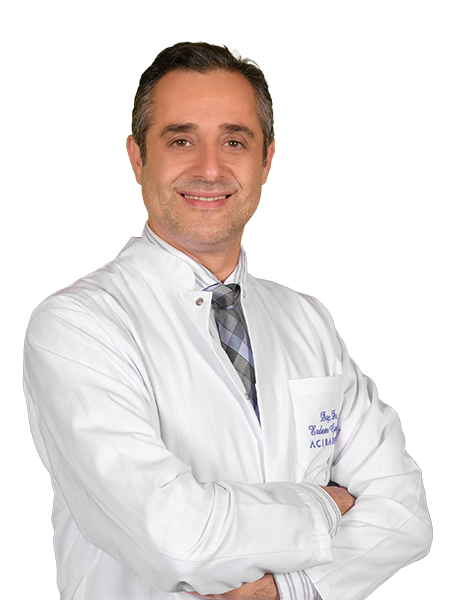
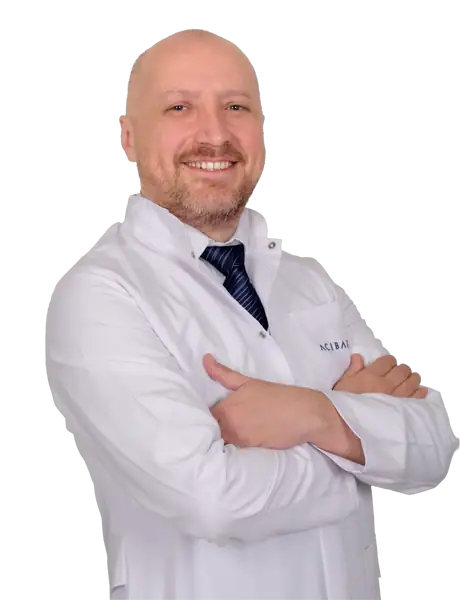
Physicians of the Acıbadem network who perform this treatment in Istanbul.
 Where it is performed Acibadem Maslak Hospital İstanbul · JCI-accredited hospitals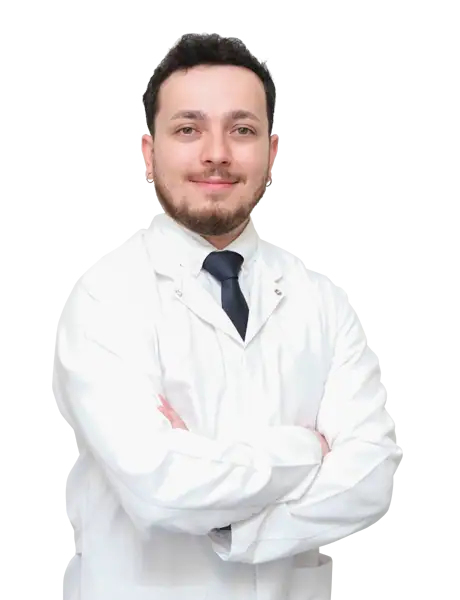
Clinical guide & data
The evidence-based pages behind this guide.