Dandruff
Learn what dandruff is, its common symptoms and causes, how doctors diagnose it, and which shampoos and treatment options often help control flaking and itching.

Quick answer
Dandruff is a common, non-contagious scalp condition in which dead skin cells shed as visible white or yellowish flakes, often with itching. It is linked to a natural scalp yeast, excess skin oil, and skin sensitivity, not poor hygiene. It is usually controlled with regular washing and medicated anti-dandruff shampoos.
What is dandruff?
Dandruff is a very common scalp condition in which the skin on the scalp sheds visible flakes of dead skin. Everyone sheds skin cells all the time, but in dandruff the process speeds up, and the cells clump together into white or yellowish flakes that show up in the hair, on the shoulders, and on clothing. Many people also notice an itchy scalp. Dandruff is not contagious, and it is not a sign of poor hygiene, although how often the hair is washed can affect how noticeable it is.
When people ask what is dandruff, doctors often describe it as the mildest form of a broader condition called seborrheic dermatitis (an inflammatory skin condition that affects oily areas of the body, such as the scalp, face, and chest). In dandruff, the flaking is usually limited to the scalp and there is little or no visible redness. In seborrheic dermatitis, the skin is often red, greasy, and scaly, and other areas of the body may be involved.
Dandruff affects people of all ages and backgrounds, but it is most common from the teenage years through middle age, when the skin produces more oil. It is somewhat more common in men. Babies can develop a related condition on the scalp called cradle cap, which usually clears on its own. Dandruff is rarely harmful to physical health, but it can be uncomfortable and may affect confidence and quality of life.
Dandruff symptoms
Dandruff symptoms are usually easy to recognize, and in many cases they come and go over time. Common signs include:
- White or yellowish flakes of skin in the hair, on the scalp, or on the shoulders
- An itchy scalp, which may be mild or persistent
- A scalp that feels dry and tight, or in other cases greasy and oily
- Flaking that becomes more noticeable in cold, dry weather or during stressful periods
- Occasional mild redness of the scalp
- Flaking in the eyebrows, beard, or along the hairline in some people
In mild dandruff, the flakes are small, dry, and loosely attached, and the scalp otherwise looks healthy. As the condition moves toward seborrheic dermatitis, the flakes tend to become larger, greasier, and more yellow, and the underlying skin is often pink or red. Scaly patches may appear behind the ears, in the folds beside the nose, on the eyelids, or on the chest. Itching is often stronger at this stage.
Symptoms in babies with cradle cap look different: thick, crusty, yellow or brown scales form on the top of the scalp, usually without much itching, and the condition typically clears within the first year of life without treatment.
Dandruff usually does not cause hair loss. If flakes are accompanied by thick silvery scales, bleeding, sores, patches of hair loss, or a scaly rash elsewhere on the body, another skin condition may be responsible, and a doctor should take a look.
Causes and risk factors
The exact dandruff causes are not fully understood, but research points to a combination of factors acting together rather than a single cause:
- A yeast called Malassezia. This microorganism lives naturally on the scalp of almost everyone. In some people, it seems to grow more actively or triggers an irritation response, which speeds up skin cell turnover and produces flakes.
- Excess sebum (skin oil). Malassezia feeds on the oils produced by the scalp. People with oily skin and hair tend to have more dandruff, which is one reason it is common in the teenage years and early adulthood.
- Skin sensitivity and inflammation. The skin of people with dandruff appears to react more strongly to the byproducts of the yeast, producing itching and faster shedding.
- Dry skin. Very dry scalp skin can flake, especially in winter. These flakes are typically smaller and drier than those of classic dandruff.
- Contact irritation. Some hair-care products, dyes, or styling products can irritate the scalp and cause redness and flaking, a condition known as contact dermatitis.
- Infrequent shampooing. Not washing the hair often enough allows oil and dead skin to build up, making flakes more visible.
Several factors are known to raise the risk of dandruff or make existing dandruff worse:
- Age, with a peak from adolescence through the forties
- Male sex, possibly related to hormones that increase oil production
- Naturally oily scalp and hair
- Cold, dry weather or very dry indoor air
- Stress, fatigue, and lack of sleep, which many people report as triggers
- Certain neurological conditions, such as Parkinson’s disease
- A weakened immune system, for example from HIV infection or organ transplant medications
- Some medications and recovery from serious illness
Dandruff is not caused by poor hygiene, and it cannot be passed from one person to another. Diet has not been clearly proven to cause dandruff, although a balanced diet supports general skin health.
Dandruff diagnosis
In most cases, dandruff diagnosis is straightforward and does not require laboratory tests or imaging. A doctor, pharmacist, or dermatologist (a doctor who specializes in skin, hair, and nail conditions) usually identifies dandruff by examining the scalp and hair and asking about symptoms. Questions may cover how long the flaking has been present, whether it itches, how often the hair is washed, which products are used, and whether other areas of skin are affected.
The main goal of the examination is to distinguish dandruff and seborrheic dermatitis from other scalp conditions that can look similar. These include:
- Scalp psoriasis, a long-term immune condition that causes thick, well-defined plaques with silvery scale, often extending beyond the hairline
- Eczema (atopic dermatitis), an itchy inflammatory skin condition that may also affect the face, neck, or body
- Contact dermatitis, an irritant or allergic reaction to a hair product
- Tinea capitis, a fungal infection of the scalp (ringworm) that can cause scaling, broken hairs, and patches of hair loss, especially in children
- Head lice, in which the eggs (nits) can be mistaken for flakes but are firmly stuck to the hair shaft
If the picture is unclear, or if the condition does not respond to standard treatment, a doctor may take a few extra steps. These can include gently scraping a small sample of scale and examining it under a microscope to look for fungus, sending a sample for fungal culture, or, rarely, taking a small skin biopsy (removing a tiny piece of skin for laboratory examination). A dermatoscope, a handheld magnifier with a light, may also be used to look closely at the scalp. Blood tests and imaging scans are not needed to diagnose dandruff.
At Acibadem, scalp conditions such as dandruff and seborrheic dermatitis are evaluated in the Dermatology department, particularly when symptoms are severe, persistent, or affect other areas of the body.
Dandruff treatment options
Dandruff cannot usually be cured permanently, but it can almost always be controlled. Dandruff treatment options range from simple changes in hair care to prescription medications, and the right approach depends on how severe the condition is and how the scalp responds. Surgery and hospital procedures play no role in treating dandruff.
Regular hair washing and gentle hair care
For mild flaking, washing the hair more regularly with a gentle shampoo may be enough to reduce oil and remove loose skin cells. People with very dry scalps may find that washing less often or using a moisturizing shampoo helps. Reducing the use of heavy styling products, hair sprays, and gels can also help, because these can build up on the scalp and cause irritation.
Medicated (anti-dandruff) shampoos
Medicated shampoos are the mainstay of dandruff treatment and are widely available without a prescription. They work in different ways, and it may take some trial to find one that suits an individual scalp. Common active ingredients include:
- Zinc pyrithione, which has antifungal and antibacterial properties
- Selenium sulfide, which slows skin cell turnover and reduces yeast
- Ketoconazole, an antifungal that targets Malassezia; higher strengths are prescription-only in some countries
- Salicylic acid, which helps loosen and remove scales, sometimes combined with sulfur
- Coal tar, which slows the rate at which skin cells die and flake off
- Ciclopirox, another antifungal available in some regions
For best results, a medicated shampoo is usually massaged into the scalp and left in place for several minutes before rinsing, so the active ingredient has time to work. Many people use it two or three times a week at first, then less often once the flaking is under control. If one type stops working after a while, alternating between two shampoos with different ingredients is often suggested. Some products, particularly coal tar and selenium sulfide, can discolor light or chemically treated hair, so following the label directions matters.
Prescription treatments
When over-the-counter shampoos are not enough, or when the scalp is red and inflamed, a doctor may prescribe stronger options. These can include prescription-strength antifungal shampoos, creams, or foams; short courses of topical corticosteroids (anti-inflammatory medicines applied to the skin) as lotions or foams to calm itching and redness; or non-steroid anti-inflammatory creams such as calcineurin inhibitors for sensitive areas like the face. Oral antifungal tablets are rarely needed and are reserved for severe or widespread seborrheic dermatitis.
Managing triggers
Because stress, fatigue, and dry weather often worsen dandruff, managing these where possible can support treatment. Spending a little time outdoors in daylight is sometimes helpful, although sun protection remains important. A doctor may also review whether any medications or underlying health conditions are contributing.
Living with dandruff and outlook
Dandruff is a long-term condition for many people, but its outlook is generally good. It does not cause permanent damage to the scalp or hair, and it is not linked to serious disease in otherwise healthy people. With regular use of a suitable shampoo, most people find that flaking and itching become mild or disappear for long periods.
Flare-ups are common, especially in winter, during stressful times, or when treatment is stopped. Many people learn to recognize their own triggers and resume medicated shampoo at the first sign of flaking. Ongoing maintenance, such as using a medicated shampoo once a week, can help prevent recurrences, though this varies from person to person.
Dandruff can affect self-confidence, and some people feel embarrassed by visible flakes. It may help to remember that the condition is extremely common, is not caused by uncleanliness, and is not something others can catch. Wearing lighter-colored clothing, brushing hair before going out, and keeping a travel-size medicated shampoo on hand are practical steps that some people find useful.
Dandruff that is severe, spreads to the face or body, or does not respond to several months of self-care may be a sign of seborrheic dermatitis or another skin condition that benefits from specialist care. In these situations, a dermatologist can confirm the diagnosis and adjust treatment.
Frequently asked questions
What is dandruff, and is it the same as dry scalp?
Dandruff is flaking of the scalp caused mainly by a reaction to a naturally occurring yeast and excess skin oil. A dry scalp, by contrast, flakes because the skin lacks moisture, and the flakes are usually smaller and drier. The two can be difficult to tell apart at home, and some people have both. If a moisturizing shampoo does not help, a medicated anti-dandruff shampoo may be worth trying.
What are the most common dandruff symptoms?
The most common dandruff symptoms are white or yellowish flakes in the hair and on the shoulders and an itchy scalp. Some people also notice a greasy feeling on the scalp or mild redness. Symptoms often worsen in cold, dry months and during periods of stress.
What are the main dandruff causes?
Dandruff causes are thought to include overgrowth or overreaction to a yeast called Malassezia, excess scalp oil, and individual skin sensitivity. Dry skin, irritation from hair products, and infrequent washing can also contribute. Dandruff is not caused by poor hygiene and is not contagious.
How is dandruff diagnosis made?
Dandruff diagnosis is usually based on a simple examination of the scalp and a discussion of symptoms. Tests are rarely needed. If the diagnosis is uncertain, a doctor may examine a scale sample under a microscope or, very occasionally, take a small skin biopsy to rule out conditions such as psoriasis or fungal infection.
What are the best dandruff treatment options?
Medicated shampoos containing ingredients such as zinc pyrithione, selenium sulfide, ketoconazole, salicylic acid, or coal tar are the standard dandruff treatment options. Regular washing and reducing heavy styling products also help. For persistent or inflamed dandruff, a doctor may prescribe stronger antifungal or anti-inflammatory treatments.
Can dandruff cause hair loss?
Dandruff itself does not usually cause hair loss. However, intense scratching can damage hair and irritate the scalp, and some conditions that cause flaking, such as fungal infection or severe seborrheic dermatitis, can be associated with temporary shedding. If flaking is accompanied by noticeable hair loss, a doctor should assess the scalp.
Does dandruff ever go away completely?
For many people, dandruff is a recurring condition that can be well controlled but tends to return if treatment stops. Some people, particularly those whose dandruff started in adolescence, find it improves with age. Ongoing maintenance with a medicated shampoo often keeps symptoms at a minimal level.
When to see a doctor
Most dandruff can be managed at home, but medical advice is recommended if flaking and itching do not improve after several weeks of using an over-the-counter medicated shampoo, if the scalp becomes very red or sore, or if scaling spreads to the face, ears, chest, or other parts of the body. A doctor can confirm the diagnosis and rule out other conditions such as psoriasis, eczema, or fungal infection.
Seek prompt medical attention if any of the following red-flag signs are present:
- Patches of hair loss alongside scaling, especially in a child
- Thick crusts, oozing, pus, or a foul smell from the scalp, which may indicate infection
- Painful, swollen, or hot areas of the scalp
- Bleeding sores or open wounds on the scalp
- Fever or feeling generally unwell together with a scalp rash
- Sudden or severe flaking in a person with a weakened immune system, such as from HIV or transplant medication
- Scaling that spreads rapidly or is accompanied by a rash elsewhere on the body
- Symptoms in an infant that involve widespread redness, weeping skin, or poor feeding
These signs do not necessarily mean something serious is happening, but they suggest that a condition other than simple dandruff may be present and should be evaluated by a healthcare professional.
From the Acibadem Blog
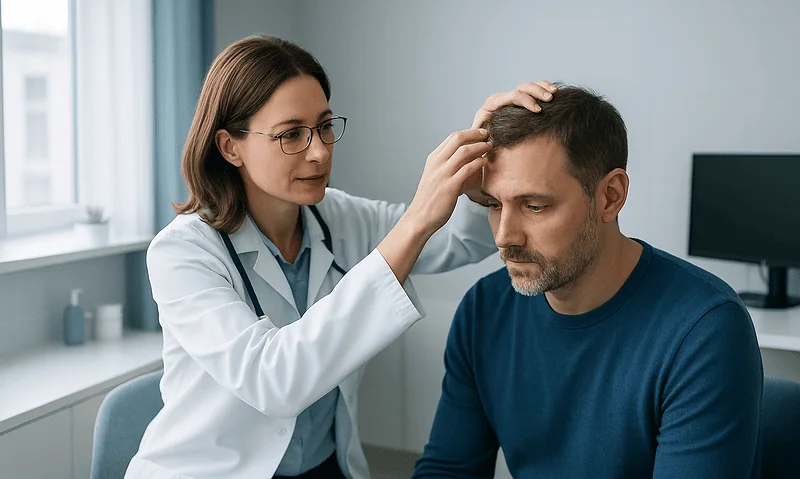
How to Get Rid of Dandruff: What Works, From Shampoo Science to Scalp Care
Dandruff usually improves with an over-the-counter anti-dandruff shampoo used two to three times a week and left on the scalp for about five minutes…
Medically reviewed by the Acıbadem International Medical Board — September 9, 2026
See our medical review board →
Update history
- PublishedSeptember 9, 2026
- Medical review approvedSeptember 9, 2026
- Last content updateSeptember 9, 2026
References2
Treatments for This Condition
Care at Acibadem
Doctors Who Treat This Condition

Prof. Dr. Andaç Salman
Dermatology
Prof. Dr. Ayten Ferahbaş Kesikoğlu
Dermatology
Prof. Dr. Dilek Bıyık Özkaya
Dermatology
Prof. Dr. Emel Güngör
Dermatology
Prof. Dr. Emel Öztürk Durmaz
Dermatology
Prof. Dr. Gamze Erfan
Dermatology
Prof. Dr. Kemal Özyurt
Dermatology
Prof. Dr. İkbal Esen Aydıngöz
Dermatology
Assoc. Prof. Dr. Bahar Sevimli Dikicier
Dermatology
Assoc. Prof. Dr. Serkan Demirkan
Dermatology
Dr. Damla Sivaz
Dermatology