

Keeping Valuables and Documents Safe During Treatment in Turkey

Practical tips to protect passports, money, phones and medical papers while you travel for treatment in Turkey.
When you travel for treatment, your passport, payment cards, phone and medical documents are part of your care journey. This guide helps you plan where to keep them, what to carry, and how to reduce stress during your stay in Turkey.
At a glance
- Main priority: Keep your passport, payment access and medical records protected but reachable
- Best preparation: Make digital and paper copies before you travel
- During hospital visits: Carry only what you need for the appointment or admission
- Helpful support: Use international patient coordinators and interpreters for guidance
- If something is lost: Report it promptly to the hospital, bank, hotel and relevant authorities
Why valuables and documents need a simple plan
Medical travel involves more paperwork and more movement than an ordinary trip. You may go between the airport, hotel, hospital, imaging centers, pharmacies and follow-up appointments. Having a clear system for your passport, wallet, phone, medications and medical documents helps you stay calm and focused on your care.
The goal is not to carry everything everywhere. It is to know what must stay with you, what can be stored securely, and who can help if you need a copy, translation or replacement. A small amount of preparation before you fly can prevent delays at admission, payment, discharge or your return journey.
At Acibadem International, international patient teams are used to helping guests from different countries navigate registration, interpretation and practical arrangements. They can guide you on what documents are usually needed at different stages, while you remain responsible for your personal belongings and official papers.
What to keep with you at all times
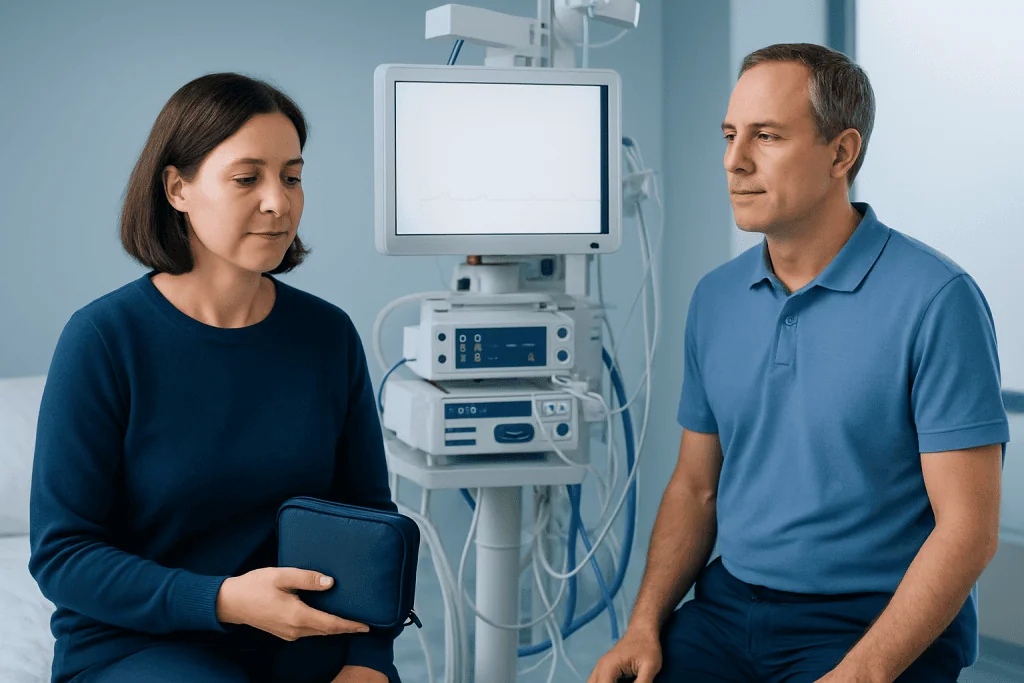
Some items should remain close to you because they are difficult to replace quickly or may be needed unexpectedly. These include your passport, residence or visa documents if applicable, emergency contact information, phone, essential medications, payment card and a small amount of local currency. Keep these in a zipped inner pocket, cross-body bag or small personal pouch rather than in an open handbag or loose coat pocket.
For hospital appointments, carry your appointment details, any referral letters, recent test results, medication list and allergy information. If you are using a phone for maps, messages and translation support, keep a charger or power bank with you. A low battery can become a practical problem when you need to contact your companion, coordinator or hotel.
It is wise to separate your essentials. For example, keep one payment method with you and another securely stored elsewhere. Do not keep all cash, cards and identification in the same wallet if you can avoid it. This simple separation reduces disruption if one bag is misplaced.
What to store securely at your hotel or accommodation

Items you do not need for the day should usually stay in a secure place at your accommodation. This may include extra cash, backup bank cards, jewelry, non-essential electronics, printed copies of records and travel documents not required for that appointment. If your room has a safe, use it according to the hotel instructions and choose a code that is not easy to guess.
If there is no safe, ask the reception desk about secure storage options. Avoid leaving valuables visible on tables, beds or near windows. Keep documents in a folder or envelope so they are not mixed with receipts, clothing or hospital paperwork that may be discarded by mistake.
Before leaving for the hospital, take one minute to check three things: passport or approved ID, phone and payment access. If a companion is traveling with you, agree who is responsible for which items. Clear roles prevent confusion, especially on admission days or after a long appointment.
Protecting passports, visas and official papers
Your passport is the most important travel document you have in Turkey. Keep the original protected from water, bending and unnecessary handling. A passport cover or small waterproof pouch can be useful, especially if you are carrying drinks, medication bottles or toiletries in the same bag.
Before you travel, make at least two paper copies of your passport photo page, visa or entry stamp if available, travel insurance documents and flight details. Store one set separately from the originals and leave another set with a trusted person at home. Save digital copies in secure cloud storage or an encrypted folder that you can access if your phone is lost.
Do not hand over your passport to anyone unless there is a clear administrative reason, such as hotel registration, hospital registration or official procedures. If you are unsure, ask your international patient coordinator or interpreter to explain why the document is needed and when it will be returned.
Managing money, cards and payment documents
Bring more than one payment method if possible, such as a debit card, credit card and a modest amount of cash. Inform your bank that you will be in Turkey so legitimate transactions are less likely to be blocked. Keep your bank phone numbers or app access available in case you need to freeze a card quickly.
Do not carry large amounts of cash around the hospital or city. For daily expenses, small denominations are often more practical. Keep receipts for medical payments, pharmacy purchases, transportation and accommodation because your insurer, employer or home doctor may ask for them later.
If you receive cost estimates, invoices or payment confirmations, store them in a dedicated folder rather than mixing them with general travel papers. Acibadem International patient services can help you understand hospital administrative steps, but you should keep your own copies of all payment-related documents for your records.
Keeping medical records organized and private
Your medical documents are valuable because they help teams understand your history and make safe decisions. Bring key records in a tidy folder: diagnosis summaries, imaging reports, laboratory results, operation notes if relevant, medication lists and allergy details. If documents are not in English or Turkish, ask in advance whether translations are recommended.
Protect your privacy by avoiding unnecessary sharing of medical records in public areas, hotel lobbies or unsecured messaging groups. If you need to send files, use the method recommended by your patient coordinator or healthcare provider. Keep original documents flat and clean, and use digital copies when appropriate.
A useful folder structure is simple: identification, insurance or payment documents, medical reports, prescriptions, travel papers and receipts. Labeling sections helps you find the right paper quickly during registration or consultation, especially when you are tired or nervous.
What to do if something is lost or stolen
If an item goes missing, act quickly but calmly. Retrace your steps, check your hotel room, taxi, hospital waiting area, restroom and restaurant table. Inform the hospital desk or your international patient contact if the loss may have happened during your visit.
For a lost bank card, freeze or cancel the card through your banking app or emergency phone line. For a lost passport, contact your embassy or consulate in Turkey and ask what documents are needed for emergency travel papers. A police report may be required in some circumstances, especially for insurance claims or official replacement procedures.
Having copies makes this situation much easier. Your passport copy, digital flight details, hotel address and emergency contacts can help the embassy, police, airline or hospital identify you and guide next steps. If you are an Acibadem International patient, ask your coordinator for practical direction, interpreter support where available, and help understanding where to go next.
Step by step
- Create a document pack before you travel. Place your passport copy, visa or entry information, insurance details, appointment confirmations and medical summaries in one folder. Keep originals and copies separate so one lost bag does not remove everything.
- Save secure digital backups. Scan or photograph important documents and store them in a password-protected cloud folder or secure email account. Make sure you can access them from another device if your phone is unavailable.
- Decide what you will carry each day. Before leaving your accommodation, check whether you truly need your passport, full wallet or original documents. Carry only the items needed for that day’s appointment, payment or travel.
- Use a consistent storage routine. Keep the same items in the same pockets or sections of your bag every time. This makes it easier to notice quickly if something is missing.
- Separate money and payment cards. Avoid keeping every card and all cash in one wallet. Store a backup payment method securely at your accommodation or with a trusted companion.
- Ask for help during hospital logistics. If you are unsure which document is needed at registration, admission or discharge, ask your patient coordinator or interpreter. This can prevent you from taking unnecessary papers out in busy areas.
- Report loss immediately. Tell the hotel, hospital, bank or transport provider as soon as you notice something is missing. For official documents, contact your embassy or consulate and follow their instructions.
Your checklist
- Passport and visa or entry documentation
- Printed passport copy stored separately
- Secure digital copies of travel and medical documents
- Emergency contact list in your phone and on paper
- Medication list, allergy information and recent medical reports
- Two payment methods kept in separate places
- Small amount of Turkish lira for daily needs
- Phone charger, adapter and power bank
- Dedicated folder for invoices, receipts and discharge papers
- Hotel and hospital contact details saved offline
Key takeaways
- Do not carry every valuable or original document unless you need it that day.
- Keep passport, payment access, phone and essential medications close and secure.
- Separate originals, copies, cash and cards to reduce the impact of loss.
- Organize medical records in a clear folder and protect your privacy when sharing them.
- If something is lost, act quickly and ask the hospital, hotel, bank or embassy for the correct next step.
Frequently asked questions
Should I carry my passport with me in Turkey during treatment?
You may need your passport for hospital registration, hotel procedures, banking, travel and official identification. On days when it is not needed, ask whether a copy is sufficient and store the original securely. Always keep at least one passport copy separate from the original.
Is it safe to bring jewelry or expensive items for my treatment trip?
It is best to travel with as few high-value personal items as possible. Jewelry, luxury watches and unnecessary electronics can add stress and are rarely needed for medical appointments. If you must bring them, use secure storage and avoid wearing them in busy areas.
What medical documents should I keep with me at appointments?
Bring relevant medical reports, imaging results, medication lists, allergy information, previous operation notes and appointment confirmations. If you have many records, organize them by date or topic so the care team can find information quickly. Your coordinator can advise which documents are most relevant for your planned visit.
What should I do if I lose my passport in Turkey?
Contact your embassy or consulate as soon as possible and ask about emergency travel documents. You may need a police report, passport copy, photos or proof of travel plans. Inform your hotel and hospital coordinator so they can help you manage appointments and practical steps.
How can I protect my phone during my hospital stay?
Use a passcode, fingerprint or face recognition, and enable device tracking before you travel. Keep your phone close, especially in waiting areas, taxis and cafes. Save key contacts offline in case internet access is limited.
Should my companion hold my documents after a procedure?
If you trust your companion, it can be practical for them to hold your phone, wallet and documents when you are resting or moving between hospital areas. Agree this in advance and use a small labeled pouch or folder. Make sure you both know where the items are stored.
Can Acibadem International help if I misplace documents at the hospital?
If you think an item was lost inside the hospital, notify the relevant desk or your international patient contact promptly. The team can guide you on where to check and how to communicate the issue. For passports, bank cards or official papers, you may also need to contact your embassy, bank or local authorities.
Add us as a Preferred Source to see more of our trusted health content across Google Search, AI Overviews and Discover.
More Patient Guides
Managing Time Between Appointments in Turkey During Treatment
Managing time between appointments in Turkey is easier with a simple plan for rest, transport, meals, and safe sightseeing during treatment in…
9 min read
How to Stay Comfortable During a Multi-Day Hospital Stay in Turkey
Multi-day hospital stay in Turkey can feel easier with the right plan: pack smart, set routines, use interpreter support, and prepare for…
9 min read
After General Anesthesia in Turkey: Recovery Room, Nausea, and Going Back to Your Room
After general anesthesia in Turkey, you usually recover in a monitored room first, then return to your hospital room when you are…
8 min read