Migraine: Headache Phases, Triggers, and Preventive Treatment
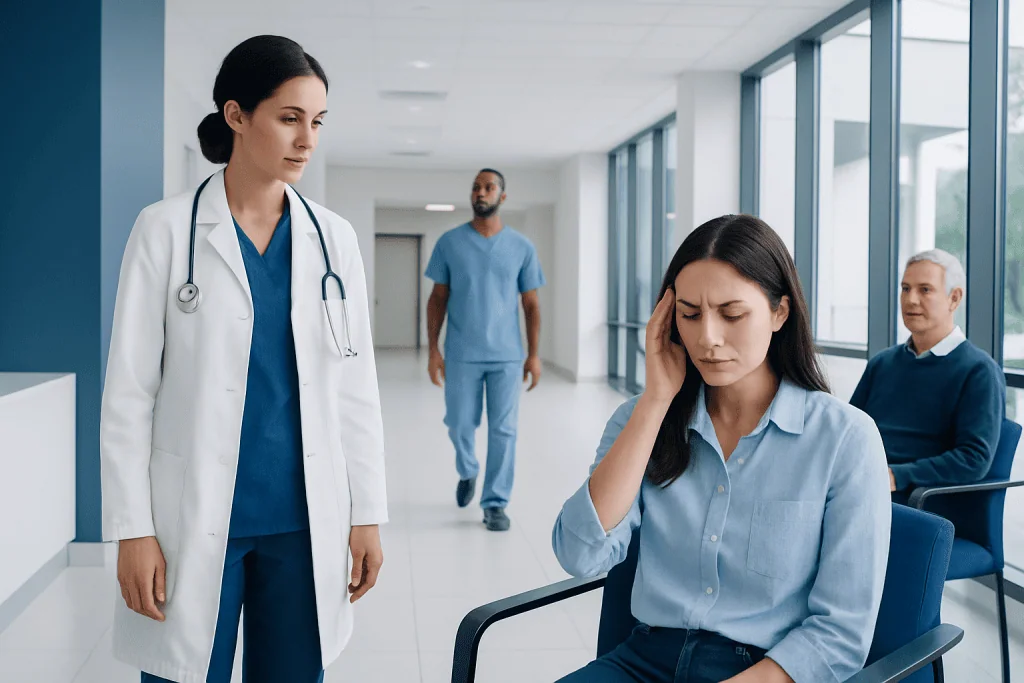
Migraine is more than a headache; it is a neurological disorder with recognizable phases in many people. Common triggers include sleep changes, stress, hormonal shifts, certain foods, dehydration, and sensory stimuli, but triggers vary widely.
Key Takeaways
- Migraine is more than a headache; it is a neurological disorder with recognizable phases in many people.
- Common triggers include sleep changes, stress, hormonal shifts, certain foods, dehydration, and sensory stimuli, but triggers vary widely.
- Diagnosis is usually based on symptoms and medical history, while imaging is reserved for specific warning signs or unusual patterns.
- Treatment may include acute medicines taken during attacks and preventive treatment to reduce attack frequency or severity.
- A headache diary, regular routines, and medical guidance can support better long-term migraine control.
Migraine is a neurological condition that can cause recurrent headache attacks with symptoms such as nausea, light sensitivity, and fatigue. Understanding migraine phases, personal triggers, and prevention strategies can help patients work with their doctor to reduce the frequency and impact of attacks.
Overview
Migraine is a common neurological condition that causes repeated attacks of headache and other symptoms. A migraine attack often involves moderate to severe throbbing pain, usually on one side of the head, although it can affect both sides. Many people also experience nausea, vomiting, sensitivity to light or sound, dizziness, fatigue, or difficulty concentrating.
Migraine is not simply a strong headache. It involves changes in the brain, nerves, blood vessels, and chemical signaling systems. These changes can make the nervous system more sensitive for hours or days. For some people, attacks are occasional and manageable. For others, migraine can interfere with work, school, family life, travel, and sleep.
The condition can occur at any age, including childhood, but it is especially common in adults. It often runs in families, suggesting a genetic tendency. Although migraine cannot always be cured, many people achieve better control with an individualized plan that includes trigger management, acute treatment, and, when needed, preventive therapy.
Migraine Phases and Symptoms
A migraine attack can develop in phases. Not everyone experiences every phase, and symptoms may change over time. Recognizing early signs can help a person take medication promptly, adjust activities, hydrate, rest, or avoid bright light and noise before the attack becomes more severe.
The prodrome phase may begin hours or a day or two before the headache. Symptoms can include tiredness, yawning, mood changes, food cravings, neck stiffness, increased urination, or sensitivity to light and sound. Some people notice they feel unusually energetic or irritable before a migraine begins.
Aura occurs in some, but not all, people with migraine. It usually develops gradually and may last less than an hour. Aura can involve visual symptoms such as flashing lights, zigzag lines, blind spots, or shimmering shapes. Less commonly, it may cause tingling, numbness, speech difficulty, or weakness. New or unusual aura symptoms should always be discussed with a doctor, especially if they appear suddenly.
The headache phase may last several hours to a few days if untreated. Pain may worsen with movement, stairs, bending, coughing, or routine activity. The postdrome phase, sometimes called the migraine hangover, can follow after the pain improves. During this stage, a person may feel drained, foggy, sensitive, or mildly sore, although some feel relief or even a brief sense of wellbeing.
Causes and Risk Factors

The exact cause of migraine is complex. Current understanding suggests that people with migraine have a nervous system that is more reactive to internal and external changes. Brain networks involved in pain, sensory processing, sleep, and hormone regulation may become activated, leading to the symptoms of an attack.
Genetics play an important role. A person is more likely to have migraine if close relatives also experience it. Hormonal changes are another major factor, particularly in people who have menstrual cycles. Migraine attacks may be linked to menstruation, pregnancy, perimenopause, or the use of certain hormone therapies, although patterns vary from person to person.
Several factors can increase the likelihood of migraine or make attacks more frequent. These include poor sleep, high stress, irregular meals, dehydration, excessive caffeine use or caffeine withdrawal, some medical conditions, and frequent use of pain-relief medicines. Anxiety, depression, sleep disorders, and neck or jaw problems can also coexist with migraine and may influence symptoms.
Common Migraine Triggers
A trigger is something that may increase the chance of a migraine attack in a susceptible person. Triggers are not the same for everyone, and a single trigger does not always cause an attack. Often, migraine happens when several factors build up together, such as stress, lack of sleep, skipped meals, and hormonal changes occurring in the same period.
Commonly reported triggers include:
- Changes in sleep schedule, including too little sleep or oversleeping
- Stress, emotional strain, or relaxation after stress
- Skipped meals, fasting, dehydration, or irregular caffeine intake
- Alcohol, especially red wine or certain spirits, in some people
- Strong smells, bright lights, loud sounds, or screen glare
- Weather changes, heat, humidity, or changes in air pressure
- Hormonal fluctuations, especially around menstruation
- Certain foods or additives in some individuals, such as aged cheeses or processed meats
A headache diary can help identify patterns. It may include the date and time of symptoms, sleep, meals, hydration, stress level, menstrual cycle timing, medicines used, possible triggers, and response to treatment. The goal is not to avoid life unnecessarily, but to find realistic patterns that can be managed.
Diagnosis
Migraine is usually diagnosed through a detailed medical history and neurological examination. A doctor will ask about headache location, pain quality, duration, associated symptoms, frequency, family history, triggers, medicines, and how symptoms affect daily activities. The pattern of repeated attacks with nausea, light sensitivity, sound sensitivity, or worsening with movement often supports the diagnosis.
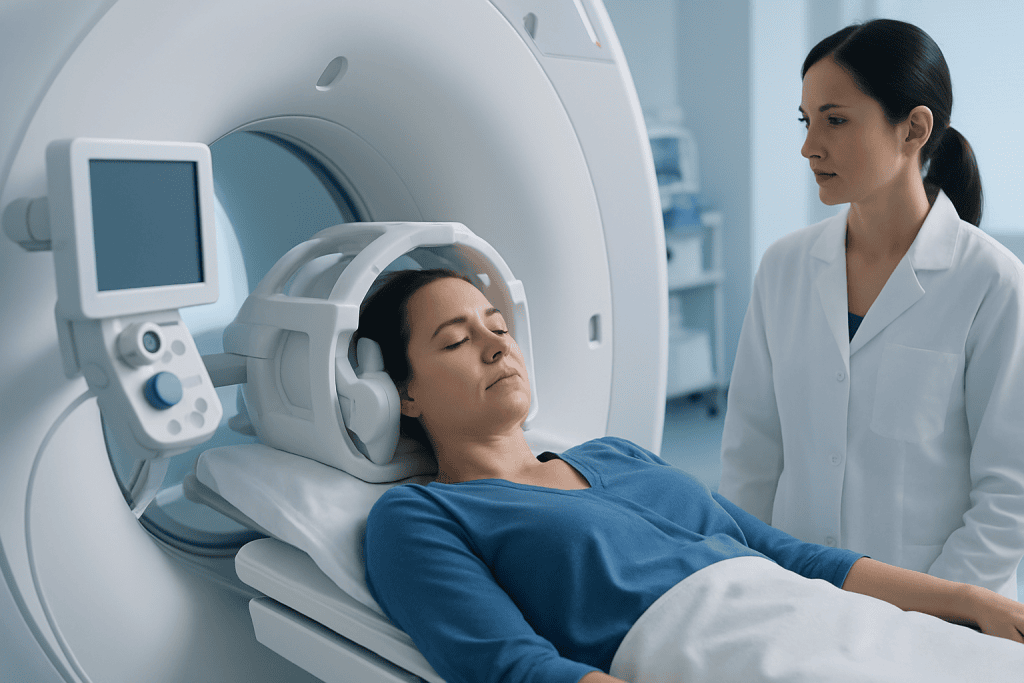
There is no single blood test that confirms migraine. Brain imaging such as MRI or CT is not needed for every patient. It may be recommended when symptoms are new, severe, unusual, changing rapidly, or associated with neurological findings. Imaging may also be considered after head injury, in people with cancer or immune suppression, or when a clinician needs to rule out another cause.
Doctors may distinguish migraine from tension-type headache, cluster headache, sinus-related pain, medication-overuse headache, and secondary headaches caused by another medical problem. Accurate diagnosis matters because treatment choices differ. Patients should tell their doctor if they use pain-relief medication frequently, because overuse can make headaches more persistent over time.
Treatment Options
Migraine treatment usually includes two approaches: acute treatment and preventive treatment. Acute treatment is taken when an attack begins, with the goal of reducing pain and associated symptoms. Preventive treatment is used regularly to reduce how often attacks occur, how severe they are, or how long they last.
Acute options may include non-prescription pain relievers, anti-inflammatory medicines, anti-nausea medicines, triptans, gepants, or ditans, depending on a patient’s symptoms and medical history. These medicines are not suitable for everyone, especially people with certain heart, blood pressure, liver, kidney, pregnancy, or medication interaction concerns. A doctor or pharmacist can help choose safe options and advise on avoiding medication overuse.
Preventive treatment may be considered when migraine attacks are frequent, disabling, prolonged, poorly responsive to acute medicines, or associated with significant aura or medication overuse. Options can include certain blood pressure medicines, antidepressants, anti-seizure medicines, botulinum toxin injections for chronic migraine, CGRP-targeted monoclonal antibodies, and oral CGRP receptor antagonists. The choice depends on migraine pattern, other medical conditions, pregnancy plans, side-effect profile, and patient preference.
Non-drug therapies can also be valuable. These may include cognitive behavioral therapy, relaxation training, biofeedback, sleep management, regular exercise, physical therapy for neck-related contributors, and treatment of coexisting anxiety, depression, or sleep disorders. For many people, the best results come from combining lifestyle consistency with carefully selected medical therapy.
Prevention, Self-Care, and When to See a Doctor
Daily routines can reduce migraine vulnerability. Helpful habits include keeping a regular sleep schedule, eating balanced meals at consistent times, staying hydrated, limiting sudden changes in caffeine intake, and exercising regularly at a comfortable level. During an attack, resting in a quiet, dark room, using cold or warm compresses, drinking fluids, and taking prescribed medicine early may help.
Patients should seek medical advice if headaches are frequent, changing, difficult to control, or interfering with daily life. Urgent evaluation is important for a sudden severe headache, headache with weakness or confusion, fever and stiff neck, vision loss, fainting, seizure, head injury, or a new headache during pregnancy or after age 50. These signs do not always mean a serious problem, but they should be checked promptly.
A neurologist or headache specialist can help create a personalized plan, especially when migraine is chronic or complicated by aura, medication overuse, or other health conditions. For international patients, Acibadem International’s multidisciplinary specialists and JCI-accredited hospitals diagnose and treat migraine and related neurological conditions as part of comprehensive patient care.
Frequently asked questions
Is migraine the same as a severe headache?
No. Migraine is a neurological condition that can include headache, but it may also cause nausea, light sensitivity, sound sensitivity, visual aura, dizziness, fatigue, and cognitive symptoms. The headache is one part of a broader migraine attack.
What is a migraine aura?
Aura is a group of temporary neurological symptoms that can happen before or during a migraine attack. It most often affects vision, causing flashing lights, zigzag lines, or blind spots. New, sudden, or unusual aura symptoms should be assessed by a doctor.
How can someone find their migraine triggers?
A headache diary is often the most practical tool. Recording sleep, meals, hydration, stress, menstrual cycle timing, weather changes, foods, medicines, and symptoms can reveal patterns over several weeks or months. A doctor can help interpret the diary without making unnecessary restrictions.
When is preventive migraine treatment needed?
Preventive treatment may be considered when migraine attacks happen often, cause significant disability, last a long time, or require frequent acute medication. It may also be recommended when acute treatments are ineffective or not suitable. The decision should be individualized with a qualified clinician.
Can migraine be cured permanently?
There is currently no guaranteed permanent cure for migraine. However, many people can reduce the frequency, severity, and impact of attacks with the right combination of lifestyle measures, acute treatment, preventive therapy, and management of coexisting conditions.
Can children have migraine?
Yes. Children and teenagers can have migraine, and their symptoms may differ from adults. They may have shorter attacks, pain on both sides of the head, stomach pain, nausea, vomiting, dizziness, or sensitivity to light and sound. A pediatrician or pediatric neurologist can guide diagnosis and safe treatment.
References
- World Health Organization
- American Migraine Foundation
- International Headache Society
- National Institute for Health and Care Excellence
- European Headache Federation
This article is for general information only and is not a substitute for professional medical advice. Please consult a qualified doctor about your individual situation.
Migraine in Turkey — costs, top hospitals & a free quote
JCI-accredited · board-certified surgeons · reply within 24h
Add us as a Preferred Source to see more of our trusted health content across Google Search, AI Overviews and Discover.