Electrophysiology Study and Catheter Ablation: Heart Rhythm Mapping

An electrophysiology study helps doctors diagnose and locate abnormal electrical pathways or rhythm triggers inside the heart. Catheter ablation uses targeted energy to interrupt the tissue causing certain arrhythmias, such as supraventricular tachycardia, atrial flutter, or some cases of atrial fibrillation.
Key Takeaways
- An electrophysiology study helps doctors diagnose and locate abnormal electrical pathways or rhythm triggers inside the heart.
- Catheter ablation uses targeted energy to interrupt the tissue causing certain arrhythmias, such as supraventricular tachycardia, atrial flutter, or some cases of atrial fibrillation.
- The procedure is usually performed through thin catheters inserted into blood vessels, most often in the groin, and guided to the heart.
- Benefits, risks, and success rates vary depending on the type of arrhythmia, heart health, age, and other medical conditions.
- A cardiologist or cardiac electrophysiologist can explain whether monitoring, medication, ablation, or another treatment is the safest option.
An electrophysiology study is a specialized test that maps the heart’s electrical signals to identify the source of an abnormal rhythm. When appropriate, catheter ablation can treat the problem area during the same or a separate procedure.
Overview: What Is an Electrophysiology Study?
An electrophysiology study, often called an EP study, is a minimally invasive cardiac test used to understand how electrical signals move through the heart. The heart has its own electrical system, which coordinates each heartbeat. When these signals are too fast, too slow, irregular, or travel through an extra pathway, a person may experience an arrhythmia.
During an EP study, a cardiac electrophysiologist places thin, flexible tubes called catheters into blood vessels and guides them to the heart. These catheters can record electrical activity from precise locations inside the heart. In some cases, the doctor may gently stimulate the heart to reproduce the rhythm problem in a controlled medical setting.
The main purpose is heart rhythm mapping: identifying where an arrhythmia starts, how it travels, and which tissue is involved. This information helps the medical team choose the most suitable treatment, which may include medication, a pacemaker or defibrillator, catheter ablation, or continued observation.
How Catheter Ablation Fits Into Heart Rhythm Care
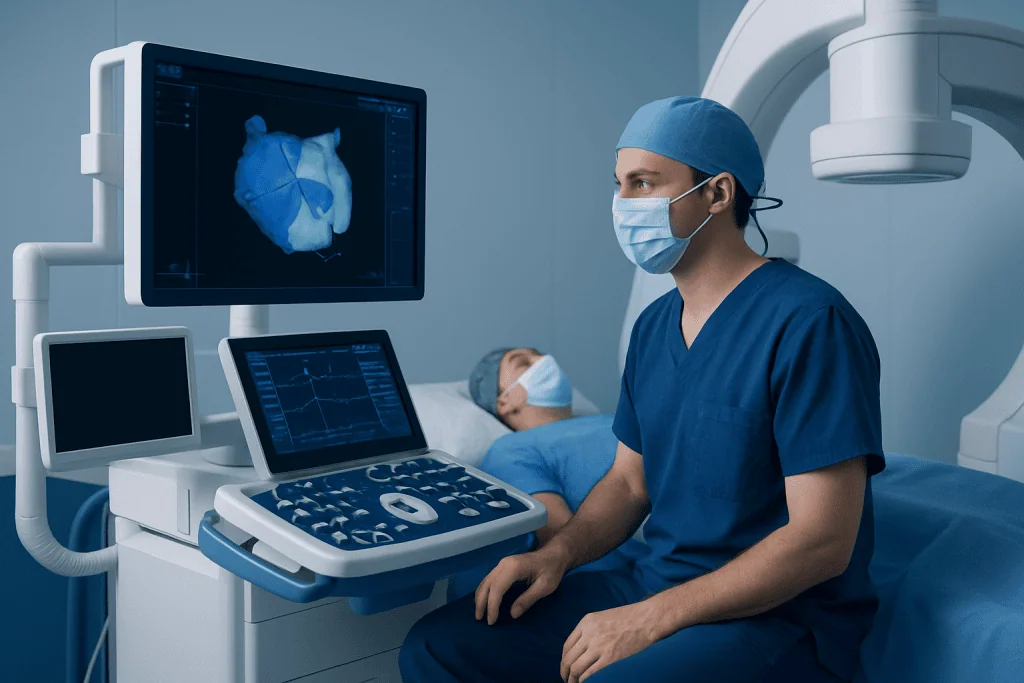
Catheter ablation is a treatment that may be performed after or during an electrophysiology study if the abnormal rhythm source can be clearly identified. The goal is to modify or destroy a very small area of heart tissue that is triggering or sustaining the arrhythmia. This can help restore a more stable rhythm or reduce the frequency and severity of episodes.
Different energy sources may be used. Radiofrequency ablation uses heat, while cryoablation uses cold. Some centers also use advanced mapping systems that create three-dimensional images of the heart’s electrical activity, helping specialists target treatment more accurately and limit exposure to unnecessary energy.
Catheter ablation is not the right choice for every rhythm disorder. For some people, lifestyle changes, monitoring, or medications are enough. For others, especially when symptoms are significant or medications are ineffective or poorly tolerated, ablation can be an important treatment option to discuss with a qualified electrophysiologist.
Arrhythmias That May Be Evaluated or Treated

An EP study can be useful for several types of arrhythmias, especially when symptoms are difficult to explain or when the rhythm problem needs precise localization. Common symptoms that lead to evaluation include palpitations, sudden rapid heartbeat, dizziness, fainting, shortness of breath, chest discomfort, or unexplained fatigue.
Catheter ablation may be considered for a range of rhythm disorders, depending on the patient’s diagnosis and overall health. These include:
- Supraventricular tachycardia, including AV nodal re-entry tachycardia and accessory pathway rhythms such as Wolff-Parkinson-White syndrome
- Atrial flutter, a regular rapid rhythm often arising from the upper chambers of the heart
- Atrial fibrillation in selected patients, especially when symptoms continue despite other treatment
- Some premature beats or tachycardias arising from the atria or ventricles
- Selected ventricular tachycardias, particularly in people with structural heart disease who need specialized care
The expected benefit varies by arrhythmia type. Some rhythm problems have well-defined electrical circuits that are often suitable for ablation. Others, such as atrial fibrillation, can be more complex and may require an individualized plan, long-term follow-up, and sometimes more than one treatment approach.
What Happens Before and During the Procedure
Preparation begins with a medical review, including symptoms, previous test results, medications, allergies, and existing conditions such as kidney disease, diabetes, bleeding disorders, or heart valve disease. Tests may include an electrocardiogram, Holter or event monitor, echocardiogram, blood tests, and sometimes advanced imaging. The doctor will explain whether any heart rhythm or blood-thinning medications should be adjusted before the procedure.
On the day of the EP study or ablation, the patient is taken to a specialized procedure room or catheterization laboratory. Sedation or anesthesia may be used depending on the arrhythmia, the type of ablation, and the patient’s needs. The catheter insertion area, usually the groin, is cleaned and numbed. The doctor then advances catheters through the blood vessels to the heart using imaging guidance and electrical mapping.
If ablation is performed, the specialist delivers controlled energy to the target area. Patients are closely monitored throughout, including heart rhythm, blood pressure, oxygen levels, and comfort. The length of the procedure can vary, from relatively short studies to longer, complex ablations, especially for atrial fibrillation or ventricular arrhythmias.
Benefits, Risks, and Safety Considerations
An electrophysiology study provides information that standard tests may not reveal. It can confirm a diagnosis, locate abnormal pathways, guide treatment decisions, and sometimes assess the risk of future rhythm events. For many patients, having a clear explanation for palpitations or fainting can also reduce uncertainty and help them make informed choices.
Catheter ablation can reduce symptoms, decrease reliance on certain medications, and improve quality of life for appropriately selected patients. However, it is still an invasive procedure and requires careful planning. Possible risks include bleeding or bruising at the catheter site, blood vessel injury, infection, blood clots, heart perforation, stroke, rhythm disturbances, or the need for a pacemaker in rare situations. The specific risk profile depends on the ablation location and the patient’s health.
Patients should ask about the goal of the procedure, alternative treatments, expected follow-up, and what outcomes are realistic for their arrhythmia. A balanced discussion is important because a successful procedure does not always mean a person will never have another abnormal rhythm, particularly in complex conditions such as atrial fibrillation.
Recovery and Follow-Up After an EP Study or Ablation
After the procedure, the patient is monitored while the catheter insertion sites seal. It is common to rest flat for a period of time to reduce bleeding risk, especially when the groin has been used. Some patients go home the same day, while others stay overnight for observation, depending on the procedure, sedation, arrhythmia type, and overall condition.
Mild soreness or bruising at the insertion site can occur and usually improves gradually. The medical team provides instructions about wound care, bathing, returning to work, exercise, driving, and medications. Patients should follow these instructions closely and avoid heavy lifting or strenuous activity until cleared by their doctor.
Follow-up is an important part of care. Rhythm monitoring, medication adjustments, and clinic visits may be needed to assess results. After some ablations, especially atrial fibrillation ablation, short-term rhythm irregularities can occur during the healing period, so doctors interpret early symptoms in context and may recommend continued monitoring before judging the final outcome.
Prevention and Self-Care for Heart Rhythm Health
Not all arrhythmias can be prevented, especially those related to inherited pathways, aging, or structural heart disease. However, heart-healthy habits can support rhythm stability and overall cardiovascular health. Managing blood pressure, cholesterol, diabetes, sleep apnea, and thyroid disease can be especially important for people with rhythm problems.
Patients may be advised to limit triggers if they notice a clear connection with palpitations. Common triggers can include excessive caffeine, alcohol, dehydration, poor sleep, stress, certain cold medicines, and stimulant substances. Any medication changes should be discussed with a doctor, because some over-the-counter products and supplements can affect heart rhythm or interact with prescribed treatment.
Regular follow-up with a cardiologist is helpful when symptoms persist, when new symptoms appear, or when a person has known heart disease. International patients seeking evaluation may access multidisciplinary specialists at Acibadem International, where JCI-accredited hospitals diagnose and treat heart rhythm disorders using established cardiac electrophysiology services.
When to See a Doctor
A medical evaluation is recommended for palpitations that are recurrent, prolonged, worsening, or associated with dizziness, fainting, shortness of breath, chest discomfort, or unusual fatigue. People with known heart disease, a family history of sudden cardiac death, or previous fainting episodes should not ignore rhythm symptoms, even if they come and go.
Urgent medical care is needed if symptoms include severe chest pain, fainting, severe shortness of breath, signs of stroke, or a very rapid heartbeat that does not settle. These symptoms do not always mean a dangerous condition is present, but they require prompt assessment to be safe.
A qualified doctor can decide which tests are appropriate. For some patients, an electrocardiogram or wearable monitor may be enough. For others, an electrophysiology study and possible catheter ablation may provide the clearest path to diagnosis and treatment.
Frequently asked questions
Is an electrophysiology study painful?
Patients usually receive local anesthesia at the catheter insertion site and sedation or anesthesia as appropriate. Some people feel pressure at the groin or brief awareness of a rapid heartbeat during testing. The care team monitors comfort closely throughout the procedure.
Can an EP study and catheter ablation be done at the same time?
Yes, in many cases the doctor can perform catheter ablation during the same session if the arrhythmia source is identified and treatment is appropriate. Sometimes the EP study is diagnostic only, or ablation may be planned later after discussing findings and options.
How long does recovery take after catheter ablation?
Many patients return to light daily activities within a few days, but recovery instructions vary by procedure type and personal health. Strenuous activity and heavy lifting are usually restricted for a short period. The doctor will provide individualized guidance.
Does catheter ablation cure arrhythmia permanently?
Catheter ablation can be highly effective for certain arrhythmias, but outcomes depend on the rhythm disorder and the patient’s heart condition. Some people may still need medication or repeat treatment. Follow-up monitoring helps determine the long-term result.
What is heart rhythm mapping?
Heart rhythm mapping is the process of recording electrical signals from different areas of the heart to locate the source or pathway of an arrhythmia. Modern systems can create detailed three-dimensional maps that guide diagnosis and ablation planning.
Who performs an electrophysiology study?
An electrophysiology study is performed by a cardiac electrophysiologist, a cardiologist with advanced training in heart rhythm disorders. The specialist works with a trained team that may include nurses, technicians, anesthesiology professionals, and imaging staff.
References
- European Society of Cardiology
- American Heart Association
- Heart Rhythm Society
- National Heart, Lung, and Blood Institute
- Mayo Clinic
This article is for general information only and is not a substitute for professional medical advice. Please consult a qualified doctor about your individual situation.
Heart care in Turkey — expert evaluation and treatment
JCI-accredited · board-certified surgeons · reply within 24h
Add us as a Preferred Source to see more of our trusted health content across Google Search, AI Overviews and Discover.
Check your numbers in seconds
BMI, calories, due date, blood pressure and 30+ more clinical calculators — free, instant, doctor-reviewed ranges.

Cardiology Department
Diagnosis and treatment of heart and vascular conditions, from prevention to advanced interventional procedures.
90 specialists in this unit