

ACL Tear: Knee Instability, Reconstruction, and Return to Sports
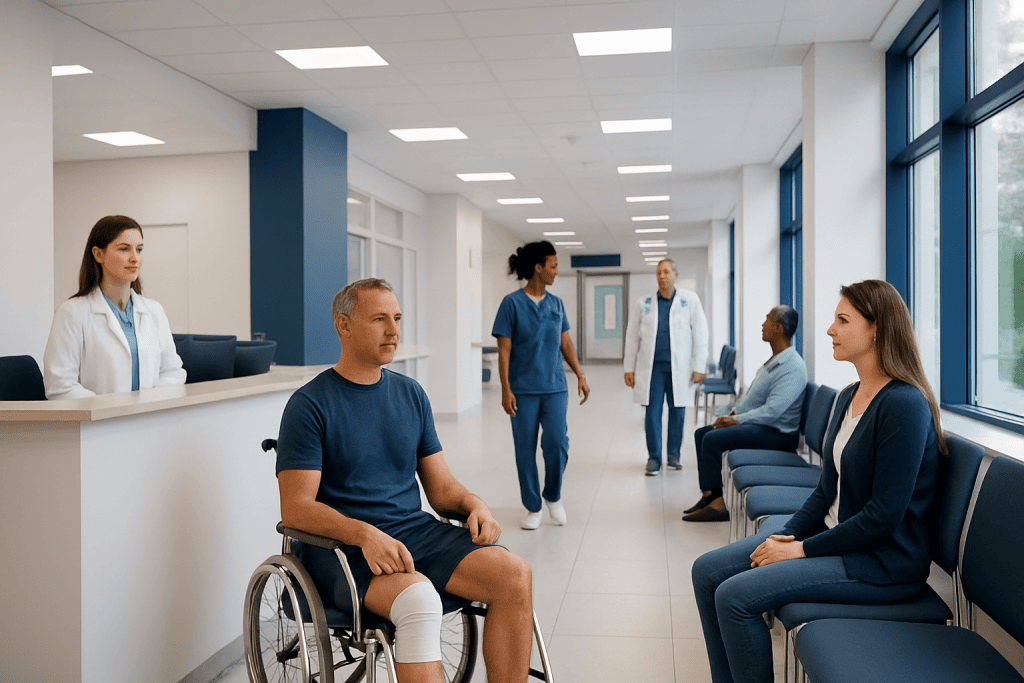
An ACL tear often happens during sudden stops, pivots, landings, or direct contact in sports. Typical symptoms include a popping sensation, rapid swelling, pain, limited movement, and knee instability.
Key Takeaways
- An ACL tear often happens during sudden stops, pivots, landings, or direct contact in sports.
- Typical symptoms include a popping sensation, rapid swelling, pain, limited movement, and knee instability.
- Diagnosis is based on medical history, physical examination, and often MRI to confirm the injury and check for associated damage.
- Treatment may be non-surgical or surgical depending on activity goals, instability, age, associated injuries, and lifestyle needs.
- Rehabilitation is essential after both non-surgical care and ACL reconstruction, and return to sport should be based on functional recovery rather than time alone.
- Early assessment by an orthopedic or sports medicine specialist helps guide safe treatment and prevent further knee injury.
An ACL tear is a common knee injury that can cause pain, swelling, and a feeling that the knee may give way, especially during pivoting sports. With accurate diagnosis, individualized treatment, and structured rehabilitation, many people return to active daily life and sport safely.
Overview
The anterior cruciate ligament, commonly called the ACL, is one of the key stabilizing ligaments inside the knee. It helps control forward movement of the shin bone and rotational stability when the knee twists, pivots, or changes direction. An ACL tear means the ligament has been partially or completely disrupted, making the knee less stable during demanding activities.
ACL injuries are common in sports that involve cutting, jumping, landing, rapid deceleration, and pivoting, such as football, basketball, skiing, handball, tennis, and gymnastics. They can also occur during falls, road traffic accidents, or twisting injuries in everyday life. Some tears happen with a clear contact injury, while many occur without direct contact, often during a sudden change in movement.
Not every ACL tear requires surgery, but every suspected ACL injury deserves careful evaluation. The best treatment depends on the person’s age, activity level, sport goals, degree of instability, occupation, and whether other knee structures such as the meniscus, cartilage, or other ligaments are injured. The main goals are to restore knee function, reduce instability, protect the joint, and support a safe return to work, daily activities, and sports.
Symptoms of an ACL Tear
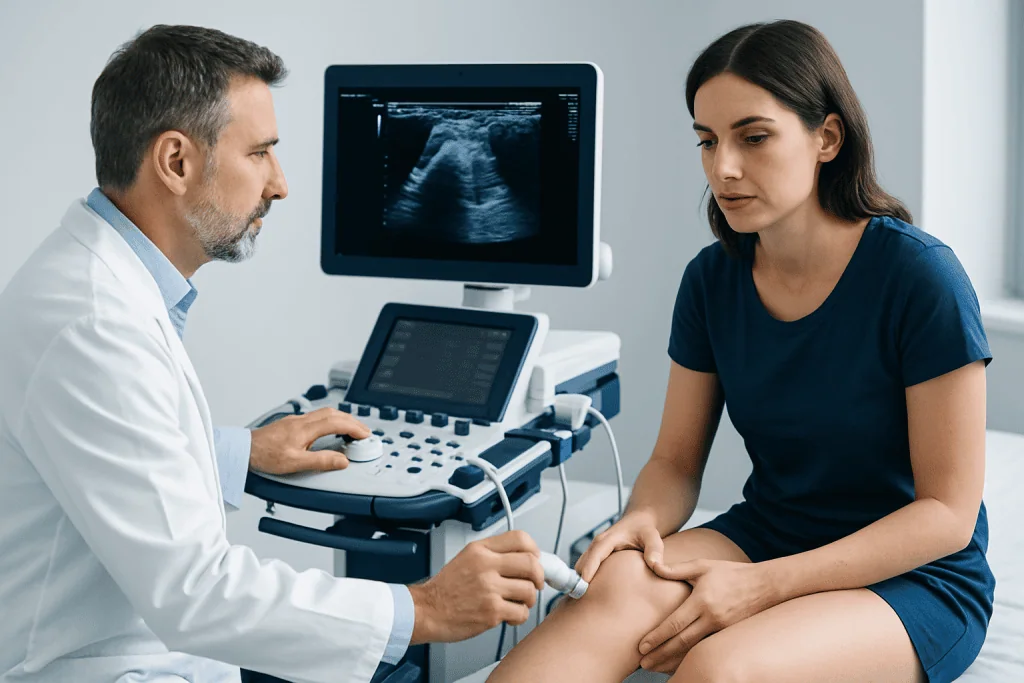
Many people remember the exact moment an ACL tear occurred. They may describe a sudden twist, an awkward landing, or a rapid stop followed by a feeling that the knee shifted out of place. A popping sound or sensation is common, although not everyone notices it. Pain may be immediate, and athletes often find they cannot continue playing.
Swelling usually develops within the first few hours because bleeding can occur inside the knee joint. The knee may feel tight, warm, or difficult to bend and straighten. Walking may be possible in some cases, but the knee can feel unreliable, especially on stairs, uneven ground, or when turning.
Common symptoms include:
- A sudden pop or tearing sensation at the time of injury
- Rapid swelling within hours
- Pain, especially with weight bearing or twisting
- Reduced range of motion or stiffness
- A feeling that the knee gives way, buckles, or cannot be trusted
- Difficulty returning to running, jumping, or pivoting sports
Symptoms can improve after the first days or weeks as pain and swelling settle, but the underlying instability may remain. This is why some people feel almost normal during straight-line walking yet experience repeated giving-way episodes during sport or sudden turns.
Causes and Risk Factors
An ACL tear can occur when the force through the knee exceeds what the ligament can tolerate. Non-contact injuries are especially common in sports and may happen when an athlete plants the foot, slows down, and changes direction quickly. A stiff or inward-collapsing landing after a jump can also place high strain on the ACL.
Contact injuries may occur when another player or object strikes the knee, forcing it into an abnormal position. ACL tears may be isolated, but they are often associated with other injuries. Meniscus tears, cartilage damage, bone bruising, and injuries to the medial collateral ligament or other structures may occur at the same time, affecting treatment and recovery.
Several factors can influence ACL injury risk. These may include lower-limb alignment, muscle strength and coordination, landing technique, fatigue, playing surface, footwear, previous knee injury, and the type of sport. Female athletes in some pivoting sports have been shown to have a higher risk of ACL injury, likely due to a combination of anatomy, biomechanics, neuromuscular control, and hormonal factors.
Risk does not mean an injury is inevitable. Neuromuscular training programs that focus on balance, strength, landing mechanics, and cutting technique can reduce the likelihood of ACL injuries, particularly in sports teams and young athletes. Coaches, physiotherapists, athletic trainers, and physicians all play a role in prevention and safe conditioning.
Diagnosis
Diagnosis begins with a detailed discussion of how the injury happened, what symptoms developed afterward, and whether there were previous knee problems. The doctor will ask about swelling, instability, ability to bear weight, sports participation, occupation, and activity goals. This information helps determine the likelihood of an ACL tear and whether other injuries may be present.
A physical examination assesses swelling, tenderness, range of motion, walking pattern, and knee stability. Specific tests, such as the Lachman test, anterior drawer test, or pivot shift test, may help evaluate ACL function. In the early stage, pain and swelling can make the examination more difficult, so reassessment after swelling improves may be needed.
Imaging often supports the diagnosis. X-rays do not show the ACL directly, but they can check for fractures, joint alignment, or bony avulsion injuries. Magnetic resonance imaging, or MRI, is commonly used to confirm an ACL tear and assess the meniscus, cartilage, bone bruising, and other ligaments. In selected cases, further evaluation may be needed if symptoms and imaging do not match.
A correct diagnosis is important because treatment decisions depend not only on whether the ACL is torn, but also on the entire knee condition. For example, a young athlete with a complete ACL tear and a repairable meniscus tear may need a different plan than a less active adult with an isolated partial tear and minimal instability.
Treatment Options
Treatment for an ACL tear is individualized. Initial care usually focuses on reducing pain and swelling, protecting the knee, restoring motion, and improving muscle activation. This may include relative rest, ice, compression, elevation, temporary use of crutches, and guided physiotherapy. Anti-inflammatory or pain-relieving medicines may be recommended by a doctor when appropriate, but they should be used safely and according to medical advice.
Non-surgical management may be suitable for some people, especially those with partial tears, low-demand activity goals, no significant giving-way episodes, or medical reasons to avoid surgery. A structured rehabilitation program can strengthen the quadriceps, hamstrings, hips, and core while improving balance and movement control. Some patients use a functional knee brace for certain activities, although bracing does not replace muscle control and rehabilitation.
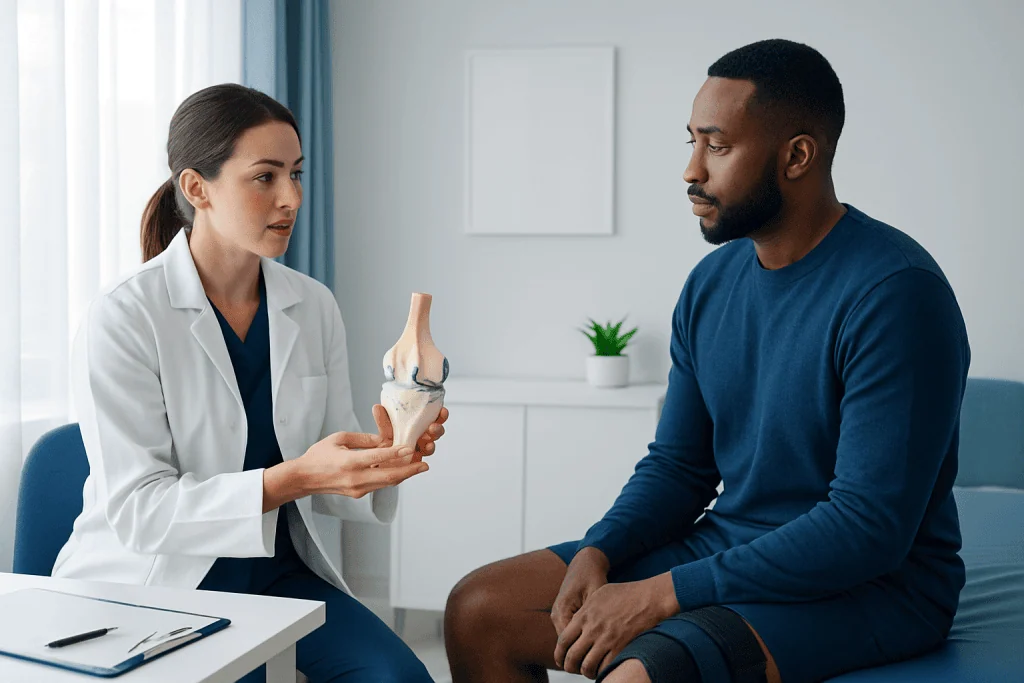
ACL reconstruction is often considered for people with ongoing knee instability, high-demand sports goals, physically demanding jobs, or associated injuries that need surgical care. In reconstruction, the torn ACL is replaced with a graft, which may be taken from the patient’s own tissue, such as hamstring tendon, patellar tendon, or quadriceps tendon, or from donor tissue in selected cases. The choice of graft depends on age, sport, anatomy, surgeon assessment, and patient-specific factors.
Surgery is usually performed arthroscopically through small incisions using a camera and specialized instruments. Meniscus or cartilage injuries may be treated during the same procedure when appropriate. As with any surgery, ACL reconstruction has possible risks, including stiffness, infection, blood clots, persistent pain, graft failure, or incomplete return to previous performance; however, careful surgical planning and rehabilitation help reduce risks and support recovery.
Rehabilitation and Return to Sports
Rehabilitation is central to recovery after an ACL tear, whether treatment is surgical or non-surgical. In the early phase, the goals are to reduce swelling, regain knee extension, improve bending, restore walking, and reactivate the quadriceps muscle. Progress is gradual and should be guided by symptoms, swelling, movement quality, and the advice of the treating team.
After ACL reconstruction, rehabilitation typically moves through phases. These include early mobility and swelling control, strength restoration, balance and coordination training, running preparation, sport-specific drills, and finally controlled return to practice and competition. The graft needs time to heal and adapt, and the muscles and nervous system need time to regain confidence and control.
Return to sports should not be based on the calendar alone. Although many athletes require several months before returning to pivoting sports, readiness is best judged through functional testing, strength comparison, movement quality, psychological confidence, absence of swelling, and medical clearance. Returning too soon may increase the risk of reinjury, while a well-planned program can help the athlete return more safely.
Sports-specific preparation is especially important for activities involving cutting, jumping, landing, contact, and rapid acceleration. Athletes may need to rebuild cardiovascular fitness, confidence, reaction speed, and technique. A gradual return often starts with individual drills, then non-contact training, controlled team practice, and finally full competition when the knee meets the required criteria.
Prevention and Self-care
Not all ACL tears can be prevented, but risk can be reduced. Prevention programs are most effective when practiced consistently and incorporated into warm-ups or training routines. They often include strength exercises, balance drills, agility work, jumping and landing technique, and coaching to avoid inward knee collapse during cutting and landing.
Good conditioning supports knee health. Strong hamstrings, quadriceps, gluteal muscles, and core muscles help control the knee during sudden movements. Flexibility, adequate recovery, proper footwear, and attention to fatigue are also important. Athletes should learn safe landing mechanics, such as landing softly with knees aligned over the feet and hips engaged.
After an ACL injury, self-care should be sensible and protective. A person should avoid returning to pivoting sports while the knee is swollen, painful, or unstable. Continuing to play on an unstable knee may increase the chance of meniscus or cartilage injury. Following the rehabilitation plan, attending follow-up appointments, and communicating setbacks to the care team are important parts of recovery.
Nutrition, sleep, and overall health also affect healing and performance. Patients should inform their doctor about smoking, diabetes, medications, or previous blood clot history, as these may influence surgical planning and recovery. A realistic, patient-centered plan helps maintain motivation during a rehabilitation process that can feel long but is often very rewarding.
When to See a Doctor
A person should seek medical assessment after a knee injury if there is rapid swelling, a popping sensation, difficulty walking, inability to fully straighten or bend the knee, or a feeling that the knee gives way. Prompt evaluation is especially important for athletes, physically active people, and anyone whose work requires kneeling, climbing, lifting, or sudden movement.
Urgent care is needed if the knee looks deformed, there is severe pain, the foot becomes numb or cold, weight bearing is impossible, or there are signs of a fracture or major injury. Even when symptoms seem to improve, repeated instability should not be ignored because it may indicate that the knee is not adequately protected during movement.
An orthopedic or sports medicine specialist can review the injury, arrange imaging when needed, and discuss treatment options based on the patient’s goals. For international patients, Acibadem International’s multidisciplinary specialists and JCI-accredited hospitals diagnose and treat ACL injuries, including rehabilitation planning and surgical care when appropriate.
Medical advice should always be personalized. The right plan for an ACL tear depends on the full clinical picture, including the patient’s age, activity level, associated injuries, expectations, and overall health. With timely diagnosis and a structured recovery plan, many people regain stable knee function and return confidently to the activities they value.
Frequently asked questions
Can an ACL tear heal without surgery?
A completely torn ACL usually does not heal back to normal strength on its own. However, some people can manage well without surgery if they have low instability, lower-demand activity goals, and complete a structured rehabilitation program. A specialist can help decide whether non-surgical care is suitable.
How is an ACL tear different from a knee sprain?
A knee sprain means a ligament has been stretched or torn, and an ACL tear is one specific type of knee sprain involving the anterior cruciate ligament. ACL tears are important because they can affect rotational stability and may cause the knee to give way during pivoting movements. Examination and MRI may be needed to confirm the diagnosis.
Is ACL reconstruction always necessary for athletes?
Not always, but ACL reconstruction is commonly recommended for athletes who want to return to pivoting or cutting sports and have a complete tear with instability. The decision also depends on associated meniscus or cartilage injuries, age, sport level, and personal goals. Rehabilitation is necessary whether or not surgery is performed.
How long does it take to return to sports after ACL reconstruction?
Return to sport varies from person to person and should be based on strength, movement control, knee stability, confidence, and medical clearance rather than time alone. Many athletes require several months of progressive rehabilitation before returning to pivoting sports. Rushing the process may increase the risk of reinjury.
What happens if someone keeps playing with an unstable ACL tear?
Playing with an unstable knee can lead to repeated giving-way episodes. These episodes may increase the risk of meniscus tears or cartilage damage, which can affect long-term knee health. A doctor or physiotherapist can advise when activity is safe and what level of protection is needed.
Will the knee be the same after an ACL tear?
Many people regain strong function and return to active lifestyles after appropriate treatment and rehabilitation. Some may notice changes in confidence, performance, or knee comfort, especially in high-demand sports. Long-term success depends on injury severity, associated damage, rehabilitation quality, and safe return-to-sport decisions.
References
- American Academy of Orthopaedic Surgeons
- Mayo Clinic
- National Institute of Arthritis and Musculoskeletal and Skin Diseases
- British Orthopaedic Association
- International Olympic Committee
This article is for general information only and is not a substitute for professional medical advice. Please consult a qualified doctor about your individual situation.
Joint and spine care in Turkey — expert assessment & treatment
JCI-accredited · board-certified surgeons · reply within 24h
Add us as a Preferred Source to see more of our trusted health content across Google Search, AI Overviews and Discover.

Orthopedics & Spine
Care for bones, joints and the musculoskeletal system, including joint replacement, sports injuries and trauma.
125 specialists in this unitMore from the Health Library

Related Specialists

Prof. Dr. Mehmet Aytaç Yüksel
Gynecology & Obstetrics
Dr. Hicran Karaca Sönmezer
Anesthesiology
Dr. Belgin Utku
Pulmonology
Dr. Burcu Durmak İşman
Radiation Oncology