Pelvic Floor Rehabilitation: Incontinence, Pain, and Muscle Training

Pelvic floor rehabilitation can help with urinary leakage, urgency, pelvic pain, constipation, bowel leakage, and recovery after childbirth or pelvic surgery. Treatment is individualized because pelvic floor muscles may be weak, overactive, poorly coordinated, or painful.
Key Takeaways
- Pelvic floor rehabilitation can help with urinary leakage, urgency, pelvic pain, constipation, bowel leakage, and recovery after childbirth or pelvic surgery.
- Treatment is individualized because pelvic floor muscles may be weak, overactive, poorly coordinated, or painful.
- Kegel exercises can be helpful for some people, but they are not suitable for every pelvic floor problem without proper assessment.
- A trained pelvic floor physiotherapist or rehabilitation specialist may use exercise training, relaxation techniques, biofeedback, manual therapy, and bladder or bowel retraining.
- People should seek medical evaluation for new, persistent, painful, or worsening pelvic symptoms, especially if symptoms affect daily life.
Pelvic floor rehabilitation is a specialized form of therapy that helps people improve bladder, bowel, sexual, and pelvic muscle function. It combines education, guided exercises, manual therapy, and lifestyle strategies tailored to each person’s symptoms and goals.
Overview
Pelvic floor rehabilitation is a specialized rehabilitation approach focused on the muscles, ligaments, nerves, and connective tissues that support the bladder, bowel, uterus or prostate, and rectum. These muscles help control urination and bowel movements, support pelvic organs, contribute to sexual function, and assist with core stability. When they do not contract, relax, or coordinate well, a person may experience leakage, urgency, pain, constipation, or a feeling of heaviness in the pelvis.
The pelvic floor can be affected by childbirth, aging, hormonal changes, surgery, chronic constipation, persistent coughing, heavy lifting, high-impact exercise, prostate treatment, neurological conditions, or long-term pain. Importantly, pelvic floor problems do not only occur in women. Men can also develop urinary incontinence, pelvic pain, erectile or ejaculation-related discomfort, and bowel symptoms related to pelvic floor dysfunction.
Rehabilitation is not a one-size-fits-all program. Some people need strengthening, while others need relaxation, pain management, coordination training, or a combination of these. A proper assessment helps identify whether the muscles are weak, tense, overactive, underactive, poorly coordinated, or sensitive. This makes treatment safer and more effective than trying exercises at random.
Conditions Pelvic Floor Rehabilitation Can Help
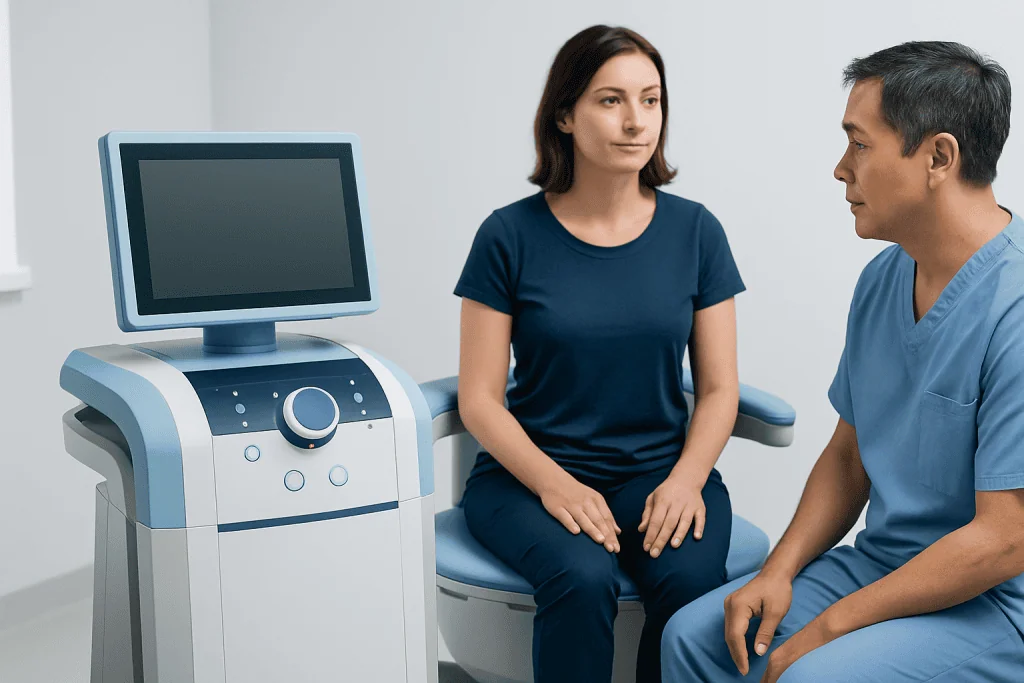
Pelvic floor rehabilitation is commonly used for urinary incontinence, including stress incontinence, which is leakage during coughing, sneezing, laughing, running, or lifting. It may also help urge incontinence, where a sudden strong need to urinate is difficult to control. Some people experience both types, known as mixed incontinence. Rehabilitation can also support recovery after childbirth, gynecologic surgery, prostate surgery, or other pelvic procedures.
Pelvic floor therapy may also be recommended for pelvic pain conditions. These can include pain in the lower abdomen, genital area, rectum, tailbone, hips, or lower back that is related to pelvic muscle tension or nerve sensitivity. Pain with sexual activity, difficulty using tampons, vulvar or vaginal pain, chronic prostatitis-like symptoms, and painful bowel movements can sometimes be associated with pelvic floor dysfunction.
Bowel-related symptoms may also improve with targeted rehabilitation. These include constipation caused by difficulty relaxing the pelvic floor during bowel movements, fecal urgency, gas leakage, or bowel incontinence. In some people, pelvic organ prolapse symptoms, such as pelvic pressure or a bulging sensation, can be managed with muscle training, posture and pressure-management strategies, and lifestyle guidance.
- Urinary leakage or urgency
- Pelvic, genital, rectal, or tailbone pain
- Constipation or difficulty emptying the bowel
- Bowel leakage or urgency
- Recovery after childbirth, prostate surgery, or pelvic surgery
- Pelvic organ support symptoms, such as heaviness or pressure
Symptoms of Pelvic Floor Dysfunction
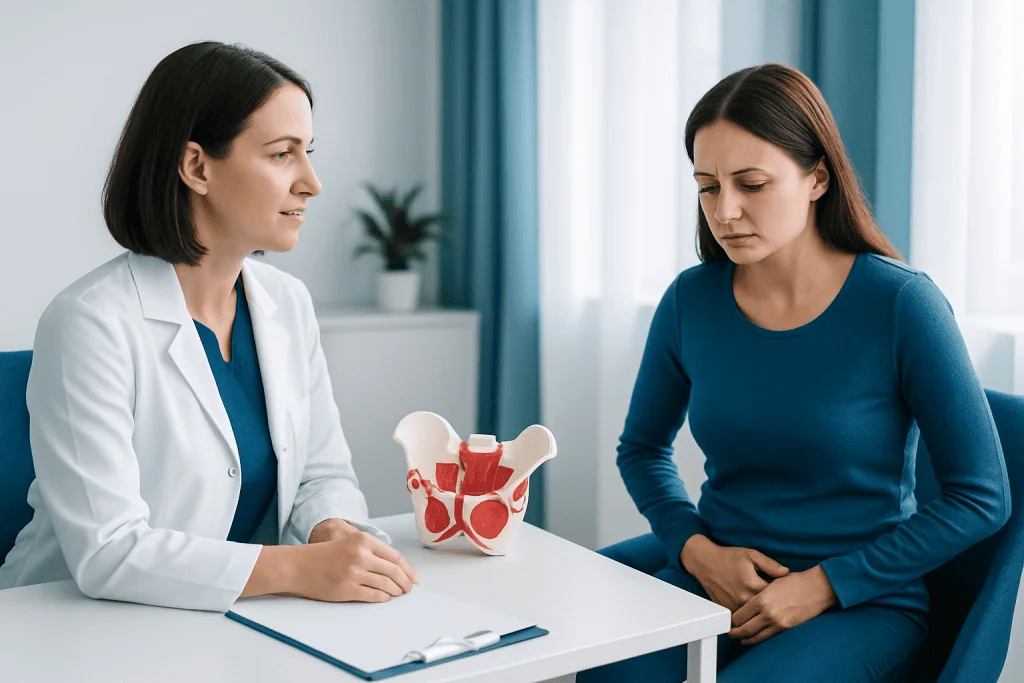
Symptoms vary because the pelvic floor is involved in several body functions. A person may notice urinary leakage, frequent urination, waking at night to pass urine, or a sudden urge that is hard to delay. Others may feel they cannot fully empty the bladder or may strain to urinate. These symptoms can affect confidence, sleep, work, exercise, and social activities, but they are common reasons to seek assessment and treatment.
Pelvic floor dysfunction can also appear as bowel symptoms. Some people strain, feel blocked, or need repeated attempts to complete a bowel movement. Others may have difficulty controlling gas or stool. Because bowel habits are influenced by diet, hydration, medications, physical activity, and medical conditions, rehabilitation often works best when combined with broader medical evaluation and practical bowel-care advice.
Pain-related symptoms can be more complex. A person may feel burning, aching, pressure, tightness, or spasms in the pelvis, perineum, vagina, penis, testicles, rectum, or lower abdomen. Pain may worsen with sitting, sexual activity, urination, bowel movements, or physical activity. In some cases, pelvic floor muscles become protective and tense in response to injury, inflammation, stress, or previous pain, which can create a cycle of discomfort and muscle guarding.
Causes and Risk Factors
Pelvic floor dysfunction usually develops from a combination of factors rather than a single cause. Pregnancy and vaginal childbirth can stretch or strain pelvic tissues, although cesarean birth does not fully prevent pelvic floor symptoms because pregnancy itself changes pressure and support. Menopause may also contribute because lower estrogen levels can affect tissues of the urinary and genital tract. Aging can reduce muscle strength and tissue elasticity, but pelvic symptoms should not be dismissed as an unavoidable part of getting older.
High pressure inside the abdomen can place repeated strain on the pelvic floor. This may occur with chronic coughing, constipation and straining, heavy lifting, obesity, or certain sports that involve jumping, sprinting, or intense bracing. Some people compensate by holding their breath or tightening their abdomen during effort, which may increase downward pressure on the pelvic organs.
Surgery and medical conditions can also play a role. Prostate surgery, hysterectomy, colorectal surgery, pelvic radiation, back or hip problems, and neurological conditions may affect pelvic floor strength, sensation, or coordination. Emotional stress, trauma history, and long-term pain may contribute to persistent muscle tension. A careful assessment considers the whole person, including symptoms, medical history, posture, movement, breathing patterns, and daily habits.
Diagnosis and Assessment
Pelvic floor rehabilitation begins with a detailed clinical assessment. The clinician asks about bladder and bowel habits, pain patterns, pregnancy or surgical history, sexual symptoms if relevant, medications, fluid intake, exercise, work demands, and daily routines. People may be asked to complete questionnaires or keep a bladder or bowel diary to understand frequency, urgency, leakage episodes, stool consistency, and triggers.
A physical examination may include posture, breathing, abdominal strength, hip and back movement, and signs of muscle guarding or weakness. When appropriate and with informed consent, an internal pelvic floor examination may be offered to assess muscle strength, relaxation, coordination, tenderness, and endurance. This examination may be vaginal or rectal depending on symptoms and anatomy. It should always be explained clearly, performed respectfully, and stopped at any time if the patient wishes.
Additional tests are not always needed, but a doctor may recommend them when symptoms are complex, new, severe, or not improving. These may include urine testing, ultrasound, urodynamic testing, pelvic imaging, anorectal testing, or referral to urology, gynecology, colorectal surgery, pain medicine, or neurology. The goal is to identify treatable medical causes and ensure that rehabilitation is matched to the diagnosis.
Treatment Options in Pelvic Floor Rehabilitation
Treatment is personalized. For weak or poorly coordinated muscles, pelvic floor muscle training may be used to improve strength, timing, endurance, and control. These exercises are sometimes called Kegel exercises, but effective training is more than simply squeezing. The person learns how to contract the correct muscles, relax them fully, breathe normally, and use the muscles at the right moment, such as before coughing or lifting.
For overactive, painful, or tense pelvic floor muscles, the first goal may be relaxation rather than strengthening. Therapy may include breathing exercises, gentle stretching, nervous system calming strategies, pain education, posture changes, and manual therapy. Manual techniques may be used externally or internally by trained clinicians to reduce muscle tenderness, improve mobility, and help the person learn how to release tension. Strengthening too early in these cases may worsen symptoms, which is why assessment matters.
Biofeedback can help some patients see or hear how their pelvic muscles are working. Sensors or surface electrodes may show whether the muscles are contracting or relaxing correctly. Electrical stimulation may be considered in selected cases to support muscle activation or reduce urgency, but it is not suitable for everyone. Bladder retraining, urge-control techniques, bowel retraining, toileting posture, fluid and caffeine guidance, and constipation management are often part of a complete plan.
- Pelvic floor muscle strengthening and coordination training
- Relaxation training for tight or painful muscles
- Biofeedback to improve awareness and control
- Manual therapy when clinically appropriate
- Bladder and bowel habit retraining
- Education on lifting, breathing, posture, and pressure management
Prevention, Self-Care, and Exercise Safety
Healthy pelvic floor habits can reduce strain and support long-term improvement. Managing constipation is especially important because repeated straining can overload pelvic tissues. Helpful strategies may include adequate fluids, fiber-rich foods, regular movement, responding to bowel urges, and using a relaxed toileting position with the feet supported. People with ongoing constipation should discuss it with a healthcare professional, particularly if symptoms are new or associated with bleeding, weight loss, or significant pain.
Breathing and pressure management are also important. Holding the breath during lifting or exercise can increase pressure on the pelvic floor. Many rehabilitation programs teach people to exhale during effort, avoid unnecessary gripping of the abdomen or buttocks, and build strength gradually. Low-impact exercise such as walking, swimming, cycling, yoga, or supervised strength training may be appropriate, depending on symptoms and personal health status.
At-home pelvic floor exercises should be performed carefully. A useful contraction often feels like gently lifting and closing the muscles around the urethra and anus, without strongly clenching the buttocks, thighs, or abdomen. However, people with pelvic pain, burning, painful intercourse, or a constant feeling of tightness should not assume that more Kegels are the answer. In these cases, relaxation-based therapy and professional guidance may be more suitable at first.
When to See a Doctor
A medical evaluation is recommended when bladder, bowel, pelvic pain, or sexual symptoms are new, persistent, worsening, or affecting quality of life. People should seek care if they experience urinary leakage that interferes with daily activities, frequent urgency, recurrent urinary tract symptoms, difficulty emptying the bladder, bowel leakage, constipation that does not improve with simple measures, or pelvic pressure that suggests possible prolapse.
Prompt medical attention is especially important for blood in the urine or stool, unexplained weight loss, fever, severe pelvic or abdominal pain, new numbness in the groin area, loss of bladder or bowel control after injury, or sudden difficulty passing urine. These symptoms can have causes beyond pelvic floor dysfunction and should be assessed by a qualified doctor.
Pelvic floor rehabilitation is most effective when it is part of a coordinated care plan. Depending on the situation, this may involve physiotherapists, rehabilitation physicians, urologists, gynecologists, colorectal specialists, pain specialists, psychologists, and dietitians. Acibadem International’s multidisciplinary specialists and JCI-accredited hospitals diagnose and treat pelvic floor disorders for international patients, with care planned according to each person’s medical needs and goals.
Frequently asked questions
Is pelvic floor rehabilitation only for women after childbirth?
No. Pelvic floor rehabilitation can help women, men, and people of different ages. It is used after childbirth, after prostate or pelvic surgery, and for symptoms such as leakage, urgency, constipation, pelvic pain, and muscle coordination problems.
Are Kegel exercises the same as pelvic floor rehabilitation?
Kegel exercises are one part of pelvic floor rehabilitation, but they are not the whole treatment. Some people need strengthening, while others need relaxation, coordination training, pain treatment, or bladder and bowel retraining. A professional assessment helps determine which approach is appropriate.
Can pelvic floor exercises make pain worse?
They can if the pelvic floor muscles are already tense, overactive, or painful. In that situation, repeated squeezing may increase discomfort. People with pelvic pain should be evaluated by a trained clinician before starting a strengthening program.
How long does pelvic floor rehabilitation take?
The timeline depends on the condition, symptom duration, medical history, and how consistently the person practices recommended strategies. Some people notice improvement within weeks, while others with long-term pain or complex symptoms may need a longer program. The care plan is usually adjusted as symptoms change.
What happens during the first pelvic floor therapy visit?
The first visit usually includes a detailed discussion of symptoms, medical history, bladder and bowel habits, lifestyle, and goals. A physical assessment may look at posture, breathing, movement, abdominal function, and pelvic floor control. An internal examination may be offered when appropriate, but it should always require informed consent.
Can pelvic floor rehabilitation help urinary leakage after prostate surgery?
Yes, many men are referred for pelvic floor rehabilitation before or after prostate surgery to improve urinary control. Therapy may focus on muscle awareness, correct contraction technique, timing, endurance, and bladder habits. A urologist and rehabilitation specialist can advise on the best timing and plan.
Is pelvic floor rehabilitation safe during pregnancy?
For many pregnant people, pelvic floor education and appropriate exercises are safe and helpful, but the program should be tailored to the pregnancy and any medical risks. Symptoms such as pelvic pain, heaviness, leakage, or constipation can often be addressed with gentle strategies. A doctor or qualified pelvic health physiotherapist should guide care, especially in high-risk pregnancies.
References
- International Continence Society
- American Urological Association
- American College of Obstetricians and Gynecologists
- National Institute for Health and Care Excellence
- World Health Organization
This article is for general information only and is not a substitute for professional medical advice. Please consult a qualified doctor about your individual situation.
Persistent digestive symptoms? Get evaluated in Turkey
JCI-accredited · board-certified surgeons · reply within 24h
Add us as a Preferred Source to see more of our trusted health content across Google Search, AI Overviews and Discover.