Occupational Therapy: Daily Living Skills and Adaptive Tools

Occupational therapy is a rehabilitation service that focuses on meaningful daily activities, not only exercises. Daily living skills include self-care, cooking, household tasks, mobility, communication, work and leisure activities.
Key Takeaways
- Occupational therapy is a rehabilitation service that focuses on meaningful daily activities, not only exercises.
- Daily living skills include self-care, cooking, household tasks, mobility, communication, work and leisure activities.
- Adaptive tools can reduce strain, improve safety and support independence for people with injury, illness, disability or age-related changes.
- An occupational therapist assesses the person, the task and the environment before recommending strategies or equipment.
- Therapy plans are individualized and may include skill training, home modifications, caregiver education and energy conservation.
- A qualified healthcare professional should be consulted when daily tasks become painful, unsafe or difficult to manage.
Occupational therapy helps people take part in everyday activities as safely and independently as possible. It focuses on practical skills, adapted routines and assistive tools that support daily life at home, school, work and in the community.
Overview: What Is Occupational Therapy?
Occupational therapy, often called OT, is a rehabilitation profession that helps people participate in the activities that matter in daily life. In this context, occupation does not mean only employment. It includes self-care, bathing, dressing, preparing meals, using transportation, managing school or work tasks, caring for family members, hobbies and community participation.
The goal of occupational therapy is to improve function, safety, confidence and quality of life. An occupational therapist looks at how a person performs a task, what physical or cognitive challenges may be present, and how the home, workplace or school environment can be adjusted. Therapy may involve practicing skills, learning new ways to complete tasks, using adaptive tools, modifying routines or training caregivers.
OT can be helpful after surgery, stroke, traumatic injury, burns, neurological disease, arthritis, chronic pain, developmental conditions, vision changes or age-related decline. It may also support people who are managing fatigue, memory difficulties, balance problems or reduced hand strength. The approach is practical and individualized, with the person’s own priorities at the center of the care plan.
Daily Living Skills Occupational Therapy Can Support
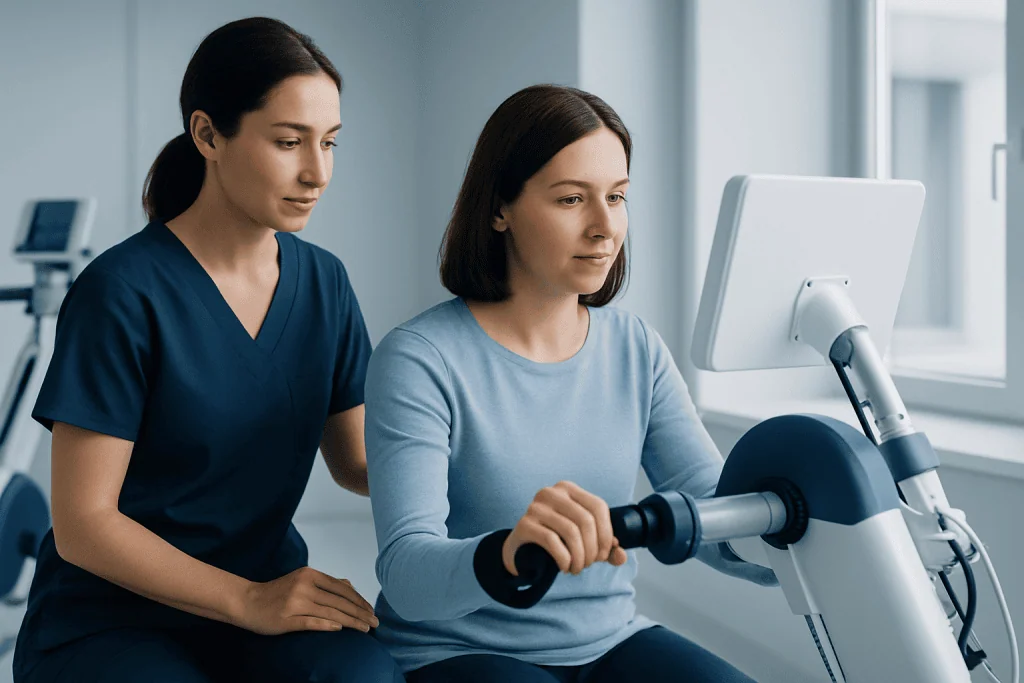
Daily living skills are often divided into basic and more complex activities. Basic activities of daily living include eating, bathing, grooming, dressing, toileting, transferring from one surface to another and moving safely within the home. These tasks may become difficult after illness, injury or surgery, or when a person has pain, weakness, stiffness, reduced coordination or changes in thinking skills.
More complex activities are sometimes called instrumental activities of daily living. These include preparing meals, shopping, using a phone or computer, managing medications, handling money, doing laundry, cleaning, driving or using public transportation. Occupational therapy may also address school participation, work tasks, childcare responsibilities, leisure activities and social participation.
An occupational therapist helps identify which parts of a task are difficult. For example, dressing may be limited by shoulder pain, reduced grip strength, poor balance, fatigue or difficulty planning the steps. The therapist then recommends targeted strategies, such as changing the order of the task, using one-handed techniques, choosing easier clothing fasteners, sitting for safety or adding an adaptive tool.
Who Can Benefit from Occupational Therapy?

Occupational therapy can benefit people of all ages, from children with developmental delays to adults recovering from surgery and older adults adapting to changes in mobility or memory. It is often part of a broader rehabilitation plan that may also include physical therapy, speech and language therapy, medical treatment, nursing care, psychology or social work support.
Adults may be referred to OT after stroke, spinal cord injury, joint replacement, hand injury, amputation, cardiac illness, cancer treatment or neurological conditions such as Parkinson’s disease or multiple sclerosis. People with arthritis, chronic pain, low vision, balance problems or fatigue may also benefit from practical strategies that make daily life easier and safer.
Children may work with occupational therapists to improve feeding, dressing, handwriting, play skills, sensory processing, school participation and self-regulation. Older adults may focus on fall prevention, home safety, memory supports, safe bathing, medication routines and maintaining independence. In every age group, the therapist considers the person’s goals, medical condition, family support and environment.
Assessment and Goal Setting
An occupational therapy assessment usually begins with a conversation about what the person wants or needs to do. The therapist may ask about the person’s medical history, daily routine, home setup, work or school demands, pain levels, fatigue, mood, cognition, vision, hand function and balance. The assessment may take place in a hospital, outpatient clinic, rehabilitation center, school, workplace or home.
The therapist may observe how the person performs specific tasks, such as getting out of bed, preparing a simple meal, using the bathroom or writing. Standardized assessments may be used to measure strength, coordination, range of motion, sensory function, thinking skills or independence in daily activities. When appropriate, family members or caregivers may be included to understand support needs and safety concerns.
Goals are set collaboratively and should be meaningful, realistic and measurable. A goal might be to dress independently using adaptive equipment, return to cooking simple meals safely, manage a work task with reduced strain or shower with less risk of falling. Progress is reviewed over time, and the plan may change as the person recovers, learns new strategies or faces new challenges.
Adaptive Tools and Assistive Equipment
Adaptive tools are devices that make daily tasks easier, safer or more comfortable. They do not replace rehabilitation or medical care, but they can reduce barriers and support independence. The most suitable tool depends on the person’s abilities, diagnosis, home environment and goals. A tool that helps one person may not be appropriate for another, so professional guidance is important, especially for mobility and bathroom equipment.
Common examples include reachers for picking up objects, long-handled shoehorns, sock aids, button hooks, elastic shoelaces, built-up handles, jar openers, adapted cutlery, non-slip mats, shower chairs, grab bars, raised toilet seats and medication organizers. For people with limited hand function, adaptive writing tools, voice-control technology, phone holders or switch-access devices may be useful. For low vision, high-contrast labels, magnifiers, better lighting and talking devices may support independence.
Occupational therapists also consider environmental modifications. These may include rearranging frequently used items to waist height, removing tripping hazards, improving lighting, adding railings, changing the layout of a bathroom or recommending a more supportive chair. The therapist may teach safe techniques for using each device, because equipment works best when it fits the person and is used correctly.
- For dressing: sock aids, dressing sticks, reachers and clothing with easier fasteners.
- For bathing: shower chairs, hand-held showerheads, non-slip surfaces and grab bars.
- For cooking: lightweight cookware, jar openers, rocker knives and stable cutting boards.
- For communication and cognition: calendars, alarms, pill organizers, reminder apps and labeling systems.
How Occupational Therapy Sessions Work
Occupational therapy sessions are usually active and practical. A therapist may guide the person through simulated or real-life tasks, such as transferring from a bed to a chair, practicing meal preparation, using adaptive dressing tools or planning a daily schedule. The therapist observes performance and gives feedback to improve safety, efficiency and confidence.
Therapy may include exercises, but these are linked to function. For example, hand strengthening may support opening containers, shoulder range-of-motion activities may support grooming, and balance training may support safe toileting or kitchen tasks. Cognitive strategies may be used for people who have memory, attention or planning difficulties, such as after a stroke, brain injury or neurological illness.
Education is an important part of OT. The therapist may teach energy conservation, joint protection, fall prevention, skin protection, proper body mechanics or how to pace activities during recovery. Caregivers may learn how to provide the right amount of assistance without taking over tasks unnecessarily. The aim is to support independence while maintaining safety and dignity.
Prevention, Self-Care and Home Safety
Many occupational therapy strategies can help prevent avoidable strain, falls and fatigue. At home, keeping walkways clear, securing loose rugs, improving lighting and placing essential items within easy reach can reduce risk. In the bathroom, where wet surfaces increase the chance of slips, professionally installed grab bars and suitable seating can be safer than relying on towel rails or unstable furniture.
Energy conservation can be useful for people with heart or lung conditions, cancer-related fatigue, neurological conditions, chronic pain or post-surgical recovery. Strategies include planning the day around energy levels, sitting for tasks when possible, taking rest breaks before becoming exhausted, using lightweight tools and dividing larger jobs into smaller steps. These approaches are not signs of weakness; they are practical ways to protect health and maintain participation.
Joint protection may help people with arthritis or hand pain. This can include using larger joints when possible, avoiding tight gripping, choosing tools with wide handles and alternating heavy tasks with lighter ones. People recovering from surgery or injury should follow the precautions given by their surgeon or rehabilitation team, because some movements or loads may need to be limited during healing.
When to See a Doctor or Occupational Therapist
A healthcare professional should be consulted when everyday tasks become painful, unsafe, unusually tiring or difficult to complete. It is also important to seek help after a new injury, surgery, stroke, fall, neurological symptoms, sudden weakness, significant memory changes or a decline in independence. Early assessment can often prevent small difficulties from becoming larger barriers.
A referral pathway depends on the country, healthcare system and medical condition. Some people are referred by a physician, surgeon, neurologist, pediatrician or rehabilitation specialist. Others may access occupational therapy through a hospital, rehabilitation center, school system, community service or private clinic. The therapist will coordinate with the wider medical team when needed.
International patients who need rehabilitation assessment or treatment can ask about services at centers with coordinated care teams. Acibadem International’s multidisciplinary specialists and JCI-accredited hospitals diagnose and treat a wide range of conditions that may require occupational therapy and rehabilitation support. Any decision about therapy, equipment or travel for care should be made with qualified clinicians who understand the person’s medical needs.
Frequently asked questions
What is the main purpose of occupational therapy?
The main purpose of occupational therapy is to help people participate in meaningful daily activities as safely and independently as possible. This may include self-care, home tasks, school, work, mobility, communication and leisure activities. The therapist adapts the task, environment or routine to match the person’s abilities and goals.
Is occupational therapy the same as physical therapy?
Occupational therapy and physical therapy often work together, but they are not the same. Physical therapy usually focuses on movement, strength, balance, walking and physical recovery. Occupational therapy focuses on using those abilities in everyday tasks, such as bathing, dressing, cooking, writing, working or managing the home.
Who decides which adaptive tools are needed?
An occupational therapist can assess which tools are appropriate based on the person’s condition, abilities, home environment and goals. Some simple tools may be easy to try, but bathroom equipment, mobility-related devices and major home modifications should be chosen with professional guidance. A poorly fitted device can be uncomfortable or unsafe.
Can occupational therapy help after a stroke?
Yes, occupational therapy is commonly included in stroke rehabilitation. It may help with arm and hand use, dressing, bathing, cooking, memory strategies, visual changes, home safety and return to daily roles. The therapy plan depends on the type of stroke, the person’s recovery stage and the goals set with the rehabilitation team.
How long does occupational therapy take?
The length of therapy varies widely. Some people need only a few sessions for equipment training or home safety advice, while others need longer rehabilitation after major illness, injury or surgery. Progress depends on the medical condition, healing, practice, support at home and the complexity of daily goals.
Are adaptive tools only for older adults?
No, adaptive tools can help people of many ages. Children, adults and older adults may use assistive devices after injury, surgery, developmental conditions, neurological illness, arthritis, vision changes or temporary restrictions. The purpose is to support independence, safety and participation, not to define a person by disability.
Can occupational therapy be done at home?
Occupational therapy can sometimes be provided at home, especially when home safety, bathing, transfers, kitchen tasks or caregiver training are key concerns. In other cases, therapy may take place in a hospital, outpatient clinic, rehabilitation center, school or workplace. The best setting depends on the person’s needs and local healthcare options.
References
- World Federation of Occupational Therapists
- American Occupational Therapy Association
- World Health Organization
- National Institute for Health and Care Excellence
- Centers for Disease Control and Prevention
This article is for general information only and is not a substitute for professional medical advice. Please consult a qualified doctor about your individual situation.
Explore treatments in Turkey — costs, top hospitals & a free quote
JCI-accredited · board-certified surgeons · reply within 24h
Add us as a Preferred Source to see more of our trusted health content across Google Search, AI Overviews and Discover.

More from the Health Library



Related Specialists

Prof. Dr. Yılmaz Büyükuncu
General Surgery
Dr. Murat Yildirim
Physical Medicine & Rehabilitation
Assoc. Prof. Dr. Bahar Özcabı
Pediatrics
Dilek Küçükvardar
Physical Medicine & Rehabilitation