Stress Management: Physical Symptoms and Healthy Coping Skills

Stress can cause physical symptoms such as headaches, muscle tension, stomach upset, sleep problems, chest tightness, and fatigue. Short-term stress is not always harmful, but chronic stress can strain physical and emotional health over time.
Key Takeaways
- Stress can cause physical symptoms such as headaches, muscle tension, stomach upset, sleep problems, chest tightness, and fatigue.
- Short-term stress is not always harmful, but chronic stress can strain physical and emotional health over time.
- Healthy coping skills include breathing exercises, regular movement, sleep routines, balanced meals, social support, and realistic planning.
- Unhelpful coping, such as relying on alcohol, overeating, smoking, or avoiding problems, may provide short relief but can worsen stress in the long term.
- A doctor or mental health professional should be consulted if stress symptoms are severe, persistent, or accompanied by concerning physical symptoms.
Stress is a normal human response to pressure, but ongoing stress can affect the body, mood, sleep, and daily functioning. Stress management combines practical coping skills, healthy routines, and timely professional support when symptoms persist or interfere with life.
Overview
Stress is the body’s natural response to a demand, challenge, or perceived threat. It can arise from work, studies, caregiving, financial pressure, health concerns, relationship difficulties, major life changes, or even positive events that require adjustment. In small amounts, stress can help a person focus and respond quickly. When stress is frequent, intense, or long lasting, however, it may begin to affect wellbeing.
Stress management means recognizing stress signals and using healthy strategies to reduce the strain on the body and mind. It does not require eliminating every source of pressure, which is often unrealistic. Instead, it involves building daily habits and problem-solving skills that make stress more manageable.
People experience stress differently. Some notice emotional changes, such as irritability or worry, while others mainly notice physical symptoms, such as headaches or stomach discomfort. Understanding these signals can help a person take action earlier and seek support when needed.
How Stress Affects the Body
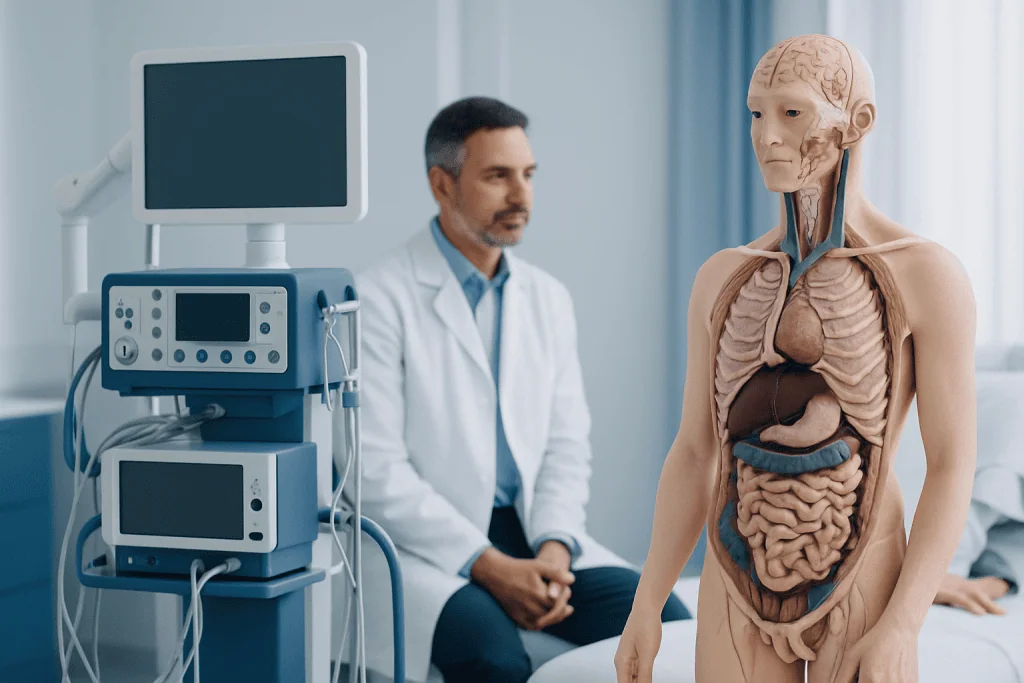
When a person feels under pressure, the nervous system activates the “fight-or-flight” response. Stress hormones such as adrenaline and cortisol help the body prepare for action by increasing alertness, breathing rate, heart rate, and muscle readiness. This response is helpful in short bursts, but the body needs time to return to a calmer state afterward.
If stress continues without enough recovery, the body may remain in a heightened state. Over time, this can contribute to sleep disruption, muscle tension, changes in appetite, digestive discomfort, and fatigue. People with existing conditions, such as high blood pressure, migraine, irritable bowel syndrome, asthma, diabetes, or anxiety disorders, may notice that symptoms flare during stressful periods.
Stress can also influence behavior. A person may skip meals, reduce exercise, sleep less, withdraw from others, or rely on quick comfort habits. These responses are understandable, but they may make stress harder to manage if they become routine.
Physical Symptoms of Stress
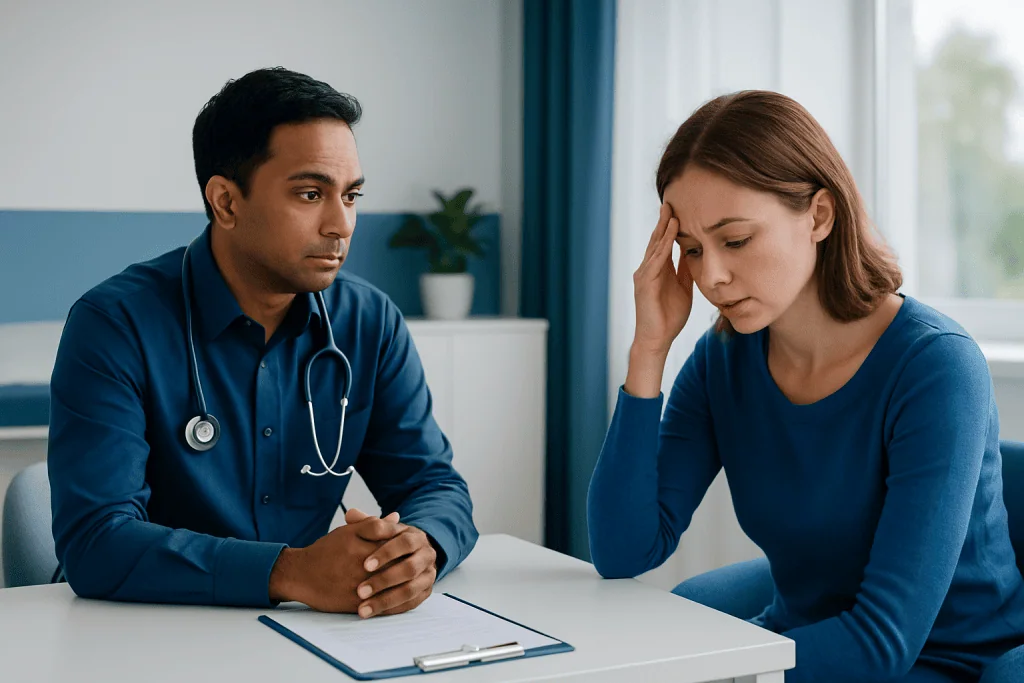
The physical symptoms of stress can vary from mild and temporary to more persistent. Common symptoms include headaches, jaw clenching, neck or shoulder tension, back pain, tiredness, dizziness, stomach upset, nausea, diarrhea or constipation, sweating, trembling, and changes in appetite. Some people also experience a racing heartbeat, chest tightness, shortness of breath, or a feeling of being “on edge.”
Sleep is often affected. A stressed person may have trouble falling asleep, wake during the night, sleep restlessly, or feel unrefreshed in the morning. Poor sleep can then increase sensitivity to stress the next day, creating a cycle that is difficult to break without deliberate changes.
Stress can also affect concentration, memory, and decision-making. A person may become forgetful, make more mistakes, feel impatient, or struggle to complete tasks. These symptoms do not mean someone is weak; they are common signs that the body and mind need support and recovery.
- Seek urgent medical care for severe chest pain, fainting, sudden weakness, trouble breathing, confusion, or symptoms that could suggest a medical emergency.
- For ongoing but non-urgent symptoms, a doctor can help check whether stress, a medical condition, medication effects, or several factors are involved.
Common Causes and Risk Factors
Stress can be triggered by a single event or by many smaller pressures that accumulate. Common causes include heavy workloads, academic demands, caregiving responsibilities, unemployment, financial strain, conflict, bereavement, moving, illness, trauma, discrimination, or uncertainty about the future. Digital overload and constant availability through phones and email can also make it harder to rest.
Some people are more vulnerable to stress because of personal circumstances or health history. Risk factors may include limited social support, previous trauma, chronic illness, sleep deprivation, perfectionism, high self-expectations, shift work, substance use, or lack of time for recovery. People who feel they have little control over their situation may also experience stress more intensely.
Stress is not always caused by negative events. Planning a wedding, starting a new job, having a child, traveling, or moving to a new country can be meaningful and positive while still placing demands on the body and mind. Recognizing this helps people approach stress with self-compassion rather than blame.
Healthy Coping Skills for Stress Management
Healthy coping skills help the body shift from a high-alert state toward recovery. Slow breathing is one simple technique. A person can inhale gently through the nose, pause briefly, and exhale slowly for a longer count. Repeating this for a few minutes may reduce physical tension and create space to think more clearly.
Regular movement is another helpful stress management tool. Walking, stretching, swimming, cycling, dancing, yoga, or other enjoyable activities can support mood, sleep, and energy. The best form of exercise is usually one that is safe, realistic, and sustainable. People with medical conditions or who have been inactive for a long time should ask a healthcare professional how to begin safely.
Practical coping also includes organizing demands. Breaking large tasks into smaller steps, writing a priority list, setting boundaries, and allowing short breaks can reduce overwhelm. It may help to separate what can be controlled from what cannot be controlled, then focus energy on the next useful action.
- Use brief relaxation breaks during the day, even for two to five minutes.
- Talk with a trusted friend, family member, counselor, or support group.
- Limit excessive caffeine, alcohol, nicotine, and recreational substances, which can worsen anxiety or sleep problems.
- Choose calming routines such as reading, prayer, meditation, music, time in nature, or journaling.
Lifestyle Habits That Build Resilience
Resilience does not mean never feeling stressed. It means having habits and support systems that help a person recover. Sleep is a key part of resilience. A consistent sleep schedule, a calm evening routine, reduced screen use before bedtime, and a comfortable sleep environment can improve the body’s ability to manage daily pressure.
Nutrition also matters. Regular meals with a balance of vegetables, fruits, whole grains, protein, and healthy fats help maintain energy and concentration. During stressful times, some people lose their appetite while others overeat or crave sugary foods. A flexible, non-judgmental approach is usually more helpful than strict rules.
Social connection is protective. Spending time with supportive people, asking for help, and sharing responsibilities can reduce the feeling of carrying stress alone. For some people, cultural, spiritual, or community connections are an important source of comfort and meaning.
It is also useful to notice unhelpful coping patterns. Avoiding every difficult conversation, working without rest, doomscrolling, emotional spending, or using substances to relax may temporarily distract from stress but can create additional problems. Replacing one unhelpful habit at a time with a healthier option is a realistic way to make progress.
When to See a Doctor or Mental Health Professional
A person should consider professional support when stress symptoms last for several weeks, interfere with work or relationships, disturb sleep most nights, or cause ongoing physical discomfort. A primary care doctor can evaluate symptoms, review medical history, and check for conditions that may mimic or worsen stress, such as thyroid disease, anemia, heart rhythm problems, chronic pain, or medication side effects.
Mental health support can be especially helpful when stress is linked with persistent worry, panic attacks, low mood, irritability, trauma symptoms, burnout, or difficulty functioning. Evidence-based therapies, such as cognitive behavioral therapy and other structured approaches, can teach practical skills for managing thoughts, emotions, and behaviors. Medication may be considered in some cases, but this decision should be made with a qualified clinician.
Immediate help is important if a person has thoughts of self-harm, feels unsafe, or is unable to cope. In such situations, they should contact local emergency services, a crisis line, or a trusted person who can stay with them while help is arranged.
For international patients who need assessment and care, Acibadem International’s multidisciplinary specialists and JCI-accredited hospitals diagnose and treat stress-related physical and mental health concerns. Care plans are individualized and may involve primary care, cardiology, neurology, gastroenterology, psychiatry, psychology, rehabilitation, or lifestyle counseling when appropriate.
Frequently asked questions
Can stress really cause physical symptoms?
Yes. Stress activates the nervous system and hormone pathways that affect heart rate, breathing, muscles, digestion, and sleep. This can lead to symptoms such as headaches, muscle tension, stomach upset, fatigue, and palpitations. A doctor should evaluate persistent or concerning symptoms to rule out medical causes.
What is the difference between normal stress and chronic stress?
Normal stress is usually temporary and improves when the situation passes or the person has time to recover. Chronic stress continues for a long period or returns so often that the body has little chance to rest. Chronic stress can affect mood, sleep, concentration, relationships, and physical health.
What is the fastest healthy way to calm stress?
A simple first step is to slow the breath and relax the body. Try taking slow breaths with a longer exhale, unclenching the jaw, lowering the shoulders, and placing both feet on the floor. This does not solve every problem, but it can reduce the body’s stress response enough to choose the next helpful action.
Does exercise help with stress management?
Regular physical activity can support stress management by improving mood, sleep quality, energy, and muscle tension. Walking, stretching, swimming, yoga, or cycling can all be helpful if they are safe and enjoyable. People with health conditions should ask a healthcare professional what level of activity is appropriate.
Are stress and anxiety the same thing?
They are related but not identical. Stress is often a response to an external pressure, while anxiety may continue even when the immediate stressor is not present. Both can cause physical symptoms, and both can improve with healthy coping skills and professional support when needed.
When should someone seek medical help for stress symptoms?
Medical help is recommended if symptoms are intense, persistent, or affecting daily life, sleep, work, or relationships. Urgent care is needed for severe chest pain, fainting, sudden weakness, severe shortness of breath, confusion, or thoughts of self-harm. It is always appropriate to ask a qualified doctor for guidance when symptoms are unclear.
References
- World Health Organization
- American Psychological Association
- Centers for Disease Control and Prevention
- National Institute of Mental Health
- National Health Service
This article is for general information only and is not a substitute for professional medical advice. Please consult a qualified doctor about your individual situation.
Explore treatments in Turkey — costs, top hospitals & a free quote
JCI-accredited · board-certified surgeons · reply within 24h
Add us as a Preferred Source to see more of our trusted health content across Google Search, AI Overviews and Discover.
Check your numbers in seconds
BMI, calories, due date, blood pressure and 30+ more clinical calculators — free, instant, doctor-reviewed ranges.