

Medicine Side Effects During Hotel Recovery in Turkey

Medicine side effects during hotel recovery in Turkey are usually managed by reviewing your medications, assessing the severity of symptoms, and adjusting treatment or arranging medical evaluation when needed. At Acibadem, patients recovering after treatment receive guidance on common medication reactions, warning signs that need prompt attention, and how to access follow-up support while staying in a hotel.
Recovering in a hotel after treatment can feel comfortable and private, but medication side effects can be worrying when you are away from home. This guide helps you track symptoms, know when to call your care team, and prepare for safe medication use during your stay in Turkey.
At a glance
- Best first step: Use the medication plan given by your hospital team and keep it with you.
- Do not do this: Do not stop, double, or mix medicines without medical advice.
- Common issues: Nausea, sleepiness, constipation, dizziness, mild swelling, or stomach upset.
- Urgent signs: Breathing trouble, chest pain, fainting, severe allergy signs, heavy bleeding, or confusion.
- Who can help: Your hospital care team, international patient coordinators, interpreters, and emergency services.
Why medicine side effects can feel different during hotel recovery
When you recover in a hotel in Turkey, you may be feeling well enough to leave the hospital but not yet fully back to your normal routine. Your body may still be clearing anesthesia, adjusting to pain medicine, antibiotics, stomach protectors, blood thinners, or other prescriptions. Normal travel factors such as jet lag, different foods, less movement, and interrupted sleep can make mild side effects feel more noticeable.
It is also common to feel more alert to every symptom because you are not at home. A dry mouth, light nausea, constipation, or drowsiness may be expected with certain medicines, but the same symptoms can feel alarming when you are in a hotel room. The safest approach is not to guess, but to use the written discharge instructions and contact your care team early if something feels unusual.
If you are recovering with Acibadem International, your discharge plan may include medication instructions, follow-up timing, warning signs, and contact points for international patient support. Keep these details accessible, not packed deep in a suitcase, so you and your companion can act quickly if you have questions.
Common side effects and what you can do safely
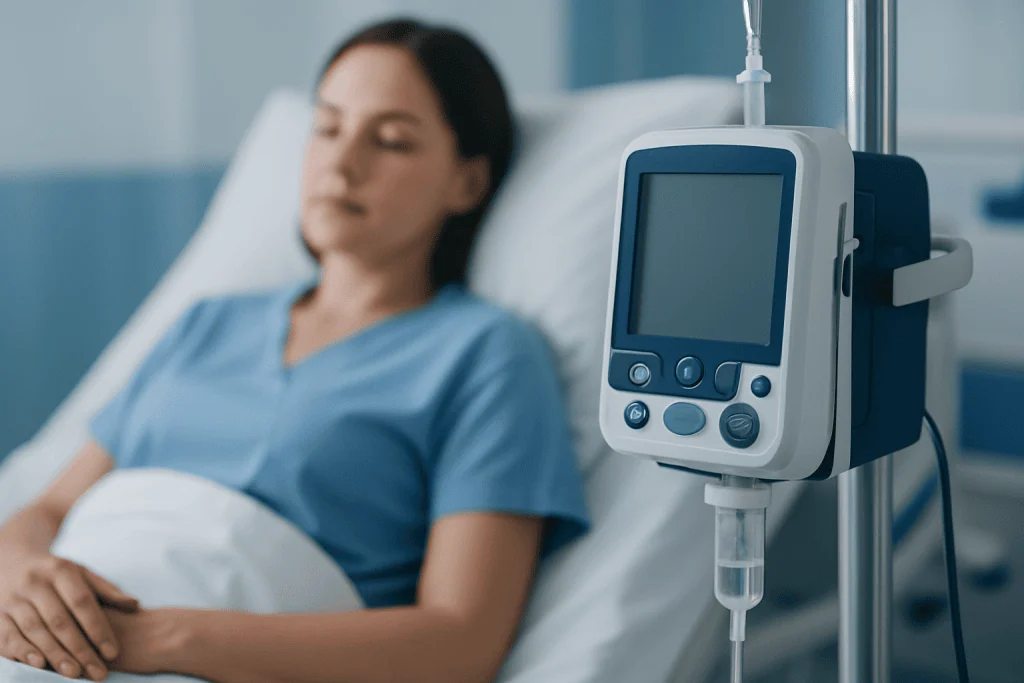
Many post-treatment medicines can cause temporary side effects. Pain medicines may cause sleepiness, nausea, constipation, or lightheadedness. Antibiotics can cause stomach upset or a change in taste. Anti-inflammatory medicines may irritate the stomach in some patients, while blood-thinning medicines may increase bruising or bleeding risk. These examples are general; your personal risk depends on your diagnosis, treatment, allergies, age, kidney or liver function, and other medicines you take.
Simple hotel-based habits can often make recovery smoother. Take medicines exactly as instructed, including whether they should be taken with food or on an empty stomach. Drink water unless you were told to restrict fluids, eat light meals if your stomach is sensitive, and move gently as recommended to reduce stiffness and constipation. Avoid alcohol unless your doctor has clearly said it is safe, because it can interact with pain medicine, antibiotics, sleeping tablets, and many other drugs.
- For nausea: try small, bland meals and ask your care team before taking anti-nausea medicine.
- For constipation: increase fluids, walk gently if allowed, and use only approved stool softeners or laxatives.
- For dizziness: sit up slowly, avoid rushing to the bathroom, and ask for help when walking.
- For sleepiness: do not drive, sign important documents, drink alcohol, or take extra sedatives.
When to contact your care team and when it is urgent

You should contact your hospital or care coordinator if a side effect is new, worsening, or preventing you from eating, drinking, sleeping, walking, or taking your medicines. You should also call if you vomit soon after taking an important dose, miss a dose and are unsure what to do, develop diarrhea while taking antibiotics, notice a rash, or feel that pain is not controlled by the plan you were given.
Some symptoms need urgent medical help rather than waiting. Seek immediate assistance for breathing difficulty, swelling of the lips or face, widespread hives, chest pain, fainting, severe confusion, one-sided weakness, severe headache, heavy bleeding, black stools, repeated vomiting, high fever, or rapidly increasing pain or swelling. If you are alone, contact hotel reception and your care team at the same time so someone can physically assist you.
Do not try to solve serious symptoms by taking extra doses, mixing medicines from home, or asking a local pharmacy to guess what you need. In Turkey, pharmacies can be very helpful, but your post-treatment situation may be complex. Your treating team has the full context of your procedure, lab results, allergies, and recovery plan.
How to organize medicines in your hotel room
A clear medication setup reduces anxiety and prevents missed or double doses. Place your medicines in one safe, clean, visible location away from direct sunlight, heat, children, and visitors. Keep original packaging and labels whenever possible, because names, strengths, and instructions matter if you need help from a doctor, nurse, pharmacist, or interpreter.
Use a simple written schedule based on your discharge instructions. Include the medicine name, dose, time, whether it is taken with food, and the reason you are taking it if this was explained to you. If your home medicines continue alongside new prescriptions, make sure you know which ones were stopped temporarily and which must continue. This is especially important for blood pressure medicines, diabetes medicines, blood thinners, heart medicines, and hormone treatments.
If you are supported by Acibadem International patient services, ask for clarification before leaving the hospital if any instruction is unclear. Interpreters can help you understand timing, food restrictions, and warning signs. A companion can also set phone alarms and tick off each dose, which is especially useful during the first nights after discharge.
Food, hydration, alcohol, and everyday hotel choices
Hotel recovery often includes room service, restaurant meals, and unfamiliar foods. Choose simple meals at first, especially if you have nausea, reflux, constipation, or diarrhea. Soups, yogurt if tolerated, rice, toast, eggs, vegetables, lean protein, and plenty of water may be easier than heavy, spicy, or fried meals. If your doctor gave a specific diet, such as low-salt, diabetic, soft food, or high-protein guidance, follow that instead.
Alcohol is best avoided unless your doctor specifically confirms it is safe for you. Alcohol can increase sleepiness, raise bleeding risk with some medicines, worsen dehydration, irritate the stomach, and interfere with antibiotics or pain medicines. Herbal teas, supplements, and over-the-counter cold or sleep remedies can also interact with prescriptions, so ask before using them.
Small practical choices can prevent side effects from becoming bigger problems. Keep water and a light snack near your bed if your medicine must be taken early. Stand up slowly after resting. Use the lift instead of stairs if you feel weak. If you have dizziness or urgent bathroom trips, keep the path to the bathroom well lit and free of luggage.
Getting help in Turkey without language stress
If you feel unwell in your hotel, it helps to know your support route before you need it. Keep your hospital contact number, international patient coordinator details, hotel address, room number, and passport information in one place. If you do not speak Turkish, ask your coordinator or hotel reception how to request urgent assistance and how interpretation will be handled.
Acibadem International commonly supports international patients with coordination between hospital teams, interpreters, appointments, and practical travel questions. This support is especially valuable if a medicine needs to be reviewed, replaced, or stopped safely. Rather than visiting multiple places on your own, contact the team connected to your treatment plan so they can guide you to the right next step.
If you need emergency care, do not delay because of language concerns. Hotel staff can help call emergency services or arrange transport, and your hospital documents can explain your recent treatment. Carry your discharge summary, medication list, allergy list, and treating hospital contact details whenever you leave the hotel.
Step by step
- Review your discharge medication plan before leaving the hospital. Ask what each medicine is for, when to take it, and which side effects should be reported. Confirm whether you should continue or pause your usual home medicines, including vitamins and supplements.
- Set up a safe medication station in your hotel room. Keep all medicines together in original packaging, away from heat and moisture. Place the written schedule beside them and use phone alarms for dose times.
- Track symptoms instead of relying on memory. Write down when a symptom started, what medicine you took, your temperature if relevant, and whether food or movement made it better or worse. This helps your care team decide what is normal, what needs adjustment, and what needs urgent review.
- Call early for unclear or worsening side effects. If you are unsure whether a symptom is expected, contact your care team or international patient coordinator. Calling early is safer than skipping doses, adding medicines, or waiting until you feel very unwell.
- Use hotel support when you feel weak or unsafe. If you are dizzy, faint, short of breath, or confused, do not try to manage alone. Contact your companion, hotel reception, and your medical contact so someone can stay with you and arrange help.
- Prepare before your return flight. Before traveling home, confirm which medicines you must carry in hand luggage and whether any need a letter or prescription copy. Ask what to do if side effects continue after you return and how follow-up communication will work.
Your checklist
- Medication list with names, doses, timing, and purpose
- Written discharge instructions and warning signs
- Allergy list and any previous serious drug reactions
- Acibadem International or hospital contact details
- International patient coordinator and interpreter contact route
- Passport, travel insurance, and hotel address
- Thermometer, water bottle, light snacks, and phone charger
- Dose alarms or a paper medication tracker
- Original medicine packaging and prescription copies
Key takeaways
- Mild nausea, sleepiness, constipation, dizziness, or stomach upset can happen during hotel recovery, but worsening symptoms should be reported.
- Keep medicines in original packaging and follow the written schedule from your discharge team.
- Urgent symptoms such as breathing trouble, chest pain, severe allergy signs, fainting, confusion, or heavy bleeding need immediate help.
- Avoid alcohol, unapproved supplements, and extra over-the-counter medicines unless your doctor says they are safe.
- Acibadem International patient services can help with coordination, interpretation, and practical next steps during your recovery in Turkey.
Frequently asked questions
Is it normal to feel sleepy from medicine after treatment?
Sleepiness can be common after anesthesia, pain medicine, anti-nausea medicine, or sleep medication. However, extreme drowsiness, confusion, slow breathing, fainting, or difficulty waking up is not something to ignore. Contact your care team urgently or seek emergency help if these occur.
What should I do if I vomit after taking a dose?
Do not automatically take another dose, because it depends on the medicine and how long after the dose you vomited. Note the time, the medicine name, and whether the tablet was visible. Contact your care team for specific instructions.
Can I ask a pharmacy in Turkey for something to manage side effects?
Pharmacists in Turkey can be helpful, but after a procedure your medication situation may be more complex than it appears. Some over-the-counter medicines can interact with painkillers, antibiotics, blood thinners, or stomach medicines. It is safest to check with your treating team first.
Should I stop antibiotics if they upset my stomach?
Do not stop antibiotics without medical advice, even if your stomach feels unsettled. Your team may suggest taking them with food if appropriate, adjusting timing, adding a prescribed stomach medicine, or reviewing whether a change is needed. Severe diarrhea, rash, swelling, or breathing symptoms should be reported promptly.
How can I tell if a rash is serious?
A mild localized rash still deserves a call to your care team, especially if it appears after starting a new medicine. Seek urgent help if you have facial or lip swelling, breathing difficulty, widespread hives, blistering skin, fever with rash, or dizziness. These may suggest a serious allergic reaction.
Can I drink alcohol in the hotel if I feel better?
It is best to avoid alcohol during recovery unless your doctor clearly approves it. Alcohol can interact with many medicines, increase drowsiness, worsen nausea, irritate the stomach, and raise bleeding risk with some treatments. Feeling better for a few hours does not always mean your body is ready for alcohol.
What should I carry when I leave the hotel for a follow-up visit?
Carry your medication list, original medicine packaging if practical, discharge summary, allergy list, passport or ID, and hospital contact details. Bring notes about side effects, including when they happen and what makes them better or worse. This makes the appointment more efficient and safer.
Add us as a Preferred Source to see more of our trusted health content across Google Search, AI Overviews and Discover.
More Patient Guides

At Acibadem, How We Manage Your Medicines Before and After Treatment
Manage your medicines before and after treatment in Turkey with a clear plan for prescriptions, supplements, timing, and safe follow-up.
9 min read
How to Bring Medical Devices for Treatment Travel to Turkey
Bring medical devices for treatment travel to Turkey by packing documents, power adapters, supplies, and backup plans before you fly.
9 min read
Preparing for General Anesthesia in Turkey: What International Patients Should Know
General anesthesia in Turkey usually involves fasting, medication review, and pre-op checks. This guide helps international patients prepare safely in Istanbul or…
9 min read