

Safe Disposal of Unused Medicines and Sharps in Turkey

Unused medicines and sharps should be disposed of through approved collection points rather than household trash, sinks, or regular recycling to reduce the risk of injury, misuse, and environmental contamination. In Turkey, patients are generally advised to ask their hospital, pharmacy, or local municipality about available take-back or medical waste disposal services and to keep sharps in a secure puncture-resistant…
If you finish treatment in Turkey with leftover tablets, injections, patches, syringes or lancets, you should not put them in household waste, recycling, sinks or toilets. This guide explains how to keep items secure, who to ask, and how Acibadem International can help you arrange safe disposal before you leave.
At a glance
- Do not use: Toilets, sinks, hotel bins, public bins or recycling containers
- Best first contact: Your hospital nurse, pharmacist, treating team or international patient coordinator
- Sharps rule: Keep needles and lancets in a rigid, puncture-resistant container
- Before flying: Separate medicines to continue, medicines to return, and sharps to dispose of
- In hospital: Hand unused hospital-supplied medicines and sharps to the care team
Why safe disposal matters when you are in Turkey
Safe disposal protects you, your family, hotel staff, cleaners, airport security teams and the wider environment. Unused medicines can be harmful if taken by the wrong person, mixed with other medicines, or found by children. Sharps such as needles, insulin pen tips and lancets can also cause injury if they are loose in a bag or bin.
When you travel for care, you may have more medication than usual: tablets from home, medicines prescribed in Turkey, injection supplies, dressing materials or medicines that were changed during treatment. It is common to have leftovers at the end of your stay. The safest approach is to ask before you throw anything away.
In Turkey, as in many countries, disposal routes can vary by city, hospital, pharmacy and municipality. Acibadem International patients can ask their nurse, pharmacist, doctor or international patient coordinator for practical guidance based on where they are staying and what items they have. This is especially important for injections, controlled medicines, chemotherapy-related medicines, strong pain medicines, hormone treatments and temperature-sensitive products.
What counts as unused medicine or sharps
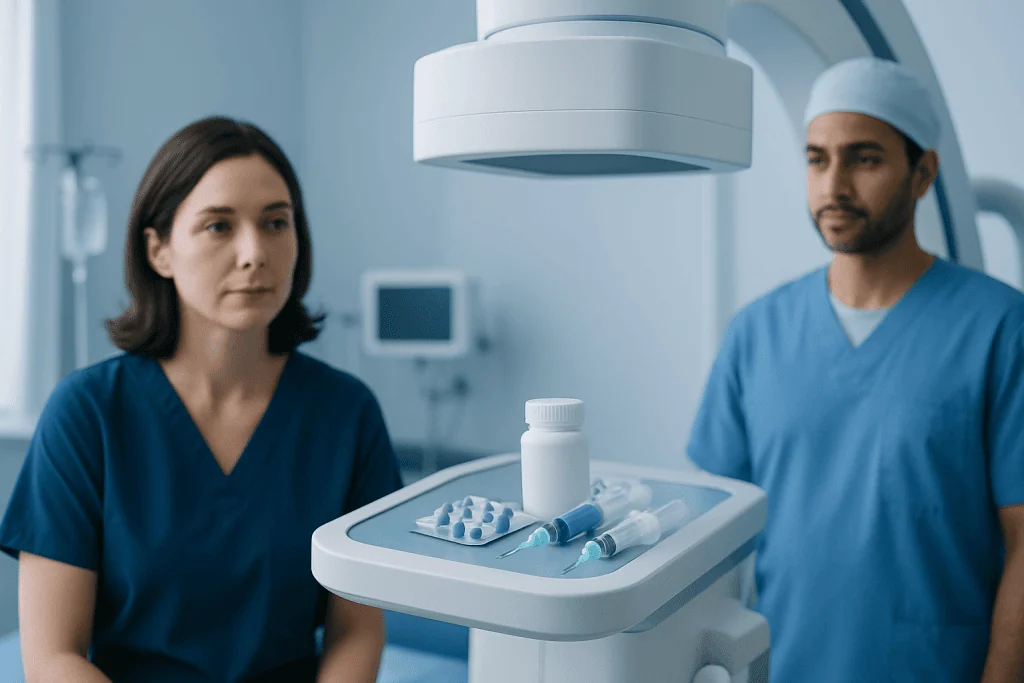
Unused medicine includes any medication you no longer need, cannot identify, no longer take, or were advised to stop. It can be prescription or non-prescription medicine, including tablets, capsules, liquids, inhalers, sprays, creams, gels, patches, eye drops, suppositories and injections. It also includes medicines that are expired, damaged, opened for too long, stored incorrectly or no longer match your current prescription.
Sharps are items that can cut or puncture the skin. Common examples include syringes, injection needles, insulin pen needles, lancets for glucose testing, auto-injectors with exposed needles, scalpels and certain infusion supplies. Even a very small lancet can injure someone if it is loose in a rubbish bag.
If you are unsure whether an item is medicine waste, sharp waste or ordinary packaging, treat it as potentially unsafe and ask the care team. Boxes and paper leaflets may usually be separated only when they do not contain personal medical information and are not contaminated. Labels with your name, passport number, hospital number or prescription details should be removed or made unreadable before disposal where possible.
What not to do with leftover medicines
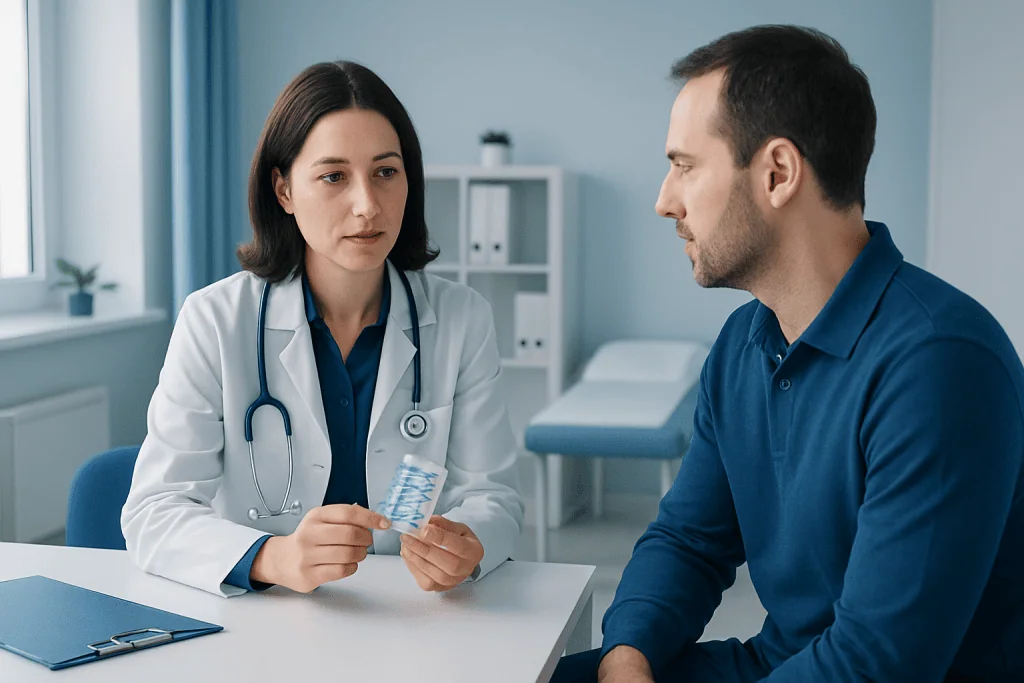
Do not flush medicines down the toilet or pour liquids into a sink unless a qualified healthcare professional specifically tells you to do so. Medicines can enter water systems and may be harmful to the environment. This advice applies to tablets, capsules, syrups, drops, creams, injectable medicines and patches.
Do not put loose medicines in hotel bins, airport bins, street bins or general household rubbish. Even medicines that look ordinary can be dangerous for another person, especially children, pets, older adults or anyone taking other prescriptions. Do not give leftover prescription medicines to another patient, companion, driver, hotel employee or friend.
You should also avoid mixing medicines together in one bag or bottle. Keep each medicine in its original packaging until a healthcare professional advises otherwise. Original packaging helps the nurse or pharmacist identify the medicine, dose, expiry date and whether special handling is needed.
How to handle sharps safely before disposal
Sharps need extra care from the moment they are used. Do not recap a needle unless you have been specifically trained to do so for that device. Do not bend, break, cut or remove needles by hand. After use, place the sharp directly into a rigid, puncture-resistant container with a secure lid.
If you have been given an official sharps container, use it exactly as instructed and do not overfill it. If you do not have one, ask your hospital, clinic or pharmacy for help rather than improvising. For short-term safety while waiting for advice, keep sharps upright, sealed, away from children and companions, and separate from normal luggage items.
Never place loose sharps in recycling or soft plastic bags. A needle can easily pierce through fabric, paper, thin plastic or toiletry bags. If you are staying in a hotel or serviced apartment, do not leave sharps for housekeeping; contact your care coordinator or the clinical team so disposal can be arranged appropriately.
Where to ask for disposal help in Turkey
Your safest first step is to ask the healthcare provider involved in your treatment. At an Acibadem hospital, the nursing team or pharmacy can advise what to do with medicines supplied during your care, used injection materials and items you were asked to stop. If you are an international patient, your coordinator can help you communicate the question clearly and find the right department.
Outside the hospital, some pharmacies, local health services or municipality-linked collection systems may be able to advise on medicine or sharps disposal, but acceptance practices can differ. It is better to call or ask in person before carrying items around Istanbul or another city. If you do not speak Turkish, an interpreter or coordinator can help you avoid misunderstandings.
If you are transferring between cities or returning home soon, ask early. Disposal may be simple, but it is not a task to leave until the taxi to the airport is waiting. Plan it at least one day before departure, especially if you have injectable medicines, a full sharps container, strong pain medicines or refrigerated products.
Before your flight home
Before packing, divide your medicines into three groups: medicines you must continue during travel, medicines you should return or dispose of in Turkey, and items you are unsure about. Keep the medicines you will continue in your hand luggage, with prescription documents if needed. Do not place sharps or medicines to dispose of loosely into checked bags.
If your doctor has changed your medicine plan, ask for written instructions that clearly state what you should keep taking, what you should stop, and when follow-up is needed. This is helpful for your own safety and for your doctor at home. If you need to travel with injection supplies, ask whether you need a travel letter or device information for airport security.
For medicines that require refrigeration, do not assume they are safe to use after a long journey or time outside the recommended temperature. Ask your pharmacist or doctor if storage has been interrupted. If the medicine should not be used, ask how to dispose of it safely rather than carrying it home unnecessarily.
Step by step
- Gather everything in one safe place. Place unused medicines, patches, drops, injection supplies and sharps containers on a clean surface away from children and companions. Keep items in original packaging whenever possible so the care team can identify them.
- Separate medicines you still need. Set aside the medicines you must continue during travel and after returning home. Check the name, dose and timing against your discharge instructions or medication list.
- Do not throw anything away yet. Avoid hotel bins, public bins, toilets, sinks and recycling containers. This is especially important for needles, lancets, opioid pain medicines, sedatives, antibiotics, hormone medicines and injectable products.
- Ask your nurse, pharmacist or coordinator. Tell them exactly what you have and when you are leaving Turkey. At Acibadem International, your patient care contact can help route the question to the appropriate hospital team and arrange interpretation if needed.
- Secure sharps in a proper container. Use a sharps container if you were given one, and keep the lid closed. If the container is nearly full or you do not have one, ask the hospital or clinic for advice before moving it.
- Protect your personal information. Before disposing of packaging, remove or obscure labels that show your name, passport details, hospital number or prescription information. Do not remove labels if the healthcare team still needs them to identify the medicine.
- Confirm what to carry home. For ongoing medicines, keep a copy of the prescription, discharge note or travel letter with you. If you are unsure whether a medicine is legal or practical to bring into your home country, check with your airline, embassy, customs authority or local doctor before travel.
Your checklist
- Original medicine packaging and leaflets, if available
- Current medication list or discharge instructions
- Prescription copies for medicines you will continue
- Sharps container or rigid puncture-resistant container provided by your care team
- Sealable bag for separating items while waiting for advice
- Interpreter or international patient coordinator contact details
- Flight time and departure date, so disposal can be planned early
- List of medicines that were stopped, changed or replaced
- A plan for refrigerated medicines and injection supplies during travel
Key takeaways
- Do not flush medicines, pour them into sinks, or place loose medicines and sharps in ordinary bins.
- Keep unused medicines in original packaging until a healthcare professional advises what to do.
- Sharps should go into a rigid, puncture-resistant container and never into recycling or soft bags.
- Ask early, especially if you are leaving Turkey soon or have injections, strong pain medicines or refrigerated products.
- Acibadem International patients can ask the care team, pharmacy or coordinator for practical disposal guidance and interpretation support.
Frequently asked questions
Can I throw unused tablets in my hotel room bin in Turkey?
No, this is not recommended. Hotel bins are handled by housekeeping and waste staff, and medicines may be found or taken by someone else. Keep the tablets in their packaging and ask your hospital team, pharmacist or coordinator where they should be returned or disposed of.
Can I flush expired or unwanted medicine down the toilet?
You should not flush medicines or pour them into a sink unless a healthcare professional gives you specific instructions. Medicines can enter wastewater systems and may harm the environment. Ask for a safe disposal option instead.
What should I do with insulin needles, lancets or injection pens?
Used needles and lancets should be placed in a sharps container or another approved puncture-resistant container provided or recommended by your care team. Do not put them loose in a suitcase, bin or recycling bag. If you are travelling with insulin or other injections, ask whether you need documentation for airport security.
Can a pharmacy in Turkey take back my unused medicines?
Some pharmacies may advise you or direct you to a local collection route, but practices can vary. It is best to ask your treating hospital or pharmacist first, especially for medicines prescribed during your care. If language is a concern, your international patient coordinator can help you ask clearly.
What if my doctor changed my prescription and I have old medicines left?
Do not restart or share the old medicine unless your doctor tells you to. Keep it separate from your current medicines and ask how it should be disposed of. A written medication plan can help you avoid confusion after you return home.
Should I take unused medicines back to my home country?
Only take medicines home if they are part of your ongoing treatment and you have the correct prescription or medical documentation. Carrying unnecessary medicines can create customs, safety or storage issues. If you no longer need them, ask about safe disposal before departure.
How can Acibadem International help with medicine disposal?
If you received care at an Acibadem hospital, you can ask your nurse, pharmacist, doctor or international patient coordinator what to do with unused medicines and sharps. The team can help identify items, explain what should be continued, and guide you to the appropriate disposal process. Interpreter support can also help if you need to speak with a pharmacy or local service.
Add us as a Preferred Source to see more of our trusted health content across Google Search, AI Overviews and Discover.
More Patient Guides

At Acibadem, How We Manage Your Medicines Before and After Treatment
Manage your medicines before and after treatment in Turkey with a clear plan for prescriptions, supplements, timing, and safe follow-up.
9 min read
How to Bring Medical Devices for Treatment Travel to Turkey
Bring medical devices for treatment travel to Turkey by packing documents, power adapters, supplies, and backup plans before you fly.
9 min read
Preparing for General Anesthesia in Turkey: What International Patients Should Know
General anesthesia in Turkey usually involves fasting, medication review, and pre-op checks. This guide helps international patients prepare safely in Istanbul or…
9 min read