Osteomyelitis: Bone Infection Symptoms, Imaging, and Antibiotic Treatment

Osteomyelitis can be acute or chronic and may affect children, adults, people with diabetes, and those with recent fractures, wounds, or orthopedic implants. Common symptoms include localized bone pain, swelling, warmth, fever, reduced movement, or drainage from a wound, but symptoms may be subtle in some people.
Key Takeaways
- Osteomyelitis can be acute or chronic and may affect children, adults, people with diabetes, and those with recent fractures, wounds, or orthopedic implants.
- Common symptoms include localized bone pain, swelling, warmth, fever, reduced movement, or drainage from a wound, but symptoms may be subtle in some people.
- MRI is often the most useful imaging test for early osteomyelitis, while X-rays, CT scans, ultrasound, and nuclear medicine scans may be used in specific situations.
- Antibiotics are usually selected based on blood or bone culture results and may be given intravenously, orally, or both for several weeks.
- Surgery may be needed to drain an abscess, remove infected or dead bone, manage implants, or improve healing in chronic or complex infections.
- Prompt medical care is important, especially for people with diabetes, poor circulation, immune suppression, open wounds, or persistent bone pain.
Osteomyelitis is an infection inside bone that can develop after a bloodstream infection, injury, surgery, or nearby wound. Early diagnosis with examination, blood tests, imaging, and cultures helps guide effective antibiotic treatment and, in some cases, surgery.
Overview
Osteomyelitis means infection of the bone. It can occur when bacteria, and less commonly fungi, reach bone tissue and begin to multiply. The infection may start through the bloodstream, spread from a nearby skin or soft-tissue infection, or enter directly after an injury, fracture, surgery, or implanted orthopedic device.
Doctors often describe osteomyelitis as acute or chronic. Acute osteomyelitis develops over days to weeks and may be easier to cure when treated early. Chronic osteomyelitis can last for months or recur after previous treatment, often because some bone has lost its blood supply or because bacteria are protected within scar tissue or on implanted material.
Any bone can be affected, but patterns vary by age and health condition. In children, infection often involves the long bones of the legs or arms. In adults, the spine, pelvis, feet, or bones near wounds and surgical sites are common locations. With careful diagnosis and a treatment plan tailored to the cause, many people recover well and return to normal activities gradually.
Bone Infection Symptoms
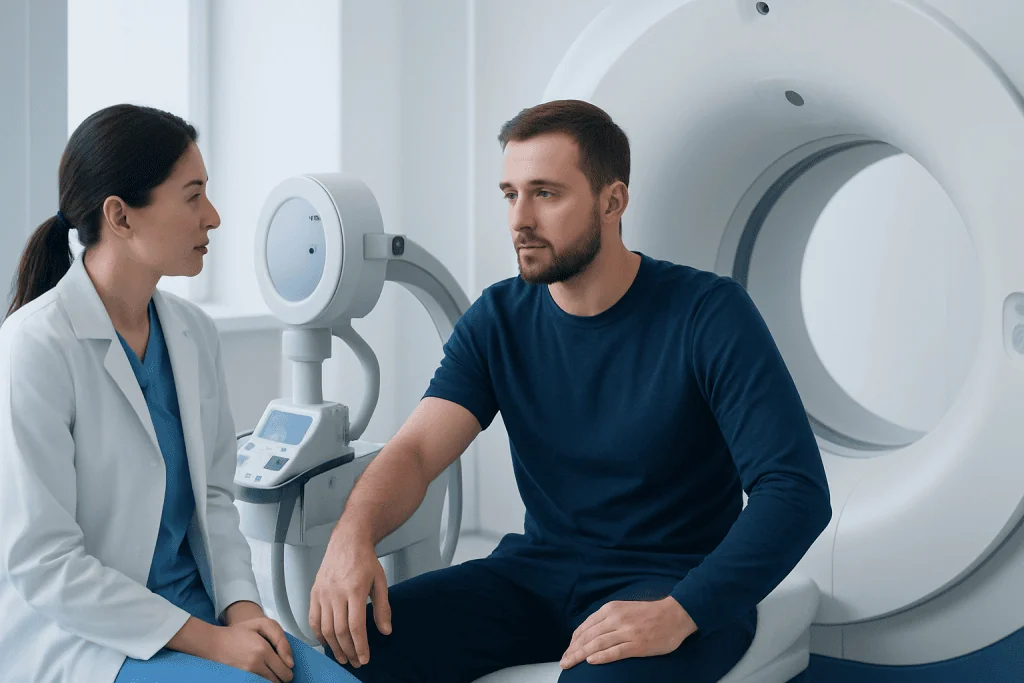
Osteomyelitis symptoms depend on the person’s age, the bone involved, and how the infection started. Many people notice deep, persistent pain in one area of bone. The area may be tender, warm, swollen, or red, and movement may be uncomfortable. A child may limp, avoid using a limb, or become unusually irritable because the pain is difficult to describe.
Fever, chills, tiredness, and a general feeling of being unwell may occur, especially in acute infection. When osteomyelitis develops near a wound, ulcer, or surgical site, there may be delayed healing, increasing drainage, an unpleasant odor, or exposed bone. In spinal osteomyelitis, back or neck pain that does not improve with rest can be the main symptom, sometimes without fever.
Some people have mild or atypical symptoms. This is especially true in older adults, people with diabetes-related nerve damage, poor circulation, kidney disease, or reduced immune function. Because pain and fever may be less obvious in these situations, any non-healing foot ulcer, wound over bone, or unexplained swelling should be assessed by a doctor.
Causes and Risk Factors
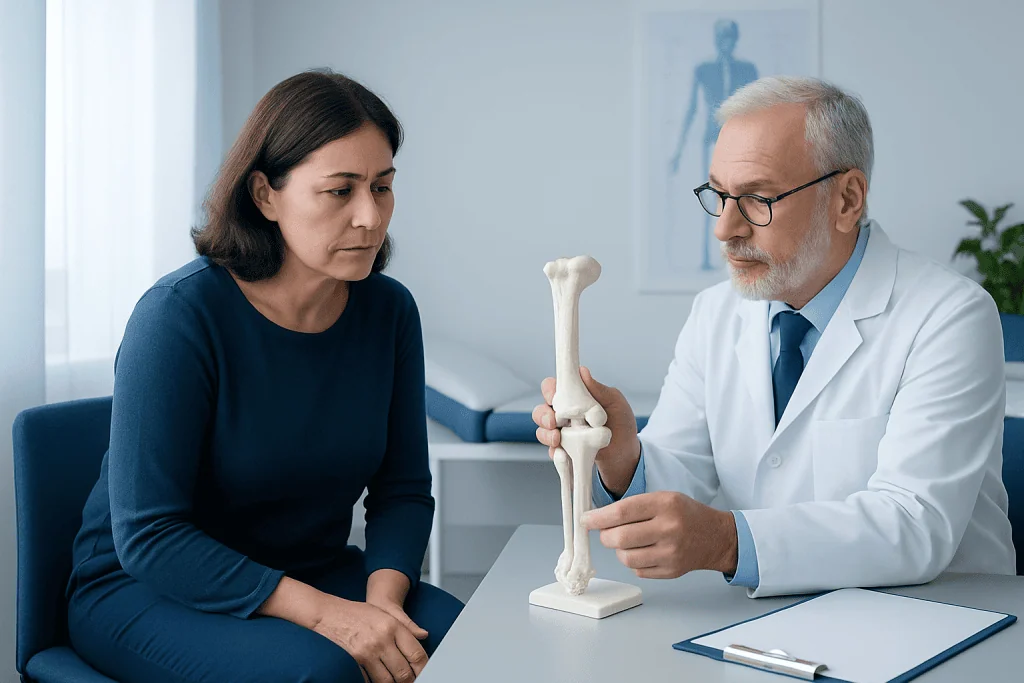
The most common cause of osteomyelitis is bacterial infection. Staphylococcus aureus is a frequent cause, including strains that may be resistant to some antibiotics. Other bacteria can be involved depending on the situation, such as infections related to diabetic foot ulcers, puncture wounds, hospital care, orthopedic implants, or bloodstream infections. Fungal osteomyelitis is uncommon but may occur in people with significant immune suppression.
There are several routes by which infection can reach bone. In hematogenous osteomyelitis, germs travel through the bloodstream from another infection site. In contiguous osteomyelitis, infection spreads from nearby tissue, such as a pressure sore, dental infection, sinus infection, or diabetic foot ulcer. Direct inoculation occurs when bacteria enter bone during an open fracture, deep puncture injury, joint replacement, fracture fixation, or other surgery.
Risk factors include diabetes, peripheral artery disease, chronic kidney disease, immune-suppressing medicines, cancer treatment, intravenous drug use, severe trauma, prior bone surgery, implanted metal hardware, and chronic skin ulcers. Smoking and poor nutrition can also slow wound and bone healing. Identifying these risks helps doctors choose the right tests and reduce the chance of recurrence.
Diagnosis and Imaging Tests
Diagnosis begins with a medical history and physical examination. The doctor asks about pain, fever, injuries, wounds, recent surgery, diabetes, immune problems, and previous infections. Blood tests may show inflammation through markers such as C-reactive protein or erythrocyte sedimentation rate, and a complete blood count may show an elevated white blood cell count. Blood cultures can identify bacteria if the infection is present in the bloodstream.
Imaging is central to confirming the location and extent of osteomyelitis. Plain X-rays are often the first test because they can show fractures, bone destruction, gas in tissues, or changes around implants. However, early X-rays may look normal, because bone changes can take time to appear. MRI is usually the most sensitive imaging test for early osteomyelitis and can show bone marrow infection, abscesses, and spread into soft tissues.
CT scans may be helpful for complex anatomy, surgical planning, detecting small areas of dead bone, or assessing bone around hardware when MRI is limited. Ultrasound can identify fluid collections near bone and guide drainage in selected cases. Nuclear medicine scans, such as bone scans or labeled white blood cell scans, may be used when MRI cannot be performed or when infection involves multiple sites.
Whenever possible, treatment is guided by culture results. A sample may come from blood, wound drainage, an abscess, or a bone biopsy. A bone biopsy, obtained with a needle or during surgery, can identify the organism and determine which antibiotics are most likely to work. This is especially important in chronic infection, implant-related infection, or when previous antibiotics have not helped.
Antibiotic Treatment and Surgery
Antibiotic treatment for osteomyelitis is chosen according to the likely source of infection and, ideally, culture results. In some stable patients, doctors may collect cultures before starting antibiotics so the results are more accurate. If the person is seriously unwell or there is a high-risk infection, antibiotics may begin promptly while tests are still being completed, then adjusted once laboratory results are available.
Antibiotics may be given through a vein, by mouth, or as a planned combination. The route depends on the organism, the antibiotic’s ability to reach bone, the severity of infection, and the person’s overall health. Treatment often lasts several weeks, and chronic or complicated cases may need longer follow-up. It is important not to stop antibiotics early unless the treating doctor advises it, because incomplete treatment can increase the risk of recurrence.
Surgery is not needed for every case, but it can be essential when there is an abscess, dead bone, unstable bone, an infected implant, or poor soft-tissue coverage. Procedures may include drainage, debridement to remove infected or non-viable tissue, removal or exchange of hardware, bone stabilization, or reconstruction with soft-tissue or bone graft techniques. In diabetic foot osteomyelitis, treatment may also include wound care, pressure relief, vascular assessment, and careful diabetes management.
Care is often multidisciplinary. Infectious disease specialists, orthopedic surgeons, radiologists, wound care teams, vascular surgeons, endocrinologists, rehabilitation professionals, and nurses may all contribute depending on the case. The goal is to control infection, preserve function, support bone healing, and reduce the chance of future episodes.
Recovery, Monitoring and Self-care
Recovery from osteomyelitis is usually monitored with symptoms, physical examination, wound healing, blood inflammation markers, and sometimes repeat imaging. Pain and swelling should gradually improve, but bone healing can take time. Follow-up visits are important to check that antibiotics are working, to watch for side effects, and to adjust treatment if culture results or imaging findings require a change.
Patients can support recovery by taking medicines exactly as prescribed, keeping follow-up appointments, and reporting new symptoms promptly. Wounds should be cared for as instructed, dressings should be changed safely, and weight-bearing restrictions should be followed when recommended. Physical therapy may be used after the infection is controlled to rebuild strength, mobility, balance, and confidence.
Prevention focuses on reducing the chance that bacteria will reach bone or that a small wound will become deep. Helpful steps include prompt care for cuts and puncture wounds, good foot care for people with diabetes, smoking cessation support, nutrition that supports healing, and careful management of chronic conditions. People with orthopedic implants should seek medical advice for persistent pain, redness, drainage, or fever after surgery rather than assuming symptoms are part of normal recovery.
- Inspect feet daily if there is diabetes, neuropathy, or poor circulation.
- Keep wounds clean and covered according to medical advice.
- Avoid walking barefoot when sensation in the feet is reduced.
- Ask a doctor before using leftover antibiotics or stopping prescribed treatment.
When to See a Doctor
A doctor should evaluate persistent bone pain, swelling, warmth, redness, fever with localized pain, or a wound that is not healing. Medical advice is especially important if there is diabetes, poor circulation, immune suppression, a recent fracture, a deep puncture wound, recent orthopedic surgery, or an implanted joint or fixation device. Early assessment can help confirm whether symptoms are due to infection or another bone, joint, or soft-tissue condition.
More urgent care is needed if there is rapidly worsening pain, spreading redness, high fever, confusion, severe weakness, drainage from a surgical wound, or a foot ulcer with visible deep tissue or bone. These situations do not always mean osteomyelitis is present, but they should be assessed promptly because timely treatment can protect health and function.
International patients who need evaluation for suspected osteomyelitis may be cared for by multidisciplinary specialists at Acibadem International’s JCI-accredited hospitals, where diagnosis and treatment can involve orthopedics, infectious diseases, imaging, wound care, and rehabilitation. As with any medical condition, the most appropriate plan depends on an individual examination and test results.
Frequently asked questions
Is osteomyelitis a serious condition?
Osteomyelitis is a bone infection that needs medical diagnosis and treatment. Many cases improve well with appropriate antibiotics and, when necessary, surgery. Early care helps reduce complications and supports better healing.
What does osteomyelitis pain feel like?
The pain is often deep, persistent, and localized to one area of bone. It may worsen with movement or pressure, and the area may be tender, warm, or swollen. In spinal osteomyelitis, ongoing back or neck pain may be the main symptom.
Can an X-ray diagnose osteomyelitis?
An X-ray can show bone damage, fractures, or changes around implants, so it is often used early in evaluation. However, early osteomyelitis may not appear on X-ray. MRI is commonly preferred when doctors need to detect early bone marrow infection or define the extent of disease.
How long are antibiotics needed for osteomyelitis?
Antibiotic courses often last several weeks, but the exact length depends on the organism, the bone involved, whether surgery was needed, and how well the infection responds. Some patients start with intravenous antibiotics and later change to oral treatment. The treating doctor will tailor the plan and monitor progress.
Does osteomyelitis always require surgery?
No. Some cases, especially early bloodstream-related infections, may be treated successfully with antibiotics alone. Surgery may be recommended when there is an abscess, dead bone, an infected implant, poor wound healing, or chronic infection.
Can osteomyelitis come back after treatment?
Osteomyelitis can recur, particularly if there is poor circulation, diabetes, chronic wounds, dead bone, or retained infected hardware. Careful follow-up, culture-guided antibiotics, wound care, and management of underlying conditions help lower the risk. Any return of pain, swelling, drainage, or fever should be reported to a doctor.
References
- World Health Organization
- Centers for Disease Control and Prevention
- Infectious Diseases Society of America
- American Academy of Orthopaedic Surgeons
- Radiological Society of North America
This article is for general information only and is not a substitute for professional medical advice. Please consult a qualified doctor about your individual situation.
Joint and spine care in Turkey — expert assessment & treatment
JCI-accredited · board-certified surgeons · reply within 24h
Add us as a Preferred Source to see more of our trusted health content across Google Search, AI Overviews and Discover.