

When to Contact Your Embassy During Medical Travel in Turkey

You should contact your embassy during medical travel in Turkey when you need help with legal or safety issues, lost travel documents, serious family emergencies, or communication with local authorities. At Acibadem International, patient services can guide international patients on practical next steps and help coordinate non-medical support alongside their treatment journey.
Most medical trips to Turkey go smoothly, especially when your hospital and travel plans are well organized. This guide explains when contacting your embassy or consulate is helpful, what they can and cannot do, and how to coordinate embassy support with your hospital’s international patient team.
At a glance
- Best time to save embassy details: Before you travel, with copies shared to your companion
- Contact urgently for: Lost passport, detention, serious safety concerns, death, or major crisis
- Contact for medical coordination when: You need official documents, family notification, or evacuation guidance
- What embassies cannot do: Pay medical bills, guarantee treatment, or override hospital policies
- Hospital support: International patient services can help with communication and practical logistics
Why Embassy Details Matter During Medical Travel
When you travel to Turkey for medical care, your main points of support are usually your hospital team, your companion, your insurance provider, and your accommodation or travel contacts. Your embassy or consulate is an additional safety contact, not a replacement for medical care. It becomes especially important when a situation involves your passport, legal status, personal safety, family communication, or official documentation.
For many patients, simply knowing when to contact an embassy reduces stress. You do not need to wait for a major emergency if you are unsure about a consular matter. A quick call or email can help you confirm the correct process for replacing documents, reporting an incident, or understanding what assistance is available to citizens in Turkey.
At Acibadem International, international patient teams frequently help patients organize practical details around appointments, admission, discharge, interpreters, and travel planning. If a consular issue arises, the hospital team can often help you identify what documents you may need from the hospital, such as a medical report or admission confirmation, while the embassy handles citizen services within its authority.
Situations When You Should Contact Your Embassy Promptly
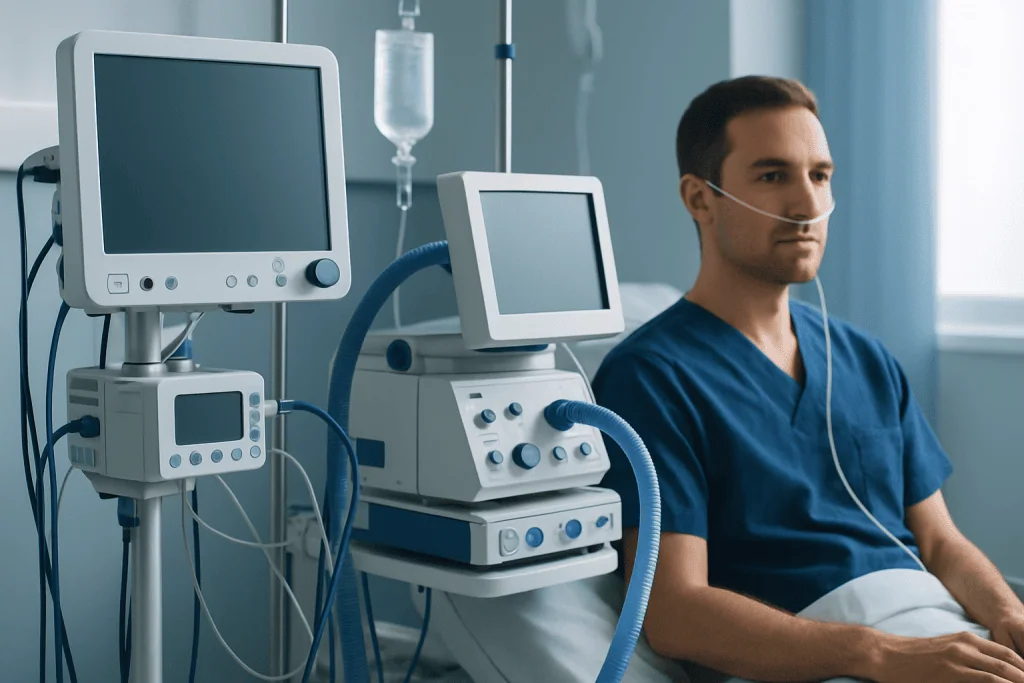
You should contact your embassy or nearest consulate promptly if your passport is lost, stolen, damaged, or retained unexpectedly. Your passport is central to hotel registration, hospital identity checks, flight changes, immigration processes, and returning home. If you lose it during treatment or recovery, ask your hospital or hotel to help you make copies of any remaining ID documents and contact your embassy for replacement guidance.
You should also contact your embassy if you are involved in a serious accident, crime, arrest, detention, or any situation where your personal safety is at risk. Embassies can usually explain local procedures, provide lists of local lawyers or translators, and help notify family if needed. They cannot remove you from legal processes, but they can help ensure you understand your rights and have access to appropriate communication.
In severe medical situations, your embassy may be useful if your family needs to be officially notified, if you require emergency travel documentation, or if medical evacuation is being considered by your insurer or family. In the event of a death abroad, embassies can guide relatives through local formalities, documentation, and repatriation procedures. These are sensitive situations, and it is appropriate to involve both the hospital’s patient services team and your embassy early.
When Embassy Contact May Be Helpful but Not Urgent

Some situations are not emergencies but still benefit from embassy guidance. For example, if your treatment plan changes and you must extend your stay in Turkey, you may need to understand visa rules, residence limits, or documentation that supports a medical extension. The hospital can provide relevant medical documents, but your embassy or Turkish immigration authorities are the right sources for official travel and nationality-related guidance.
You may also contact your embassy if you need a certified copy, notarization guidance, or instructions for documents used in your home country. This can include power of attorney questions, insurance paperwork, birth or marriage certificate issues, or documents needed by a family member traveling to support you. Requirements vary by nationality, so check directly with your embassy rather than relying on general advice.
If there is a natural disaster, civil disruption, airline disruption, or major regional emergency, your embassy can provide citizen alerts and instructions. Many countries allow citizens to register travel plans before or during a trip. If you are having treatment in Istanbul or another Turkish city and may be less mobile after discharge, registering your presence can help your embassy understand where you are in case of a wider emergency.
What Your Embassy Can and Cannot Do
Embassies and consulates support citizens abroad, but their role is limited. They can usually issue emergency travel documents, contact relatives with your consent, provide information about local services, and help you communicate in serious legal or safety situations. They may also provide general guidance on local procedures after theft, arrest, hospitalization, or death.
They generally cannot pay your hospital bill, force an airline to change your ticket, guarantee a hospital outcome, provide direct medical treatment, or replace your insurance provider. They also cannot usually intervene in routine billing disputes or override local laws. Understanding these limits helps you contact the right organization first and avoid delays.
For medical questions, your treating physician and care team remain the appropriate source. For payment authorization, contact your insurer or assistance company. For appointment timing, admission planning, interpreters, discharge arrangements, and local logistics, your hospital’s international patient services team is often the most practical first contact. Acibadem International’s teams can help coordinate these non-clinical steps while your embassy addresses consular matters.
How to Prepare Embassy Information Before You Travel
Before traveling to Turkey, save the contact details for your country’s embassy in Ankara and any consulate in Istanbul or the city where you will stay. Include emergency phone numbers, email addresses, office hours, and the link to your government’s travel advice page. Store this information in your phone and also keep a printed copy in your hand luggage.
Share the same details with your companion and a trusted contact at home. If you are traveling alone, consider giving your family your hospital name, hotel address, appointment schedule, and international patient coordinator contact details. This helps them act quickly if you are unable to make calls after a procedure or during an unexpected hospital stay.
It is also wise to scan or photograph key documents before departure. Keep copies in secure cloud storage and in a password-protected folder if possible. Useful documents include:
- Passport identity page and visa or entry stamp, if applicable
- Travel insurance policy and emergency assistance number
- Hospital appointment confirmation and treatment plan summary
- Flight itinerary and accommodation address
- Emergency contacts at home
- Medication list and allergy information
Coordinating Embassy Support With Your Hospital Team
If you need embassy assistance while you are under medical care, let your hospital’s international patient office know as soon as practical. They may be able to provide admission letters, medical summaries, discharge dates, or confirmation of fitness to fly when your doctor considers it appropriate. These documents can be important for visa extensions, airline changes, insurance reviews, or family travel arrangements.
When language is a concern, ask whether an interpreter can help you understand the hospital-related documents you are requesting. Many international patients in Turkey appreciate having one clear channel for hospital logistics and another for embassy communication. This avoids confusion and helps ensure that medical information is shared only with your consent and in line with privacy rules.
Acibadem International supports patients from many countries, and its international patient services are familiar with common travel and documentation questions. While the hospital cannot act as your embassy, it can help you gather hospital-issued paperwork and coordinate practical steps around your care. This is particularly helpful if your treatment schedule changes, your discharge is delayed, or your companion needs confirmation documents for work or travel.
Staying Calm During an Unexpected Problem
Unexpected travel problems feel more stressful when you are also managing treatment, recovery, or pain. Try to separate the issue into categories: medical care, travel document, insurance, accommodation, and family communication. Then contact the organization responsible for that category. This simple sorting can make a difficult day more manageable.
If you are hospitalized and cannot manage calls yourself, ask your companion or international patient coordinator who can help you send the necessary messages. Keep notes of who you contacted, the time, and what they advised. If you speak with your embassy, write down any reference number, required documents, and the next step.
In urgent situations, prioritize immediate safety and medical care first. Use local emergency services if needed, notify the hospital team if you are an admitted or scheduled patient, and then contact your embassy when safe to do so. You do not have to solve everything at once; the goal is to bring the right support into the situation early.
Step by step
- Save embassy and consulate contacts before departure. Find official contact details from your government website, not from third-party directories. Save emergency numbers, office hours, email addresses, and the address of the nearest consular office in Turkey.
- Register your trip if your country offers this service. Many governments allow citizens to register travel plans online. This can help your embassy send alerts and locate you more easily during a major incident.
- Carry copies of your key documents. Keep digital and printed copies of your passport, insurance, hospital confirmation, flight booking, and accommodation address. If your passport is lost, these copies can speed up identity checks and replacement steps.
- Contact the hospital team for medical documentation. If an embassy, airline, insurer, or immigration authority requests proof of treatment, ask your hospital’s international patient team what can be provided. Medical documents usually require appropriate authorization and may need time to prepare.
- Contact your embassy for passport, legal, or safety issues. For lost passports, arrest, crime, serious safety concerns, or citizen services, your embassy is the correct point of contact. In emergencies, call the emergency number rather than waiting for routine office hours.
- Notify your insurer or assistance company for payment and evacuation. Embassies usually do not pay medical bills or arrange private evacuation funding. Your travel insurer or medical assistance provider is the organization that can advise on coverage, authorizations, and transport benefits.
- Keep your family informed with one clear update channel. Choose one trusted person at home to receive updates and share them with others. This reduces repeated calls while you are resting and helps prevent confusion during a stressful moment.
Your checklist
- Official embassy and consulate phone numbers saved in your phone
- Printed embassy contact details packed in your hand luggage
- Passport scan stored securely online and shared with a trusted contact
- Travel insurance emergency assistance number saved and printed
- Hospital international patient coordinator contact details saved
- Accommodation address and room details shared with family
- Medication list, allergies, and medical summary available in English if possible
- Emergency contact at home identified and reachable
- Visa or entry requirements checked before travel
- Plan for who will speak on your behalf if you are recovering or sedated
Key takeaways
- Your embassy is an important backup contact during medical travel, especially for passport, legal, safety, and major emergency issues.
- Embassies can guide and document certain situations, but they usually cannot pay bills, provide treatment, or override local laws.
- Save embassy details before traveling to Turkey and share them with your companion and family.
- For medical documentation, coordinate with your hospital’s international patient team and allow time for reports or letters.
- If your stay changes because of treatment, check visa and travel requirements early.
Frequently asked questions
Should I contact my embassy before traveling to Turkey for treatment?
You usually do not need to contact your embassy before a routine medical trip, but you should save its official contact details. If your country offers travel registration, it can be helpful to register your trip. This is especially useful if you are traveling alone, having a complex procedure, or staying in Turkey for an extended period.
Can my embassy help if I lose my passport in Istanbul?
Yes, passport loss is one of the main reasons to contact your embassy or consulate. They can explain how to apply for an emergency travel document or replacement passport. You may need a police report, passport photos, proof of identity, and travel details, depending on your country’s rules.
Will my embassy pay my hospital bill if I have a problem with insurance?
In most cases, embassies do not pay private medical bills or guarantee hospital payments. You should contact your insurance company, medical assistance provider, family, or payment provider for financial arrangements. Your hospital’s international patient team can usually help you understand billing documents and what information an insurer may request.
Can the embassy speak to my doctors on my behalf?
Embassy staff generally cannot manage your medical treatment or make clinical decisions. They may help with communication in serious cases, especially if family notification or official documentation is needed. Your medical information is private, so the hospital will usually need your consent before sharing details.
What if I need to extend my stay in Turkey after treatment?
First, ask your care team whether your medical situation requires a longer stay and what documentation can be provided. Then check visa or immigration requirements through official Turkish authorities or appropriate consular guidance. Do this early, because document preparation and travel changes can take time.
Who should I call first in a medical emergency?
Call local emergency services or seek immediate hospital care first. If you are already connected with a hospital such as Acibadem, notify your patient coordinator or care team as soon as you can. Contact your embassy after immediate safety and medical care are addressed, or ask your companion to do so.
Can my embassy arrange medical evacuation from Turkey?
Embassies can usually provide guidance, but medical evacuation is normally arranged and funded through insurance, a medical assistance company, or private payment. Your treating doctor must also assess whether you are medically fit to travel. If evacuation is being discussed, coordinate among your insurer, hospital team, family, and embassy as needed.
Add us as a Preferred Source to see more of our trusted health content across Google Search, AI Overviews and Discover.
More Patient Guides

Can You Fly to Turkey After Chemotherapy? Travel Timing and Safety Checks
Can you fly to Turkey after chemotherapy? Often yes, if your oncology team confirms your blood counts, infection risk, and hydration are…
9 min read
How to Travel Around Istanbul During Treatment
How to travel around Istanbul during treatment: use taxis, hospital shuttles and simple route planning in Istanbul, Turkey, to stay safe and…
9 min read
Flying to Turkey for Surgery: How to Lower DVT Risk on Long-Haul Trips
Flying to Turkey for surgery? Lower DVT risk with simple in-flight, pre-travel, and arrival steps for safer long-haul travel to Istanbul.
9 min read