

Ordering Food and Groceries During Hotel Recovery in Turkey

During hotel recovery in Turkey, patients can usually order meals, bottled water, and basic groceries through hotel room service, nearby supermarkets, restaurant delivery apps, or assistance from the international patient team. At Acibadem, care coordinators can help patients and companions understand local ordering options, practical food choices after treatment, and any discharge instructions that may affect eating, drinking, or delivery…
Recovering in a hotel after treatment is easier when you know how to arrange safe, suitable meals and everyday groceries. This guide helps you plan food delivery, supermarket orders, hydration, dietary restrictions, and communication with your hotel or care team while in Turkey.
At a glance
- Best first step: Ask your medical team what you should and should not eat during recovery.
- Most useful tools: Food delivery apps, grocery apps, hotel room service, and concierge support.
- Language help: Use translation notes, app filters, or interpreter support for allergies and diet needs.
- Payment options: Many services accept cards, but keeping some Turkish lira for tips or small orders is practical.
- Safety focus: Choose sealed drinks, well-cooked meals, and simple foods that match your discharge advice.
Start With Your Recovery Diet, Not the Delivery App
Before you order your first meal to the hotel, check the discharge instructions or dietary advice given by your doctor, nurse, or dietitian. After some procedures, you may be asked to choose soft foods, avoid spicy meals, limit salt, increase protein, or stay away from certain ingredients for a short time. Your safest option is to treat food ordering as part of your recovery plan, rather than simply choosing what looks convenient.
If you are being cared for through Acibadem International, your international patient contact can help you understand who to ask for clarification. They cannot replace medical advice, but they can help you route questions to the right clinical team, especially if you are unsure whether a food is suitable after your treatment.
When in doubt, keep meals simple for the first few days: soup, plain grilled chicken or fish, rice, yogurt, eggs, bananas, toast, oatmeal, and cooked vegetables are often easier to tolerate than rich, fried, or heavily seasoned foods. If you have nausea, constipation, swallowing difficulty, diabetes, kidney disease, or a medically prescribed diet, ask for individualized guidance before relying on general advice.
Food Delivery Apps and How They Usually Work
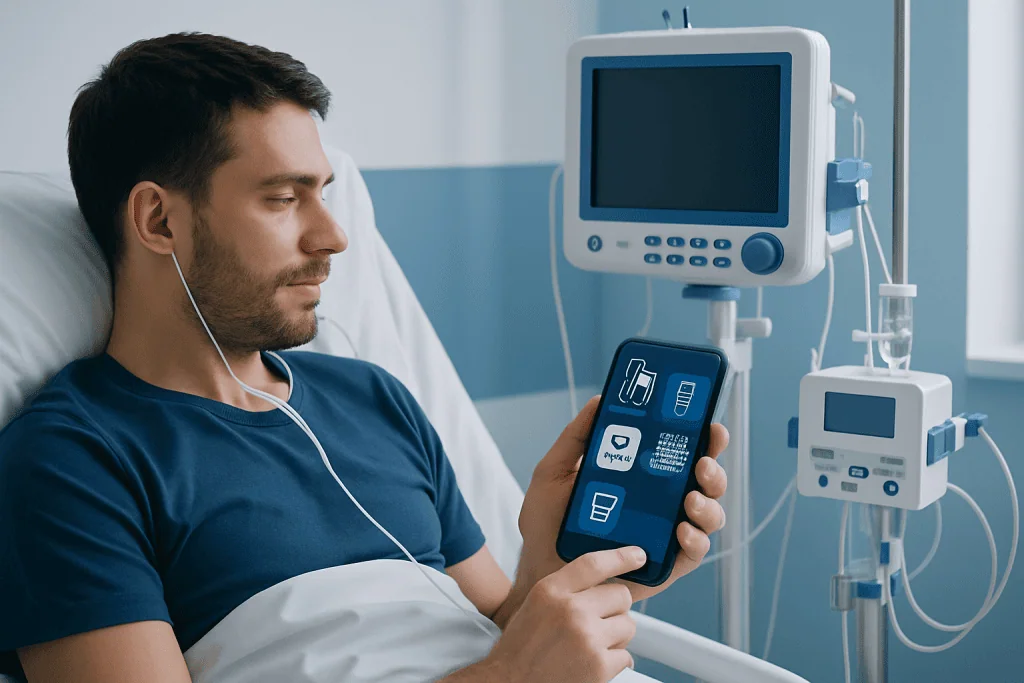
In major Turkish cities such as Istanbul, Ankara, Izmir, and Antalya, food delivery is widely used and often available late into the evening. Common platforms may offer restaurant meals, cafes, desserts, and sometimes convenience items. Availability depends on your hotel address, the time of day, and the restaurant’s delivery radius.
Most apps allow you to enter your hotel address, choose a restaurant, select items, add notes, and pay by card or sometimes at the door. If you do not have a Turkish phone number, registration can occasionally be difficult, so it is wise to test the app before you urgently need food. Your hotel reception may also be able to receive a delivery call or guide the courier if the building entrance is not obvious.
Use the order notes carefully. You can write simple requests such as no spicy sauce, no nuts, no sesame, no raw onion, or please include cutlery. If you have a serious allergy, do not rely only on an app note; call the restaurant if possible, ask the hotel for help, or choose packaged grocery items with clear labels.
Grocery Delivery for Hotel Recovery Basics

Groceries can be more useful than restaurant meals during hotel recovery because they let you build simple snacks and small meals throughout the day. Supermarket delivery in Turkey can provide water, fruit, yogurt, crackers, bread, cheese, soup, tea, tissues, personal care items, and basic cleaning supplies. This is especially helpful if you tire easily or should limit walking after treatment.
Many hotels can accept a grocery delivery at reception, but you should confirm the hotel policy first. Ask whether they can call your room when the courier arrives, whether refrigerated items can be held briefly, and whether delivery is allowed to your floor. If you cannot go downstairs, ask in advance whether a companion, hotel staff member, or care coordinator can help.
- Good recovery staples include bottled water, electrolyte drinks if approved, plain yogurt, bananas, applesauce, oats, soup, rice cakes, herbal tea, and easy-to-open snacks.
- For comfort, consider lip balm, wet wipes, small trash bags, paper towels, and a thermometer if recommended by your care team.
- If your room has no kitchenette, avoid ordering items that need cooking, freezing, or complex preparation.
Working With Your Hotel: Reception, Room Service, and Storage
Your hotel is an important part of your recovery logistics. Before discharge or on the day you return to the hotel, ask reception about food delivery procedures, room service hours, breakfast timing, elevator access, and whether they can provide extra bottled water, ice if medically allowed, or a kettle. These small details can make the first 48 hours much smoother.
Room service may be the easiest option when you are tired, but menus can be limited. You can ask for simple adjustments such as sauce on the side, less salt, no chili, plain rice, or well-cooked eggs. If you have a dietary restriction, request confirmation rather than assuming the kitchen understands your needs.
Storage matters too. If your room has a minibar, check whether there is enough space for yogurt, milk, or medication that must be refrigerated. Do not store perishable food at room temperature for long periods. If you are unsure whether a meal has been left out too long, it is safer to discard it and order something fresh.
Dietary Restrictions, Allergies, and Translation Tips
If you have allergies, religious dietary needs, vegetarian or vegan preferences, diabetes, gluten sensitivity, or a medical nutrition plan, prepare short written notes in Turkish and English. Keep them on your phone and show them to hotel staff, restaurant teams, or delivery couriers when needed. Simple, direct language is better than long explanations.
For example, you may need phrases such as I am allergic to nuts, no sesame, no shellfish, no pork, no alcohol, no sugar, or I need soft food. Translation apps can help, but they are not perfect for medical or allergy situations. For serious allergies, choose foods with ingredient labels or restaurants that can clearly confirm preparation details.
International patients at Acibadem often have access to interpreter support during hospital communication. If your diet restriction is clinically important after treatment, ask your care team to write clear instructions before you leave the hospital. This gives you a reliable reference when choosing hotel meals or groceries.
Food Safety, Hydration, and When to Ask for Help
During recovery, your body may be more sensitive to dehydration, constipation, nausea, and foodborne illness. Choose sealed bottled water unless your care team has given different advice, and be cautious with raw seafood, undercooked meat, unwashed produce, and foods that have been sitting at room temperature. Well-cooked, freshly prepared meals are usually a safer choice.
Hydration is often just as important as food. Keep water within reach, especially if you are taking pain medication, resting in a warm room, or traveling between appointments. If you were given fluid restrictions because of a heart, kidney, or other condition, follow those instructions instead of increasing fluids on your own.
Contact your medical team promptly if you cannot keep fluids down, have persistent vomiting or diarrhea, develop fever, notice signs of dehydration, experience worsening pain after eating, or are unsure whether a symptom is expected. Acibadem International patients can use their provided contact pathway for guidance on whether to call the hospital, attend a follow-up visit, or seek urgent care.
Step by step
- Confirm your food rules before leaving the hospital. Ask what you should eat, what to avoid, and how long any restrictions apply. If the guidance is verbal, request a short written summary you can refer to at the hotel.
- Set up delivery access before you are hungry. Download a food or grocery delivery app, add your hotel address, and check whether your phone number and payment card work. If you cannot register, ask your hotel reception or international patient contact about alternatives.
- Tell the hotel how deliveries should reach you. Ask whether couriers can come to your room or must leave orders at reception. If you have limited mobility, arrange how the order will be brought upstairs before it arrives.
- Create a recovery grocery basket. Order bottled water, simple snacks, easy proteins, and comfort supplies so you are not dependent on restaurant meals. Choose items that do not require cooking unless your room has suitable facilities.
- Use simple notes for every order. Add short instructions such as no spicy sauce, no nuts, no raw foods, or please include utensils. For medical diets or serious allergies, confirm directly with a person whenever possible.
- Monitor how you feel after meals. Eat smaller portions at first and notice nausea, bloating, pain, or changes in bowel habits. If symptoms are persistent or concerning, contact your care team rather than trying to manage everything with diet changes.
- Plan ahead for appointment days. On follow-up or transfer days, order food early or keep a small snack approved by your team. Traffic, waiting times, and fatigue can make it harder to find suitable food at the last minute.
Your checklist
- Written discharge diet instructions or nutrition notes
- Hotel address saved accurately in delivery apps
- Reception phone number and room number ready for couriers
- Turkish translation notes for allergies or dietary restrictions
- Bottled water and simple snacks within reach
- Payment card plus some Turkish lira for small expenses
- Approved medications taken according to schedule, not replaced by food advice
- Care team contact details for urgent diet or symptom questions
- A companion or hotel contact plan if you cannot collect deliveries yourself
Key takeaways
- Food delivery and grocery delivery are common in Turkish cities, but hotel rules and app access vary.
- Your medical diet instructions should guide every order after treatment.
- Simple groceries can make hotel recovery more comfortable and reduce unnecessary outings.
- Use clear translation notes for allergies, restrictions, and special requests.
- Contact your care team if food or fluids trigger concerning symptoms or if you cannot stay hydrated.
Frequently asked questions
Can I order food delivery directly to my hotel room in Turkey?
Often yes, but it depends on the hotel. Some hotels allow couriers to come to the room, while others require all deliveries to be collected from reception. Ask the front desk about their policy before placing your first order.
What foods are best during hotel recovery after treatment?
Follow the instructions from your doctor or dietitian first. In general, many patients start with mild, well-cooked, easy-to-digest foods such as soup, rice, yogurt, eggs, bananas, toast, and lean protein. Your needs may be different depending on your procedure and medical conditions.
What if I have a food allergy or strict dietary requirement?
Prepare clear notes in English and Turkish and use them whenever you order. For serious allergies, do not rely only on app comments; ask for direct confirmation from the restaurant or choose sealed grocery products with labels. If the restriction is medically important, ask your care team for written guidance.
Can Acibadem International help with food or grocery arrangements?
Acibadem International patient services can often guide you on practical questions, interpreter needs, and who to contact for medical diet clarification. They may also help coordinate communication around your hotel stay, depending on your care plan. Specific ordering, hotel policies, and restaurant availability remain dependent on the provider you use.
Should I use cash or card for deliveries?
Many delivery platforms and hotels accept card payments, but card compatibility can vary for international visitors. Keeping a modest amount of Turkish lira is useful for tips, small purchases, or situations where a card is not accepted. Avoid carrying large amounts of cash unnecessarily.
Is tap water safe to drink during recovery in Turkey?
Many travelers prefer sealed bottled water during a medical trip because it is simple and predictable. If your doctor has given fluid restrictions or specific hydration instructions, follow those carefully. Contact your care team if you have vomiting, diarrhea, dizziness, or signs of dehydration.
What should I do if I feel sick after eating?
Stop eating that meal and focus on small sips of fluid if you can tolerate them, unless you were told to restrict fluids. Contact your medical team if you have persistent vomiting, diarrhea, fever, worsening pain, or cannot keep fluids down. If symptoms feel urgent, seek immediate medical help through the contact pathway provided to you.
Add us as a Preferred Source to see more of our trusted health content across Google Search, AI Overviews and Discover.
More Patient Guides

Can You Fly to Turkey After Chemotherapy? Travel Timing and Safety Checks
Can you fly to Turkey after chemotherapy? Often yes, if your oncology team confirms your blood counts, infection risk, and hydration are…
9 min read
How to Travel Around Istanbul During Treatment
How to travel around Istanbul during treatment: use taxis, hospital shuttles and simple route planning in Istanbul, Turkey, to stay safe and…
9 min read
Flying to Turkey for Surgery: How to Lower DVT Risk on Long-Haul Trips
Flying to Turkey for surgery? Lower DVT risk with simple in-flight, pre-travel, and arrival steps for safer long-haul travel to Istanbul.
9 min read