Alzheimer’s Disease: Memory Loss, Diagnosis, and Supportive Care

Alzheimer’s disease is the most common cause of dementia, but not all memory loss is Alzheimer’s. Symptoms usually begin gradually and may include repeated forgetfulness, difficulty planning, word-finding problems, and changes in judgment or behavior.
Key Takeaways
- Alzheimer’s disease is the most common cause of dementia, but not all memory loss is Alzheimer’s.
- Symptoms usually begin gradually and may include repeated forgetfulness, difficulty planning, word-finding problems, and changes in judgment or behavior.
- Diagnosis is based on medical history, cognitive testing, neurological examination, and selected blood tests or brain imaging; specialist biomarker tests may be used in some cases.
- Treatment may include medicines for symptoms, carefully selected disease-modifying therapies for some patients, rehabilitation, lifestyle measures, and caregiver support.
- Safety planning, legal and financial preparation, and regular follow-up are important parts of supportive care.
Alzheimer’s disease is a progressive brain condition that affects memory, thinking, behavior, and daily independence. Early medical assessment, practical support, and a structured care plan can help patients and families manage symptoms with greater confidence.
Overview
Alzheimer’s disease is a progressive neurodegenerative condition, meaning that brain cells gradually lose function and die over time. It is the most common cause of dementia, a term used for a decline in memory and thinking skills that interferes with daily life. Alzheimer’s disease most often affects older adults, but it is not considered a normal part of aging.
The condition typically begins with subtle memory changes, especially difficulty remembering recent conversations, appointments, or events. Over time, it can affect language, decision-making, orientation, mood, behavior, and the ability to perform familiar tasks. The pace of change varies from person to person, so care plans should be individualized and reviewed regularly.
Many families first notice symptoms at home rather than during a routine medical visit. A person may repeat questions, misplace items in unusual places, become less organized, or seem withdrawn from usual activities. Because treatable conditions such as thyroid disease, vitamin deficiencies, depression, medication side effects, sleep disorders, or infections can also affect memory, a medical evaluation is important before assuming Alzheimer’s disease is the cause.
Symptoms and Stages
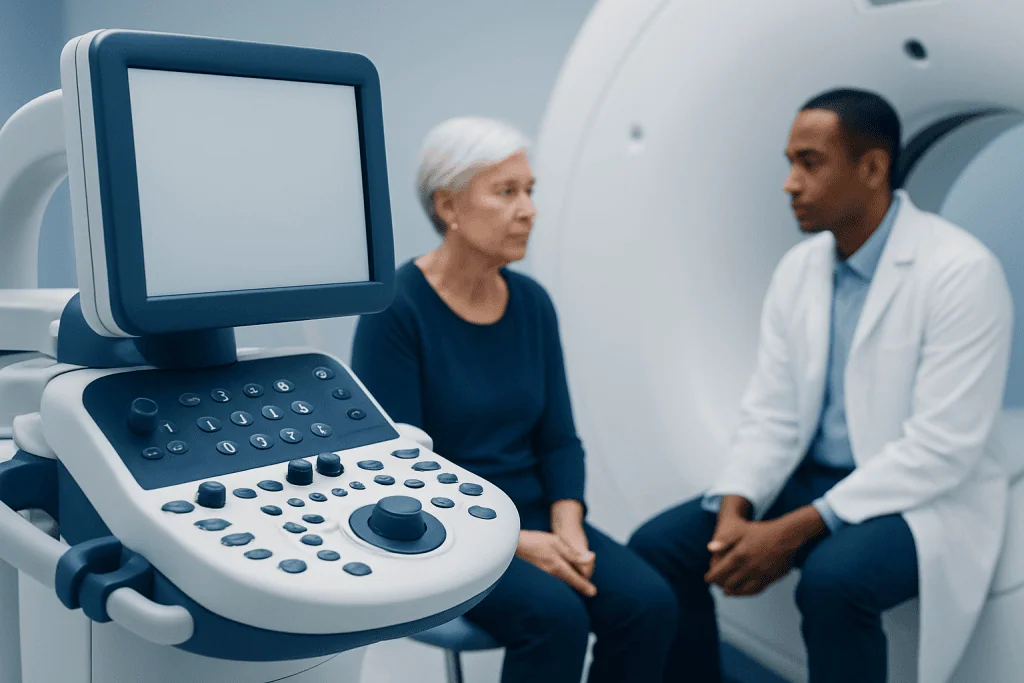
Early symptoms are often mild and may be mistaken for stress, normal aging, or being busy. Typical early signs include forgetting recently learned information, needing reminders more often, losing track of dates, struggling to follow a plan, or having trouble finding the right word. Some people also show reduced confidence, irritability, anxiety, or less interest in social activities.
As Alzheimer’s disease progresses, daily tasks become more difficult. A person may get lost in familiar places, have trouble managing money or medications, repeat stories, confuse names, or make decisions that seem out of character. Sleep patterns, appetite, and personality may change. In later stages, the person may need help with dressing, bathing, eating, walking, and communication.
Common symptoms can include:
- Memory loss that disrupts everyday routines
- Difficulty planning, organizing, or solving problems
- Confusion about time, place, or familiar routes
- Problems with language, reading, writing, or following conversation
- Misplacing items and being unable to retrace steps
- Changes in mood, judgment, behavior, or social engagement
Symptoms may fluctuate from day to day, especially when a person is tired, unwell, dehydrated, in pain, or in an unfamiliar environment. Sudden confusion, rapid decline, fever, new weakness, or severe sleepiness is not typical of gradual Alzheimer’s disease and should prompt urgent medical assessment for other causes.
Causes and Risk Factors

Alzheimer’s disease is linked to complex changes in the brain, including abnormal buildup of amyloid plaques and tau tangles, inflammation, and loss of connections between nerve cells. These changes develop over many years before noticeable symptoms appear. Researchers continue to study why these processes begin and how they may be slowed or prevented.
Age is the strongest known risk factor. The likelihood of Alzheimer’s disease increases as people get older, although many older adults do not develop dementia. Family history can also play a role, especially when a parent or sibling has had the condition. Rare inherited forms can cause symptoms at a younger age, but most cases are not caused by a single gene.
Other factors may influence brain health across the lifespan. These include high blood pressure, diabetes, high cholesterol, smoking, obesity, depression, hearing loss, social isolation, poor sleep, low physical activity, head injury, and excessive alcohol use. Managing these factors does not guarantee prevention, but it may support overall brain and vascular health.
Education, mentally stimulating activities, social connection, and regular exercise appear to be associated with better cognitive resilience. This means the brain may cope better with age-related or disease-related changes. Prevention advice should be realistic and encouraging: healthy habits are valuable even after memory symptoms begin.
Diagnosis
There is no single simple test that diagnoses Alzheimer’s disease in every person. Diagnosis usually begins with a careful history from the patient and, when possible, a family member or close friend who can describe changes over time. The doctor asks about memory, daily function, mood, sleep, medications, alcohol use, medical conditions, and safety concerns such as driving, falls, or medication errors.
A physical and neurological examination helps assess balance, movement, reflexes, strength, vision, hearing, and signs of other neurological conditions. Cognitive screening tests may evaluate memory, attention, language, problem-solving, and orientation. More detailed neuropsychological testing can be useful when symptoms are mild, the diagnosis is uncertain, or the person is still working and needs a precise assessment.
Blood tests are often used to look for reversible or contributing causes, such as thyroid problems, vitamin B12 deficiency, anemia, infection, liver or kidney problems, and metabolic disorders. Brain imaging with MRI or CT may help identify strokes, tumors, fluid buildup, bleeding, or patterns of brain shrinkage. In selected cases, specialists may recommend PET imaging or cerebrospinal fluid tests to look for Alzheimer’s-related biomarkers.
An accurate diagnosis can take time, but it is helpful because it guides treatment, planning, and support. It can also distinguish Alzheimer’s disease from other types of dementia, such as vascular dementia, Lewy body dementia, frontotemporal dementia, or dementia related to Parkinson’s disease. Many people benefit from evaluation by a neurologist, geriatrician, psychiatrist, or memory clinic team.
Treatment Options
Treatment for Alzheimer’s disease aims to support thinking and function, reduce distressing symptoms, maintain quality of life, and help caregivers. Current treatments do not cure the condition, but they may improve symptoms or slow decline in selected patients. The best plan usually combines medical treatment, lifestyle strategies, rehabilitation, and practical support at home.
Doctors may prescribe medicines such as cholinesterase inhibitors or memantine, depending on the stage of disease, symptoms, and other medical conditions. These medicines can help some people with cognition, attention, or daily functioning, though responses vary. Side effects and medication interactions should be monitored, especially in older adults taking several medicines.
Newer disease-modifying therapies that target amyloid may be considered for some people in early Alzheimer’s disease, depending on availability, eligibility, biomarker confirmation, and careful risk assessment. These treatments require specialist evaluation and monitoring, including attention to possible brain swelling or small bleeding changes seen on imaging. They are not suitable for everyone, and shared decision-making is essential.
Non-drug care is equally important. Occupational therapy may help simplify daily routines, speech and language therapy can support communication and swallowing concerns, and physiotherapy can assist with balance and mobility. Treatment of depression, anxiety, pain, hearing loss, vision problems, and sleep disorders can also make a meaningful difference in comfort and daily function.
Supportive Care for Patients and Families
Supportive care begins with understanding the person’s abilities, preferences, routines, culture, and family situation. A predictable schedule, clear communication, adequate lighting, labeled items, calendars, medication organizers, and reduced clutter can make daily life easier. It is often helpful to focus on what the person can still do rather than only on losses.
Communication works best when caregivers speak calmly, use short sentences, offer one choice at a time, and allow extra time for responses. Correcting every mistake may increase frustration; reassurance and gentle redirection are often more effective. Activities such as walking, music, gardening, folding laundry, simple cooking tasks, or looking at photographs can provide structure and enjoyment when matched to the person’s abilities.
Safety planning should be reviewed regularly. Families may need to consider medication supervision, fall prevention, kitchen safety, wandering risk, financial protection, driving assessment, and emergency contact identification. Advance care planning, legal documents, and discussions about future living arrangements are easier when addressed early and respectfully.
Caregivers also need care. Fatigue, grief, stress, and social isolation are common among family caregivers. Respite care, support groups, counseling, education programs, and shared caregiving responsibilities can reduce strain. Asking for help is not a failure; it is part of safe, sustainable care.
Prevention, Self-Care, and When to See a Doctor
No lifestyle measure can fully prevent Alzheimer’s disease, but many habits support brain health and general well-being. Regular physical activity, a balanced diet rich in vegetables, fruits, whole grains, legumes, fish, and healthy fats, not smoking, limiting alcohol, and maintaining healthy blood pressure, cholesterol, and blood sugar are sensible goals. Good sleep, hearing and vision care, social engagement, and mentally stimulating activities may also help preserve function.
A person should see a doctor if memory or thinking changes interfere with work, finances, medications, cooking, driving, appointments, or relationships. Medical advice is also important when family members notice personality changes, poor judgment, repeated confusion, or difficulty with familiar tasks. Early evaluation allows treatable causes to be addressed and gives families time to plan.
Urgent medical attention is needed for sudden confusion, new weakness or numbness, severe headache, fainting, fever, repeated falls, seizures, chest pain, or a rapid change in alertness. These symptoms may indicate a condition other than Alzheimer’s disease, such as infection, stroke, dehydration, medication reaction, or metabolic imbalance.
For international patients seeking assessment, Acibadem International’s multidisciplinary specialists and JCI-accredited hospitals can evaluate memory concerns and provide diagnosis and treatment planning for neurological conditions, including dementia. Patients and families should always discuss options with a qualified doctor who can consider the individual’s medical history, goals, and support needs.
Frequently asked questions
Is Alzheimer’s disease the same as dementia?
Dementia is a general term for a decline in memory, thinking, and daily function. Alzheimer’s disease is the most common cause of dementia, but other conditions can also cause dementia symptoms. A medical evaluation helps identify the most likely cause.
What is the first sign of Alzheimer’s disease?
The first sign is often difficulty remembering recent information, such as conversations, appointments, or where items were placed. However, early symptoms can also include trouble planning, word-finding difficulty, confusion with dates, or changes in judgment. Because many treatable problems can affect memory, new symptoms should be assessed by a doctor.
Can Alzheimer’s disease be cured?
There is currently no cure for Alzheimer’s disease. Treatments may help manage symptoms, support daily function, or slow progression in selected early-stage patients. Supportive care, safety planning, and caregiver education are central parts of treatment.
How is Alzheimer’s disease diagnosed?
Diagnosis usually includes a medical history, input from someone who knows the patient well, cognitive testing, physical and neurological examination, and blood tests. Brain imaging may be used to rule out other causes or support the diagnosis. In some cases, specialists may recommend biomarker tests.
Are memory problems always a sign of Alzheimer’s disease?
No. Memory changes can be related to stress, poor sleep, depression, anxiety, medication side effects, thyroid disease, vitamin deficiency, infections, or other neurological conditions. Some forgetfulness can also occur with normal aging. Persistent or worsening memory problems should be discussed with a healthcare professional.
What can families do after a diagnosis?
Families can learn about the condition, create a medication and appointment system, improve home safety, and discuss legal, financial, and care preferences early. Establishing routines and communicating calmly can reduce stress. Caregivers should also seek support and respite to protect their own health.
References
- World Health Organization
- National Institute on Aging
- Alzheimer’s Association
- Mayo Clinic
- National Institute for Health and Care Excellence
This article is for general information only and is not a substitute for professional medical advice. Please consult a qualified doctor about your individual situation.
Explore treatments in Turkey — costs, top hospitals & a free quote
JCI-accredited · board-certified surgeons · reply within 24h
Add us as a Preferred Source to see more of our trusted health content across Google Search, AI Overviews and Discover.
Check your numbers in seconds
BMI, calories, due date, blood pressure and 30+ more clinical calculators — free, instant, doctor-reviewed ranges.

More from the Health Library



Related Specialists

Dr. Veysel Doğan
Emergency Service
Assoc. Prof. Dr. Emel Ur Özçelik
Neurology
Asst. Prof. Dr. Alper Özdilek
Otorhinolaryngology
Dr. Mehmet Gürcan
Orthopedic Surgery & Traumatology