Post-Traumatic Stress Disorder: Trauma Symptoms and Recovery Options

Post-Traumatic Stress Disorder can occur after direct trauma, witnessing trauma, or repeated exposure to distressing events. Common symptoms include intrusive memories, flashbacks, avoidance, negative mood changes, irritability, and sleep disturbance.
Key Takeaways
- Post-Traumatic Stress Disorder can occur after direct trauma, witnessing trauma, or repeated exposure to distressing events.
- Common symptoms include intrusive memories, flashbacks, avoidance, negative mood changes, irritability, and sleep disturbance.
- PTSD is not a sign of weakness; it reflects the brain and body remaining in a heightened survival response after trauma.
- Evidence-based treatments include trauma-focused psychotherapies, supportive care, and sometimes medication for anxiety, depression, or sleep symptoms.
- Urgent help is needed if a person has thoughts of self-harm, feels unsafe, or is unable to function in daily life.
Post-Traumatic Stress Disorder is a treatable mental health condition that may develop after a frightening, overwhelming, or life-threatening event. With timely assessment, trauma-focused therapy, healthy support, and, when needed, medication, many people can reduce symptoms and rebuild daily functioning.
Overview
Post-Traumatic Stress Disorder, often called PTSD, is a mental health condition that can develop after a person experiences or witnesses a traumatic event. Trauma may involve serious injury, violence, war, accidents, natural disasters, sudden loss, medical emergencies, or repeated exposure to distressing situations. Not everyone who goes through trauma develops PTSD, and having symptoms does not mean a person is weak or unable to cope.
After danger, the body naturally activates a survival response. Heart rate, breathing, muscle tension, and alertness may increase so a person can react quickly. In many people, this response gradually settles. In PTSD, the brain and nervous system may continue to react as if danger is still present, even when the person is now safe.
PTSD can affect thoughts, emotions, sleep, relationships, work, school, and physical health. Symptoms may begin within weeks of a traumatic event, but they can also appear months or years later, especially when reminders or life stress bring memories back. The good news is that PTSD is treatable, and recovery can occur at a pace that feels safe and manageable.
PTSD Symptoms
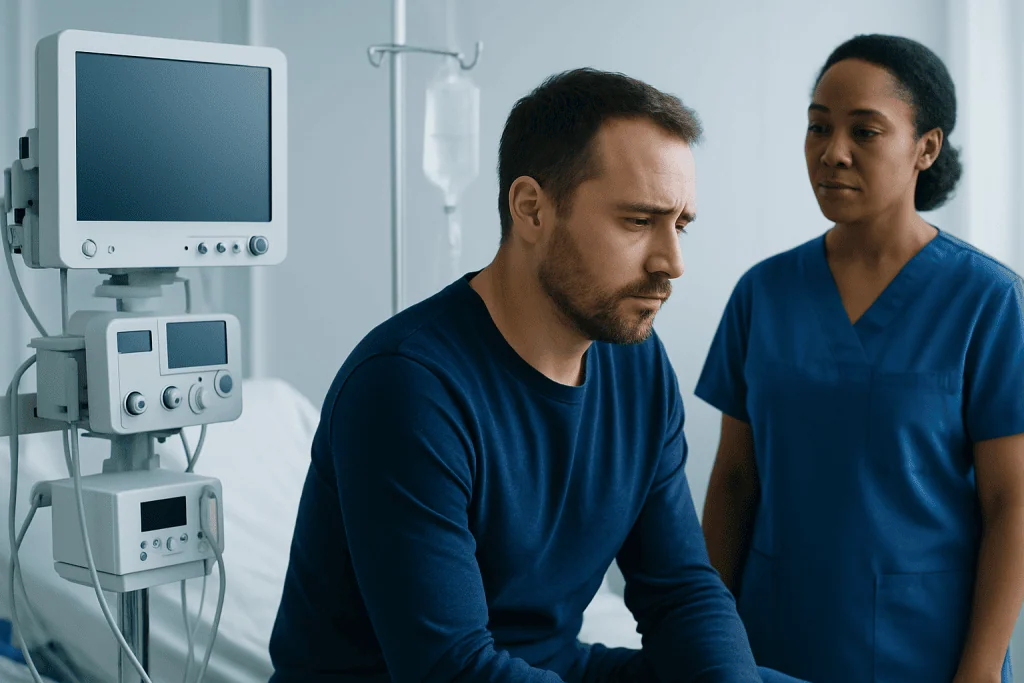
PTSD symptoms are usually grouped into several main areas: intrusive memories, avoidance, negative changes in mood and thinking, and increased arousal or reactivity. A person may have vivid memories, nightmares, or flashbacks that feel as if the event is happening again. These experiences can be triggered by sounds, smells, places, dates, images, or even body sensations.
Avoidance is also common. A person may try not to talk about the trauma, avoid certain locations, withdraw from social activities, or keep very busy to prevent distressing thoughts from coming up. Avoidance can bring short-term relief, but over time it may make life feel smaller and reinforce fear.
PTSD can also change how a person sees themselves, others, and the world. They may feel guilt, shame, anger, numbness, sadness, or a sense of detachment from loved ones. Some people lose interest in activities they once enjoyed or find it difficult to feel positive emotions.
Physical and emotional hyperarousal may include being easily startled, feeling constantly on guard, irritability, difficulty concentrating, and sleep problems. Some people experience panic-like symptoms, headaches, digestive discomfort, muscle tension, or fatigue. Symptoms can vary from person to person and may fluctuate depending on stress, safety, and support.
Causes and Risk Factors
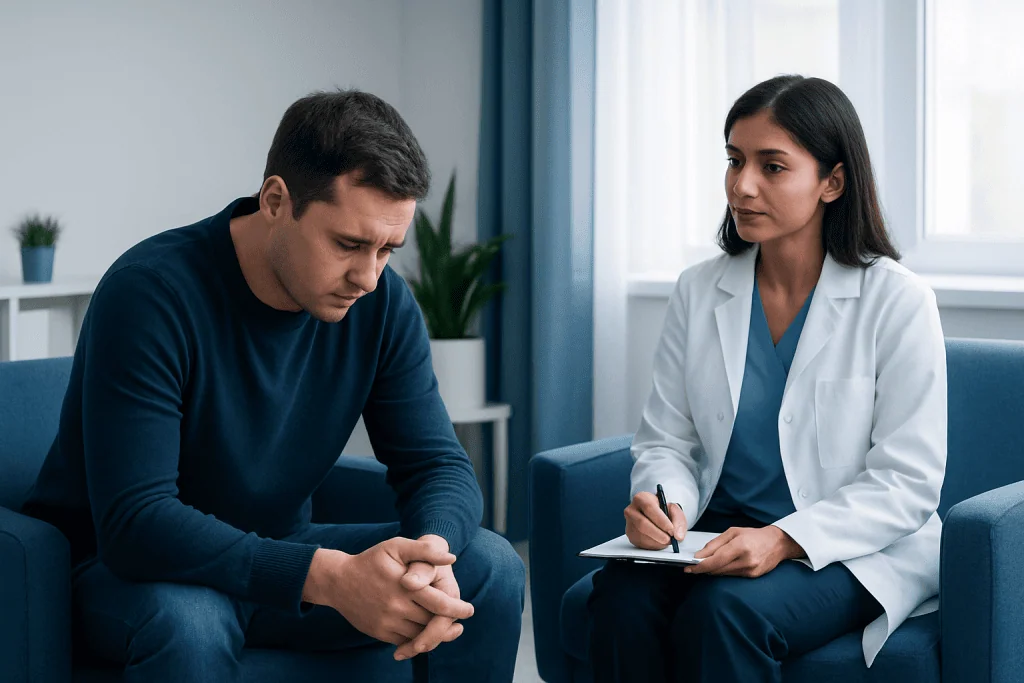
PTSD is linked to exposure to trauma, but trauma alone does not determine who will develop the condition. The risk is influenced by the nature of the event, the person’s previous experiences, available support, overall health, and how safe they feel afterward. Events that are repeated, prolonged, violent, or personally threatening may carry a higher risk.
Risk factors can include earlier childhood trauma, a history of anxiety or depression, limited social support, ongoing danger, financial or legal stress after the event, and additional life stressors. People in professions with repeated exposure to traumatic material or emergencies, such as military personnel, first responders, healthcare workers, and humanitarian workers, may also be at risk.
Protective factors can help reduce the likelihood or severity of PTSD. These include timely emotional support, physical safety, stable routines, access to healthcare, healthy coping skills, and feeling believed and respected when sharing the experience. Supportive family, friends, colleagues, and professionals can play an important role in recovery.
Biological factors are also involved. Trauma can affect brain circuits related to fear, memory, attention, and stress hormones. This helps explain why PTSD symptoms are not simply a choice or a lack of willpower. Treatment aims to help the brain and body process traumatic memories so that reminders no longer feel as threatening.
Diagnosis
Diagnosis begins with a careful conversation with a qualified mental health professional or doctor. The clinician may ask about the traumatic event, current symptoms, how long they have been present, and how they affect sleep, relationships, work, school, and daily routines. The person does not need to describe every detail of the trauma at the first appointment; assessment should be done respectfully and at a safe pace.
PTSD is typically considered when symptoms last more than one month and cause distress or impairment in daily life. Clinicians may use structured questionnaires or diagnostic interviews to understand symptom patterns. They may also screen for related conditions such as depression, anxiety disorders, panic symptoms, substance use, chronic pain, traumatic brain injury, or sleep disorders.
A medical evaluation may be helpful when physical symptoms are present. Palpitations, dizziness, pain, digestive problems, or insomnia can be related to stress responses, but they may also have medical causes that should be checked. A comprehensive approach helps ensure that both emotional and physical needs are addressed.
For children and adolescents, diagnosis may look different. Younger children may show trauma symptoms through play, separation fears, regression, irritability, nightmares, or changes in school performance. Assessment should involve caregivers when appropriate and should focus on safety, developmental stage, and family support.
Treatment Options
PTSD treatment is most effective when it is individualized. Many people benefit from trauma-focused psychotherapy, which helps the person process traumatic memories, reduce avoidance, and regain a sense of safety and control. Therapy does not mean forcing someone to relive trauma without support; it is structured, paced, and guided by a trained professional.
Common evidence-based approaches include trauma-focused cognitive behavioral therapy, cognitive processing therapy, prolonged exposure therapy, and eye movement desensitization and reprocessing. These therapies use different methods, but they share a goal: helping the brain update traumatic memories so they are recognized as past events rather than current threats.
Medication may be considered when symptoms such as depression, anxiety, irritability, or sleep disturbance are significant. Antidepressant medications are sometimes used for PTSD, and other medicines may be considered depending on individual symptoms and medical history. Medication decisions should always be made with a qualified doctor, who can review benefits, side effects, interactions, and follow-up needs.
Supportive treatments can also be valuable. These may include sleep support, stress-management skills, family education, group therapy, physiotherapy for pain or tension, treatment for substance use, and care for other medical conditions. Recovery often involves a combination of professional treatment, safe relationships, and practical changes that reduce ongoing stress.
Recovery, Self-Care, and Daily Coping
Recovery from PTSD is usually gradual. Progress may mean fewer flashbacks, better sleep, less avoidance, improved relationships, or feeling more present in daily life. Symptoms can temporarily increase during stressful periods or during trauma-focused work, but this does not mean treatment is failing. A therapist can help adjust the pace and strengthen coping skills.
Self-care cannot replace professional treatment when PTSD is causing distress, but it can support healing. Regular sleep routines, balanced meals, gentle physical activity, and limiting alcohol or recreational drugs can help the nervous system stabilize. Grounding techniques, such as naming objects in the room, noticing the feet on the floor, or slowing the breath, can help during moments of intense distress.
Helpful daily strategies may include:
- Creating a predictable routine that includes rest and enjoyable activities.
- Identifying triggers and planning safe responses in advance.
- Using calming sensory tools such as music, a warm drink, or a comforting object.
- Staying connected with trusted people rather than coping alone.
- Practicing brief relaxation, mindfulness, or breathing exercises when they feel comfortable.
Some people find that trauma recovery also involves rebuilding meaning, confidence, and identity beyond what happened. Creative activities, spiritual support, peer groups, education, and gradual return to valued roles can all be part of healing. The most important principle is that recovery should be safe, respectful, and guided by the person’s needs.
When to See a Doctor
A person should consider seeing a doctor or mental health professional if trauma-related symptoms last more than a few weeks, interfere with daily life, or feel difficult to manage. Help is also important when a person avoids many situations, has frequent nightmares or flashbacks, feels emotionally numb, or uses alcohol or substances to cope.
Urgent support is needed if a person has thoughts of self-harm, feels they may harm someone else, is unable to stay safe, or feels overwhelmed by intense distress. In these situations, they should contact local emergency services, go to the nearest emergency department, or reach out immediately to a crisis line or trusted person who can stay with them.
Families and friends can support recovery by listening without pressure, encouraging professional help, and respecting the person’s pace. It is usually not helpful to demand details of the trauma or tell someone to simply forget it. Calm, consistent support can help restore a sense of safety.
For international patients seeking assessment or treatment, Acibadem International’s multidisciplinary specialists and JCI-accredited hospitals can provide diagnosis and care planning for mental health conditions, including PTSD. Any treatment plan should be based on a thorough clinical evaluation and ongoing communication with qualified professionals.
Frequently asked questions
What is Post-Traumatic Stress Disorder?
Post-Traumatic Stress Disorder is a mental health condition that can develop after experiencing or witnessing trauma. It involves symptoms such as intrusive memories, avoidance, emotional changes, and feeling constantly on alert. PTSD is treatable, and many people improve with appropriate support and therapy.
How soon can PTSD symptoms appear after trauma?
Symptoms may begin within days or weeks, but PTSD is usually diagnosed when symptoms continue for more than one month and affect daily life. In some people, symptoms appear months or years later, often after reminders or new stress. Delayed symptoms are still valid and can be treated.
Can someone recover from PTSD without medication?
Yes, many people recover or improve significantly with trauma-focused psychotherapy and supportive care without medication. Medication may still be helpful for some people, especially when depression, anxiety, or sleep problems are severe. A doctor or mental health professional can help decide what is appropriate.
Is it necessary to talk about every detail of the trauma in therapy?
Not always, and not immediately. Trauma therapy should be paced carefully so the person feels safe and supported. Some evidence-based therapies involve processing memories, but the therapist helps the person build coping skills first and controls the process with consent.
How can family members help someone with PTSD?
Family members can help by listening calmly, avoiding blame, and encouraging professional support. They should not pressure the person to discuss the trauma before they are ready. Learning about PTSD, supporting routines, and responding with patience can make recovery feel safer.
When is PTSD an emergency?
PTSD becomes an emergency if a person has thoughts of self-harm, feels unable to stay safe, may harm someone else, or is severely overwhelmed. Immediate help from emergency services, an emergency department, or a crisis support line is needed. Staying with a trusted person until help arrives can also be protective.
References
- World Health Organization
- American Psychiatric Association
- National Institute of Mental Health
- National Center for PTSD, U.S. Department of Veterans Affairs
- National Institute for Health and Care Excellence
This article is for general information only and is not a substitute for professional medical advice. Please consult a qualified doctor about your individual situation.
Explore treatments in Turkey — costs, top hospitals & a free quote
JCI-accredited · board-certified surgeons · reply within 24h
Add us as a Preferred Source to see more of our trusted health content across Google Search, AI Overviews and Discover.
Check your numbers in seconds
BMI, calories, due date, blood pressure and 30+ more clinical calculators — free, instant, doctor-reviewed ranges.