Prediabetes: Blood Sugar Levels, Lifestyle Changes, and Prevention

Prediabetes often has no symptoms, so blood tests are the only reliable way to diagnose it. Typical prediabetes ranges include HbA1c 5.7% to 6.4%, fasting blood glucose 100 to 125 mg/dL, or a 2-hour oral glucose tolerance test result of 140 to 199 mg/dL.
Key Takeaways
- Prediabetes often has no symptoms, so blood tests are the only reliable way to diagnose it.
- Typical prediabetes ranges include HbA1c 5.7% to 6.4%, fasting blood glucose 100 to 125 mg/dL, or a 2-hour oral glucose tolerance test result of 140 to 199 mg/dL.
- Lifestyle changes, especially regular exercise, balanced nutrition, and modest weight loss when needed, can significantly improve insulin resistance.
- Prediabetes does not always progress to type 2 diabetes; prevention is possible with consistent habits and medical guidance.
- People with risk factors such as family history, excess abdominal weight, previous gestational diabetes, PCOS, high blood pressure, or abnormal cholesterol should ask a doctor about screening.
Prediabetes is a common metabolic condition in which blood sugar levels are higher than normal but not high enough for a diagnosis of type 2 diabetes. With early recognition, healthy eating, regular physical activity, weight management, and medical follow-up, many people can improve their blood sugar and reduce future health risks.
Overview
Prediabetes is a warning sign that the body is having difficulty keeping blood sugar levels in a healthy range. In this condition, glucose levels are higher than expected but not high enough to be classified as diabetes. It is closely linked to insulin resistance, which means the body’s cells do not respond to insulin as effectively as they should.
Insulin is a hormone made by the pancreas. Its role is to help glucose move from the bloodstream into the body’s cells, where it can be used for energy. When insulin resistance develops, the pancreas may produce more insulin to compensate. Over time, this extra demand can make it harder to maintain normal blood sugar levels.
Prediabetes is important because it gives people and their healthcare teams an opportunity to act early. It does not mean that type 2 diabetes is inevitable. Many people can return their blood sugar to a healthier range or delay progression through realistic, sustainable lifestyle changes and regular follow-up.
Blood Sugar Levels and Diagnostic Ranges
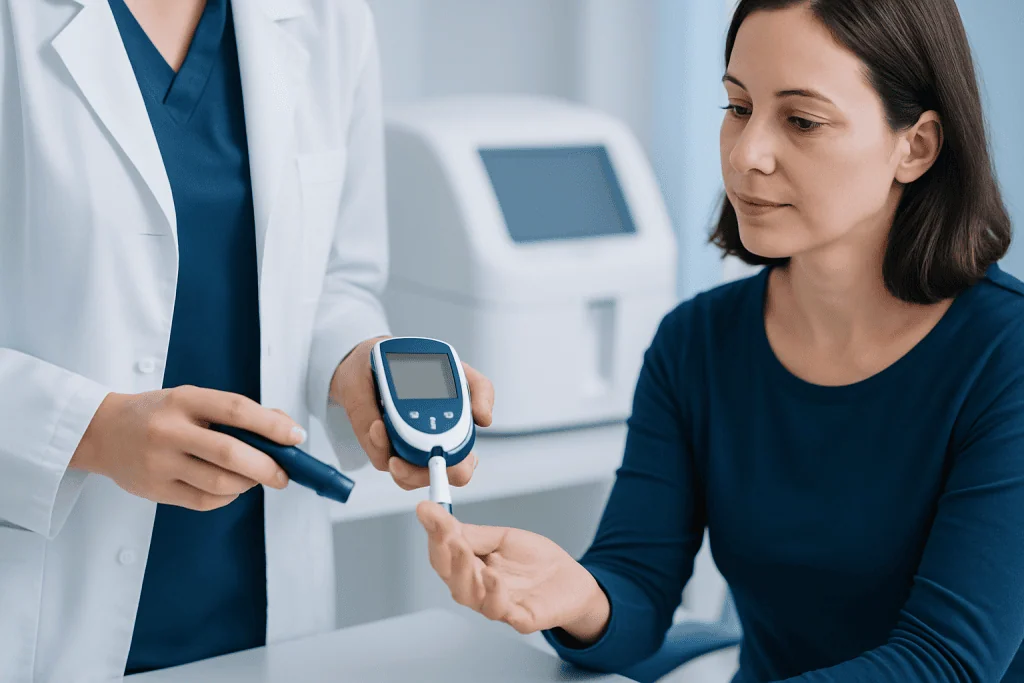
Prediabetes is diagnosed with laboratory blood tests. The most commonly used tests are hemoglobin A1c, fasting plasma glucose, and the oral glucose tolerance test. Each test looks at blood sugar in a different way, so a doctor may choose one or more depending on a person’s health history and risk factors.
Hemoglobin A1c, often called HbA1c or A1c, estimates average blood sugar over the previous two to three months. An A1c below 5.7% is generally considered normal, 5.7% to 6.4% is considered prediabetes, and 6.5% or higher may suggest diabetes if confirmed. Fasting plasma glucose is measured after not eating for at least eight hours; 100 to 125 mg/dL is in the prediabetes range, while 126 mg/dL or higher may indicate diabetes if confirmed.
The oral glucose tolerance test measures how the body handles sugar after a glucose-containing drink. A 2-hour result of 140 to 199 mg/dL is considered prediabetes, while 200 mg/dL or higher may indicate diabetes. If a person has no symptoms, abnormal results are usually repeated or confirmed with another test before a diagnosis is made.
- Normal A1c: below 5.7%
- Prediabetes A1c: 5.7% to 6.4%
- Prediabetes fasting glucose: 100 to 125 mg/dL
- Prediabetes 2-hour glucose tolerance result: 140 to 199 mg/dL
Symptoms

Prediabetes usually does not cause noticeable symptoms. Many people feel well and are surprised when a routine blood test shows that their blood sugar is above the normal range. This is why screening is important for people with risk factors, even when they feel healthy.
Occasionally, people with insulin resistance may notice changes such as increased hunger, fatigue after meals, or gradual weight gain around the waist, but these symptoms are not specific to prediabetes. Some people develop darker, velvety patches of skin, often around the neck, armpits, or groin. This finding is called acanthosis nigricans and can be associated with insulin resistance.
Symptoms such as frequent urination, unusual thirst, blurred vision, unexplained weight loss, or slow-healing infections are more suggestive of diabetes than prediabetes. Anyone who experiences these symptoms should arrange a medical evaluation promptly. Blood testing can clarify whether glucose levels are in the normal, prediabetes, or diabetes range.
Causes and Risk Factors
Prediabetes develops when the body becomes less sensitive to insulin and the pancreas cannot fully keep up with the increased need for insulin. This process is influenced by genetics, body composition, physical activity, sleep, diet, age, and other health conditions. It is not caused by one food or one lifestyle choice, and it should not be viewed as a personal failure.
Excess body fat, especially around the abdomen, is strongly linked with insulin resistance. However, prediabetes can also occur in people who are not overweight, particularly when there is a family history of type 2 diabetes or other metabolic risk factors. Physical inactivity is another important contributor because active muscles use glucose more efficiently.
Risk is higher in people with a parent or sibling with type 2 diabetes, a history of gestational diabetes, polycystic ovary syndrome, high blood pressure, abnormal cholesterol or triglycerides, fatty liver disease, or obstructive sleep apnea. Some medications may also affect glucose metabolism. Age increases risk as well, but younger adults and adolescents can develop prediabetes, especially when multiple risk factors are present.
- Family history of type 2 diabetes
- Excess abdominal weight or recent weight gain
- Low levels of physical activity
- Previous gestational diabetes or delivery of a large baby
- Polycystic ovary syndrome, high blood pressure, or abnormal blood lipids
- Sleep problems such as obstructive sleep apnea
Diagnosis and Monitoring
A doctor diagnoses prediabetes by reviewing blood test results together with the person’s medical history, medications, pregnancy history, weight pattern, blood pressure, cholesterol levels, and family history. Because blood sugar can vary from day to day, a single abnormal result may need confirmation, particularly if there are no symptoms.
Screening is often recommended for adults with risk factors and for adults in midlife even if they feel well. Earlier screening may be appropriate for people with obesity, previous gestational diabetes, polycystic ovary syndrome, or a strong family history. Children and adolescents with obesity and additional risk factors may also need testing under pediatric guidance.
After diagnosis, follow-up helps track whether lifestyle changes are working. Many clinicians repeat A1c or fasting glucose at regular intervals, often yearly or sooner if levels are close to the diabetes range or if risk factors change. Monitoring may also include blood pressure, cholesterol, liver health, kidney health, and weight or waist circumference, because prediabetes often occurs alongside other cardiometabolic risks.
Treatment Options and Lifestyle Changes
The main treatment for prediabetes is a structured lifestyle plan. A helpful plan is practical, culturally appropriate, and sustainable rather than overly restrictive. For many people, modest weight loss when overweight, regular physical activity, and a balanced eating pattern can improve insulin sensitivity and lower blood sugar levels.
Nutrition changes do not require eliminating all carbohydrates. Instead, the goal is to choose higher-quality carbohydrates and pair them with protein, healthy fats, and fiber. Vegetables, legumes, whole grains, fruits in appropriate portions, nuts, seeds, fish, lean proteins, and unsaturated oils can support steadier blood sugar. Sugary drinks, frequent sweets, highly refined grains, and large portions of processed foods are best limited.
Physical activity helps muscles use glucose without requiring as much insulin. A common goal is at least 150 minutes of moderate-intensity aerobic activity per week, such as brisk walking, cycling, or swimming, along with resistance training on two or more days if appropriate. People who are inactive can start with short walks and increase gradually. Medical advice is recommended before starting vigorous exercise, especially for people with heart disease, joint problems, or other chronic conditions.
Medication may be considered for some people at higher risk, such as those with very elevated prediabetes-range results, a history of gestational diabetes, or significant obesity. Metformin is the most commonly discussed option, but it is not suitable for everyone and does not replace lifestyle changes. The decision should be individualized with a qualified healthcare professional.
Prevention and Self-Care
Preventing type 2 diabetes begins with everyday habits that improve insulin sensitivity. Small, repeated actions often work better than short-term intensive plans. A person may start by replacing sugary drinks with water, adding vegetables to meals, walking after lunch or dinner, improving sleep routines, or reducing long periods of sitting.
Meal timing and portion awareness can also help. Some people benefit from using a plate method: filling half the plate with non-starchy vegetables, one quarter with lean protein, and one quarter with whole grains or starchy vegetables. Fiber-rich foods can slow digestion and support fullness, while adequate protein can help preserve muscle during weight loss.
Sleep and stress management matter because poor sleep and chronic stress hormones can affect appetite, weight, and blood sugar. Regular sleep schedules, limiting alcohol, not smoking, and treating sleep apnea when present are useful parts of prevention. Support from family, a dietitian, an exercise professional, or a diabetes prevention program can make changes easier to maintain.
Self-care is most effective when it is measured and adjusted. Rather than focusing only on weight, people can track habits such as weekly activity minutes, daily steps, home-cooked meals, fiber intake, or sleep duration. Improvement in energy, waist size, blood pressure, cholesterol, or A1c can show progress even before major weight changes occur.
When to See a Doctor
A person should speak with a doctor about prediabetes screening if they have risk factors such as excess weight, a family history of type 2 diabetes, previous gestational diabetes, polycystic ovary syndrome, high blood pressure, abnormal cholesterol, or a sedentary lifestyle. Testing is also appropriate if symptoms of high blood sugar appear, including increased thirst, frequent urination, blurred vision, or unexplained weight changes.
Medical follow-up is important after a prediabetes diagnosis. A clinician can confirm the diagnosis, look for related conditions, review medications, and help create a safe plan for nutrition, activity, and weight management. People with heart disease, kidney disease, pregnancy, eating disorders, or complex medical histories should avoid unsupervised restrictive diets and seek personalized guidance.
International patients may choose comprehensive evaluation when blood sugar concerns occur alongside other health issues. Acibadem International’s multidisciplinary specialists and JCI-accredited hospitals diagnose and treat prediabetes, diabetes, and related metabolic conditions with individualized medical assessment and follow-up planning.
Frequently asked questions
Can prediabetes be reversed?
Many people can return their blood sugar levels to the normal range, especially with early lifestyle changes. The term “reversal” should be used carefully because insulin resistance can return if healthy habits are not maintained. Ongoing follow-up helps confirm whether improvements are stable.
What is the best diet for prediabetes?
There is no single best diet for everyone with prediabetes. Most people benefit from a balanced pattern rich in vegetables, legumes, whole grains, lean proteins, healthy fats, and fiber, while limiting sugary drinks and highly processed foods. A dietitian can adapt recommendations to culture, preferences, budget, and medical needs.
Does prediabetes always lead to type 2 diabetes?
No. Prediabetes increases the risk of type 2 diabetes, but progression is not inevitable. Regular physical activity, weight management when needed, healthier food choices, better sleep, and medical monitoring can reduce risk.
How often should blood sugar be checked with prediabetes?
Many people with prediabetes have A1c or fasting glucose checked about once a year, but the timing depends on individual risk and previous results. A doctor may recommend more frequent testing if levels are near the diabetes range, symptoms develop, or medications or weight change significantly.
Is medication needed for prediabetes?
Lifestyle change is the foundation of prediabetes care. Medication such as metformin may be considered for selected higher-risk individuals, but it is not necessary for everyone. The decision should be made with a clinician after reviewing benefits, risks, and personal health factors.
Can exercise lower blood sugar if weight does not change?
Yes. Exercise can improve insulin sensitivity and help muscles use glucose more effectively even without major weight loss. Combining aerobic activity with strength training is often helpful, but any safe increase in movement is a positive step.
This article is for general information only and is not a substitute for professional medical advice. Please consult a qualified doctor about your individual situation.
Explore treatments in Turkey — costs, top hospitals & a free quote
JCI-accredited · board-certified surgeons · reply within 24h
Add us as a Preferred Source to see more of our trusted health content across Google Search, AI Overviews and Discover.
Check your numbers in seconds
BMI, calories, due date, blood pressure and 30+ more clinical calculators — free, instant, doctor-reviewed ranges.

More from the Health Library

Supplements for Immunity Support: What the Clinical Research Actually Says

Can you eat seeds of watermelon: An Evidence-Based Guide From Clinical Nutrition

Addison’s Disease What Should I Eat: Evidence-Based Benefits, Risks, and Practical Guidance

Isopure Protein Powder: What the Clinical Research Actually Says

Food Poisoning: Evidence-Based Benefits, Risks, and Practical Guidance